Night Sweats: Causes, Symptoms, And Treatment Guide
Discover the hidden triggers behind disruptive night sweats and learn practical steps to regain restful sleep.
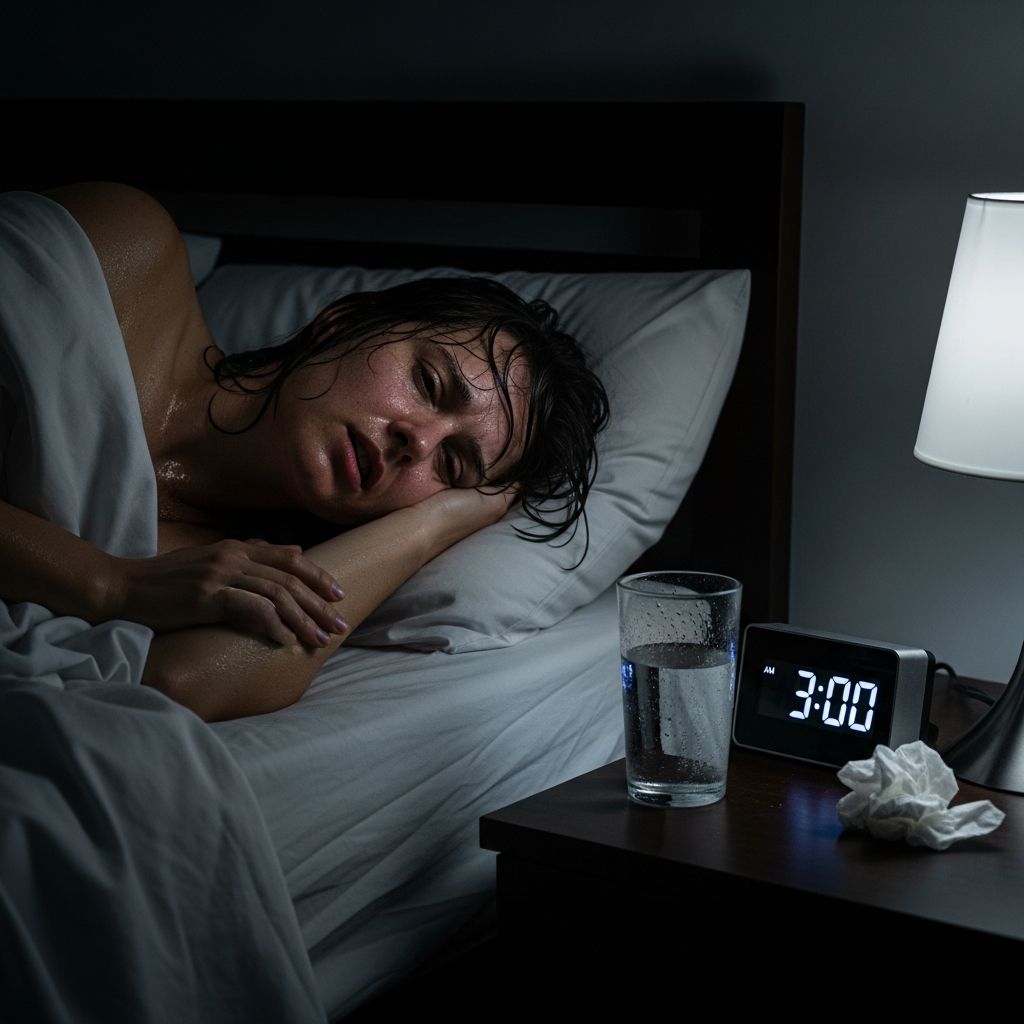
Excessive sweating during sleep, known as night sweats, disrupts rest and signals potential health issues. These episodes soak bedding and clothing, often leaving individuals chilled and fatigued upon waking.
Recognizing Night Sweats
Night sweats differ from typical perspiration caused by a warm room. They occur in comfortable temperatures, drenching sleepwear and sheets completely. Accompanying sensations include sudden heat waves followed by chills, interrupting sleep cycles repeatedly.
- Waking with damp or saturated pajamas and bedding
- Needing to change clothes or linens mid-night
- Feeling overheated then rapidly cooling down
- Trouble resuming sleep due to discomfort
These symptoms affect sleep quality, leading to daytime exhaustion, irritability, and reduced focus. While benign in some cases, persistent occurrences warrant investigation.
Primary Triggers in Women: Hormonal Shifts
Hormonal fluctuations top the list of night sweat causes, especially for women. Menopause and perimenopause involve declining estrogen levels, prompting the hypothalamus—the body’s thermostat—to misregulate temperature.
During these stages, hot flashes extend into nighttime, manifesting as intense sweats. Primary ovarian insufficiency, where ovaries cease functioning before age 40, mirrors these effects. Even menstrual cycle phases, particularly premenstrual drops in estrogen, can provoke milder episodes linked to PMS symptoms.
| Stage | Typical Age | Associated Symptoms |
|---|---|---|
| Menopause | 45-55 | Hot flashes, mood swings, irregular periods |
| Perimenopause | 40-50 | Heavy bleeding, sleep disturbances, vaginal dryness |
| Primary Ovarian Insufficiency | Under 40 | Infertility, fatigue, bone loss risk |
Pregnancy hormones can also induce sweats, though less commonly discussed. These changes affect body temperature control, emphasizing the need for tailored management strategies.
Infections as Culprits
Infections frequently provoke night sweats as the immune system ramps up against invaders. Tuberculosis stands out, with nightly drenching sweats accompanying cough, weight loss, and fever.
Bacterial invasions like endocarditis—inflammation of heart valves—or osteomyelitis, bone infections, trigger similar responses. Abscesses filled with pus and conditions like brucellosis or valley fever (coccidioidomycosis) join the list. Viral threats including HIV, especially in advanced stages or with opportunistic infections like cytomegalovirus, manifest through sweats roughly weekly alongside diarrhea and wasting.
- Tuberculosis: Persistent cough, night sweats, hemoptysis
- Endocarditis: Heart murmurs, fever spikes
- HIV/AIDS: Weight loss, recurrent infections
- Osteomyelitis: Localized bone pain, swelling
Colds, flu, and even COVID-19 occasionally cause milder forms, but chronicity signals deeper issues. Travel history or exposure risks guide diagnostic pursuits.
Cancers and Night Sweats
Malignancies often present with night sweats as a hallmark, particularly lymphomas. Hodgkin lymphoma affects about a quarter of patients, pairing sweats with low-grade fever, itching, and alcohol-induced pain at tumor sites. Non-Hodgkin variants, especially aggressive forms, cause drenching episodes.
Leukemia, myelofibrosis, and solid tumors like prostate, kidney, or pancreatic cancers contribute. Rare neuroendocrine tumors such as carcinoid or pheochromocytoma in adrenal glands release excess hormones, spiking blood pressure and pulse alongside sweats. Thyroid cancers in advanced stages add to this roster.
Related Stories



These sweats accompany fatigue, unexplained weight loss, and swollen nodes, prompting urgent evaluation. Early detection improves outcomes significantly.
Medications and Substances
Many pharmaceuticals list night sweats as side effects. Antidepressants like tricyclics, bupropion, venlafaxine, and steroids such as prednisone stimulate sweat glands. Pain relievers including acetaminophen, aspirin, ibuprofen, and hormone therapies exacerbate the issue.
Glaucoma drops and dry mouth treatments join culprits. Substance use—alcohol disorders, drug addiction—disrupts autonomic functions, mimicking medical triggers. Low blood sugar from diabetes medications, particularly insulin, causes hypoglycemic sweats during sleep.
| Category | Examples | Mechanism |
|---|---|---|
| Antidepressants | TCAs, venlafaxine | Sweat gland activation |
| Pain/Fever Reducers | Acetaminophen, NSAIDs | Thermoregulatory interference |
| Hormone Therapy | Estrogen replacements | Hormonal imbalance |
| Others | Steroids, diabetes drugs | Metabolic shifts |
Consulting pharmacists or prescribers about alternatives proves essential.
Other Medical Contributors
Beyond primaries, thyroid overactivity (hyperthyroidism) accelerates metabolism, inducing sweats. Anxiety disorders and stress elevate heart rates, mimicking fight-or-flight responses nocturnally. Sleep apnea halts breathing, prompting oxygen-starved sweats as muscles strain to restart.
Autoimmune conditions, autonomic neuropathy, and rare neurological issues like stroke, syringomyelia, or Takayasu’s arteritis disrupt nerve signals governing sweat. Hyperhidrosis, idiopathic excessive sweating, persists day and night without clear cause.
Lifestyle and Environmental Factors
Not all sweats stem from illness. Overly warm bedrooms, heavy bedding, or spicy evening meals spike core temperatures. Alcohol before bed dilates vessels, promoting moisture loss. Idiopathic hyperhidrosis amplifies normal responses.
Optimizing sleep hygiene—cool rooms at 60-67°F (16-19°C), breathable fabrics, light dinners—mitigates these. Yet, distinguishing benign from pathological requires vigilance.
When to Consult a Doctor
Seek care if sweats persist despite cool environments, recur frequently, or pair with red flags: unintentional weight loss, fever, swollen lymph nodes, cough, or fatigue. New medications, known conditions worsening, or family cancer history heighten urgency.
Doctors assess history, exam, and may order blood tests, imaging, or biopsies to pinpoint origins. Ruling out serious pathology ensures peace of mind.
Management Strategies
Treatment targets root causes. Menopause options include hormone therapy, SSRIs, or gabapentin for flashes. Infections demand antibiotics or antiretrovirals. Cancer therapies vary by type.
Lifestyle tweaks help universally: moisture-wicking sheets, fans, avoiding triggers. Cognitive behavioral therapy aids anxiety-linked sweats; CPAP resolves apnea effects.
- Keep bedroom cool and humidified
- Wear layered, absorbent sleepwear
- Limit caffeine, alcohol evenings
- Practice relaxation techniques pre-bed
Tracking episodes in a journal—timing, severity, symptoms—aids diagnosis.
FAQs
Are night sweats always serious?
No, but persistent or symptomatic ones require evaluation to exclude infections or cancers.
Can diet cause night sweats?
Spicy foods, alcohol, or heavy meals can trigger episodes by raising body heat.
Do men experience night sweats?
Yes, from low testosterone, infections, or medications, though less tied to hormones than women.
How to sleep better with night sweats?
Use cooling mattresses, breathable fabrics, and maintain consistent sleep hygiene.
Is hyperhidrosis the same as night sweats?
Hyperhidrosis causes general excess sweating; night sweats are sleep-specific and often symptomatic.
References
- Night sweats Causes – Mayo Clinic — Mayo Clinic. 2023. https://www.mayoclinic.org/symptoms/night-sweats/basics/causes/sym-20050768
- Night sweats – NHS — NHS. 2023-11-09. https://www.nhs.uk/symptoms/night-sweats/
- Night Sweats: Menopause, Other Causes & Treatment — Cleveland Clinic. 2023. https://my.clevelandclinic.org/health/symptoms/16562-night-sweats
- Night Sweats – Sleep Foundation — Sleep Foundation. 2023. https://www.sleepfoundation.org/night-sweats
Similar Articles








Read full bio of medha deb