Night Workout Nutrition: What to Eat After Evening Exercise
Optimize muscle recovery and sleep with science-backed post-evening workout nutrition strategies.
Exercising in the evening has become increasingly popular for many people balancing work and fitness commitments. However, post-workout nutrition after an evening session presents unique challenges, particularly regarding what to eat without disrupting sleep or storing excess calories as fat. Understanding the principles of night workout nutrition can help you maximize muscle recovery, support muscle protein synthesis, and maintain your fitness goals while still getting quality rest.
Why Post-Workout Nutrition Matters After Evening Exercise
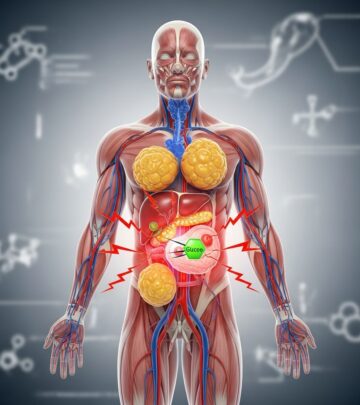
When you exercise, your muscles undergo stress and experience microscopic damage through a process called catabolism, where muscle proteins break down. Consuming appropriate nutrients after your workout triggers the body’s anabolic processes, which repair and rebuild muscle tissue damaged during exercise. This is especially important after evening workouts because your body continues these recovery processes throughout your sleep, making nighttime an optimal window for muscle protein synthesis.
The timing and composition of your post-workout meal significantly influence whether your body enters an anabolic state—focused on building muscle—or remains catabolic. Research shows that consuming nutrients in close proximity to exercise optimizes muscle protein synthesis, glycogen resynthesis, and anabolic hormones far better than delaying intake for hours after training.
Essential Macronutrients for Evening Post-Workout Meals
A balanced post-workout meal should contain multiple macronutrients tailored to your fitness goals and digestive capacity in the evening. Here’s what each macronutrient contributes to your recovery:
Protein: The Muscle-Building Priority
Protein serves as the primary building block for muscle repair and growth after evening workouts. When you consume protein post-exercise, you provide your muscles with amino acids needed to stimulate muscle protein synthesis (MPS) and counteract the catabolic effects of training.
Recommended amount: Current research suggests consuming 20–40 grams of protein in your post-workout meal to optimally support muscle protein synthesis. This amount has been shown to maximize the anabolic response without excessive caloric intake before bed.
Quality protein sources for evening consumption include:
- Lean meats and fish (chicken breast, salmon, turkey)
- Plant-based alternatives (tofu, tempeh, seitan)
- Dairy products (Greek yogurt, cottage cheese, milk)
- Eggs and egg whites
- Protein supplements (whey, casein, plant-based protein powders)
Foods to avoid: High-fat protein sources can slow digestion and nutrient absorption, making them less ideal before bed. Limit fatty meats, cured meats (salami, sausages), organ meats, and fried preparations, as these can interfere with sleep quality and extend digestion into your sleep period.
Carbohydrates: Replenishing Energy Stores
Carbohydrates are your body’s primary energy source, providing glucose that fuels both your workout and recovery processes. After evening exercise, carbs help replenish depleted muscle glycogen stores, which accelerates recovery for your next training session. Carbohydrates contain 4 calories per gram and come in two varieties: quickly digesting carbs that provide immediate energy, and slowly digesting carbs that sustain glucose levels throughout sleep and support muscle recovery.
The type and amount of carbohydrates matter for evening consumption. Complex carbs from whole grains, oats, and legumes digest more slowly, providing sustained energy without dramatically spiking blood glucose before sleep. Pairing carbohydrates with protein creates a synergistic effect that optimizes both muscle protein synthesis and glycogen restoration.
Fats: A Secondary Consideration
While fats serve as an important energy source and contribute to hormonal health, they should not dominate your evening post-workout meal. Fat digests more slowly than protein and carbohydrates, potentially slowing nutrient absorption and delaying your transition to sleep. Include a moderate amount of healthy fats from sources like avocados, nuts, seeds, or olive oil, but avoid overdoing fat intake within 2–3 hours of bedtime.
Fiber, Vitamins, and Minerals
Beyond the three primary macronutrients, post-workout meals should include adequate fiber, vitamins, and minerals to support overall recovery and health. Micronutrients play crucial roles in muscle repair, immune function, and sleep regulation. Foods rich in these micronutrients—such as leafy greens, berries, whole grains, and colorful vegetables—should form the foundation of your evening post-workout nutrition strategy.
Best Post-Workout Meal Options for Evening Exercise
Practical meal examples help translate nutritional principles into real-world choices. Here are evidence-based options optimized for evening recovery:
High-Protein Dairy Option
Yogurt and fruit represent an excellent evening post-workout choice. Natural and Greek yogurt contain probiotics—friendly bacteria that enhance digestion, a key consideration for evening meals. Mix in a scoop of protein powder and fresh fruit to create a balanced recovery meal that supplies protein for muscle regeneration, carbohydrates for glycogen restoration, and fruit sugars for quick energy replenishment. This option naturally satisfies sweet cravings without spiking blood glucose dangerously before sleep.
Protein-Rich Light Meals
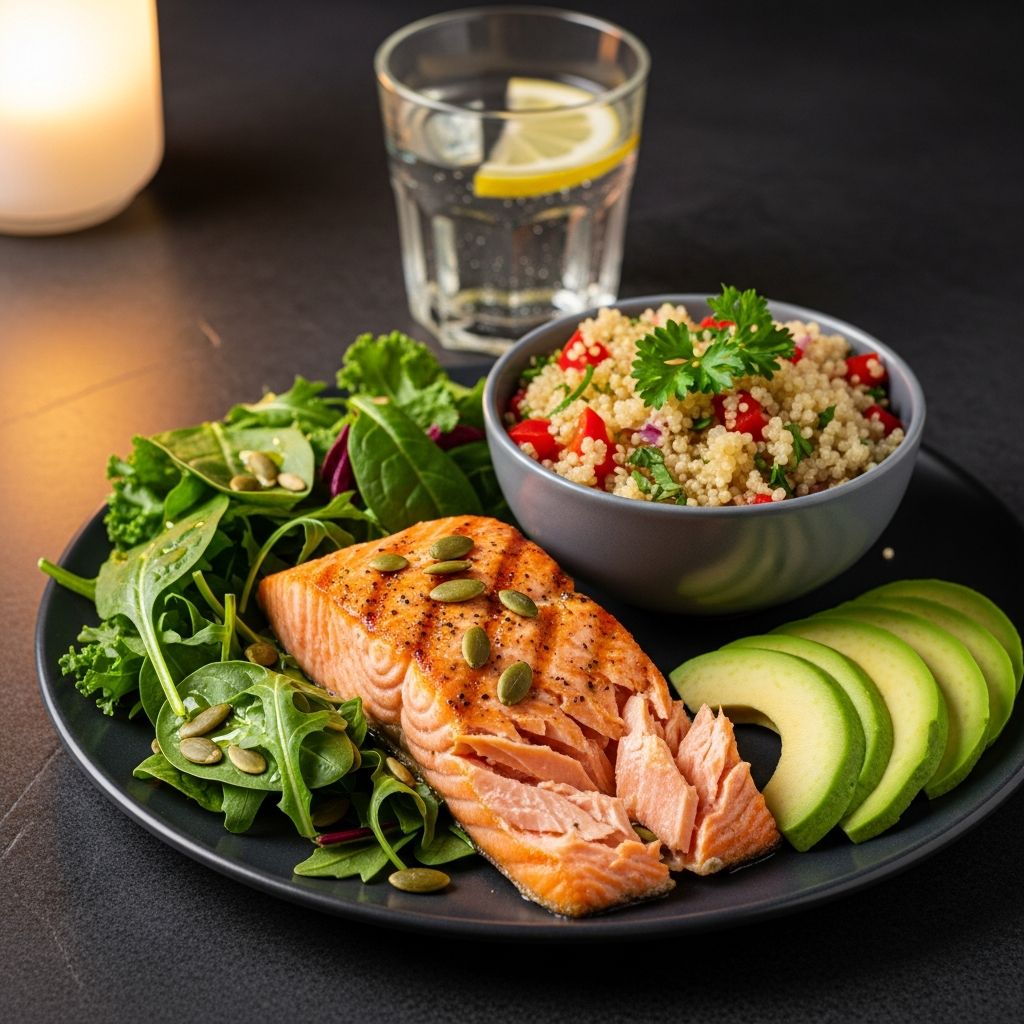
Lean protein paired with complex carbohydrates and minimal fat makes an ideal evening post-workout meal. Examples include grilled chicken breast with sweet potato and steamed broccoli, or salmon with brown rice and asparagus. These combinations provide 25–40 grams of protein, sufficient carbohydrates for glycogen restoration, and micronutrient-dense vegetables for complete nutritional support.
Timing: When to Eat After an Evening Workout
The timing window for post-workout nutrition significantly impacts recovery outcomes, particularly after evening exercise. Research on active individuals suggests that consuming a small, nutrient-dense, high-protein beverage or meal approximately 30 minutes to 2.5 hours post-exercise optimizes overnight muscle protein synthesis and next-morning resting metabolism.
For those training late in the evening or early morning after an overnight fast, pre-sleep nutrition becomes even more valuable. Consuming a balanced post-workout meal provides your muscles with building material throughout your entire sleep period, supporting continuous recovery when protein synthesis rates naturally peak.
Specialized Supplements for Evening Recovery
Beyond whole-food options, several supplements are specifically designed to support evening post-workout recovery:
Casein Protein: The Bedtime Protein
Casein protein is often called the “bedtime protein” because it digests slowly, releasing amino acids gradually throughout your sleep period. This sustained amino acid release makes casein ideal for post-evening workout consumption, as it continuously supplies your muscles with building blocks for protein synthesis during sleep. Research shows that consuming approximately 40 grams of casein protein 30 minutes before sleep significantly enhances overnight muscle protein synthesis.
Whey Protein
Whey protein provides high-quality, rapidly absorbed protein ideal for immediate post-workout consumption. While faster-digesting than casein, whey protein stimulates robust acute muscle protein synthesis when consumed within the first 1–2 hours after training.
Plant-Based Proteins
Plant-based proteins (from pea, hemp, and rice sources) offer excellent alternatives for vegans and those preferring plant-based nutrition. These proteins provide complete amino acid profiles and integrate well into evening post-workout meals without animal products.
Amino Acid Supplements
BCAA (branched-chain amino acids) and EAA (essential amino acids) contain free amino acids immediately available for muscle utilization. These supplements bypass digestion, making them useful for rapid amino acid delivery, particularly when consuming whole foods is impractical.
Gainers and Complex Formulas
Gainers combine protein, carbohydrates, and other nutrients into comprehensive formulations designed to support muscle growth through balanced macronutrient delivery. Complex all-in-one products offer convenience and ensure balanced nutrient intake without requiring meal preparation.
Creatine
Creatine supplementation may support recovery, strength improvements, and speed performance when combined with consistent training. While not a post-workout-specific supplement, creatine’s timing is flexible and can be incorporated into evening nutrition protocols.
Post-Evening Workout Nutrition for Muscle Gain
If your primary goal is building muscle mass, prioritizing post-workout nutrition becomes even more critical. To maximize muscle gain through evening workouts, focus on promoting muscle protein synthesis while avoiding muscle catabolism (muscle breakdown). Additionally, building new muscle requires your body to maintain a calorie surplus—consuming more energy than you expend—which supports anabolic processes.
The combination of adequate protein (20–40g), sufficient carbohydrates for energy and glycogen restoration, and a modest calorie surplus creates an optimal environment for muscle growth even with evening training. This approach contradicts the outdated myth that eating after 6 PM automatically results in fat storage; instead, properly timed post-evening workout nutrition directly supports your muscle-building objectives.
Practical Nutrition Guidelines for Evening Workouts
| Timing | Meal Type | Protein (g) | Carbs | Fats |
|---|---|---|---|---|
| Immediately Post-Workout (0–30 min) | Whey protein shake with banana | 25–30 | 40–50g carbs | Minimal |
| 30 min to 2.5 hours Pre-Sleep | Greek yogurt with berries and granola | 20–25 | 30–40g carbs | 3–5g fat |
| 30 min Before Sleep | Casein protein beverage | 40 | Minimal | Minimal |
Common Questions About Evening Workout Nutrition
Does eating after 6 PM make you gain fat?
The widely circulated myth that all food consumed after 6 PM is automatically stored as fat lacks scientific support. What matters for weight gain is total daily caloric intake relative to expenditure, not the timing of meals. Research confirms that consuming small, nutrient-dense meals (~150 kcals) after evening exercise does not cause problematic weight gain and may benefit muscle protein synthesis and metabolic health. Portion control and macronutrient quality matter far more than clock time.
Can I sleep well if I eat after an evening workout?
Yes, consuming appropriate post-workout nutrition after evening exercise need not disrupt sleep. The key is choosing easily digestible foods, limiting fat and fiber content close to bedtime, and allowing adequate time between eating and sleep—ideally 30 minutes to 2 hours depending on meal size and composition. Casein protein and Greek yogurt are particularly sleep-friendly options that support both recovery and rest quality.
What if I’m not hungry after my evening workout?
Post-workout appetite varies among individuals due to exercise intensity, type, and personal physiology. Even without hunger, consuming 150–200 calories of high-quality protein and carbohydrates supports optimal recovery. A small protein shake, Greek yogurt, or protein beverage requires minimal appetite and provides complete nutritional support for overnight muscle recovery.
How does evening workout nutrition differ from morning workouts?
Evening workout nutrition differs primarily in timing considerations and supplement choices. While morning workouts can accommodate larger meals with longer digestion windows, evening workouts benefit from lighter, more easily digestible options that don’t interfere with sleep. Casein protein becomes more valuable for evening workouts because its slow digestion aligns perfectly with your sleep period, continuously supplying amino acids for overnight muscle protein synthesis.
Key Takeaways for Evening Workout Nutrition
- Consume 20–40 grams of quality protein within 2.5 hours after evening workouts to optimize muscle protein synthesis and repair exercise-induced muscle damage
- Pair protein with complex carbohydrates to replenish glycogen stores and support energy availability for recovery and next-day performance
- Choose easily digestible, lower-fat protein sources to avoid disrupting sleep quality
- Consider casein protein or Greek yogurt as ideal evening post-workout options because they digest slowly and release amino acids throughout sleep
- Consume modest portions (~150–200 kcals) to support recovery without excessive calories before bed
- Include micronutrient-rich foods like fruits and vegetables to support comprehensive recovery and immune function
- Timing matters: consume post-workout nutrition within 30 minutes to 2.5 hours after training for optimal benefits
- Evening post-workout nutrition does not automatically lead to fat gain when portions are controlled and macronutrients are balanced
References
- Food After an Evening Workout: What (Not) to Eat Before Bedtime? — GymBeam. Accessed January 13, 2026. https://gymbeam.com/blog/10-tips-on-what-to-eat-after-training-when-you-exercise-before-bedtime/
- The Health Impact of Nighttime Eating: Old and New Perspectives — National Center for Biotechnology Information (NCBI/PMC). Accessed January 13, 2026. https://pmc.ncbi.nlm.nih.gov/articles/PMC4425165/
- Exactly What To Eat After A Workout At Night — MyProtein. Accessed January 13, 2026. https://us.myprotein.com/thezone/nutrition/what-to-eat-after-a-workout-at-night/
Similar Articles








Read full bio of medha deb