Nightshade Vegetables: What To Know About Benefits And Risks
Are nightshade vegetables like tomatoes and potatoes healthy or inflammatory? Uncover the facts, benefits, risks, and expert advice on including them in your diet.
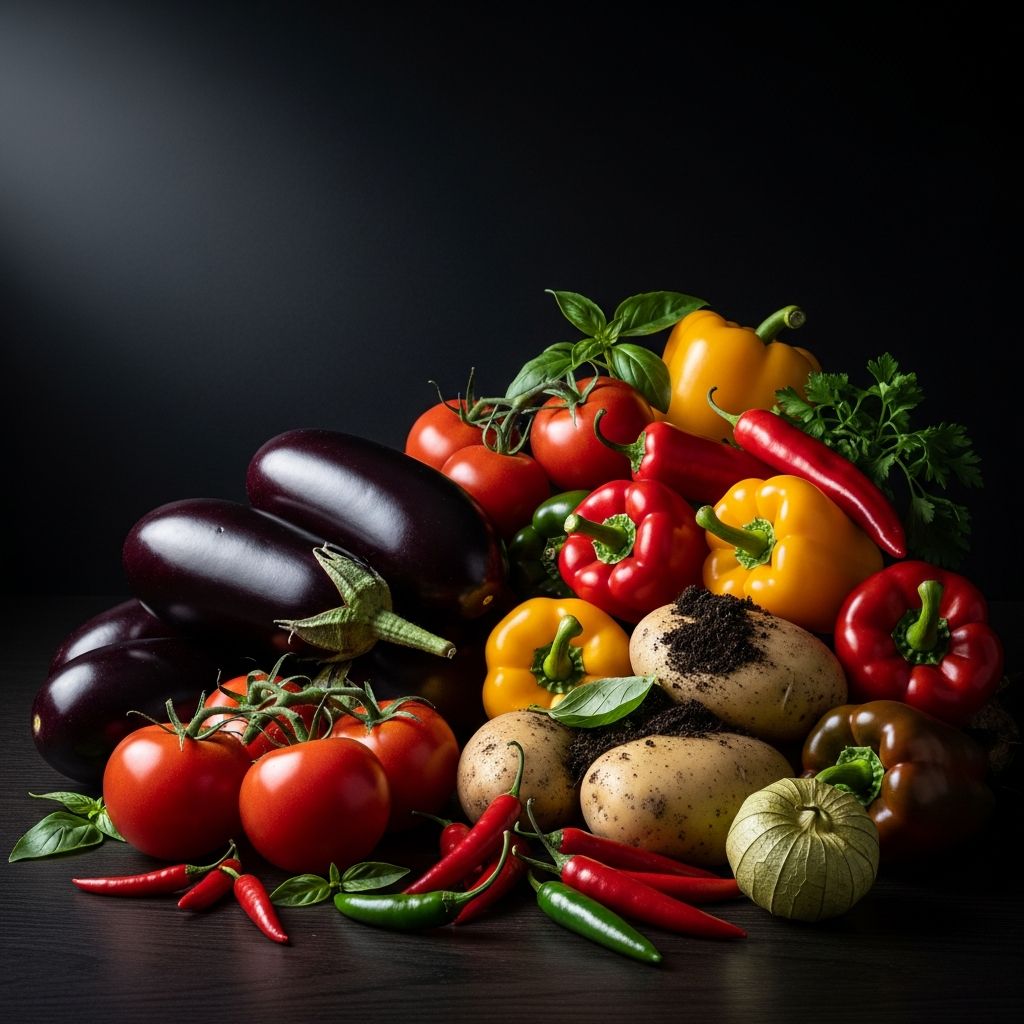
Nightshade vegetables, part of the Solanaceae plant family, include common foods like tomatoes, potatoes, eggplants, and peppers. These nutrient-dense foods offer vitamins, antioxidants, and fiber but have sparked debate over potential inflammatory effects in sensitive individuals.
What Are Nightshade Vegetables?
Nightshade vegetables belong to the Solanaceae family, which encompasses over 2,000 species, though only a fraction are edible. Edible nightshades are staples in global cuisines, from Italian pasta sauces to Indian curries, prized for their flavor and versatility.
The family name ‘nightshade’ evokes mystery due to toxic relatives like belladonna and tobacco, but commonly consumed varieties are safe and nutritious for most people. Alkaloids, nitrogen-containing compounds like solanine and capsaicin, naturally occur in nightshades as a defense against pests. Levels are low in ripe, edible parts—well below toxicity thresholds—but higher in green potatoes, sprouts, or unripe tomatoes.
Common Examples of Nightshade Vegetables
- Tomatoes: Versatile in salads, sauces, and soups; rich in lycopene.
- Potatoes: All varieties except sweet potatoes; a dietary staple worldwide.
- Eggplants (Aubergines): Used in dishes like baba ganoush and parmigiana.
- Bell Peppers: Red, yellow, green; add color and crunch to meals.
- Chili Peppers and Hot Varieties: Source of capsaicin for spice and heat.
- Others: Tomatillos, goji berries, husk cherries, paprika, cayenne, and pimento.
These foods are technically fruits botanically (developing from flowers with seeds) but treated as vegetables culinarily.
Health Benefits of Nightshade Vegetables
Despite concerns, nightshades are packed with essential nutrients supporting heart health, immune function, digestion, and disease prevention. Their phytonutrients and antioxidants combat oxidative stress and inflammation.
- Rich in Antioxidants: Tomatoes provide lycopene, linked to reduced heart disease risk. Purple potatoes and eggplants offer anthocyanins, protecting cells from damage.
- Vitamins and Minerals: High in vitamin C (peppers, tomatoes), potassium (potatoes, tomatoes), vitamin A precursors (carotenoids in peppers), and manganese (eggplants). These bolster immunity, eye health, and muscle function.
- Dietary Fiber: Promotes gut health, blood sugar control, and cardiovascular wellness by aiding digestion and cholesterol management.
- Anti-Inflammatory Potential: Studies indicate purple potatoes and goji berries may reduce inflammation and improve gut barrier function, countering some myths.
For example, one medium tomato delivers over 20% of daily vitamin C needs, while a baked potato provides more potassium than a banana. Regular consumption aligns with diets like Mediterranean, associated with longevity and lower chronic disease rates.
Are Nightshades Inflammatory? The Science Explained
Claims that nightshades universally cause inflammation stem from their glycoalkaloids (solanine, chaconine, capsaicin). In high doses, these can be toxic, but edible nightshades contain trace amounts—far below harmful levels for most.
Anecdotal reports link nightshades to worsened arthritis, joint pain, and autoimmune flares, but scientific evidence is limited and largely unsupportive. No large-scale studies confirm causation; symptoms may arise from individual sensitivities rather than universal effects.
Related Stories



Experts like Edwin McDonald IV, MD, from UChicago Medicine, note alkaloids in edible nightshades rarely cause issues, unlike toxic plants. Registered dietitian Amanda Spina emphasizes their anti-inflammatory antioxidants often outweigh risks.
However, sensitive individuals—possibly 1-2% of the population—report benefits from elimination. Factors include gut permeability, genetics, or lectin content (proteins some claim irritate intestines, though cooking mitigates this).
Who Should Avoid Nightshade Vegetables?
Most people tolerate nightshades well, but certain groups may benefit from caution or elimination:
- Arthritis Sufferers: Anecdotal relief from joint pain, though not proven.
- Autoimmune Conditions: Like rheumatoid arthritis, IBD, or psoriasis; alkaloids may exacerbate in hypersensitive cases.
- Gut Issues: IBS, leaky gut; potential digestive upset from alkaloids or fiber.
- Nightshade Allergy/Intolerance: Rare true allergies (IgE-mediated) cause hives, swelling, anaphylaxis. Intolerances manifest as bloating, headaches, fatigue.
Symptoms of sensitivity include gastrointestinal distress, skin rashes, joint stiffness, or migraines post-consumption. Vulnerable groups: those with histamine intolerance or FODMAP sensitivities.
How to Test for Nightshade Sensitivity
Diagnosing nightshade issues requires systematic approaches, as symptoms overlap with other conditions.
- Food Diary: Track intake and symptoms for 1-2 weeks to spot patterns.
- Elimination Diet: Remove all nightshades for 4-6 weeks, then reintroduce one at a time (e.g., tomatoes first). Monitor symptoms; maintain consistent diet otherwise.
- Allergy Testing: Skin prick or blood tests (IgE) for true allergies. Stool analysis or oral challenges for intolerances.
- Professional Guidance: Consult a dietitian or allergist; self-testing risks nutritional gaps.
During elimination, replace nutrients to avoid deficiencies. Reintroduction helps confirm triggers without unnecessary long-term avoidance.
Nightshade-Free Alternatives and Substitutes
Avoiding nightshades doesn’t mean sacrificing nutrition. Swap with these equivalents:
| Nightshade | Alternatives | Key Nutrients Provided |
|---|---|---|
| Tomatoes | Citrus (oranges, lemons), carrots, beets | Vitamin C, lycopene-like antioxidants |
| Potatoes | Sweet potatoes, yams, parsnips, cauliflower | Potassium, fiber, carbs |
| Eggplants | Zucchini, squash, portobello mushrooms | Fiber, manganese |
| Peppers | Broccoli, leafy greens (kale, spinach), celery | Vitamin C, carotenoids |
| Spices (paprika, chili) | Turmeric, ginger, cumin, black pepper | Flavor, anti-inflammatory compounds |
Tips: Use lemon juice or vinegar for sauces; opt for ripe produce and cook nightshades to lower alkaloids; peel potatoes and remove green parts.
Tips for Enjoying Nightshades Safely
- Cook thoroughly: Heat breaks down alkaloids and lectins, improving digestibility.
- Choose ripe: Unripe forms have higher glycoalkaloids.
- Peel and deseed if sensitive: Concentrated in skins/seeds.
- Moderate portions: Balance with diverse veggies.
- Monitor personally: Most thrive on nightshades; adjust based on response.
Frequently Asked Questions (FAQs)
What are nightshade vegetables?
They are plants in the Solanaceae family, including tomatoes, potatoes, eggplants, peppers, and chilies—nutrient-rich but containing alkaloids.
Do nightshades cause inflammation?
Largely anecdotal; scientific evidence doesn’t support broad inflammation, but some experience joint or gut issues.
Can nightshades worsen arthritis?
Possible in sensitive people, but studies lack confirmation. Elimination diets help test individually.
How do you do a nightshade elimination diet?
Remove for 4+ weeks, reintroduce singly while tracking symptoms. Seek professional advice.
Are nightshade allergies common?
Rare; intolerances more frequent, causing GI or joint symptoms rather than anaphylaxis.
Are sweet potatoes nightshades?
No, they belong to Convolvulaceae family—safe alternative.
Key Takeaways
- Nightshades offer fiber, vitamins, and antioxidants for most people’s health.
- Sensitivities affect few; test via elimination if symptomatic.
- Alternatives abound for balanced nutrition without nightshades.
- Consult experts before major diet changes.
References
- What Are Nightshade Vegetables, and Who Should Stop Eating Them — Rupa Health. 2023. https://www.rupahealth.com/post/what-are-nightshade-vegetables-and-who-should-stop-eating-them
- Shining a Light on Nightshade Vegetables — Chicago Health Online. 2023. https://chicagohealthonline.com/shining-a-light-on-nightshade-vegetables/
- Nightshade Vegetables: Risks, Examples, and Substitutes — Healthline. 2023. https://www.healthline.com/nutrition/nightshade-vegetables
- What You Should Know About Nightshade Vegetables — Banner Health. 2023. https://www.bannerhealth.com/healthcareblog/teach-me/what-you-should-know-about-nightshade-vegetables
- Nightshade allergy: Symptoms, diagnosis, and intolerances — Medical News Today. 2023. https://www.medicalnewstoday.com/articles/321883
- How Nightshades Affect Arthritis — Arthritis Foundation. 2023. https://www.arthritis.org/health-wellness/healthy-living/nutrition/anti-inflammatory/how-nightshades-affect-arthritis
Similar Articles








Read full bio of Sneha Tete