Nilotinib Capsules: 11 Side Effects, Dosing, Safety
Essential guide to nilotinib (Tasigna) for treating Philadelphia chromosome-positive chronic myeloid leukemia in adults and children.

Chronic myeloid leukaemia drugs
Nilotinib, marketed as Tasigna, is a targeted therapy medication specifically designed for treating Philadelphia chromosome-positive chronic myeloid leukemia (Ph+ CML). This condition involves abnormal white blood cells produced due to a genetic abnormality known as the Philadelphia chromosome. Nilotinib belongs to a class of drugs called tyrosine kinase inhibitors (TKIs), which block the Bcr-Abl protein kinase responsible for uncontrolled cancer cell growth[10]. Approved for both newly diagnosed and resistant/intolerant cases, it offers an effective oral treatment option for adults and children aged 1 year and older.
Treatment with nilotinib requires specialist oversight, regular monitoring through blood tests and ECGs, and strict adherence to dosing instructions to maximize efficacy and minimize risks. This guide covers everything from administration to potential side effects, ensuring patients understand how to use it safely.
About nilotinib capsules
Nilotinib capsules target the underlying cause of Ph+ CML by inhibiting the Bcr-Abl tyrosine kinase enzyme produced by leukemia cells with the Philadelphia chromosome. This action prevents cancer cells from multiplying uncontrollably, helping to achieve disease control and improve survival outcomes without necessarily curing the leukemia.
The medication is indicated for:
- Adult and pediatric patients (1 year and older) with newly diagnosed Ph+ CML in chronic phase (CML-CP).
- Adult and pediatric patients (1 year and older) with resistant or intolerant Ph+ CML-CP or accelerated phase (CML-AP).
Clinical trials demonstrate high response rates: in newly diagnosed patients, major molecular response rates exceed those of other TKIs like imatinib, with median treatment durations supporting long-term management. For resistant cases, it provides an alternative when prior therapies fail[10]. Nilotinib is not indicated for blast phase CML or other leukemias.
Before taking nilotinib capsules
Your specialist will assess suitability based on your CML phase, prior treatments, heart health, liver function, and electrolyte levels. Key precautions include:
- Heart conditions: Avoid if you have long QT syndrome, hypokalemia, hypomagnesemia, or recent heart issues. Tasigna can prolong QTc interval, risking torsades de pointes.
- Lactose intolerance: Capsules contain lactose; mild cases may tolerate it, but severe intolerance requires alternatives.
- Pregnancy/fertility: Contraindicated in pregnancy (embryofetal toxicity); use effective contraception. May impair male fertility.
- Surgery: Inform surgeons of Tasigna use due to poor wound healing and vascular risks.
- Drug interactions: Avoid strong CYP3A4 inhibitors/inducers, QT-prolonging drugs, and certain antacids.
Baseline tests: ECG, blood counts, electrolytes, liver enzymes, and pancreatic function.
How to take nilotinib capsules
Nilotinib is taken orally twice daily, approximately 12 hours apart, on an empty stomach. Swallow capsules whole with water; do not open or chew.
| Patient Group | Recommended Dose |
|---|---|
| Newly diagnosed Ph+ CML-CP (adults/children ≥1 year) | 300 mg twice daily |
| Resistant/intolerant Ph+ CML-CP or CML-AP (adults/children ≥1 year) | 400 mg twice daily |
Food restrictions: No food for at least 2 hours before and 1 hour after dosing to ensure optimal absorption. Grapefruit, Starfruit, and pomegranate juice are prohibited.
Dose adjustments for toxicities:
- QTcF >480 msec: Withhold; resume at 300 mg twice daily if ≤450 msec (newly diagnosed) or ≤440 msec (resistant).
- Myelosuppression (ANC <1000/μL, platelets <50,000/μL): Withhold until recovery; resume at lower dose.
- Hepatic impairment: Reduce to 300 mg twice daily for moderate (Child-Pugh B); avoid in severe (Child-Pugh C).
Related Stories



Regular monitoring: Blood tests every 2 weeks initially, ECG at baseline, 7 days, and after adjustments.
Getting the most from your treatment
Compliance is critical for sustained response. Take doses consistently, even if feeling well, as CML requires lifelong management. Track doses with reminders; report missed doses promptly—do not double up.
Lifestyle advice:
- Maintain hydration and a balanced diet avoiding restricted foods.
- Avoid sun exposure if rash develops; use sunscreen.
- Exercise moderately but avoid if fatigued.
- Inform all healthcare providers of Tasigna use.
Response monitoring via PCR tests assesses molecular response; treatment may continue indefinitely if benefiting.
Side-effects
Common side effects (≥20% incidence) include rash, nausea, pruritus, headache, fatigue, vomiting, diarrhea, abdominal pain, constipation, musculoskeletal pain, and anemia. Most are mild-moderate and manageable.
| Side Effect | Frequency | Management |
|---|---|---|
| Rash, itching, dry skin | Common | Moisturize; antihistamines; severe cases—dose hold |
| Nausea, vomiting, diarrhea | Common | Antiemetics; small bland meals; hydration |
| Headache, muscle/joint pain | Common | Paracetamol; rest |
| Fatigue | Common | Pace activities; adequate sleep |
| Hair loss | Less common | Cosmetic options; reversible |
Serious risks (requires immediate medical attention):
- QT prolongation: Dizziness, fainting, irregular heartbeat.
- Myelosuppression: Fever, bleeding, infections.
- Vascular events: Chest pain, leg pain, stroke symptoms.
- Fluid retention: Swelling, shortness of breath.
- Pancreatitis: Severe abdominal pain.
- Hemorrhage: Unusual bleeding.
In trials, pleural/pericardial effusions occurred in 1-2%, GI hemorrhage in 0.4%. Pediatric data mirror adults.
If you take too many capsules (overdose)
Overdose may cause severe myelosuppression, QT prolongation, or hepatic toxicity. Seek emergency care; treatment is supportive with ECG monitoring, electrolytes, and blood counts.
Stopping the medicine
Do not stop without specialist advice, as CML may progress. Some patients achieving deep molecular response may trial discontinuation under monitoring, but relapse risk exists.
More information on nilotinib capsules
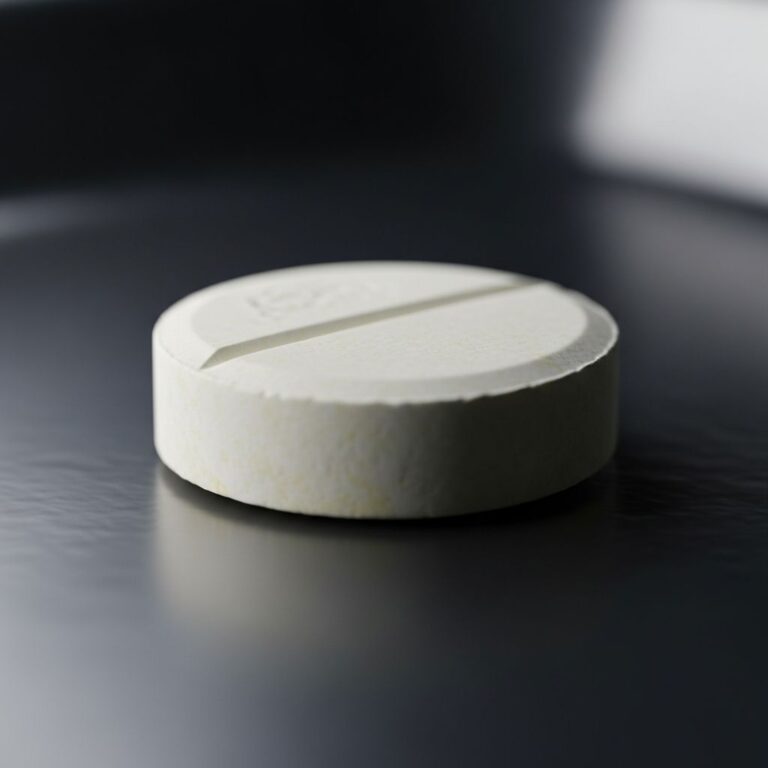
Tasigna capsules: 150 mg and 200 mg strengths, opaque red/yellow hard gelatin. Store at room temperature. Novartis manufactures; full prescribing info via FDA. EMA orphan designation for rare CML. Ongoing monitoring ensures safety.
Frequently Asked Questions
Can I take Tasigna with food?
No. Take on an empty stomach: 2 hours before and 1 hour after food to avoid reduced absorption.
What if I miss a dose?
Take as soon as remembered unless near next dose; skip if so. Do not double.
Is Tasigna safe in pregnancy?
No; causes fetal harm. Use contraception during and post-treatment.
How often are blood tests needed?
Every 2 weeks initially for counts; monthly for liver function.
Can children take Tasigna?
Yes, from 1 year old for specified indications; dosing by body surface area in some cases.
What foods to avoid?
Grapefruit products, Seville oranges, starfruit; they interact with metabolism.
References
- Tasigna (nilotinib) Capsules Label — U.S. Food and Drug Administration. 2010-08-13. https://www.accessdata.fda.gov/drugsatfda_docs/label/2010/022068s004s005lbl.pdf
- Nilotinib capsules – Tasigna — Patient.info. Accessed 2026. https://patient.info/medicine/nilotinib-capsules-tasigna
- Tasigna Patient Medication Guide — Novartis Pharmaceuticals. Accessed 2026. https://www.novartis.com/us-en/sites/novartis_us/files/tasigna_pmg.pdf
- Tasigna | European Medicines Agency (EMA) — European Medicines Agency. Accessed 2026. https://www.ema.europa.eu/en/medicines/human/EPAR/tasigna
- Nilotinib (oral route) — Mayo Clinic. Accessed 2026. https://www.mayoclinic.org/drugs-supplements/nilotinib-oral-route/description/drg-20071399
Similar Articles








Read full bio of Sneha Tete