Nipple Anatomy: Types, Functions, And When To See A Doctor
Complete guide to nipple anatomy, function, and variations explained by medical experts.
Your nipple is the small, sensitive structure located at the center of each breast. While nipples are often visible and recognizable, many people don’t fully understand their complex anatomy or the important functions they serve. From breastfeeding to sensory pleasure, nipples play multiple vital roles in human physiology. This comprehensive guide explores nipple anatomy, structural variations, and what changes might warrant medical attention.
What Is a Nipple?
Your nipple is the tiny structure that marks the center of your breast. You typically have one nipple on each side of your chest. Nipples usually stick out a bit, but they may also be flat or point inward. A round, darker-colored area of skin, called your areola, surrounds your nipple. Together, your nipple and areola make up what healthcare providers call your nipple-areolar complex (NAC).
The nipple itself is a remarkably complex structure composed of multiple tissue types working in harmony. Understanding this anatomy helps explain why nipples function as they do and why variations occur among individuals.
Nipple Anatomy and Structure
Components of the Nipple
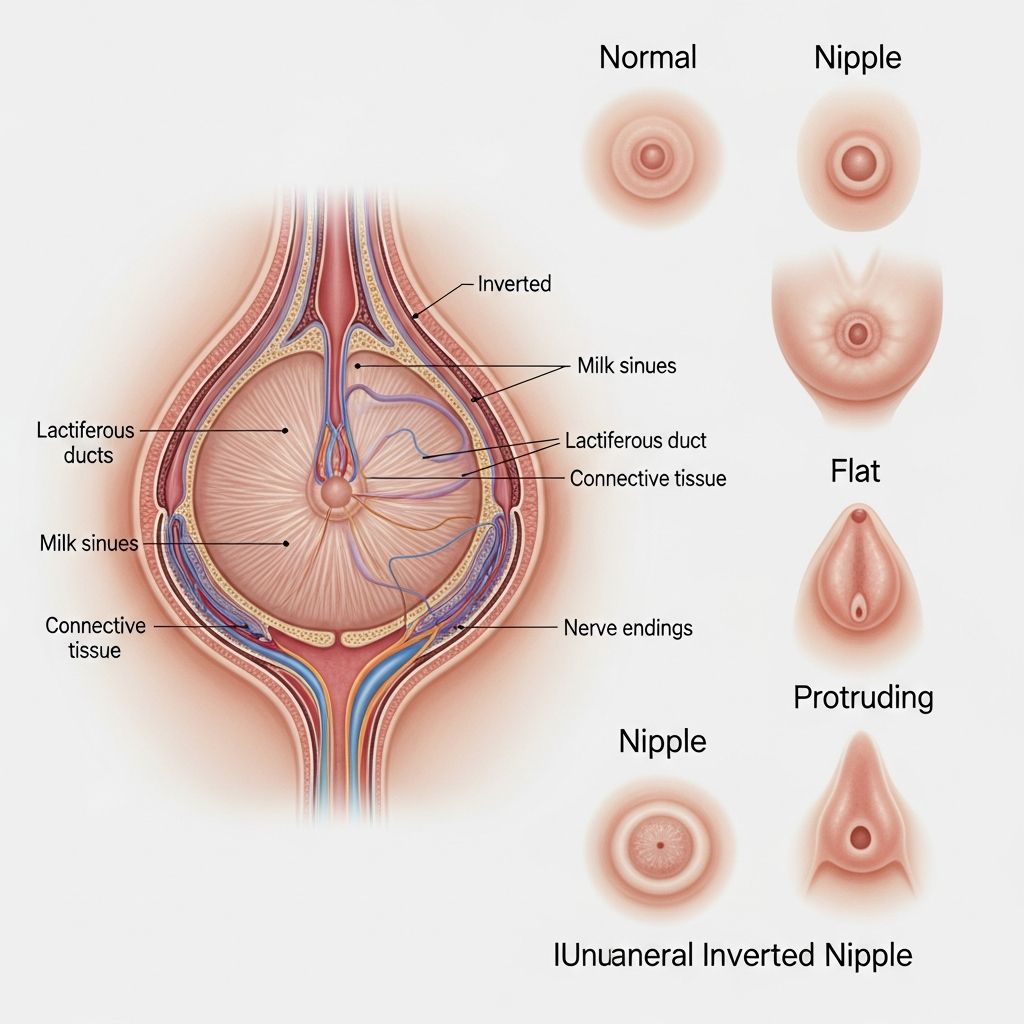
Your nipple is made up of smooth muscle fibers, connective tissue and milk ducts (tubes that carry milk). Each nipple has about nine small openings (orifices) where milk comes out. It also has hundreds of nerves, which provide sensation. This dense network of nerves explains why the nipple is one of the most sensitive areas of the body.
The smooth muscle fibers in the nipple can contract in response to various stimuli, including touch, temperature changes, and emotional responses. This contractility is essential for milk ejection during breastfeeding and contributes to the aesthetic and functional changes nipples undergo throughout life.
The Areola
The areola is the round, darker-colored area of skin surrounding the nipple. Circular and radiating muscles in the areola cause the nipple to become firm and erect upon tactile stimulation; this facilitates suckling. The areola also contains sebaceous glands to provide lubrication for the nipple during nursing.
The areola typically measures larger than the nipple itself and contains specialized glands that produce oils to keep the area moisturized during breastfeeding. The pigmentation of the areola often darkens during pregnancy and may remain darker even after breastfeeding ends.
Milk Ducts and Internal Structure
Each breast lobe is drained by a separate excretory duct. These converge beneath the nipple, where they widen into milk reservoirs, before narrowing again to emerge as pinpoint openings at the summit of the nipple. This internal architecture ensures efficient milk delivery during lactation.
Interspersed with the milk-producing cells are smooth muscle cells, which can contract and assist in the ejection of milk. The acini (milk-producing structures) are collapsed or filled with desquamated epithelium (epithelium that has been shed), until the stimulus of pregnancy causes proliferation of all the epithelial cells.
Nipple Size and Appearance
Related Stories



On average, nipples are 10 to 12 millimeters wide and stick out 9 to 10 millimeters from surrounding skin. However, significant variation exists among individuals, and this variation is completely normal.
Normal Variations in Nipple Appearance
Nipple appearance can vary from person to person — some people have protruding nipples, while others have flat or inverted nipples. These variations occur due to differences in underlying tissue structure, milk duct configuration, and ligament attachments. Some common variations include:
- Protruding Nipples: The most common type, these nipples project outward from the breast in normal circumstances.
- Flat Nipples: These nipples appear more level with the surrounding areola and may not protrude significantly.
- Inverted Nipples: These nipples point inward due to shorter milk ducts or ligaments pulling the tissue inward. Inverted nipples can be temporary (becoming erect with stimulation) or permanently inverted.
The color of nipples also varies considerably among individuals, ranging from light pink to dark brown, influenced by genetics, ethnicity, and hormonal factors. During pregnancy and lactation, nipples often become darker and more prominent.
Functions of the Nipple
Breastfeeding
Your nipple plays a vital role in breastfeeding. Your baby latches onto your nipple and areola, and tiny openings in your nipple release milk to nourish your baby. During breastfeeding, a baby’s suction stimulates nerves in the nipple, which sends signals to the brain to release hormones that promote milk production and ejection.
The anatomy of the nipple-areolar complex is specifically designed for efficient milk transfer. The areola provides a larger surface area for the baby to latch onto, while the nipple delivers milk through multiple ducts. Proper latch and positioning are essential for successful breastfeeding and can prevent complications such as nipple soreness or engorgement.
Sensory and Sexual Function
Nipples can also play a role in sexual pleasure for all people. The hundreds of nerves present in each nipple make them highly sensitive to touch and temperature. This sensory richness contributes to sexual arousal and pleasure across all genders. Male and female breast nipples have many nerves that enhance sexual arousal.
Thermoregulation and Protection
The ability of nipples to become erect in response to temperature changes and tactile stimulation serves protective and thermoregulatory functions. This response helps maintain body heat and can indicate arousal or emotional states.
Nipple Changes During Life Stages
During Puberty
During puberty, nipples undergo significant changes as breast tissue develops. The areola typically enlarges and may darken in color. Nipple sensitivity often increases due to hormonal changes and the development of underlying breast tissue.
During Pregnancy
Pregnancy causes dramatic changes to the breast and nipple. The breast becomes enlarged, tense, and sensitive, and the areola widened and more deeply pigmented. Nipples may become more pronounced and sensitive as the body prepares for breastfeeding. These changes are driven by hormonal shifts, particularly increased levels of estrogen and progesterone.
During Lactation
During breastfeeding, nipples are subject to frequent stimulation and potential irritation. The skin may become dry, cracked, or sore if proper latch and care techniques aren’t employed. Nipple sensation increases dramatically to accommodate the constant stimulus of breastfeeding.
After Menopause
Following menopause, hormonal changes can affect nipple appearance and sensitivity. The areola may lighten in color, and nipple projection may decrease slightly. Overall breast tissue may become less dense and more prone to sagging.
When to Seek Medical Attention
While nipple variations are normal, certain changes warrant medical evaluation. You should contact a healthcare provider if you notice any changes to how your nipple (or any part of your breast) looks or feels.
Concerning Nipple Changes
- Sudden inversion of a previously protruding nipple
- Unexplained discharge from the nipple, especially if bloody or clear
- Persistent redness, swelling, or pain in the nipple or areola
- Rashes, scaling, or lesions that don’t resolve within two weeks
- Dimpling or puckering of the skin around the nipple
- Unusual lumps or thickening in the breast or nipple area
- Nipple sensation changes or numbness
Conditions Affecting Nipples
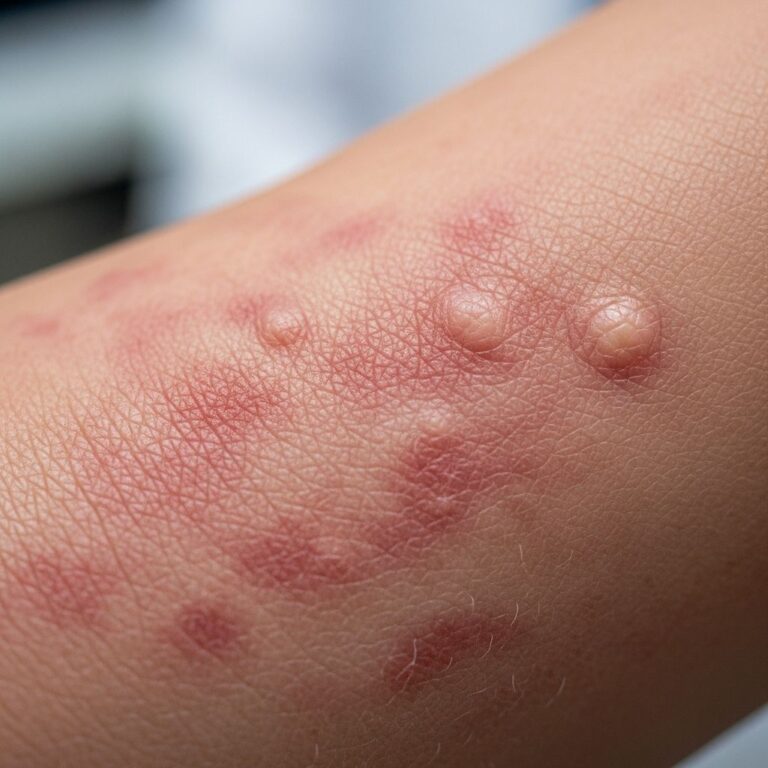
Various conditions can affect nipple health and appearance. Eczema on nipples causes an itchy, red, scaly rash on your nipples and areola (the darker circle around the nipple). Other conditions including thrush, mastitis, or dermatitis may also cause nipple discomfort or visible changes.
Nipple Reconstruction Surgery
For individuals who have undergone mastectomy or have other reasons to seek nipple reconstruction, modern surgical techniques offer excellent options. Nipple reconstruction is considered one of the final touches in breast reconstruction.
Reconstruction Techniques
A projecting nipple may be created using a small flap of breast tissue that will be folded upon itself. Other less common methods include the use of tissue grafts taken from distant areas of the body including the opposite nipple. Some surgeons will recommend a combination of flaps and grafts to produce a projecting nipple.
The areola is a pigmented circular area surrounding the projecting nipple. This structure may be recreated by placing a skin graft, often taken from the inner thigh or lower abdomen. While this may leave a small scar at the place the graft was removed, a skin graft reconstruction may provide the most aesthetically pleasing areola with natural pigmentation and color contrast with the breast skin.
Recovery and Outcomes
Both nipple reconstruction and areolar reconstruction using grafts may be performed at the same time as one another in a brief outpatient procedure requiring minimal anesthesia. Recovery time is typically one to two weeks, with most of the attention focused on dressing care.
Frequently Asked Questions About Nipples
Q: Are inverted nipples a sign of a medical problem?
A: Inverted nipples are typically a normal anatomical variation present from birth. However, if a nipple becomes newly inverted in adulthood, it’s important to see a healthcare provider for evaluation, as this could indicate an underlying issue.
Q: Can nipple appearance change over time?
A: Yes, nipple appearance naturally changes throughout life due to hormonal fluctuations, aging, pregnancy, and breastfeeding. These changes are usually normal and expected.
Q: Why do nipples get hard or erect?
A: Nipples become erect in response to touch, temperature changes, emotional states, or sexual arousal. This occurs due to smooth muscle contraction in response to nerve stimulation.
Q: What should I do if my nipple is leaking fluid?
A: While some nipple discharge is normal (especially during pregnancy or if you’ve recently breastfed), persistent or spontaneous discharge, particularly if it’s bloody or from only one breast, should be evaluated by a healthcare provider.
Q: How can I care for sore or cracked nipples during breastfeeding?
A: Proper latch technique is essential to prevent nipple damage. Use lanolin or nipple cream, ensure adequate hydration, and allow nipples to air dry between feedings. If soreness persists, consult a lactation specialist or healthcare provider.
Q: Is nipple piercing safe?
A: Nipple piercing carries risks including infection, milk duct damage (if you plan to breastfeed), and complications during surgery. If you’re considering nipple piercing and may breastfeed in the future, discuss this with your healthcare provider first.
Q: Do men have nipples that function like women’s nipples?
A: While male nipples are structurally similar to female nipples and contain the same sensory nerves, they don’t typically produce milk. Males have gynecomastia glandular tissue and fatty tissue with underdeveloped milk ducts.
Conclusion
The nipple is far more than just an aesthetic feature—it’s a complex anatomical structure with multiple important functions. From breastfeeding to sensory pleasure, nipples are essential to human health and well-being. Understanding normal nipple anatomy and variations helps you recognize what’s typical for your body and identify when changes might warrant professional evaluation. If you notice any unusual changes in your nipples or have concerns about their appearance or function, don’t hesitate to consult with a healthcare provider who can provide personalized guidance and treatment options.
References
- Mammary gland | Structure, Function & Development — Britannica. Accessed December 1, 2025. https://www.britannica.com/science/mammary-gland
- Breast Reconstruction Options — Cleveland Clinic. Accessed December 1, 2025. https://my.clevelandclinic.org/departments/dermatology-plastic-surgery/depts/breast-reconstruction
- Nipple: Anatomy & Types — Cleveland Clinic. Accessed December 1, 2025. https://my.clevelandclinic.org/health/body/nipple
- Breast Anatomy: Milk Ducts, Tissue, Conditions & Physiology — Cleveland Clinic. Accessed December 1, 2025. https://my.clevelandclinic.org/health/articles/8330-breast-anatomy
- Eczema on Nipples: Symptoms, Causes & Treatment — Cleveland Clinic. Accessed December 1, 2025. https://my.clevelandclinic.org/health/diseases/22105-eczema-on-nipples
Similar Articles








Read full bio of Sneha Tete