Nipple Eczema Images: 5 Clinical Photos And Treatment Tips
Explore detailed images and clinical insights into nipple eczema, its causes, symptoms, diagnosis, and effective treatments for this common skin condition.
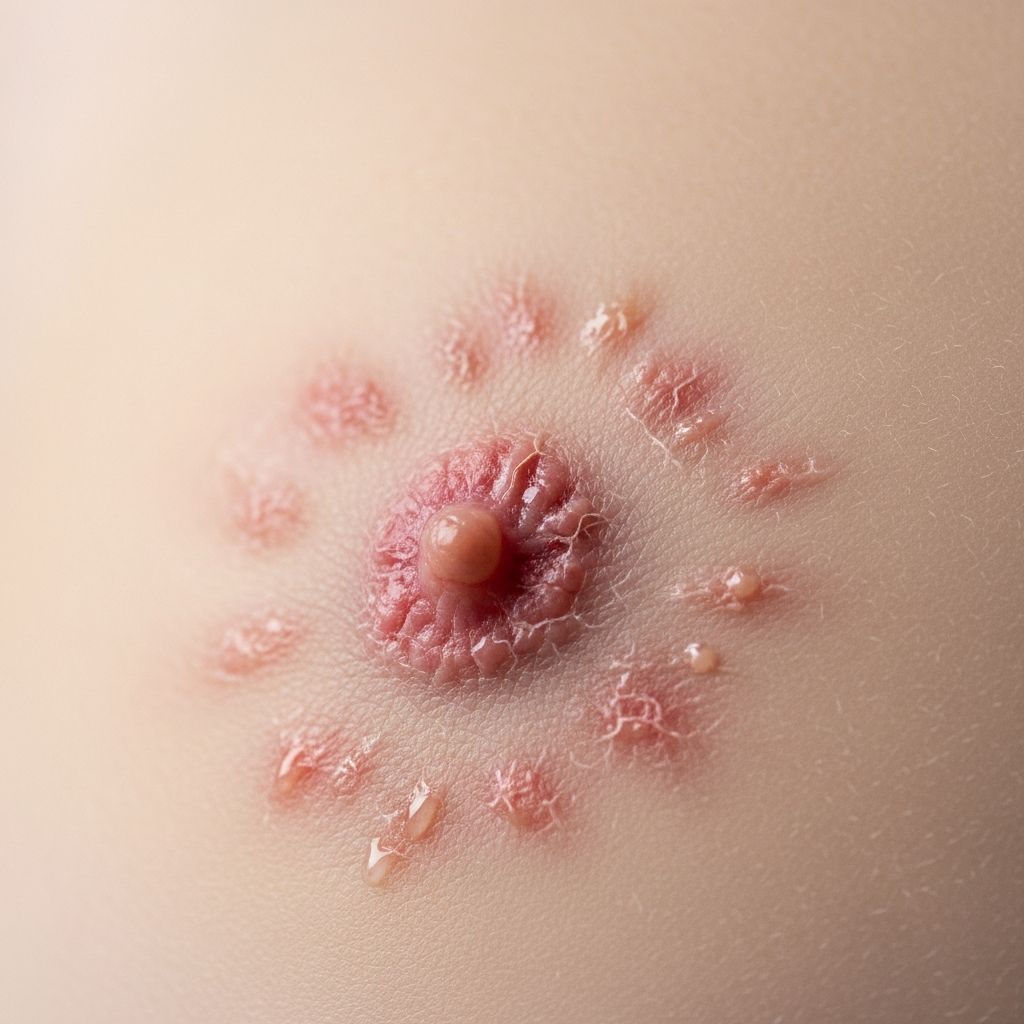
Nipple eczema is a localised form of dermatitis affecting the nipple and areola, characterised by redness (erythema), scaling, itching, and sometimes pain. It can occur as part of widespread atopic dermatitis or in isolation due to irritants or allergens. This article presents clinical images alongside detailed explanations of causes, symptoms, diagnosis, and management.
Introduction
Nipple eczema, also known as nipple and areola dermatitis, primarily involves the skin of the areolae, often sparing the nipple itself and rarely extending to surrounding breast skin. It manifests with erythema, scaling, dryness, and itchiness, which can be particularly distressing for breastfeeding women due to pain during nursing. Genetic predisposition combined with environmental triggers like friction from clothing, soaps, or allergens drives this condition. Early recognition and treatment are crucial to prevent complications and maintain quality of life.
Demographics
Nipple eczema affects women across all ages but is notably common in breastfeeding mothers, where moisture, friction, and saliva from the infant exacerbate irritation. It occurs in about 6-48% of lactating women, often resolving post-weaning but prone to recurrence. Non-breastfeeding cases link to atopic backgrounds, with family history of eczema, asthma, or hay fever increasing risk. Men rarely experience it, though isolated reports exist in atopic individuals.
Causes
The aetiology of nipple eczema is multifactorial, stemming from:
- Atopic dermatitis: Genetic skin barrier defects lead to widespread or localised eczema, with nipple involvement following classic patterns.
- Irritant contact dermatitis: Frequent exposure to soaps, detergents, fragrances, or rough fabrics causes cumulative damage.
- Allergic contact dermatitis: Allergens like nickel in bras, lanolin in creams, or rubber cause hypersensitivity reactions.
- Other triggers: Hormonal changes, stress, sweat, and breastfeeding-related moisture.
Avoiding these precipitants is foundational to management.
Clinical Features
Symptoms typically include:
- Erythema and scaling on the areola, often sparing the nipple base.
- Intense pruritus leading to scratching and worsening.
- Dryness, fissuring, crusting, or oozing in severe cases.
- Pain, especially during lactation.
Image Descriptions (Clinical Examples):
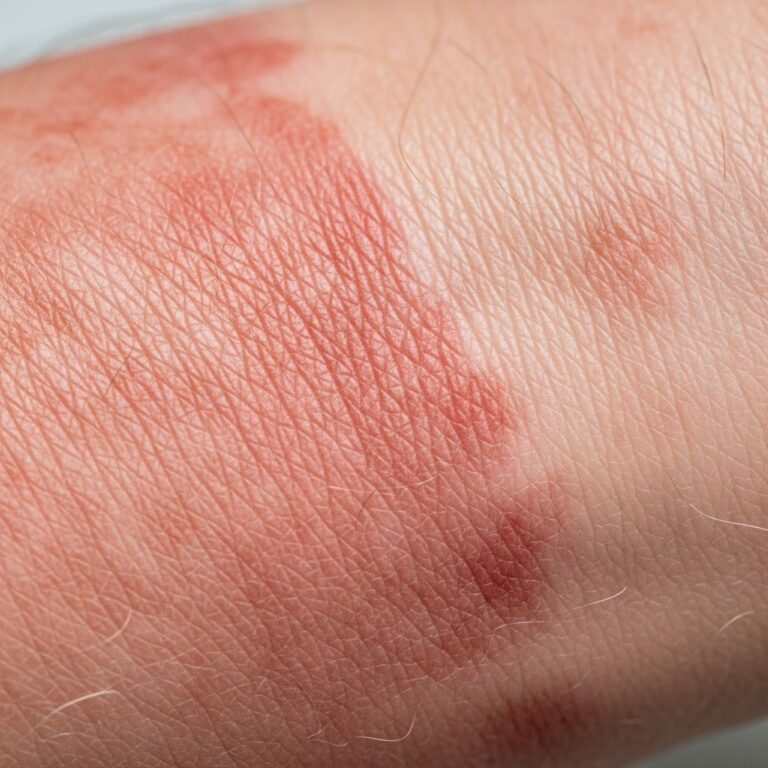
- Figure 1: Bilateral areolar erythema with fine scaling and mild fissuring in a lactating woman, consistent with irritant dermatitis from nursing.
- Figure 2: Unilateral nipple-areola involvement with vesicles and crusting, atopic pattern in a non-pregnant adult.
- Figure 3: Hyperkeratotic plaques on the areola with central clearing, allergic contact type.
- Figure 4: Erosive nipple eczema with secondary infection signs (pustules), requiring antibiotics alongside steroids.
- Figure 5: Chronic lichenified skin on areola from repeated scratching, showing thickened leathery texture.
These images highlight variability; thin areolar skin absorbs treatments readily but is prone to irritation.
Complications
Untreated nipple eczema risks:
- Secondary bacterial or candidal infections from fissuring.
- Painful breastfeeding leading to early weaning.
- Scarring or post-inflammatory pigmentation changes.
- Psychological distress from chronic itch and cosmetic concerns.
Related Stories



Liberal emollients prevent dryness-related complications.
Diagnosis
Diagnosis is clinical, based on history and examination showing characteristic areolar involvement without nipple inversion or discharge suggesting malignancy. Patch testing identifies allergens in persistent cases. Biopsy is rarely needed but shows spongiosis and parakeratosis.
Differential Diagnoses
| Condition | Key Features | Differentiating Points |
|---|---|---|
| Paget disease | Persistent unilateral erythema, scaling, nipple erosion, discharge | Biopsy shows malignant cells; older age, no itch |
| Mastitis | Swollen, warm, tender breast with fever | Systemic symptoms, pus; resolves with antibiotics |
| Psoriasis | Well-defined plaques, may involve flexures | Auspitz sign, nail changes; less itchy |
| Candidiasis | Satellite pustules, thrives in moist areas | Responds to antifungals; common in lactation |
| Inflammatory breast cancer | Rapid onset, peau d’orange, swelling | No defined rash borders; imaging/biopsy |
Ruling out Paget disease is critical if symptoms persist >4-6 weeks or are unilateral.
Treatment
Treatment follows a stepwise approach:
- Avoid triggers: Harsh soaps, allergens, tight bras; use fragrance-free products.
- Emollients: Apply liberally (e.g., petrolatum) to restore barrier, especially post-feed.
- Topical corticosteroids: Low-potency (hydrocortisone) first-line for mild cases; medium-potency (mometasone ointment) for moderate. Safe in lactation if wiped off before feeds.
- Calcineurin inhibitors: Tacrolimus or pimecrolimus for steroid-resistant or thin skin areas.
- Infection control: Topical antifungals or antibiotics if needed.
- Advanced options: Wet wraps, phototherapy, or systemic agents rarely.
For breastfeeding: Express milk to clean steroids, enhancing moisture.
Outcome
Nipple eczema often follows a chronic relapsing course but responds well to consistent care. Most cases clear in 2-4 weeks with treatment; prevention via emollients and avoidance minimises flares. Patient education on skincare is key for long-term control.
Frequently Asked Questions
Q: Is nipple eczema a sign of breast cancer?
A: Rarely; it mimics Paget disease but is usually bilateral, itchy, and responds to treatment. Persistent unilateral cases warrant biopsy.
Q: Can I breastfeed with nipple eczema?
A: Yes, with proper management. Apply treatments post-feed and clean before next.
Q: What are safe moisturisers for nipple eczema?
A: Fragrance-free options like petrolatum or ceramide-based creams.
Q: How long does treatment take?
A: Improvement in 1-2 weeks; full resolution 4-6 weeks with adherence.
Q: Are topical steroids safe on nipples?
A: Yes, low-medium potency in ointment form; minimal absorption risk.
Prevention Tips
- Wear cotton bras to reduce friction.
- Use soap substitutes and emollient washes.
- Moisturise frequently, especially after showers or feeds.
- Manage stress and allergens.
This comprehensive overview, supported by clinical images, equips patients and clinicians to handle nipple eczema effectively.
References
- Breast and Nipple Eczema: What Causes It and How Is It Treated? — BreastCancer.org. 2023. https://www.breastcancer.org/benign-breast-conditions/eczema-of-the-nipple
- Nipple eczema: A systematic review and practical recommendations — PubMed. 2023-01-25. https://pubmed.ncbi.nlm.nih.gov/36695082/
- Breast Eczema: Symptoms, Causes and Treatment Options — Indiana University School of Medicine. 2024. https://dermatrials.medicine.iu.edu/blogs/need-to-know-about-breast-eczema
- What to Know About Breast Eczema on Nipples — WebMD. 2023. https://www.webmd.com/skin-problems-and-treatments/eczema/what-to-know-about-eczema-on-nipples
- Eczema of the Nipples and Areolae — Consultant360. 2022. https://www.consultant360.com/articles/eczema-nipples-and-areolae
- Nipple Eczema — DermNet NZ. 2024. https://dermnetnz.org/topics/nipple-eczema
Similar Articles








Read full bio of medha deb