Nipple Fissure: Causes, Symptoms, and Treatment
Complete guide to understanding, treating, and preventing nipple fissures during breastfeeding.
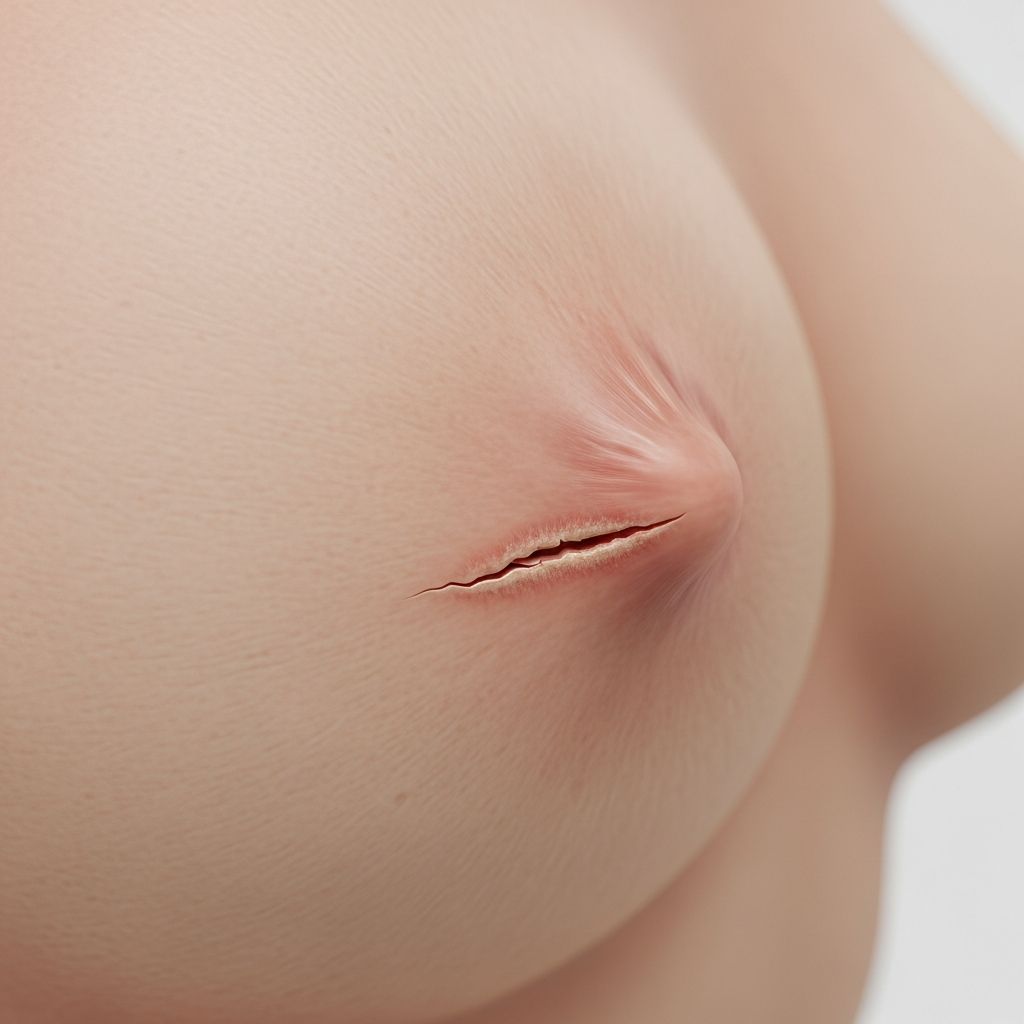
Nipple Fissure: Understanding, Managing, and Treating Cracked Nipples
What is a Nipple Fissure?
A nipple fissure is a painful crack, split, or abrasion in the skin of the nipple or areola. This condition, commonly referred to as cracked or fissured nipples, is one of the most frequent complaints among breastfeeding mothers. The condition is characterized by visible breaks in the skin that can range from superficial cracks to deeper fissures that may bleed or become infected. Nipple fissures typically develop during the early weeks of breastfeeding as mothers and infants adjust to the nursing process. While most common in breastfeeding populations, nipple fissures can also occur from friction during exercise, skin conditions, or other physical trauma unrelated to lactation.
Symptoms and Characteristics of Nipple Fissures
Recognizing the signs of nipple fissures is crucial for early intervention and treatment. The symptoms vary depending on the severity of the condition and may include:
– Raw, chafed, or tender skin on the nipple- Visible cracks or tears in the nipple tissue- Redness and inflammation around the affected area- Dry, flaky, or crusty appearance- Scabbing as the fissure begins to heal- Bleeding or bloody discharge from the nipple- Intense pain or soreness during or after breastfeeding- Itching or general irritation- Possible infection if left untreated
The pain associated with nipple fissures can be severe enough to make breastfeeding extremely uncomfortable or, in some cases, unbearable for the mother. Some women describe the sensation as similar to the friction-related condition known as “jogger’s nipple” experienced by runners and cyclists, often worsened in cold weather conditions.
Common Causes of Nipple Fissures
Improper Latch
One of the primary causes of nipple fissures is an improper latch. When a baby does not position their mouth correctly on the breast, excessive pressure and friction are placed on the nipple tissue. An improper latch means the baby is not drawing enough of the areola into their mouth, causing the nipple to bear most of the suction and friction. This can result in rapid development of cracks and fissures.
Structural Variations
Some infants have structural variations in their mouth or tongue that can contribute to nipple trauma. Additionally, approximately 10-20% of women are born with inverted nipples, which can complicate the breastfeeding process and increase the risk of nipple fissures.
Breast Pump Issues
The use of breast pumps can also contribute to nipple fissures if not used correctly. Common pump-related causes include suction settings that are too high, incorrect flange size, or improper positioning of the flange on the breast. When the flange does not fit properly, it creates unnecessary friction and pressure on the nipple tissue.
Oversupply of Milk
Mothers who produce an excess of milk may experience engorged breasts, causing the nipple tissue to stretch excessively. This stretching can lead to cracks and fissures in the nipple skin. The breast engorgement puts additional strain on delicate nipple tissue, making it more susceptible to injury.
Skin Conditions and Dehydration
Dry skin, eczema, psoriasis, or other dermatological conditions can predispose nipples to cracking. Additionally, using harsh or dehydrating products on the skin can strip away natural moisture, increasing the risk of fissure development. Environmental factors such as cold temperatures and low humidity can also exacerbate skin dryness and cracking.
Improper Breast Removal
Removing the baby from the breast without gently breaking the suction seal between their mouth and your skin can cause trauma to the nipple. The sudden withdrawal creates unnecessary pulling and friction on the sensitive nipple tissue.
Risk Factors and Susceptibility
Certain factors increase the likelihood of developing nipple fissures. First-time mothers are particularly vulnerable, as they and their infants are still learning proper breastfeeding techniques. Women with a history of skin sensitivity or conditions like eczema face higher risk. Those who experience engorgement, oversupply, or have structural variations in their nipples or their baby’s mouth are also at increased susceptibility. Additionally, exposure to cold temperatures and inadequate breast care practices can elevate risk.
Complications from Untreated Nipple Fissures
While nipple fissures themselves are not life-threatening, leaving them untreated can lead to serious complications. Cracked nipples can become infected, potentially developing into mastitis (breast inflammation) or a subareolar abscess (an infected collection of fluid beneath the areola). Infections can cause systemic symptoms including fever, chills, and general malaise. In severe cases, an abscess may require surgical drainage. Additionally, the risk of transmitting infections to the nursing infant increases with open wounds on the nipple.
Treatment Options for Nipple Fissures
Topical Treatments and Barrier Creams
One of the most common treatment approaches involves applying topical remedies directly to the affected nipples. Nipple creams and balms containing lanolin, coconut oil, or medical-grade honey provide soothing relief and promote healing. These products create a protective barrier that reduces pain and prevents further damage. Hydrogel pads specifically designed for nipple fissures can be refrigerated and applied to provide cooling relief and moisture to promote healing.
Compresses and Temperature Therapy
Warm or cool compresses can significantly reduce pain and inflammation associated with nipple fissures. Cool compresses are particularly effective for reducing swelling and numbing the pain, while warm compresses can improve circulation and promote healing. Many mothers find alternating between warm and cool compresses provides optimal relief.
Nipple Shields
Nipple shields are protective devices that fit over the nipple during breastfeeding, reducing direct friction and pressure on fissured tissue. These shields allow continued breastfeeding while the nipple heals, providing both pain relief and protection from further trauma.
Expressing or Pumping Break
In cases where nipple fissures are severe or extremely painful, taking a temporary break from direct breastfeeding by expressing milk or using a pump can allow the tissue to heal. This approach maintains milk supply while preventing further irritation of damaged tissue. Typically, a break of a few days to a week is sufficient for initial healing.
Latch Correction and Positioning
Addressing the underlying cause is essential for effective treatment. Working with a lactation consultant to correct the baby’s latch and positioning can eliminate the source of friction and pressure causing the fissures. A proper latch distributes pressure evenly across the areola rather than concentrating it on the nipple.
Proper Breast Removal Technique
Learning to gently break the seal between the baby’s mouth and your breast before removing them from the breast can prevent additional trauma during the weaning process of each feeding session.
Duration and Healing Timeline
The healing time for nipple fissures depends on several factors, including severity and how well the underlying cause is addressed. Superficial cracks may heal within 24-48 hours with appropriate treatment and if the causative factors are eliminated. However, deeper fissures or those with bleeding can take several days to a few weeks to fully heal. Most nipple soreness and damage resolve after the first month of breastfeeding as mothers and infants develop better techniques and the nipple tissue becomes more resilient.
Prevention Strategies
Ensure Proper Latch from the Beginning
The most effective prevention strategy is establishing a correct latch immediately. During the first feeding, work with a lactation consultant or healthcare provider to ensure your baby is positioned correctly, with a significant portion of the areola in their mouth, not just the nipple.
Start Nursing on the Least Sore Breast
If one breast is already tender, beginning feeds on the less affected side allows the baby’s initial strong suction to be applied to the healthier breast, reserving the more sensitive breast for later in the feeding when suction intensity may decrease.
Maintain Proper Pump Settings and Equipment
Ensure your breast pump flange fits correctly, use appropriate suction settings, and follow manufacturer guidelines for safe pumping practices. Have a lactation consultant verify your flange size and technique if you experience pump-related discomfort.
Keep Nipples Clean and Moisturized
Gently clean nipples with warm water during regular bathing. Avoid harsh soaps that can dry the skin. Apply moisturizing products appropriate for breastfeeding, and allow nipples to air dry between feedings when possible to prevent moisture-related complications.
Use Breast Shells Between Feedings
Breast shells are protective cup-shaped devices worn inside the bra between feedings. They protect sensitive nipples from friction with clothing and help maintain air circulation to promote healing.
Manage Engorgement Early
Prevent breast engorgement through frequent, regular nursing sessions and proper milk expression. Hand expression or short pumping sessions can relieve excessive fullness and reduce strain on nipple tissue.
When to Seek Medical Attention
While most nipple fissures respond well to home care and proper technique correction, certain situations warrant professional medical evaluation. Seek healthcare provider consultation if fissures show signs of infection (increased redness, warmth, pus, or fever), if severe pain persists despite correction of latch and positioning, if bleeding is excessive or continues beyond a few days, if fissures worsen despite treatment attempts, or if you develop symptoms of mastitis or abscess (fever, systemic illness).
Frequently Asked Questions
Q: Can I continue breastfeeding with nipple fissures?
A: Yes, you can continue breastfeeding with nipple fissures if you can manage the pain by correcting the latch and using pain management techniques. However, if the pain is unbearable, taking a temporary break from direct breastfeeding while expressing or pumping allows healing while maintaining milk supply.
Q: How long do nipple fissures take to heal?
A: Healing time varies based on severity. Superficial cracks may heal in 24-48 hours with proper treatment, while deeper fissures can take several days to a few weeks. Most improve significantly within the first month as breastfeeding techniques improve.
Q: Are there breastfeeding-safe medications for nipple pain?
A: Yes, several over-the-counter topical treatments are safe while breastfeeding, including lanolin-based creams, hydrogel pads, and medical-grade honey products. Discuss specific medications with your healthcare provider or pharmacist to ensure safety.
Q: What is the difference between nipple fissures and other nipple conditions?
A: Nipple fissures are characterized by visible cracks or tears in the skin. Other conditions include nipple vasospasm (blood vessel constriction causing color changes), milk blebs (small white dots on the nipple), and mastitis (breast inflammation). Each requires different treatment approaches.
Q: Can nipple fissures lead to serious complications?
A: If left untreated, nipple fissures can become infected, potentially leading to mastitis or subareolar abscess. Prompt treatment and proper wound care help prevent these complications.
Q: What role does a lactation consultant play in treating nipple fissures?
A: Lactation consultants assess latch and positioning, identify underlying causes of fissures, teach proper breastfeeding techniques, verify breast pump equipment fit, and provide ongoing support to prevent recurrence.
References
- Nipple Fissure — Cleveland Clinic. 2024. https://my.clevelandclinic.org/health/diseases/22605-nipple-fissure
- Sore, Cracked, or Bleeding Nipples While Breastfeeding — Pampers. 2024. https://www.pampers.com/en-us/baby/feeding/article/cracked-sore-bleeding-nipples-while-breastfeeding
- 5 Ways to Treat Bleeding Nipples From Breastfeeding — Kin Fertility. 2024. https://kinfertility.com.au/blog/bleeding-nipples-breastfeeding
- Sore Nipples from Breastfeeding: Expert Tips for Relief — Huckleberry Care. 2024. https://huckleberrycare.com/blog/sore-nipples-from-breastfeeding-expert-tips-for-relief
Similar Articles





Read full bio of Sneha Tete