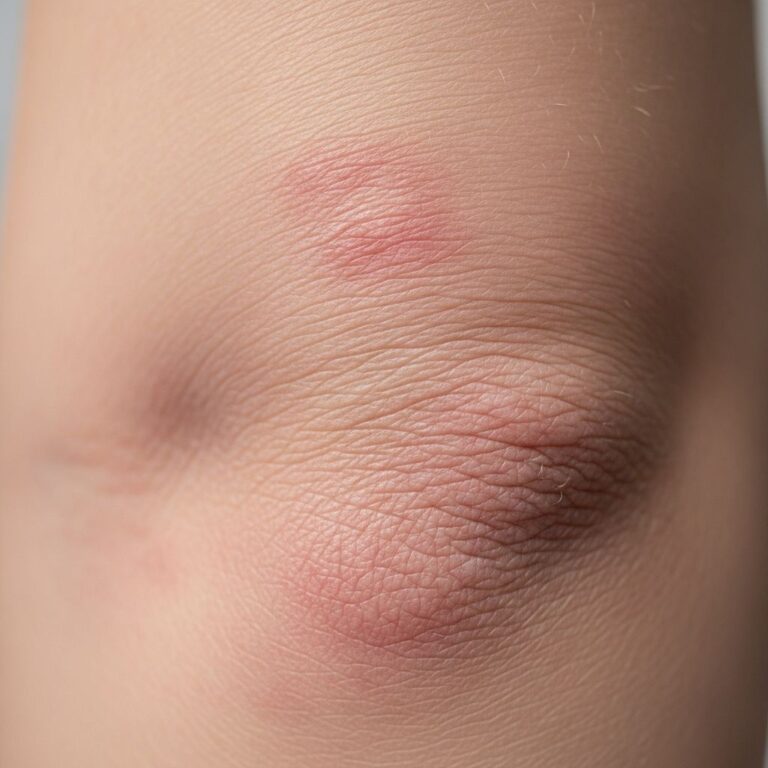
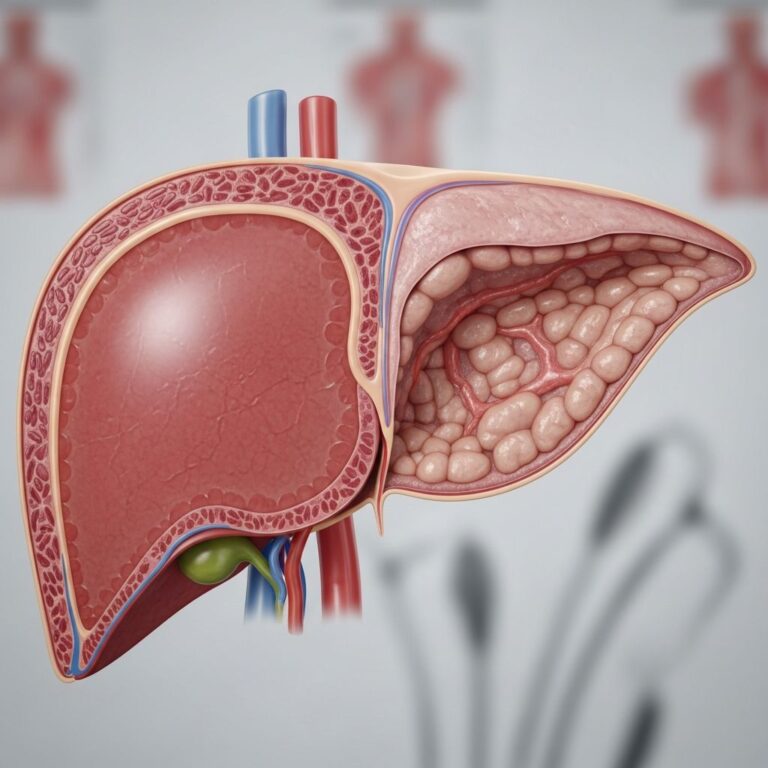
Nipple Problems and Discharge: Causes, Symptoms & Treatment
Understanding nipple problems and discharge: comprehensive guide to causes, symptoms, and effective treatments.
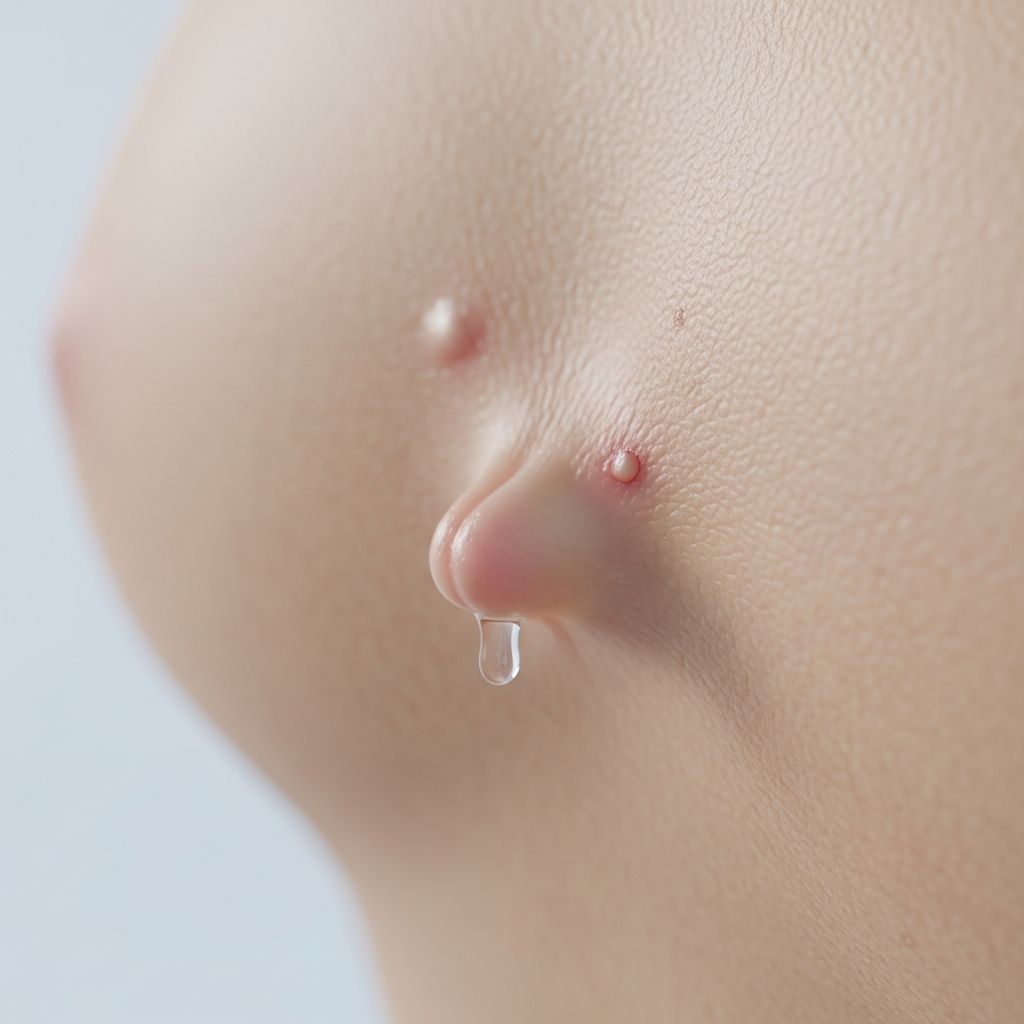
Nipple Problems and Discharge: A Comprehensive Guide
Nipple problems and discharge are common breast symptoms that affect many individuals at various stages of life. While nipple discharge can be alarming, it is important to understand that in most cases, it represents a normal function of the breast rather than an indicator of a serious medical condition. Nipple discharge alone, without accompanying symptoms such as a lump or other nipple changes, is rarely associated with breast cancer. Each nipple typically has between 15 to 20 milk ducts opening onto it, meaning discharge can originate from one or multiple ducts. Understanding the various causes, symptoms, and appropriate management strategies is essential for addressing concerns about nipple health.
What Is Nipple Discharge?
Nipple discharge refers to the release of fluid from the nipple. This discharge can vary significantly in appearance, consistency, and characteristics depending on the underlying cause. Some discharge is completely normal and physiological, while other types may warrant medical evaluation. The key to determining whether nipple discharge is concerning involves understanding its characteristics, frequency, and associated symptoms.
Discharge can appear in various colors and textures, including clear, milky, yellow, green, brown, or blood-stained fluid. The consistency may range from thin and watery to thick and sticky. These characteristics, combined with information about whether the discharge occurs spontaneously or only with manipulation, and whether it affects one or both breasts, help healthcare providers determine the underlying cause.
Normal Versus Abnormal Nipple Discharge
Understanding the difference between normal and abnormal nipple discharge is crucial for determining when medical attention is necessary. Normal nipple discharge typically occurs during specific circumstances and does not require treatment. Abnormal discharge, conversely, may indicate an underlying condition requiring investigation.
Normal Nipple Discharge
Normal nipple discharge occurs during pregnancy and breastfeeding, when the breast naturally produces milk. Additionally, discharge that occurs only with breast manipulation or squeezing, rather than spontaneously, is generally considered normal. Discharge that is milky and comes from multiple ducts in both breasts is typically benign, particularly when not associated with other symptoms.
Abnormal Nipple Discharge
Spontaneous nipple discharge unrelated to pregnancy or breastfeeding is considered abnormal and warrants evaluation. Abnormal discharge is more likely to originate from a single breast only (unilateral), come from a single duct, and be clear or blood-stained in appearance. Any nipple discharge associated with additional symptoms such as a lump in the breast, ulceration, or inversion of the nipple requires prompt investigation and medical evaluation.
Common Causes of Nipple Problems and Discharge
Numerous conditions can cause nipple problems and discharge. Most are benign and treatable, though some warrant closer medical attention to rule out serious underlying conditions.
Duct Ectasia
Duct ectasia is a non-cancerous condition in which the milk ducts beneath the nipple become enlarged and inflamed. This condition typically occurs in women after menopause and is one of the most common causes of abnormal nipple discharge. The discharge associated with duct ectasia usually originates from both breasts (bilateral), appears yellow, green, or brown, and comes from multiple ducts. In most cases, duct ectasia requires no treatment. However, if the discharge becomes bothersome or causes concerns, the ducts behind the nipple can be surgically removed.
Related Stories



Intraductal Papilloma
An intraductal papilloma is a small, benign, wart-like growth that develops within a milk duct near the nipple. This condition commonly causes bloody or sticky discharge that typically occurs spontaneously and involves a single duct. The bloody discharge may resolve on its own, but healthcare providers typically recommend diagnostic mammography and breast ultrasound to visualize the cause of the discharge and rule out other conditions. In some instances, surgical removal of the affected duct may be recommended.
Breast Infection and Mastitis
Breast infections, or mastitis, can cause thick, sticky nipple discharge along with breast pain, swelling, and redness. Mastitis most commonly affects breastfeeding women but can occur in any individual. The infection occurs when bacteria enter breast tissue, usually through cracked or damaged nipples. Treatment typically involves antibiotics prescribed by a healthcare provider, pain management, and continued breast drainage through feeding or expression. In some cases, untreated mastitis can lead to the formation of an abscess, a collection of pus that may require drainage.
Hormonal Causes and Galactorrhea
Galactorrhea refers to milky nipple discharge not related to pregnancy or breastfeeding. This condition results from abnormal production of prolactin, the hormone responsible for stimulating milk production. Elevated prolactin levels can result from diseases of the pituitary gland, thyroid gland, or other endocrine organs that regulate hormone secretion. Medications including certain antidepressants, antipsychotics, and hormonal contraceptives can also trigger galactorrhea. Treatment addresses the underlying hormonal cause, which may involve medication adjustment or treatment of the underlying endocrine condition.
Fibrocystic Breast Changes
Fibrocystic breast disease involves normal lumpiness in breast tissue and is extremely common in women of reproductive age. This condition can cause nipple discharge, breast pain, and palpable lumps. While fibrocystic changes are benign, they may cause discomfort and warrant medical evaluation to confirm the diagnosis and rule out malignancy.
Ductal Carcinoma In Situ (DCIS)
DCIS is an early form of breast cancer where abnormal cells are present in the milk ducts but have not invaded surrounding breast tissue. This condition can cause nipple discharge, often bloody or clear, particularly from a single duct. DCIS requires treatment to prevent progression to invasive breast cancer and is typically managed with surgery, radiation therapy, or hormone therapy depending on individual circumstances.
Breast Cancer and Paget’s Disease
While breast cancer is an uncommon cause of nipple discharge, affecting less than 5% of women diagnosed with breast cancer, it remains an important consideration. Most women with breast cancer who experience nipple discharge also have other symptoms such as a palpable lump or newly inverted nipple. Paget’s disease of the breast is a specific type of breast cancer involving the nipple that typically causes ulceration and erosion of the nipple skin, sometimes accompanied by blood-stained discharge.
Other Causes
Additional causes of nipple problems and discharge include blocked or enlarged milk ducts, nipple injury or trauma, excessive friction from exercise or sexual activity, medication side effects including hormonal contraceptives, thyroid disorders, and pituitary gland tumors. Newborn infants sometimes experience nipple discharge due to absorption of maternal hormones, a condition called “witch’s milk” that resolves without treatment. Stress has also been associated with nipple discharge due to increases in prolactin levels.
Symptoms of Nipple Problems
Symptoms associated with nipple problems vary depending on the underlying cause but may include:
- Discharge from the nipples in various colors (clear, milky, green, yellow, brown, or bloody)
- Itching or irritation of the nipples
- Cracked or bleeding nipples
- Swelling and pain in the nipple area
- Changes to nipple shape or appearance
- Skin changes around the nipple including puckering, dimples, or color changes
- Nipple inversion or retraction
- Associated breast pain or tenderness
- Visible lump or mass in the breast tissue
When to Seek Medical Attention
While many nipple problems resolve without intervention, certain symptoms warrant prompt medical evaluation. Individuals should consult a healthcare provider if experiencing any of the following:
- Nipple discharge when not pregnant or breastfeeding
- Spontaneous nipple discharge that occurs without breast manipulation
- Nipple discharge that persists over an extended period
- Bloody or clear discharge from the nipple
- Discharge originating from a single duct or single breast
- Nipple discomfort lasting longer than a few days
- Discharge associated with a palpable lump in the breast
- Changes to skin around the nipple including color changes or inversion
- Signs of infection including breast pain, fever, or chills accompanying discharge
- Nipple problems in men, which are almost always abnormal
Diagnosis and Evaluation
Healthcare providers evaluate nipple problems through a combination of clinical examination and diagnostic testing. During the initial consultation, the provider will obtain a detailed history including the characteristics of the discharge (color, consistency, frequency), whether it occurs spontaneously or with manipulation, whether it affects one or both breasts, and whether other symptoms are present.
Physical examination of the breast tissue helps identify palpable lumps, skin changes, or signs of infection. The provider may gently express discharge to assess its characteristics and determine its duct of origin. Diagnostic imaging, including mammography and ultrasound, helps visualize breast tissue and identify potential causes such as intraductal papillomas, duct ectasia, or malignancy. In some cases, additional testing such as magnetic resonance imaging (MRI) may be recommended. If discharge is bloody or suspicious, cytology analysis of the fluid may be performed to examine cells for abnormalities.
Treatment Options
Treatment for nipple problems depends on the underlying cause and severity of symptoms. Many conditions require no active treatment, while others benefit from specific interventions.
Observation and Reassurance
Many benign causes of nipple discharge require only reassurance and monitoring. Physiologic discharge that occurs during pregnancy, after childbirth, or with hormonal fluctuations typically resolves without treatment.
Medication Management
When discharge results from hormonal imbalances or medication side effects, adjusting or changing medications may resolve symptoms. Galactorrhea caused by elevated prolactin may be treated with medications that reduce prolactin production. Thyroid disorders causing discharge are managed with appropriate thyroid hormone replacement or antithyroid medications.
Infection Treatment
Bacterial breast infections are treated with appropriate antibiotics prescribed by a healthcare provider. Complete antibiotic courses are essential to prevent recurrence and complications. Pain management and continued breast drainage support recovery. Abscesses may require drainage procedures in addition to antibiotic therapy.
Surgical Intervention
Surgical options address discharge causing significant symptoms or concern for malignancy. Duct excision, which involves removing the affected milk ducts, is performed when discharge persists despite conservative management or when imaging suggests potential malignancy. Surgical removal of intraductal papillomas eliminates the source of bloody discharge. DCIS typically requires surgical excision with possible radiation therapy. Breast cancer treatment varies depending on stage and type but may involve surgery, radiation, chemotherapy, or hormone therapy.
Prevention and Self-Care
While not all nipple problems can be prevented, certain measures support breast health and reduce complications. Proper breastfeeding technique prevents nipple trauma and reduces infection risk. Well-fitting bras minimize friction and irritation. Avoiding unnecessary breast manipulation reduces stimulation of discharge. Prompt treatment of breast infections prevents abscess formation and tissue damage. Maintaining overall health through stress management, adequate sleep, and balanced nutrition supports hormonal regulation and immune function.
Frequently Asked Questions
Q: Is nipple discharge always a sign of breast cancer?
A: No. Nipple discharge alone is a very uncommon symptom of breast cancer. Less than 5% of women with breast cancer experience nipple discharge, and most of these women have other symptoms such as a breast lump or inverted nipple. Most causes of nipple discharge are benign conditions.
Q: Should I be concerned about milky nipple discharge?
A: Milky discharge from both breasts not related to pregnancy or breastfeeding may indicate galactorrhea, often caused by hormonal imbalances or medication side effects. While not typically serious, evaluation by a healthcare provider is recommended to identify the underlying cause.
Q: What does bloody nipple discharge indicate?
A: Bloody discharge warrants medical evaluation as it may indicate an intraductal papilloma, duct ectasia with bleeding, or rarely, breast cancer. Healthcare providers typically recommend imaging and possible duct excision to determine the cause.
Q: Can nipple problems resolve on their own?
A: Many nipple problems do resolve spontaneously, particularly physiologic discharge related to hormonal changes or temporary irritation. However, persistent or concerning discharge should be evaluated by a healthcare provider to ensure appropriate diagnosis and treatment.
Q: Are nipple problems in men different from those in women?
A: Yes. Nipple discharge in men is almost always abnormal and requires medical evaluation. Men lack the hormonal factors and reproductive functions that commonly cause benign discharge in women.
References
- Nipple Discharge — Breast Unit Australia. 2024. https://www.breastunit.com.au/nipple-discharge
- Nipple Discharge — National Health Service (NHS). 2024. https://www.nhs.uk/symptoms/nipple-discharge/
- Nipple Discharge: Causes — Mayo Clinic. 2024. https://www.mayoclinic.org/symptoms/nipple-discharge/basics/causes/sym-20050946
- Nipple Discharge: Color, Causes, What It Means & Treatment — Cleveland Clinic. 2024. https://my.clevelandclinic.org/health/symptoms/21014-nipple-discharge
- Nipple Discharge — MedlinePlus Medical Encyclopedia, U.S. National Library of Medicine. 2024. https://medlineplus.gov/ency/article/001515.htm
- Nipple Problems and Discharge — University of Rochester Medical Center. 2024. https://www.urmc.rochester.edu/encyclopedia/content?contenttypeid=85&contentid=p00156
- Nipple Problems: Causes, Diagnosis and Treatments — Healthline Media. 2024. https://www.healthline.com/health/nipple-problems
Similar Articles








Read full bio of medha deb