Nissen Fundoplication: Surgery, Complications & Recovery
Understanding Nissen fundoplication: A surgical solution for GERD relief and long-term management.
Nissen Fundoplication: A Surgical Solution for GERD
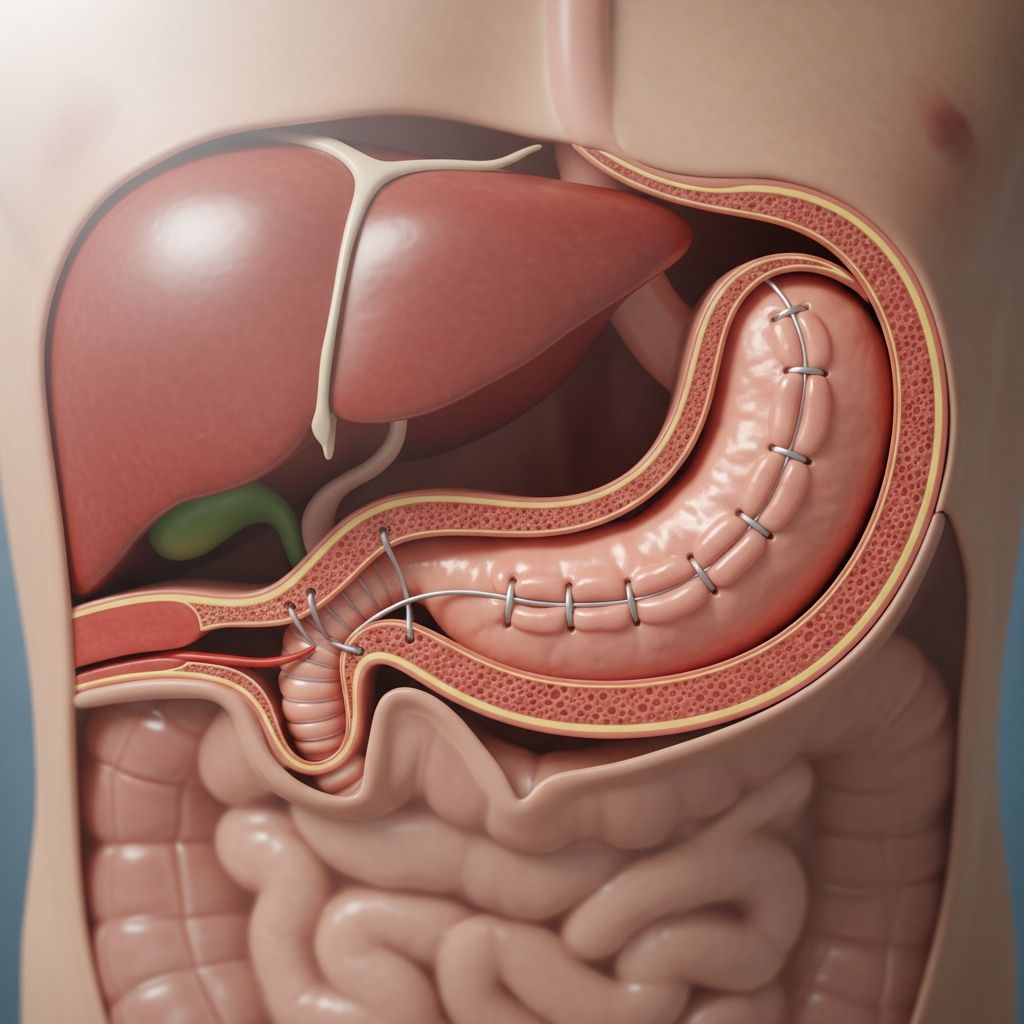
Nissen fundoplication is a surgical procedure designed to treat gastroesophageal reflux disease (GERD) by reinforcing the lower esophageal sphincter. The procedure involves wrapping the top portion of your stomach around the bottom of your esophagus to prevent stomach acid from flowing back up into the esophageal canal. When your lower esophageal sphincter doesn’t function properly, stomach acid can reflux into your esophagus, causing uncomfortable symptoms like heartburn, regurgitation, and chest discomfort. This minimally invasive surgical approach has become the most common surgical intervention for patients whose GERD symptoms persist despite medication and lifestyle modifications.
Understanding GERD and Why Surgery May Be Necessary
Gastroesophageal reflux disease occurs when the lower esophageal sphincter fails to function properly. Normally, this sphincter relaxes to allow food to pass from your esophagus into your stomach and then tightens to prevent stomach acid from returning upward. When this mechanism fails, acid reflux becomes a chronic problem that can significantly impact your quality of life.
You or your child may be considered for Nissen fundoplication when:
– Conservative treatments like medications and dietary changes haven’t adequately controlled symptoms- You experience persistent heartburn and acid reflux despite medication use- You have complications from GERD, such as Barrett’s esophagus- You wish to discontinue long-term medication therapy
The procedure has been shown to be approximately 90% effective in most patient populations, providing substantial relief from chronic acid reflux symptoms.
Pre-Surgical Evaluation and Testing
Before undergoing Nissen fundoplication, your surgeon will conduct a comprehensive evaluation to ensure the procedure is appropriate for your condition. This assessment includes several important diagnostic tests:
Your surgeon may perform esophageal manometry to measure the pressure in your esophagus and assess sphincter function. Upper endoscopy allows direct visualization of your esophagus and stomach to identify any abnormalities. Additionally, your surgeon will check for narrowing in your esophagus and screen for hiatal hernias, which are bulges in your stomach at the top of your esophagus that can worsen GERD symptoms. If a hiatal hernia is discovered, your surgeon will repair it during the fundoplication procedure.
Types of Fundoplication Procedures
The specific type of fundoplication procedure varies depending on how much of your stomach’s fundus wraps around the bottom of your esophagus. Your surgeon will recommend the approach that best suits your individual situation.
Total Nissen Fundoplication (360°): In this traditional approach, the entire fundus wraps completely around the esophagus, creating a 360-degree wrap. This provides maximum reinforcement of the lower esophageal sphincter and is the most commonly performed fundoplication.
Toupet Fundoplication (270°): This partial wrap creates a posterior (back side) wrap of approximately 270 degrees. Research suggests this approach may result in lower rates of postoperative dysphagia (difficulty swallowing) compared to total Nissen fundoplication.
Dor Fundoplication (180°-200°): An anterior wrap created on the front side of the esophagus, this partial fundoplication approach offers comparable reflux control while potentially minimizing swallowing difficulties.
Long-term comparative studies indicate that all three approaches share similar outcomes, with the Toupet fundoplication potentially offering the best durability with the lowest odds of developing postoperative dysphagia.
Related Stories



Surgical Approaches: Open Versus Laparoscopic
Your surgeon may perform Nissen fundoplication using either an open surgical approach or a minimally invasive laparoscopic technique. Both procedures are performed under general anesthesia, so you’ll be asleep throughout the surgery.
Open Surgery: During open surgery, your surgeon makes a larger incision in your abdomen to directly access the surgical area. This traditional approach allows complete visualization of the anatomy but results in a longer recovery period and more post-operative discomfort.
Laparoscopic Surgery: In laparoscopic fundoplication, your surgeon makes several small incisions and inserts a camera (laparoscope) and specialized surgical instruments. This minimally invasive approach offers several advantages, including smaller incisions, reduced hospital stay, less post-operative pain, and faster recovery. When possible, laparoscopic surgery is preferred as the first-line surgical approach for fundoplication.
Regardless of the approach used, a typical Nissen fundoplication procedure takes one to three hours to complete.
Pre-Operative Instructions
To prepare for your Nissen fundoplication, your surgeon will provide specific pre-operative instructions. Typically, you’ll be advised not to eat or drink anything after midnight on the day of your surgery. This fasting period is essential to minimize complications related to anesthesia. Follow all instructions provided by your surgical team, as proper preparation is crucial for a successful outcome.
Benefits and Success Rates
Nissen fundoplication offers significant benefits for patients suffering from chronic GERD. The procedure eases acid reflux symptoms when other treatments haven’t been successful, often allowing patients to discontinue long-term medication such as Prilosec or other antacid medications. Additionally, the surgery reduces your risk of developing Barrett’s esophagus, a precancerous condition that can lead to esophageal cancer.
Success rates vary depending on the type of procedure performed. One study shows that approximately 10% of people who underwent this surgery needed a second procedure due to symptom recurrence. The majority of patients experience long-lasting relief from their GERD symptoms, significantly improving their quality of life.
Potential Complications and Side Effects
Like all surgical procedures, Nissen fundoplication carries certain risks. The most significant concern is that your symptoms may recur over time, potentially requiring a second procedure. Additionally, there’s a general risk of infection associated with any surgery.
Common Long-Term Side Effects:
– Difficulty swallowing (dysphagia)- Inability to belch or burp- Abdominal bloating and gas- Increased bowel movements- Nausea
One interesting side effect results from the procedure’s mechanism: the same wrap that prevents stomach acid from entering your esophagus also prevents vomiting. If your stomach becomes upset, it must dump its contents into your intestines rather than forcing them back up, ultimately resulting in bowel movements.
Hospital Stay and Immediate Recovery
You or your child may spend one or more days in the hospital following Nissen fundoplication. During your hospital stay, medical staff will monitor your recovery and manage any immediate post-operative symptoms. You may experience:
– A sore throat from the endotracheal tube used during anesthesia- Mild to moderate abdominal discomfort- Mild nausea- Fatigue from anesthesia
Most patients can return home within 24 hours after laparoscopic surgery, though some may require an additional night’s observation depending on individual circumstances.
Post-Operative Recovery and Return to Activities
Plan on taking it easy during the first few days after surgery. Most patients can return to their normal daily routine within a week or two, though this timeline varies based on the surgical approach used and individual healing rates. Your surgeon may recommend avoiding strenuous exercise for a few weeks following surgery.
For children who have undergone Nissen fundoplication, return to school typically occurs within a few days of surgery. However, children should avoid strenuous physical activities for at least three weeks to allow proper healing.
Dietary Recommendations During Recovery
You may experience a sore throat after surgery. Your surgeon may recommend eating soft foods for the first seven to ten days following the procedure. Start with easily digestible options such as:
– Protein shakes and smoothies- Yogurt- Scrambled eggs- Soft pasta- Applesauce- Mashed potatoes
Gradually advance to a regular diet as your symptoms improve and your surgeon approves. Avoid hard, crunchy, or spicy foods during the initial recovery period.
Long-Term Outcomes and Life After Surgery
Most patients experience significant improvement in their GERD symptoms following Nissen fundoplication. The ability to discontinue long-term acid-suppressive medications is a major benefit for many patients. However, some individuals may develop mild residual symptoms or new symptoms like occasional bloating or difficulty belching.
Research comparing different fundoplication techniques demonstrates that all three approaches—Nissen, Toupet, and Dor—provide comparable long-term outcomes in terms of reflux control and patient satisfaction. Individual variation exists, and some patients may experience recurrence of symptoms years after surgery, potentially requiring additional intervention.
Is Nissen Fundoplication Right for You?
If you’ve tried medication and dietary modifications without adequate symptom control, and your GERD continues to make you miserable and disrupt your daily routine, Nissen fundoplication may be an excellent option. The surgery has a strong track record of providing lasting relief from acid reflux symptoms in appropriately selected patients.
If you’re living with GERD, consult with a healthcare provider to discuss your treatment options. They’ll thoroughly explain the Nissen fundoplication procedure and discuss whether it’s an appropriate choice for your specific situation. Your surgeon will consider your individual anatomy, symptom severity, previous treatments, and overall health status when making surgical recommendations.
Frequently Asked Questions
Q: How long does the Nissen fundoplication procedure take?
A: The procedure typically takes one to three hours to complete, depending on the complexity of your case and whether your surgeon needs to repair an associated hiatal hernia.
Q: Will I need to continue taking antacid medications after surgery?
A: Most patients no longer require long-term therapy with medications like Prilosec or other antacids after a successful Nissen fundoplication, though some may need occasional over-the-counter antacids for minor symptoms.
Q: What percentage of patients need a second surgery?
A: Approximately 10% of people who undergo Nissen fundoplication may need a second procedure, though success rates remain high overall at around 90% effectiveness.
Q: How soon can I return to work after surgery?
A: Most patients can return to desk work within one to two weeks following laparoscopic surgery. Those with physically demanding jobs may need additional recovery time. Always follow your surgeon’s specific recommendations.
Q: Is laparoscopic surgery safer than open surgery for fundoplication?
A: Laparoscopic fundoplication offers advantages including smaller incisions, reduced pain, shorter hospital stay, and faster recovery compared to open surgery, though both approaches are safe and effective.
Q: Can the wrap fail or loosen over time?
A: While the wrap is generally durable, some patients may experience symptom recurrence years after surgery. This is why approximately 10% of patients may require a second procedure.
References
- Nissen Fundoplication: Surgery, Complications & Recovery — Cleveland Clinic. 2025-06-20. https://my.clevelandclinic.org/health/treatments/4200-nissen-fundoplication
- Long-term outcomes following Dor, Toupet, and Nissen fundoplication — Lee Y, Tahir U, Tessier L, et al. Surgical Endoscopy. 2023. DOI: 10.1007/s00464-023-10151-5. https://pubmed.ncbi.nlm.nih.gov/37308760/
- GERD, Hiatal Hernia & Heartburn — Cleveland Clinic Abu Dhabi. 2025. https://www.clevelandclinicabudhabi.ae/en/health-hub/health-resource/diseases-and-conditions/gerd-hiatal-hernia-and-heartburn
- Acid Reflux & GERD: Symptoms, What It Is, Causes, Treatment — Cleveland Clinic. 2025. https://my.clevelandclinic.org/health/diseases/17019-acid-reflux-gerd
Similar Articles








Read full bio of medha deb