Nitric Oxide in Dermatology: Functions and Applications
Discover how nitric oxide revolutionizes skin health and treats dermatologic conditions.
Nitric Oxide in Dermatology: Functions and Therapeutic Applications
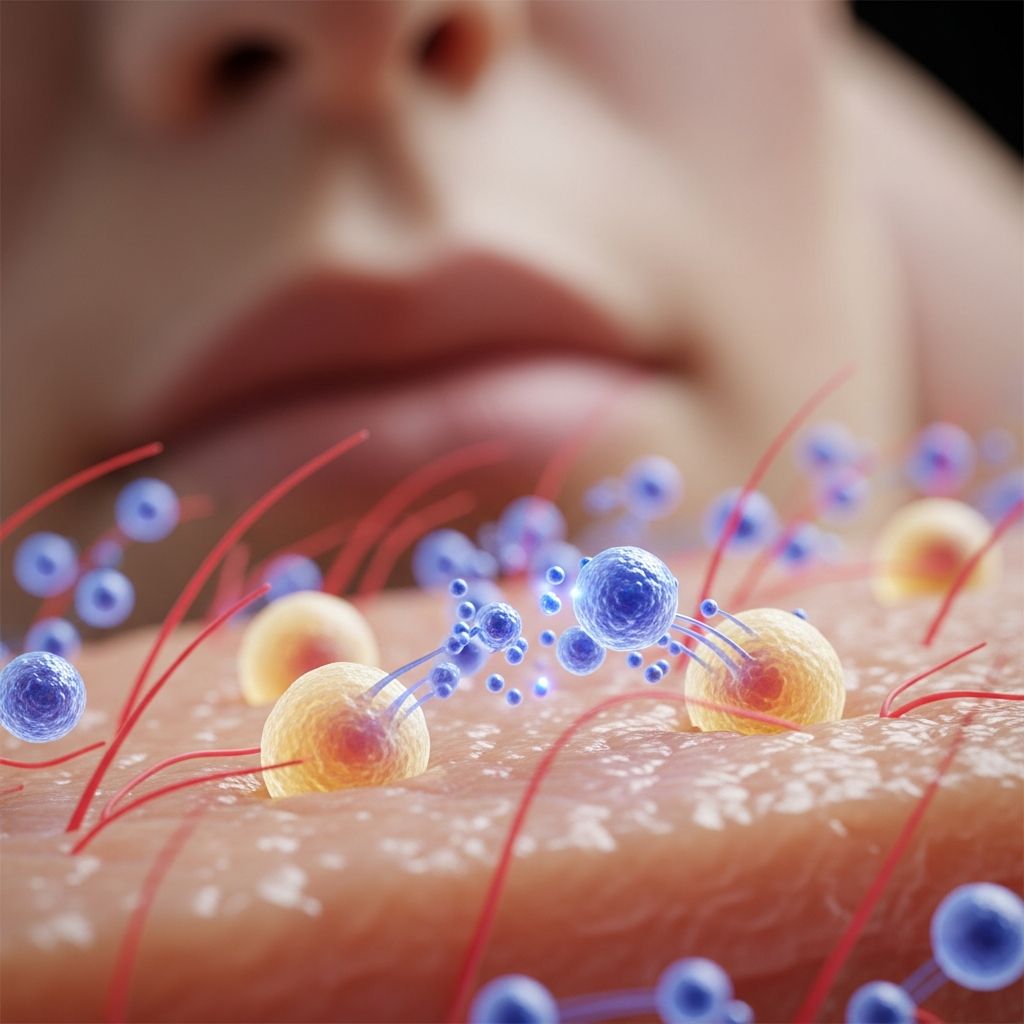
Nitric oxide (NO) is a crucial signaling molecule that plays a fundamental role in maintaining skin health and regulating essential physiologic processes. This free radical gas functions as a potent vasodilator and has emerged as a promising therapeutic agent in dermatology, offering multiple benefits including anti-inflammatory, antimicrobial, immunomodulatory, and wound-healing properties. Understanding nitric oxide’s mechanisms and applications can help both dermatologists and patients recognize its potential in treating various skin conditions.
Understanding Nitric Oxide and Skin Physiology
Nitric oxide is produced by nearly every cell type in the skin through the action of nitric oxide synthase (NOS) enzymes. The broad distribution of NO-producing cells enables the molecule to participate in vital cutaneous physiologic processes. These essential skin cells include keratinocytes, endothelial cells, fibroblasts, melanocytes, adipocytes, Langerhans cells, neutrophils, and macrophages.
The primary functions of nitric oxide in healthy skin include:
- Formation and maintenance of the skin’s protective barrier function
- Establishment and maintenance of cutaneous circulation and vascular integrity
- Regulation of melanogenesis and erythema in response to ultraviolet light exposure
- Antimicrobial defense mechanisms against pathogenic organisms
- Modulation of inflammatory responses and immune function
These multifaceted roles underscore why maintaining adequate NO levels is essential for optimal skin health and why derangement of NO production is implicated in numerous dermatologic diseases.
Nitric Oxide and Dermatologic Diseases
Inappropriate regulation of nitric oxide, particularly excessive inducible NOS (iNOS) upregulation, is implicated in a wide range of dermatologic pathophysiologic conditions. When NO production becomes dysregulated, it can contribute to or exacerbate various skin disorders:
- Cutaneous lupus erythematosus
- Inflammatory skin disorders, including psoriasis and atopic dermatitis
- Irritant and allergic contact dermatitis
- Keloids and abnormal scar formation
- Morphea and systemic scleroderma
- Pemphigus vulgaris
- Pityriasis lichenoides
- Sjögren’s syndrome with cutaneous manifestations
- Stevens-Johnson syndrome and toxic epidermal necrolysis
Additionally, insufficient nitric oxide may contribute to specific conditions. In psoriasis, for example, reduced NO levels may promote excessive cell proliferation and reduce proper differentiation of skin cells. Conversely, NO deficiency may be involved in vasospastic conditions such as Raynaud phenomenon.
Nitric Oxide and UV-Induced Skin Damage
Ultraviolet radiation exposure has complex interactions with nitric oxide metabolism in the skin. UV irradiation may lead to excessive nitric oxide production through both enzyme-dependent and enzyme-independent mechanisms. However, NO also plays a protective role against UV-induced damage through multiple mechanisms.
When skin is exposed to UV radiation, reactive oxygen species (ROS) are generated within 15 minutes of exposure. These ROS stimulate the release of proinflammatory cytokines and growth factors that disrupt skin’s structural integrity. Specifically, AP-1 and NFκB increase production of matrix metalloproteinases that break down extracellular matrix collagen and elastin fibers, while TGF-β decreases collagen production.
Related Stories



Nitric oxide addresses UV-induced damage through several protective mechanisms:
- Stimulates melanogenesis to enhance endogenous pigmentation, which is associated with decreased risk of skin cancer
- Acts as an antioxidant to attenuate the deleterious effects of reactive oxygen species on skin aging and carcinogenesis
- Increases type I collagen synthesis in fibroblasts, which helps decrease wrinkle development since photodegradation of type I fibers plays a role in aging
UV-induced erythema is also related to NO production, and can be prevented by intradermal injection of L-NAME, a selective inhibitor of NOS.
Antimicrobial Properties of Nitric Oxide
One of the most promising applications of nitric oxide in dermatology involves its antimicrobial capabilities. In an era of increasing antibiotic resistance, NO is emerging as a promising broad-spectrum antimicrobial agent with minimal likelihood of resistance development.
Nitric oxide exerts antimicrobial effects through multiple mechanisms:
- Induction of nitrosative and oxidative stress in microbial cells
- Inactivation of essential microbial enzymes
- Depletion of intracellular iron stores necessary for microbial survival
- Direct and indirect damage to microbial DNA through generation of alkylating agents and hydrogen peroxide
- Inhibition of microbial DNA repair mechanisms
- Disruption of the microbial cell membrane through lipid peroxidation
These multiple mechanisms of action make it unlikely for microorganisms to develop widespread resistance to NO-based treatments.
Topical Nitric Oxide Applications for Acne
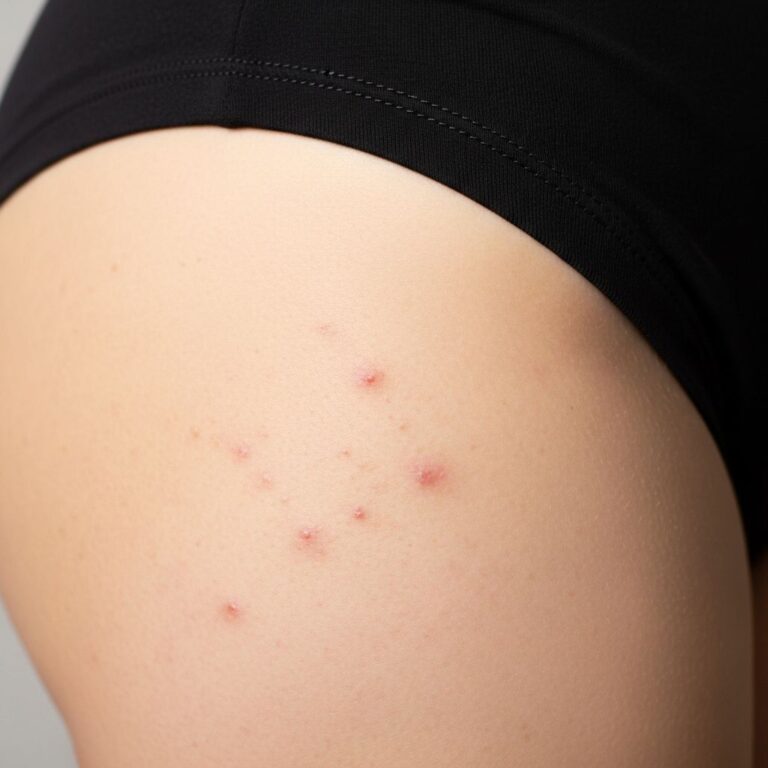
Acne vulgaris is one of the most common skin conditions, and emerging research demonstrates that topical nitric oxide offers significant therapeutic benefits. The anti-inflammatory and antibacterial properties of NO are particularly valuable in treating this prevalent inflammatory condition.
Current understanding suggests that subclinical inflammation precedes microcomedone formation in acne development. Immunohistochemical studies reveal significant inflammation around normal follicles of uninvolved skin in acne patients prior to follicular hyperkeratinization. This inflammation is thought to be mediated by the proinflammatory cytokine IL-1 alpha, independent of bacterial colonization. Topical NO addresses this underlying inflammatory cascade, making it an effective preventive and therapeutic agent.
In a pilot study of active acne populations treated with topical nitric oxide-generating serum applied three times daily, results showed remarkable improvement:
| Treatment Outcome | 4 Weeks | 8 Weeks | 12 Weeks |
|---|---|---|---|
| Decreased Acne Lesions | 75% | 83% | 85% |
| Reduction in Pustules and Nodules | Significant at 4 weeks | Progressive improvement | Sustained benefits |
The range of pustule and nodule reduction varied from 20% to 84%, with an average reduction of 68% across the treated population. These results demonstrate that topical nitric oxide is a promising treatment option for both active acne and prevention of future lesion formation.
Anti-Aging and Skin Quality Benefits
Beyond infectious and inflammatory conditions, topical nitric oxide offers significant cosmetic benefits for aging skin. NO enhances skin quality in multiple dimensions, making it a valuable component in anti-aging skincare.
As a potent vasodilator, nitric oxide improves blood flow to the skin, enhancing overall skin quality in terms of fine lines, wrinkles, pores, and pigment. By reducing inflammation and increasing keratinization, nitric oxide also increases moisture and barrier functions of the skin.
In a pilot study examining a topical nitric oxide-generating serum in aging skin populations, significant improvements were documented across multiple parameters:
| Aging Skin Parameter | 4 Weeks | 8 Weeks | 12 Weeks |
|---|---|---|---|
| Decreased Pigmentation Irregularities | 55% | 65% | 78% |
| Decreased Skin Oiliness | 72% | 80% | 85% |
| Decreased Erythema (Redness) | 20% | 38% | 53% |
| Decreased Striae (Stretch Marks) | 37% | 49% | 72% |
The aging skin population reported improvement in fine lines, wrinkles, pore size, skin tone, and texture, with a high level of product satisfaction and significant improvement in self-esteem. These cosmetic benefits stem from NO’s ability to improve vascularity, enhance collagen synthesis, and reduce inflammation.
Wound Healing and Scar Therapy
Nitric oxide demonstrates remarkable benefits for wound healing and scar management. The reduction of subclinical inflammation aids in the prevention of scar formation, while NO’s antimicrobial properties are safely applied on open wounds, yielding added anti-bacterial activity.
In specialized applications, nitric oxide-releasing nanoparticles (NO-np) have shown particular promise for complex wound scenarios. Research examining NO-np treatment of burn wounds infected with Candida albicans demonstrated that those treated with NO-np healed more rapidly than control wounds, with significantly lower fungal burden. On histological examination, treated wounds showed less inflammation, more fibrin deposition, and increased collagen content.
A pilot study of topical nitric oxide serum applied three times daily demonstrated improvement in tone and quality of skin with notable reduction of acne scars over a 90-day treatment period. Additionally, nitric oxide treatment facilitated re-epithelialization of vascular-compromised diabetic ulcers and improved healing of full-thickness skin grafts over 30-90 days, making it valuable for complex wound scenarios.
Emerging Antimicrobial Formulations
Due to its potent antimicrobial properties, nitric oxide-releasing formulations are under investigation for treating various dermatologic infections. A nitric oxide-releasing gel formulation called berdazimer sodium (marketed as SB206, SB207, under the brand Novan) is currently under evaluation to treat dermatophyte fungal infections such as tinea pedis and viral skin infections including genital warts and molluscum contagiosum.
Research on nitric oxide-releasing nanoparticles for deep fungal skin infections has revealed promising results. In animal models, NO-np facilitated a quicker and more impactful response to treatment compared to commercially available topical terbinafine, showing 95 percent of infection clearance by the third day of treatment. These findings align with multiple previous reports utilizing NO-np against fungal and bacterial surgical wound and burn infections.
Frequently Asked Questions
Q: What is nitric oxide and how is it produced in the skin?
A: Nitric oxide is a signaling molecule produced by nearly every cell type in the skin through enzymes called nitric oxide synthase (NOS). These include keratinocytes, endothelial cells, fibroblasts, melanocytes, and immune cells, enabling NO to participate in vital skin functions.
Q: How does nitric oxide help with acne?
A: Nitric oxide reduces inflammation and acts as an antibacterial agent. Since subclinical inflammation precedes acne lesion formation, topical NO helps prevent microcomedone development and reduces active acne, with studies showing 75-85% improvement in pustules and nodules over 12 weeks.
Q: Can nitric oxide improve the appearance of aging skin?
A: Yes, nitric oxide is a potent vasodilator that improves blood flow to skin, enhancing fine lines, wrinkles, and skin texture. Studies document improvement in fine lines and wrinkles, with 78% of patients showing decreased pigmentation and 85% experiencing decreased oiliness by 12 weeks.
Q: Is nitric oxide effective for wound healing?
A: Nitric oxide demonstrates remarkable wound-healing benefits, including re-epithelialization of diabetic ulcers and improved healing of skin grafts. It reduces inflammation, prevents scar formation, and provides antimicrobial activity that is safe to apply on open wounds.
Q: What makes nitric oxide resistant to antimicrobial resistance?
A: Nitric oxide works through multiple antimicrobial mechanisms simultaneously—including oxidative stress induction, enzyme inactivation, DNA damage, and cell membrane disruption. This multi-target approach makes it unlikely for microorganisms to develop widespread resistance.
Q: Are there formulated products available containing nitric oxide?
A: Yes, topical nitric oxide-generating serums and gels are available for various applications. Berdazimer sodium formulations are under evaluation for fungal and viral infections, while NO-releasing nanoparticles show promise for complex wound infections.
References
- The Utilization of a Topical Nitric Oxide Generating Serum in Aesthetic Medicine — Gavin Publishers. 2024. https://www.gavinpublishers.com/article/view/the-utilization-of-a-topical-nitric-oxide-generating-serum-in-aesthetic-medicine
- Nitric oxide therapy for dermatologic disease — National Center for Biotechnology Information (NIH/PMC). 2016. https://pmc.ncbi.nlm.nih.gov/articles/PMC5137922/
- Nitric Oxide Offers Skin Solutions — Dermatology Times. 2024. https://www.dermatologytimes.com/view/nitric-oxide-offers-skin-solutions
- Nitric oxide — DermNet. 2025. https://dermnetnz.org/topics/nitric-oxide
- Research on Nitric Oxide-Releasing Nanoparticles Reveals Promising Skin Infection Treatment — George Washington University School of Medicine and Health Sciences. 2024. https://smhs.gwu.edu/news/research-nitric-oxide-releasing-nanoparticles-reveals-promising-skin-infection-treatment
- Spotlight on the Use of Nitric Oxide in Dermatology — Journal of Drugs in Dermatology. 2024. https://jddonline.com/articles/spotlight-on-the-use-of-nitric-oxide-in-dermatology-what-is-it-what-does-it-do-can-it-become-an-impo-S1545961617S0004X
- Role of nitric oxide in regulating epidermal permeability barrier — Journal of Experimental Dermatology. 2024. https://onlinelibrary.wiley.com/doi/10.1111/exd.14470
Similar Articles








Read full bio of Sneha Tete