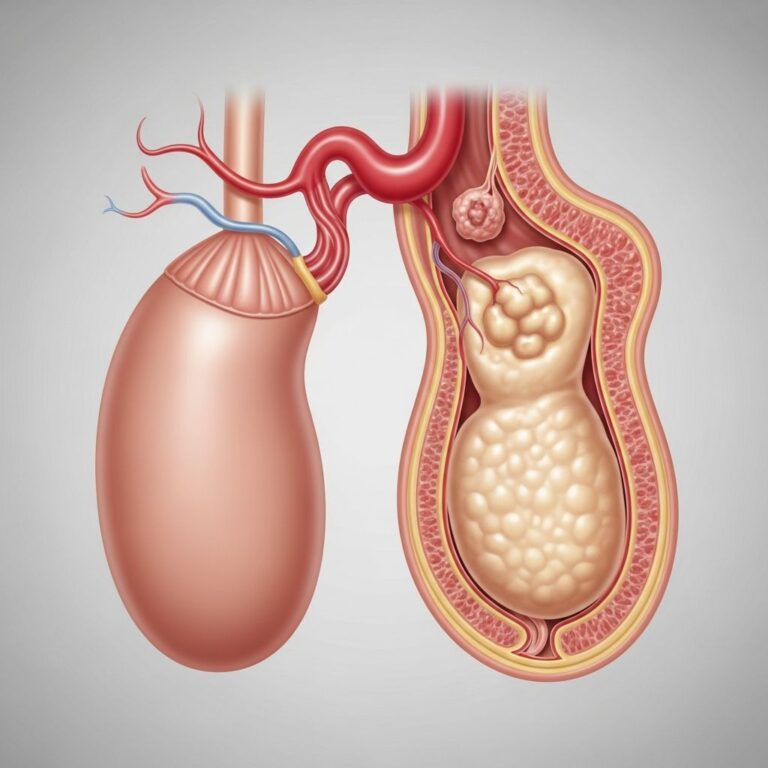
Nitrite-Positive Urine: Causes, Symptoms & Treatment
Understanding nitrite-positive urine: causes, diagnostic tests, and effective treatment options for UTIs.
What Does Nitrite-Positive Urine Mean?
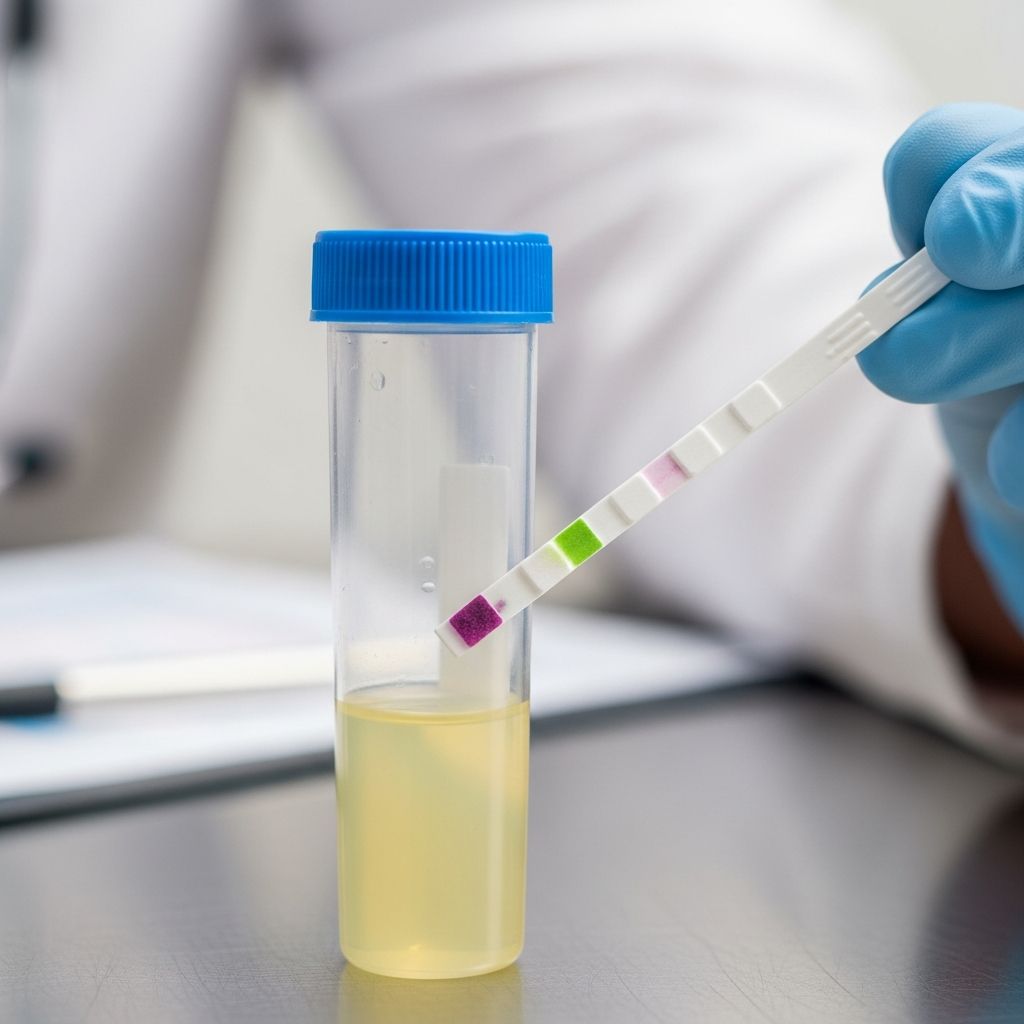
Nitrite-positive urine is a test result that indicates the presence of nitrites in your urine sample. Nitrites are chemical compounds that form when certain types of bacteria break down nitrates, which are naturally present in urine. The medical term for this condition is nitrituria. When a urine test comes back positive for nitrites, it typically suggests that you have a urinary tract infection (UTI) caused by specific bacteria that are capable of converting nitrates into nitrites.
Nitrites in your urine don’t occur naturally under normal circumstances. Their presence is a key indicator that bacteria may be present in your urinary system. Most commonly, these bacteria belong to the Enterobacteriaceae family, which includes E. coli and other gram-negative organisms that are responsible for the majority of UTI cases.
Understanding Urinary Tract Infections
Urinary tract infections are among the most common bacterial infections affecting humans, with millions of cases diagnosed each year. A UTI occurs when bacteria contaminate any part of your urinary system, which includes the kidneys, ureters, bladder, and urethra.
Types of Urinary Tract Infections
UTIs can be classified based on their location in the urinary tract. Lower urinary tract infections affect the bladder and urethra and are generally less severe. Upper urinary tract infections involve the kidneys and ureters and are more serious, requiring prompt medical attention. When bacteria travel upward through the ureters from the lower urinary tract, they can infect the kidneys, leading to a kidney infection (pyelonephritis).
Causes of Nitrite-Positive Urine
The primary cause of nitrite-positive urine is a urinary tract infection. However, understanding how nitrites appear in urine requires knowledge of bacterial metabolism and urinary chemistry.
Bacterial Metabolism and Nitrite Formation
Bacteria responsible for UTIs feed on nitrogen waste products naturally present in urine. Specifically, these bacteria have enzymes that reduce nitrates (the normal form of nitrogen waste) into nitrites. This metabolic process is a key indicator that certain types of bacteria are present in the urinary tract. Not all bacteria can perform this conversion, which is why a positive nitrite test is considered highly specific for UTI-causing organisms, particularly Enterobacteriaceae species.
Common Uropathogens
The bacteria most commonly responsible for creating nitrites in urine include E. coli, Klebsiella pneumoniae, Proteus species, and other members of the gram-negative bacterial family. These organisms are naturally found in the gastrointestinal tract and can ascend into the urinary system, particularly in women due to anatomical proximity of the urethra to the anus.
Symptoms of Nitrite-Positive Urine and UTI
The symptoms you experience depend on whether the infection is located in the lower or upper urinary tract. Early recognition and reporting of symptoms is essential for timely diagnosis and treatment.
Lower Urinary Tract Infection Symptoms
When bacteria infect the bladder or urethra, you may experience:
Related Stories



- Frequent urination, sometimes up to 8 times daily or more
- Urgent need to urinate, even when the bladder contains minimal urine
- Burning or pain during urination (dysuria)
- Pelvic pressure or discomfort
- Lower abdominal pain
- Dark, cloudy, or reddish-colored urine
- Foul-smelling urine
- Blood in the urine (hematuria)
Upper Urinary Tract Infection Symptoms
Kidney infections present with more severe symptoms and require urgent medical attention:
- High fever, often above 101°F (38.3°C)
- Shaking chills
- Back pain or flank pain (side pain)
- Nausea and vomiting
- General malaise or feeling unwell
- Fatigue and weakness
If you experience any symptoms of a kidney infection, seek immediate medical attention. Untreated kidney infections can lead to serious complications including sepsis and permanent kidney damage.
Diagnostic Testing for Nitrite-Positive Urine
Detecting nitrites in urine requires proper testing procedures and interpretation of results by healthcare professionals.
Urinalysis with Dipstick Testing
The primary method for detecting nitrites is through urinalysis with dipstick testing. During this procedure, a healthcare technician places specially treated test strips (dipsticks) into a urine sample. These dipsticks contain reactive chemicals that change color in the presence of specific substances, including nitrites. The dipstick simultaneously tests for multiple indicators including leukocyte esterase, hemoglobin, protein, pH levels, and bacteria.
Specimen Collection
Proper urine sample collection is critical for accurate results. Healthcare providers typically recommend a midstream clean-catch urine sample collected in the early morning. To collect properly:
- Begin urinating into the toilet for a few seconds
- Stop the flow and collect at least 1-2 ounces into a sterile container
- Complete urination into the toilet
- Ensure the container doesn’t touch your body
- Secure the lid and return the sample as instructed
Urine Culture Testing
If the urinalysis reveals positive nitrites and other signs of infection, your healthcare provider may order a urine culture test. In this test, bacteria from your urine sample are cultured in a laboratory environment, allowing them to grow and be identified. This process takes several days but provides crucial information about the specific bacterial species and its antibiotic sensitivity, enabling your doctor to prescribe the most effective antibiotic therapy.
Test Interpretation
A positive nitrite test result strongly suggests a UTI, particularly when combined with other findings such as white blood cells (leukocyte esterase) or red blood cells in the urine. The positive predictive value increases to 92% when nitrites are present along with blood or leukocyte esterase. However, a negative nitrite test doesn’t completely rule out infection, as some bacteria cannot convert nitrates to nitrites. Your healthcare provider will consider all test results together with your symptoms to make a diagnosis.
Treatment Options for Nitrite-Positive Urine
Once nitrite-positive urine is confirmed, appropriate treatment is essential to eliminate the infection and prevent complications.
Antibiotic Therapy
Antibiotics are the first-line treatment for UTIs causing nitrite-positive urine results. Your healthcare provider selects antibiotics based on several factors:
- Your medical history and any drug allergies
- The specific bacteria identified (if culture results are available)
- Pregnancy status, as certain antibiotics are contraindicated in pregnancy
- Kidney and liver function
- Previous antibiotic responses
Common antibiotics prescribed for UTIs include nitrofurantoin, trimethoprim-sulfamethoxazole, fluoroquinolones, and cephalosporins. Most uncomplicated lower urinary tract infections can be treated successfully with a short course of antibiotics, typically lasting 3-7 days, depending on the specific medication and infection severity.
Supportive Care Measures
In addition to antibiotic therapy, several self-care strategies help alleviate symptoms and support recovery:
- Drink plenty of water and other fluids to dilute urine and flush bacteria from the urinary tract
- Urinate frequently, avoiding holding urine for extended periods
- Use heating pads to reduce pelvic or back pain
- Take over-the-counter pain relievers such as ibuprofen or acetaminophen (follow package directions)
- Avoid caffeine, alcohol, and spicy foods that may irritate the bladder
- Practice good hygiene, wiping from front to back after using the toilet
Treatment for Upper Urinary Tract Infections
Kidney infections require more aggressive treatment than lower UTIs. If nitrite-positive urine is accompanied by symptoms of kidney infection, hospitalization may be necessary. In the hospital setting, you may receive:
- Intravenous (IV) antibiotics for direct bloodstream delivery
- IV fluids to maintain hydration and support kidney function
- Monitoring of vital signs and kidney function tests
Potential Complications of Untreated UTI
When nitrite-positive urine indicating a UTI is left untreated or inadequately treated, serious complications can develop, particularly if the infection spreads to the kidneys:
- Sepsis: A life-threatening condition where the infection enters the bloodstream
- Chronic kidney disease: Long-term damage to kidney function
- Kidney scarring: Permanent structural damage to kidney tissue
- High blood pressure: Hypertension may develop following severe kidney infection
- Kidney failure: Loss of kidney function requiring dialysis or transplantation
- Preterm labor: In pregnant individuals, untreated UTIs increase risk of early delivery
- Low birth weight: Infants born to mothers with untreated UTIs may have reduced birth weight
In contrast, lower urinary tract infections cause very few complications when treated promptly with appropriate antibiotics.
Special Considerations
Pregnancy and Nitrite-Positive Urine
Pregnant individuals with symptoms of UTI should seek medical evaluation immediately. Untreated UTIs during pregnancy can lead to serious complications for both mother and baby, including preterm labor and low birth weight. Certain antibiotics are safe to use during pregnancy, while others are contraindicated, so it’s crucial to inform your healthcare provider of your pregnancy status.
Older Adults
Older adults may present with atypical UTI symptoms. Instead of typical urinary symptoms, they may experience weakness, fatigue, confusion, or behavioral changes. A positive nitrite test in an older adult with these symptoms warrants prompt treatment.
Frequently Asked Questions About Nitrite-Positive Urine
Q: What does a positive nitrite test mean?
A: A positive nitrite test indicates that certain bacteria are present in your urinary tract, suggesting a urinary tract infection. These bacteria have the ability to convert nitrates naturally present in urine into nitrites.
Q: Can I have a UTI with a negative nitrite test?
A: Yes, it’s possible. While nitrites are highly specific for certain bacteria, not all UTI-causing bacteria can convert nitrates to nitrites. Your healthcare provider will also look for other indicators like white blood cells (leukocyte esterase) to confirm infection.
Q: How long does antibiotic treatment take for nitrite-positive urine?
A: Most uncomplicated lower urinary tract infections respond well to antibiotic therapy within 3-7 days. However, it’s important to complete the entire course of antibiotics as prescribed, even if symptoms resolve earlier.
Q: How can I prevent nitrite-positive urine and UTIs?
A: Prevention strategies include drinking adequate water, urinating when you feel the urge, wiping from front to back, practicing good hygiene, urinating after sexual intercourse, and avoiding irritating products like douches or scented sprays.
Q: Is nitrite-positive urine always serious?
A: Lower urinary tract infections with nitrite-positive results are usually not serious and respond well to antibiotics. However, if the infection spreads to the kidneys, it becomes more serious and requires prompt medical attention.
Q: When should I see a doctor for nitrite-positive urine symptoms?
A: Contact your healthcare provider if you experience symptoms of UTI such as frequent urination, burning during urination, or pelvic pain. Seek immediate care if you have fever, back pain, nausea, or vomiting, which may indicate kidney infection.
References
- Nitrites in Urine: MedlinePlus Medical Test — National Library of Medicine, U.S. National Institutes of Health. 2024. https://medlineplus.gov/lab-tests/nitrites-in-urine/
- Nitrites in urine: Causes and tests — Medical News Today. 2024. https://www.medicalnewstoday.com/articles/321364
- Does my patient need to be screened or treated for a urinary tract infection? — Cleveland Clinic Journal of Medicine, 2023. https://www.ccjm.org/content/89/12/695
- Urinalysis: What It Is, Purpose, Procedure, Results & Types — Cleveland Clinic. 2024. https://my.clevelandclinic.org/health/diagnostics/17893-urinalysis
- Urinary Tract Infections (UTI): Causes, Symptoms & Treatment — Cleveland Clinic. 2024. https://my.clevelandclinic.org/health/diseases/9135-urinary-tract-infections
- Urinary Tract Health, From Bladder to Kidney Infections — Cleveland Clinic Health. 2024. https://health.clevelandclinic.org/urinary-tract-health-from-bladder-to-kidney-infections
Similar Articles








Read full bio of medha deb