Nitroglycerin For Angina: Complete Guide To Use And Safety
Effective relief for angina chest pain with nitroglycerin sprays, tablets, and patches: usage, side effects, and precautions.
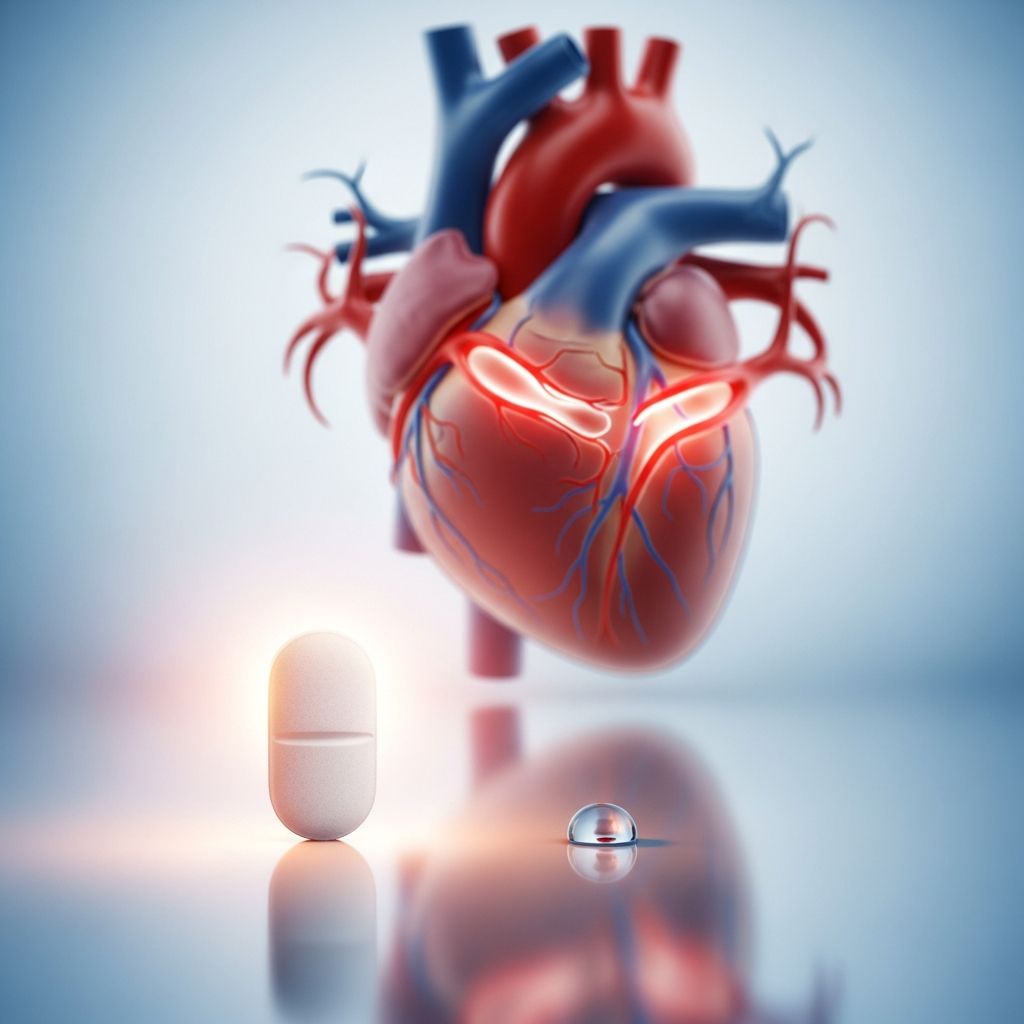
Nitroglycerin is a nitrate vasodilator medication primarily used to relieve chest pain (angina) associated with coronary artery disease. Short-acting forms like sublingual tablets and sprays offer rapid relief within minutes by widening blood vessels and improving blood flow to the heart.
| Type of medicine | A nitrate vasodilator |
|---|---|
| Used for | Chest pain associated with angina |
| Also called | Minitran®, Nitro-Dur®, Nitrolingual®, Nitromist®, Nitro-Bid® |
| Available as | Spray, sublingual tablets (under the tongue), melt-in-the-mouth tablets or films, ointment, patches, capsules |
Short-acting nitroglycerin formulations, such as tablets and sprays, last 20-30 minutes and are ideal for immediate relief during an angina attack or prophylactically before activities like exercise that may trigger pain. Always carry them with you.
About Nitroglycerin
Nitroglycerin belongs to the class of nitrates, which act as vasodilators. It works through two key mechanisms: first, it relaxes and widens blood vessels throughout the body, reducing the heart’s workload by lowering blood pressure and easing pumping efforts; second, it specifically dilates coronary arteries, enhancing oxygen-rich blood flow to the heart muscle. This dual action quickly alleviates angina symptoms, typically within 1-3 minutes of administration, with peak effects in 5 minutes.
Angina occurs when the heart muscle doesn’t receive enough oxygen due to narrowed coronary arteries, often from plaque buildup. Nitroglycerin addresses this by improving supply and demand balance. The FDA has approved it since 2000 for acute relief and prophylaxis of angina pectoris. Off-label uses include hypertensive emergencies and heart failure, but for angina, it’s the cornerstone short-acting therapy.
Long-acting forms like patches (e.g., Minitran, Nitro-Dur) or ointments provide steady prevention over hours or days, while short-acting ones target acute episodes. Patients often combine both under medical guidance.
How and When to Take/Use Nitroglycerin
Always follow your doctor’s instructions and read the patient leaflet for your specific formulation. Doses are tailored, often printed on the label. Sit or lie down before use to avoid dizziness from blood pressure drops.
Spray (e.g., Nitrolingual, Nitromist)
- Spray 1-2 doses under your tongue at the onset of pain.
- Close mouth immediately; do not swallow or rinse.
- Pain should ease in 1 minute.
- If no relief, repeat after 5 minutes.
- If pain persists after 3 doses (15 minutes), call 911—could indicate a heart attack.
Sublingual Tablets
- Place 1 tablet (0.3 mg, 0.4 mg, or 0.6 mg) under tongue; let dissolve (do not chew/swallow).
- Relief in 1-3 minutes; repeat after 5 minutes if needed, up to 3 doses.
- Seek emergency help if no improvement after 15 minutes.
Patches/Ointments (Long-Acting)
- Apply to clean, hairless skin; rotate sites to avoid irritation.
- Remove patch after 12-14 hours daily to prevent tolerance.
- Use for prevention, not acute attacks.
Prophylactic use: Take 5-10 minutes before triggering activities like climbing stairs or sexual activity. Store in original container, away from light/heat; replace expired supply.
Getting the Most from Your Treatment
To optimize effectiveness:
- Carry always: Keep spray/tablets accessible; inform family/friends of use.
- Tolerance prevention: For long-acting forms, have a patch-free interval (e.g., overnight).
- Storage: Cool, dry place; sublingual tablets lose potency if exposed to air/moisture.
- Alcohol caution: Avoid, as it amplifies dizziness.
- Lifestyle: Quit smoking, manage weight, exercise as advised to reduce attacks.
Related Stories



If headaches limit use, your doctor may adjust dose or add pain relief. Regular check-ups monitor heart health.
Side-Effects of Nitroglycerin
Common side effects are due to vasodilation and usually mild/transient. Headaches signal it’s working and often lessen over time.
| Common Side-Effect | What to Do |
|---|---|
| Throbbing headache | Usually passes soon; paracetamol may help. Persists? Consult doctor. |
| Dizziness/light-headedness | Sit/lie down; avoid driving/tools until cleared. |
| Fast heartbeat | If bothersome, speak to physician. |
| Nausea | Should pass; rest helps. |
| Skin flushing/reactions (patches) | Rotate sites; consult if severe. |
Serious effects (rare): Severe hypotension, fainting, allergic reactions—seek immediate help. Report new symptoms to your doctor.
How to Cope with Side-Effects of Nitroglycerin
Headaches: Most common initially; start low dose, increase gradually. Hydrate, rest in dark room; OTC painkillers if approved.
Dizziness: Rise slowly; ensure hydration. Effects peak early post-dose.
Tolerance: Develops with continuous use; nitrate-free periods restore sensitivity.
Most adapt within days; persistent issues warrant dose review.
Cautions When Using Nitroglycerin
- Allergies: Avoid if allergic to nitrates.
- Viagra/Cialis: Do not use within 24-48 hours—risks severe blood pressure drop.
- Low BP/Glaucoma/Anemia: Use cautiously; monitor.
- Pregnancy/Breastfeeding: Consult doctor—weigh risks.
Other Medicines and Nitroglycerin
Nitroglycerin interacts with:
- PDE5 inhibitors (sildenafil, tadalafil): Contraindicated.
- Beta-blockers/Calcium blockers: May enhance effects; doctor-monitored.
- Alcohol: Increases side effects.
- Antihypertensives: Risk excessive BP drop.
Disclose all meds/supplements to your healthcare provider.
Frequently Asked Questions
What if pain doesn’t ease after nitroglycerin?
If no relief after 3 doses in 15 minutes, call 911—it may be a heart attack.
Can I drive after taking nitroglycerin?
No, until dizziness passes; sit down first.
How long does nitroglycerin last?
Short-acting: 20-30 minutes; effects start in 1-3 minutes.
Does nitroglycerin cause tolerance?
Yes, with continuous use; use nitrate-free intervals for patches.
Is nitroglycerin safe for elderly?
Yes, but start low due to BP sensitivity; doctor supervision required.
When Not to Use Nitroglycerin
Avoid if recent PDE5 use, severe anemia, right ventricular infarction, or known hypersensitivity. Not for recreational drugs like poppers.
Understanding Angina and Nitroglycerin’s Role
Angina is a warning sign of heart strain. Nitroglycerin bridges acute relief while long-term strategies like statins, aspirin, or angioplasty address causes. Lifestyle changes amplify benefits: heart-healthy diet, 150 minutes weekly exercise, stress management.
Recent guidelines (post-2023) emphasize rapid nitroglycerin in emergency protocols, with EMS carrying it. Studies confirm sublingual onset under 3 minutes, reducing hospitalization needs.
References
- Nitroglycerin for Angina | Patient.info — Patient.info. 2023. https://patient.info/medicine/nitroglycerin-for-angina-minitran-nitrolingual-nitromist
- Nitroglycerin – StatPearls — NCBI Bookshelf. 2024-06-12. https://www.ncbi.nlm.nih.gov/books/NBK482382/
- Nitroglycerin Sublingual: MedlinePlus — MedlinePlus (NIH). 2024. https://medlineplus.gov/druginfo/meds/a601086.html
- Nitroglycerin Sublingual Tablets — Cleveland Clinic. 2024. https://my.clevelandclinic.org/health/drugs/20423-nitroglycerin-sublingual-tablets
- Using Nitroglycerin for Angina — MyHealth Alberta (Gov). 2024. https://myhealth.alberta.ca/Health/pages/conditions.aspx?hwid=hw85228spec
- Nitrostat Prescribing Information — Pfizer. 2023. https://labeling.pfizer.com/showlabeling.aspx?id=663
Similar Articles








Read full bio of medha deb