Nitroglycerin Sublingual Tablets: Uses & Side Effects
Complete guide to nitroglycerin sublingual tablets for chest pain relief and angina prevention.
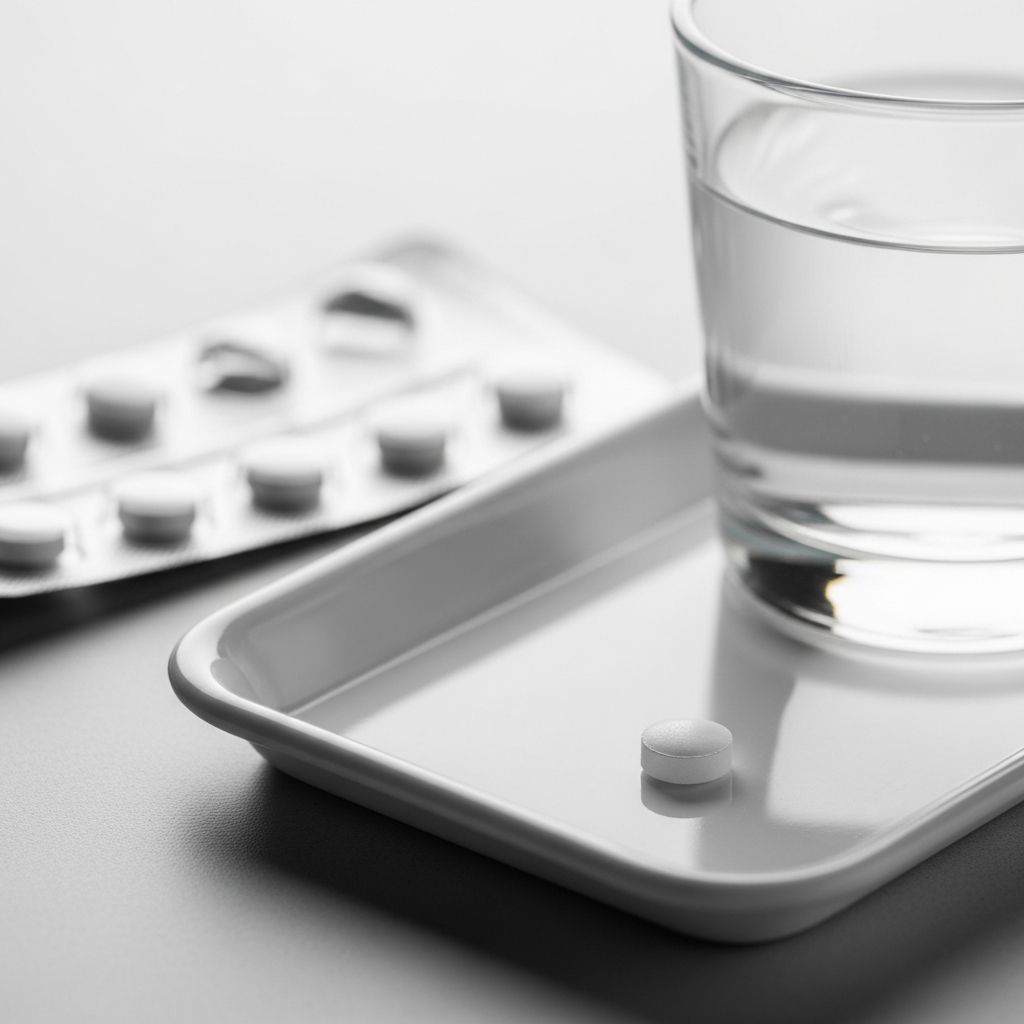
Understanding Nitroglycerin Sublingual Tablets
Nitroglycerin sublingual tablets are a fast-acting medication designed to prevent and treat chest pain caused by angina, a condition resulting from narrowed blood vessels that supply blood to the heart. This medication belongs to a class of drugs called vasodilators, which work by relaxing blood vessels and reducing the workload on your heart. By decreasing the heart’s oxygen demand, nitroglycerin provides quick relief during angina attacks and can prevent episodes before they occur.
The sublingual form of nitroglycerin is specifically formulated for rapid absorption through the tissues under your tongue, making it ideal for emergency situations when immediate relief is needed. Unlike oral medications that must pass through your digestive system, sublingual tablets bypass this process entirely, delivering medication directly into your bloodstream within minutes.
What is Nitroglycerin and How Does It Work?
Nitroglycerin is a potent nitrate medication that has been used in cardiac care for over a century. The medication works through a straightforward but effective mechanism: it relaxes the smooth muscles in blood vessel walls, causing them to widen and allowing more blood to flow through them. This vasodilation reduces the pressure your heart must work against and decreases the amount of oxygen the heart requires to function properly.
When you experience angina—characterized by chest pain, tightness, or a squeezing sensation—it typically indicates that your heart is not receiving enough oxygen-rich blood. By relaxing your blood vessels, nitroglycerin increases blood flow to the heart muscle, alleviating the pain and discomfort almost immediately. The sublingual tablet formulation is particularly effective because it dissolves under the tongue, where the rich network of blood vessels allows for rapid absorption directly into the systemic circulation.
Uses of Nitroglycerin Sublingual Tablets
Nitroglycerin sublingual tablets serve two primary purposes in cardiac care: acute treatment and preventive therapy. Understanding both uses helps patients manage their condition effectively and avoid potentially dangerous situations.
Acute Treatment of Angina Attacks
The primary use of nitroglycerin sublingual tablets is to provide immediate relief during an active angina attack. When you experience sudden chest pain or tightness, placing a tablet under your tongue allows the medication to work rapidly, typically providing relief within 1 to 5 minutes. This quick action makes sublingual nitroglycerin an essential medication for individuals with coronary artery disease who experience unpredictable angina episodes.
Preventive Use
Beyond treating active attacks, nitroglycerin sublingual tablets can be used preventively. If you anticipate engaging in activities known to trigger angina—such as strenuous exercise, emotional stress, or exposure to cold weather—taking a tablet 5 to 10 minutes before the activity can prevent an angina episode from developing. This proactive approach allows many patients to maintain a more active lifestyle while managing their cardiac condition.
Related Stories



How to Properly Use Nitroglycerin Sublingual Tablets
Correct administration of nitroglycerin sublingual tablets is crucial for achieving maximum effectiveness and safety. Improper use can significantly reduce the medication’s efficacy and may increase the risk of adverse effects.
Step-by-Step Administration Instructions
When treating an active angina attack:
– Sit down immediately when you begin to feel chest pain or tightness- Remove one tablet from the container- Place the tablet under your tongue or between your cheek and gum- Allow the tablet to dissolve completely without chewing, crushing, or swallowing- Avoid eating, drinking, smoking, or using chewing tobacco while the tablet is dissolving- Wait for relief, which typically occurs within 1 to 5 minutes
When using the medication preventively:
– Take one tablet 5 to 10 minutes before activities likely to produce chest pain- Follow the same dissolution process as described above- Allow the tablet to fully dissolve in your mouth
Important Precautions During Use
It is essential to sit down while taking nitroglycerin sublingual tablets because the medication can cause dizziness, lightheadedness, or fainting as it takes effect. These symptoms occur because the medication lowers blood pressure as it relaxes your blood vessels. Remaining seated prevents falls and injuries that could result from sudden dizziness or loss of consciousness.
You may experience a burning or tingling sensation in your mouth as the tablet dissolves. This is a completely normal reaction and does not indicate whether the medication is working. The absence of this sensation does not mean the medication is ineffective. Focus on symptom relief rather than physical sensations in your mouth.
Dosage Guidelines
Proper dosing of nitroglycerin is critical for both safety and effectiveness. The dosage depends on whether you are treating an acute attack or using the medication preventively.
For Acute Angina Attacks
The standard dosing protocol for sublingual tablets during an angina attack follows a specific sequence:
– Take 1 tablet at the first sign of chest pain or discomfort- If pain persists after 5 minutes, take a second tablet- If pain continues for another 5 minutes, a third tablet may be taken- Do not take more than 3 tablets in any 15-minute period- If chest pain continues after taking a total of 3 tablets, this is a medical emergency
For Preventive Use
When using nitroglycerin to prevent angina triggered by known activities:
– Take 1 tablet 5 to 10 minutes before the anticipated activity- This timing allows the medication to reach peak effectiveness just as you begin the activity- Follow your doctor’s specific directions regarding frequency
Individual Variation
Your doctor may adjust your specific dosage based on your individual response to the medication, your medical history, and any other medications you take. Always follow the directions on your prescription label precisely and consult your healthcare provider before making any changes to your dosing regimen.
What to Do During an Angina Attack
If you experience an angina attack, following a clear action plan is essential for your safety and wellbeing.
Immediate Response
– Sit down immediately- Take one nitroglycerin sublingual tablet and place it under your tongue- Allow it to dissolve completely- Wait for symptom relief
If Symptoms Don’t Improve
If your chest pain does not improve or worsens after taking your first dose, call 9-1-1 immediately. Do not attempt to drive yourself to the hospital. This situation indicates that your current medication regimen may be insufficient for your condition, or that you may be experiencing a more serious cardiac event such as a heart attack.
Multiple Doses Protocol
If your symptoms do not resolve after the first dose:
– Wait 5 minutes- Take a second tablet under your tongue- Wait another 5 minutes- If pain persists, take a third tablet- After three tablets with no improvement, contact emergency services immediately
Side Effects and Safety Considerations
Like all medications, nitroglycerin sublingual tablets can cause side effects. Understanding these effects helps you distinguish between normal medication responses and signs of serious complications.
Common Side Effects
Many patients experience mild side effects that typically diminish as their body adjusts to the medication:
– Headache (one of the most common side effects)- Flushing or redness of the face- Dizziness or lightheadedness- Rapid heartbeat- Weakness or fatigue- Nausea
These common side effects usually do not require medical attention and often decrease with continued use as your body adapts to the medication. Your healthcare provider may recommend strategies to minimize these effects.
Serious Side Effects Requiring Medical Attention
Seek immediate medical attention if you experience any of the following:
– Severe or persistent headache- Severe dizziness or fainting- Blurred vision or tunnel vision- Unusual bleeding or bruising- Difficulty breathing or shortness of breath- Slow or irregular heartbeat- Sore throat- Unusual tiredness or extreme weakness- Signs of allergic reaction including rash or hives
Drug Interactions and Contraindications
Before taking nitroglycerin sublingual tablets, inform your healthcare provider about all medications you currently take, as certain drug combinations can be dangerous.
Critical Interactions
The most dangerous interaction involves phosphodiesterase-5 inhibitors, commonly used to treat erectile dysfunction, including sildenafil (Viagra), tadalafil (Cialis), and vardenafil (Levitra). Combining these medications with nitroglycerin can cause a dangerous drop in blood pressure that may result in fainting, stroke, or heart attack. Never take nitroglycerin within 24 to 48 hours of taking these medications.
Other medications that may interact with nitroglycerin include:
– Blood pressure medications- Certain antidepressants- Other nitrate medications- Riociguat, used for pulmonary hypertension
Medical Conditions to Report
Inform your doctor if you have any of these conditions before using nitroglycerin:
– Recent heart attack- Low blood pressure- Anemia- Glaucoma- Hyperthyroidism- Recent head trauma- Severe kidney or liver disease
Storage and Handling
Proper storage ensures your nitroglycerin tablets remain effective when you need them:
– Store at room temperature away from light and moisture- Keep in the original container or in a specially designed nitroglycerin container- Protect from extreme heat or cold- Check expiration dates regularly and replace expired medication- Keep away from children and pets
Container Importance
Nitroglycerin tablets are sensitive to light and air exposure. Keeping them in the original container helps maintain potency. If you transfer tablets to a weekly pill organizer, they may lose effectiveness more quickly. Some pharmacies provide special nitroglycerin containers that better protect the medication.
When to Seek Emergency Care
Certain situations require immediate emergency medical attention rather than medication management:
– Chest pain that is different from your usual angina- Chest pain that does not improve after taking three nitroglycerin tablets- Chest pain accompanied by shortness of breath, nausea, or sweating- Any concern that you may be experiencing a heart attack- Severe side effects from the medication
When in doubt, call 9-1-1. It is far better to have a false alarm than to delay treatment for a genuine cardiac emergency. Do not drive yourself to the hospital during a cardiac event; call emergency services and wait for professional help.
Frequently Asked Questions
Q: How quickly does nitroglycerin sublingual work?
A: Most patients experience relief within 1 to 5 minutes of placing the tablet under their tongue. The sublingual route delivers medication directly into the bloodstream, allowing for rapid onset of action compared to swallowed tablets.
Q: Can I swallow nitroglycerin sublingual tablets?
A: No. Sublingual tablets are specifically formulated to dissolve under the tongue for rapid absorption. Swallowing significantly delays the medication’s effects and may render it ineffective for treating acute angina attacks. Always place the tablet under your tongue and allow it to dissolve.
Q: What should I do if I forget to take my preventive dose before exercise?
A: If you forgot to take nitroglycerin preventively and you begin to experience chest pain during activity, stop the activity immediately, sit down, and take a tablet. Contact your doctor if this becomes a pattern, as your medication regimen may need adjustment.
Q: Can I become dependent on nitroglycerin?
A: Nitroglycerin is not habit-forming in the traditional sense, but your body may develop tolerance with long-term use, reducing the medication’s effectiveness. Your doctor may recommend a “nitrate-free interval” period (typically 10-14 hours daily) to prevent tolerance development.
Q: Are there long-acting alternatives to sublingual tablets?
A: Yes. Extended-release nitroglycerin capsules are available for long-term prevention of angina and can be used alongside sublingual tablets for acute episodes. Your doctor can determine which formulation is most appropriate for your situation.
Q: Can women take nitroglycerin sublingual tablets?
A: Yes, nitroglycerin sublingual tablets are effective for both men and women with angina. Women may sometimes experience different angina symptoms than men, so it is important to discuss any chest-related symptoms with your healthcare provider.
Q: What should I do if I experience persistent headaches from nitroglycerin?
A: Headaches are common, especially when beginning nitroglycerin therapy, and often improve with continued use. Discuss persistent headaches with your doctor, who may recommend over-the-counter pain relief or adjust your dosage. Do not stop taking nitroglycerin without medical guidance.
References
- Nitroglycerin (Oral Route, Sublingual Route) — Mayo Clinic. 2024-11-15. https://www.mayoclinic.org/drugs-supplements/nitroglycerin-oral-route-sublingual-route/description/drg-20072863
- Nitroglycerin Sublingual: MedlinePlus Drug Information — National Library of Medicine. 2024-11-01. https://medlineplus.gov/druginfo/meds/a601086.html
- Nitroglycerin: Uses & Side Effects — Cleveland Clinic. 2024-10-20. https://my.clevelandclinic.org/health/drugs/20423-nitroglycerin-sublingual-tablets
- Nitroglycerin Sublingual Powder — Cleveland Clinic. 2024-09-15. https://my.clevelandclinic.org/health/drugs/20492-nitroglycerin-sublingual-powder
- Nitroglycerin Extended-Release Capsules — Cleveland Clinic. 2024-08-10. https://my.clevelandclinic.org/health/drugs/18241-nitroglycerin-extended-release-capsules
- Coronary Artery Spasm: Causes, Symptoms and Treatment — Cleveland Clinic. 2024-07-22. https://my.clevelandclinic.org/health/diseases/16900-coronary-spasm
Similar Articles








Read full bio of medha deb