Nivolumab: Mechanism, Uses, and Skin Side Effects
Comprehensive guide to nivolumab: mechanism of action, cancer treatment applications, and management of cutaneous adverse effects.
What is Nivolumab?
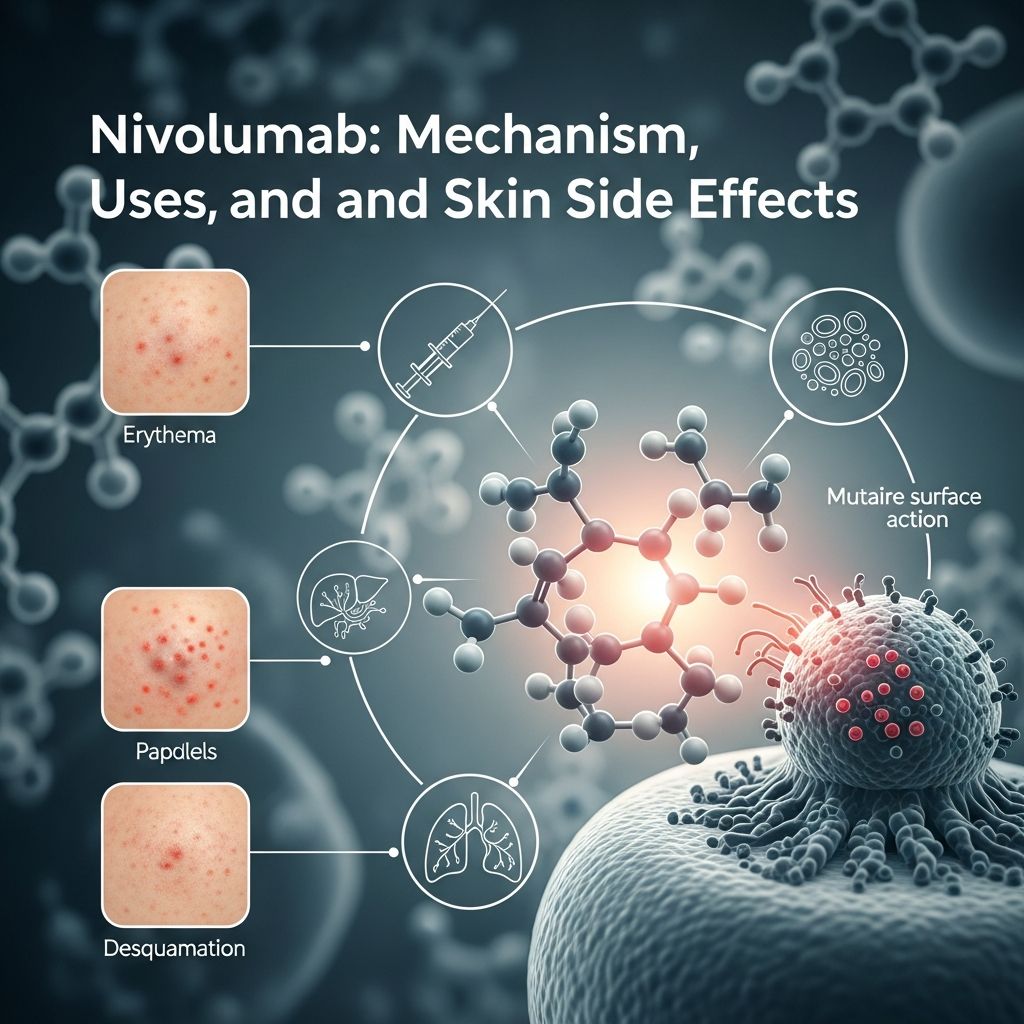
Nivolumab is a humanised IgG4 monoclonal antibody that represents a significant advancement in immunotherapy for cancer treatment. This medication works by binding to the programmed cell death protein 1 (PD-1) receptor and blocking its interaction with its ligand (PD-L1), thereby preventing tumour cells from inhibiting T lymphocytes. By restoring the immune system’s ability to recognise and attack cancer cells, nivolumab has revolutionised treatment approaches for multiple malignancies.
Mechanism of Action
The PD-1/PD-L1 pathway is a critical immune checkpoint that tumours exploit to evade immune surveillance. Cancer cells express PD-L1 on their surface, which binds to PD-1 on T lymphocytes, effectively turning off these immune cells and preventing them from attacking the malignancy. Nivolumab interrupts this interaction by binding to PD-1, restoring T lymphocyte function and enabling the immune system to mount an effective anti-tumour response.
This mechanism distinguishes nivolumab from traditional chemotherapy, which directly damages rapidly dividing cells. Instead, nivolumab leverages the body’s own immune system, often resulting in different patterns of side effects compared to conventional cancer treatments.
Approved Uses and Cancer Types
Nivolumab is approved for treatment of various cancers, including:
- Melanoma
- Squamous cell carcinoma of the head and neck
- Non-small cell lung cancer (NSCLC)
- Renal cell carcinoma
- Hodgkin’s lymphoma
- Colorectal cancer
- Gastric cancer
The approval of nivolumab for these diverse cancer types reflects the broad applicability of PD-1 inhibition in oncology. In melanoma patients treated with nivolumab, rash and vitiligo have been associated with prolonged overall survival, suggesting that cutaneous immune-related adverse events may correlate with better treatment outcomes.
Common Side Effects
While nivolumab is generally well-tolerated compared to traditional chemotherapy, it is associated with various systemic side effects. The most frequently reported non-dermatologic adverse effects include:
- Fatigue and weakness
- Loss of appetite and nausea
- Bone, joint, or muscle pain
- Diarrhoea
- Cough and dyspnoea
- Headache
- Constipation
- Stomach pain or heartburn
These side effects are generally manageable and reversible in most cases. However, patients should report any persistent or worsening symptoms to their healthcare provider.
Cutaneous Adverse Effects of Nivolumab
Dermatologic side effects are among the most visible and concerning adverse events associated with nivolumab. Understanding these reactions is essential for both patients and healthcare providers to ensure early recognition and appropriate management.
Frequency and Common Presentations
In non-small cell lung cancer (NSCLC) patients treated with nivolumab, skin eruptions and pruritus have been reported in approximately 10% or higher. In melanoma patients, the incidence may be higher, with up to 25% of patients experiencing rash or pruritus. These cutaneous manifestations represent immune-related adverse events (irAEs) triggered by the drug’s mechanism of action.
Common Cutaneous Manifestations
The most common patterns of cutaneous toxicity caused by PD-1 inhibitors include:
- Lichenoid dermatoses: Characterised by scaly plaques, often on the extremities, with potential for nail and periungual involvement
- Pruritus: Intense itching that may occur with or without visible skin lesions
- Vitiligo: Loss of skin pigmentation, particularly noted in melanoma patients
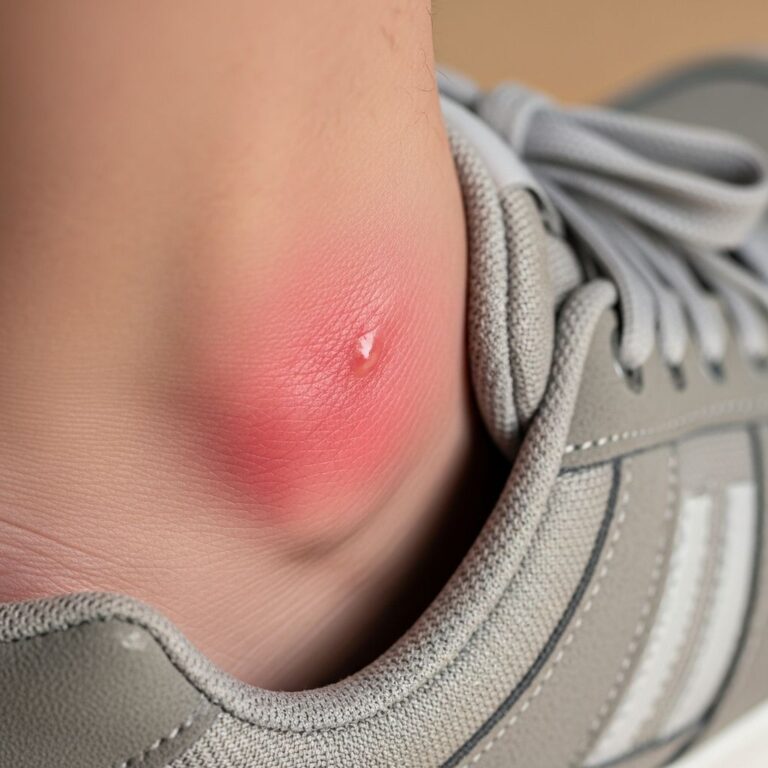
- Rash: Red, irritated skin that may be generalised or localised
- Skin blistering or peeling: More serious manifestations requiring immediate medical attention
Related Stories



Rare but Serious Cutaneous Reactions
While less frequent, more severe cutaneous reactions can occur and require immediate medical intervention. These include:
- Stevens-Johnson Syndrome (SJS): A rare but serious reaction characterised by blistering and peeling of the skin
- Drug Rash with Eosinophilia and Systemic Symptoms (DRESS): An immune-mediated reaction involving systemic involvement
- Toxic Epidermal Necrolysis (TEN): A life-threatening condition requiring immediate hospitalisation
- Bullous pemphigoid: An autoimmune blistering disorder
- Subacute cutaneous lupus erythematosus (SCLE): An autoimmune-like presentation with annular papulosquamous lesions
Patients presenting with blistering, peeling, or loosening of the skin, severe acne or rash, sores or ulcers, or other signs of serious skin reactions should seek immediate medical attention.
Clinical Case Presentations
Understanding real-world presentations of nivolumab-induced cutaneous toxicity aids in early diagnosis and management. Two notable case presentations illustrate the diversity of these reactions:
Case 1: Psoriasiform Reaction
A 66-year-old male with stage IV squamous cell carcinoma of the floor of the mouth presented with a progressive erythematous, desquamative, hyperkeratotic eruption on the hands, feet, and scalp, with intense nail and periungual involvement. Histopathological examination revealed lichenoid dermatitis. Topical treatments were initiated, leading to slight improvement, and the patient remained on nivolumab therapy.
Case 2: Nivolumab-Induced SCLE
A 66-year-old female with stage IV lung adenocarcinoma presented with a 2-month history of pruritic annular papulosquamous and crusted plaques on the upper torso, limbs, and face. Testing revealed antinuclear autoantibodies (1/320) and anti-SSA/Ro60 positivity, confirming nivolumab-induced subacute cutaneous lupus erythematosus. The patient required discontinuation of nivolumab and initiation of topical betamethasone dipropionate and oral prednisone (1 mg/kg/day), with eventual resolution. Upon rechallenge with nivolumab, the patient subsequently developed pneumonitis, necessitating indefinite discontinuation.
Management of Cutaneous Adverse Events
Monitoring and Early Recognition
Patients receiving nivolumab should undergo regular dermatologic surveillance to identify cutaneous adverse events early. A multidisciplinary approach involving dermatologists, oncologists, and other specialists facilitates optimal management. Photographic documentation of rashes at baseline and during treatment can aid in assessing progression and response to intervention.
Treatment Approach by Severity
Grade 1 (Mild): Usually managed with topical corticosteroids and antihistamines. Patients typically continue nivolumab without interruption.
Grade 2 (Moderate): May require topical or systemic corticosteroids, and nivolumab may be withheld temporarily pending improvement. Topical betamethasone dipropionate or equivalent is often first-line.
Grade 3–4 (Severe): Systemic corticosteroids (oral prednisone typically at 1 mg/kg/day) are indicated, and nivolumab is usually discontinued. Recovery must be documented before rechallenge is considered.
Specific Management Strategies
- Lichenoid dermatoses and pruritus: Topical corticosteroids as first-line; systemic agents if widespread or unresponsive
- Vitiligo: Recognised as a favourable prognostic sign in melanoma; topical treatments for cosmetic purposes
- Serious reactions (SJS, DRESS, TEN): Immediate nivolumab discontinuation, systemic corticosteroids, and supportive care in hospital settings
- Bullous disorders: Require dermatologic consultation and potential systemic immunosuppression
Impact on Treatment Outcomes
An interesting clinical observation is that cutaneous irAEs in melanoma patients have been associated with prolonged overall survival, suggesting that robust immune activation targeting both tumour cells and skin antigens may indicate favourable immunotherapy response. In NSCLC patients, those developing skin irAEs demonstrated better response rates compared to non-responders, with 42% of responders developing skin reactions versus only 7% of non-responders.
Permanence and Treatment Discontinuation
In clinical trials, adverse reactions that resulted in permanent discontinuation of nivolumab in more than 1% of patients included arthralgia (1.7%), rash (1.7%), and diarrhoea (1.1%). Most cutaneous adverse events, however, are reversible upon drug discontinuation or with appropriate management, allowing many patients to continue therapy.
Patient Education and Monitoring
Patients should be educated about potential skin changes and advised to report new or worsening rashes, intense itching, blistering, or peeling immediately. Regular follow-up appointments with both oncology and dermatology teams optimise early detection and intervention. Patients should avoid known skin irritants and maintain gentle skincare routines during treatment.
Frequently Asked Questions
Q: How long after starting nivolumab might skin side effects appear?
A: Cutaneous adverse events can occur at any time during treatment. Most commonly, they develop within the first few months but may emerge later. Close monitoring throughout therapy is essential.
Q: Can nivolumab be continued if a rash develops?
A: Yes, in many cases. Grade 1–2 rashes can often be managed with topical treatments while continuing nivolumab. However, more severe reactions (Grade 3–4) typically require temporary or permanent discontinuation of the drug.
Q: Is vitiligo from nivolumab permanent?
A: Vitiligo induced by nivolumab may be permanent or slowly progressive. However, it is often regarded as a marker of immune activation and improved treatment response, particularly in melanoma patients.
Q: What should I do if I develop severe blistering or peeling?
A: Severe blistering or peeling may indicate Stevens-Johnson syndrome, DRESS, or toxic epidermal necrolysis—all medical emergencies. Seek immediate medical attention at an emergency department.
Q: Can skin reactions recur if nivolumab is restarted?
A: Yes, rechallenge with nivolumab after a severe cutaneous reaction carries risk of recurrence. Careful evaluation and coordination between oncology and dermatology is necessary before rechallenge.
References
- Cutaneous Adverse Effects Induced by Nivolumab — EMJ Reviews. 2024. https://www.emjreviews.com/dermatology/abstract/cutaneous-adverse-effects-induced-by-nivolumab/
- Nivolumab (intravenous route) — Description and Side Effects — Mayo Clinic. 2024. https://www.mayoclinic.org/drugs-supplements/nivolumab-intravenous-route/description/drg-20127723
- OPDIVO® (nivolumab) Side Effects — Bristol Myers Squibb. 2024. https://www.opdivo.com/side-effects
- Characterization of nivolumab-associated skin reactions in patients with non-small cell lung cancer — PubMed Central. 2016. https://pmc.ncbi.nlm.nih.gov/articles/PMC5139632/
- Nivolumab Patient Education — Memorial Sloan Kettering Cancer Center. 2024. https://www.mskcc.org/cancer-care/patient-education/medications/adult/nivolumab
- Immune-mediated dermatologic adverse reactions — OPDIVO Healthcare Provider Information. 2024. https://www.opdivohcp.com/dosing/treatment-modifications/dermatologic
- Immunotherapy side effects in detail — Melanoma Focus. 2024. https://melanomafocus.org/melanoma-patient-treatment-guide/melanoma-treatment/immunotherapy-treatment/possible-side-effects/immunotherapy-side-effects-in-detail/
Similar Articles








Read full bio of Sneha Tete