NMN Benefits: 9 Science-Backed Health Effects
Discover the promising science-backed benefits of NMN supplementation for anti-aging, energy, and metabolic health.
Nicotinamide mononucleotide (NMN) is a naturally occurring compound that serves as a precursor to NAD+ (nicotinamide adenine dinucleotide), a vital coenzyme essential for energy production, DNA repair, and cellular health. As NAD+ levels decline with age—dropping by up to 50% by middle age—NMN supplementation has gained attention for its potential to restore these levels and mitigate age-related decline. Extensive animal studies, particularly in mice, demonstrate NMN’s ability to enhance NAD+ biosynthesis, improve metabolic function, and extend healthspan, though human trials remain limited.
What Is NMN?
NMN is a nucleotide derived from ribose, nicotinamide, and phosphate, found in trace amounts in foods like broccoli, avocados, and edamame. It plays a key role in the NAD+ salvage pathway, where it is converted to NAD+ via the enzyme NMNAT. NAD+ fuels over 500 enzymatic reactions, including those mediated by sirtuins (SIRT1-7), which regulate aging processes like inflammation, mitochondrial function, and gene expression. Aging, oxidative stress, and diseases deplete NAD+, leading to mitochondrial dysfunction and metabolic disorders. NMN supplementation rapidly elevates NAD+ in tissues like liver, muscle, and brain, bypassing rate-limiting steps in NAD+ synthesis.
In preclinical models, oral NMN is quickly absorbed and utilized, increasing NAD+ by 1-5 fold in key organs without toxicity. This positions NMN as a promising nutraceutical for age-related conditions.
9 Science-Backed Benefits of NMN
Research, primarily from mouse models and early human trials, highlights NMN’s multi-faceted effects. Below are key benefits supported by peer-reviewed studies.
May Turn Back the Clock on Aging
NMN counters age-related NAD+ decline, activating sirtuins to promote DNA repair, reduce inflammation, and enhance mitochondrial biogenesis. In mice, long-term NMN extended lifespan by ~29%, suppressed weight gain, and normalized gene expression in metabolic organs. It also restored mitochondrial function and reduced oxidative stress, hallmarks of aging. Human data is emerging, with small trials showing improved NAD+ markers in older adults.
Supports Healthy Aging and Longevity
By boosting NAD+, NMN ameliorates age-associated pathologies. Studies show it prevents adiposity, enhances physical activity, and improves energy metabolism in aged mice. NMN also normalized neuromuscular function and stimulated neuronal DNA repair in progeroid models, suggesting broad anti-aging potential.
Promotes Healthy Metabolism
NMN enhances insulin sensitivity, suppresses adipose inflammation, and improves lipid profiles. In diabetic mice, it boosted insulin secretion and action, preventing hyperglycemia. Human pilots report better glucose handling post-NMN.
- Prevents age-associated weight gain
- Improves insulin sensitivity and secretion
- Enhances energy metabolism
Supports Heart Health
NAD+ decline impairs cardiac energy metabolism. NMN activates SIRT3, improving mitochondrial function and protecting against ischemia-reperfusion injury. In cardiomyopathy models, NMN restored heart function and reduced oxidative damage.
Supports Brain Health
NMN restores hippocampal NAD+, mitigating cognitive decline. It enhances neuronal survival, reduces amyloid-beta, and improves neurovascular function via SIRT1. In AD models, NMN lowered inflammation, synaptic loss, and plaque burden.
- Improves neuronal function and cognition
- Protects blood-brain barrier integrity
- Reduces ROS and amyloid pathology
Supports Muscle Health
Aged muscle shows NAD+ depletion and mitochondrial imbalance. NMN enhances endurance, strength, and mito-nuclear protein homeostasis in skeletal muscle, countering sarcopenia.
Supports Eye Health
NMN ameliorates age-related eye dysfunction, preserving retinal function and preventing vision loss in mice.
Supports Healthy Hearing
NMN may prevent NAD+-linked hearing loss by supporting cochlear mitochondrial function.
Related Stories



Supports Bone Health
Preliminary data suggests NMN aids osteoclast regulation and bone density via NAD+-dependent pathways.
How NMN Works
NMN enters cells via Slc12a8 transporter, converting to NAD+ rapidly (within minutes in mice). NAD+ activates sirtuins, PARPs for DNA repair, and CD38 for immune regulation. This cascades to improved mitochondrial oxidative metabolism, reduced senescence, and enhanced autophagy. In aging tissues, NMN reverses gene expression changes, restoring youthful profiles.
NMN Dosage: How Much Should You Take?
Mouse studies use 300-500 mg/kg daily, equating to 250-2000 mg human doses. Human trials test 100-1200 mg/day, with 300-600 mg common for safety. Start low (250 mg), titrate up. Sublingual or liposomal forms may enhance bioavailability. No RDA exists; consult physicians for personalized dosing.
| Population | Suggested Dose | Frequency |
|---|---|---|
| General Adult | 250-500 mg | Daily, morning |
| Athletes/Older Adults | 500-1000 mg | Split doses |
| Therapeutic | 1000+ mg | Under supervision |
Is NMN Safe?
NMN shows no toxicity in rodents at high doses (up to human equivalent 10g/day). Human trials (up to 1200 mg) report mild GI upset at most, with excellent tolerability. Long-term safety data is pending larger RCTs. Avoid if pregnant, breastfeeding, or on chemotherapy without advice. Quality matters—choose third-party tested pure NMN.
NMN Side Effects
Rare and mild: nausea, fatigue, headaches at high doses. No serious adverse events in studies. Monitor liver enzymes long-term.
Who Should Take NMN?
- Adults over 40 with fatigue, metabolic issues
- Athletes seeking endurance/recovery
- Those with family history of age-related diseases
Not for under 18s or those with active cancer (NAD+ fuels cells).
NMN vs. NR: What’s the Difference?
| Aspect | NMN | NR |
|---|---|---|
| Structure | Direct NAD+ precursor | Converted to NMN first |
| Absorption | Rapid, Slc12a8 dependent | Good, but extra step |
| Stability | Stable in formulations | Less stable |
| Evidence | Strong in tissues/brain | Similar, more human data |
Both elevate NAD+ effectively; NMN may edge in muscle/brain.
Food Sources of NMN
NMN is minimal in diet (<2 mg/day). Boost precursors via:
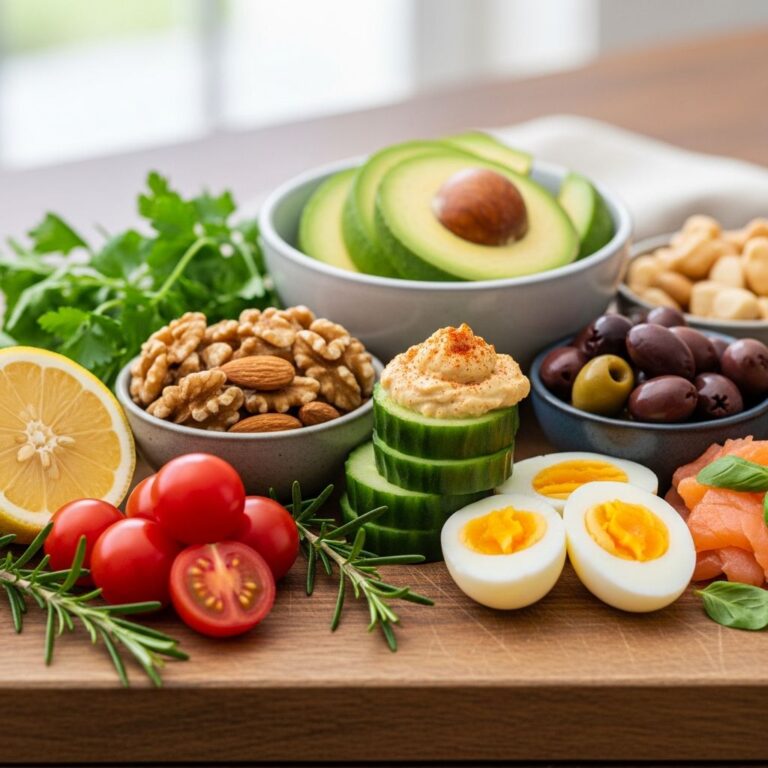
- Edamame, broccoli (1-2 mg/100g)
- Avocado, tomatoes
- Beef, fish (via NAM)
Supplements far exceed dietary intake.
The Best Time to Take NMN
Morning, mimicking circadian NAD+ peaks, for energy/cognition. Pair with resveratrol or TMG for synergy.
Frequently Asked Questions (FAQs)
What does NMN do for the body?
NMN boosts NAD+ for energy metabolism, DNA repair, sirtuin activation, fighting aging.
Can NMN reverse aging?
In mice, yes—extends lifespan, restores function. Human evidence promising but preliminary.
Is NMN FDA approved?
No, sold as supplement. GRAS status, but more trials needed.
How long for NMN benefits?
Effects in weeks (energy); months for metabolic/cognitive.
NMN for weight loss?
Supports via metabolism/insulin sensitivity, not direct fat-burner.
References
- What Do NMN Supplements Do for the Body? 13 Benefits, Side Effects — eMedicineHealth. 2023. https://www.emedicinehealth.com/what_does_nmn_do_for_the_body/article_em.htm
- Nicotinamide mononucleotide (NMN) as an anti-aging health product — PMC (NIH). 2022-04-29. https://pmc.ncbi.nlm.nih.gov/articles/PMC9039735/
- The Science Behind NMN–A Stable, Reliable NAD+Activator — PMC (NIH). 2020-05-21. https://pmc.ncbi.nlm.nih.gov/articles/PMC7238909/
- The versatile multi-functional substance NMN: its unique … — Frontiers in Pharmacology. 2024. https://www.frontiersin.org/journals/pharmacology/articles/10.3389/fphar.2024.1436597/full
- NMN (Nicotinamide Mononucleotide): Benefits, Side Effects, and Dosage — Healthline. 2023. https://www.healthline.com/health/nmn-nicotinamide-mononucleotide-benefits-side-effects-and-dosage
Similar Articles








Read full bio of medha deb