NMOSD And MOGAD Treatment Advances In 2025: Expert Guide
Discover the latest consensus guidelines revolutionizing diagnosis and management of NMOSD and MOGAD with biologics and personalized strategies.
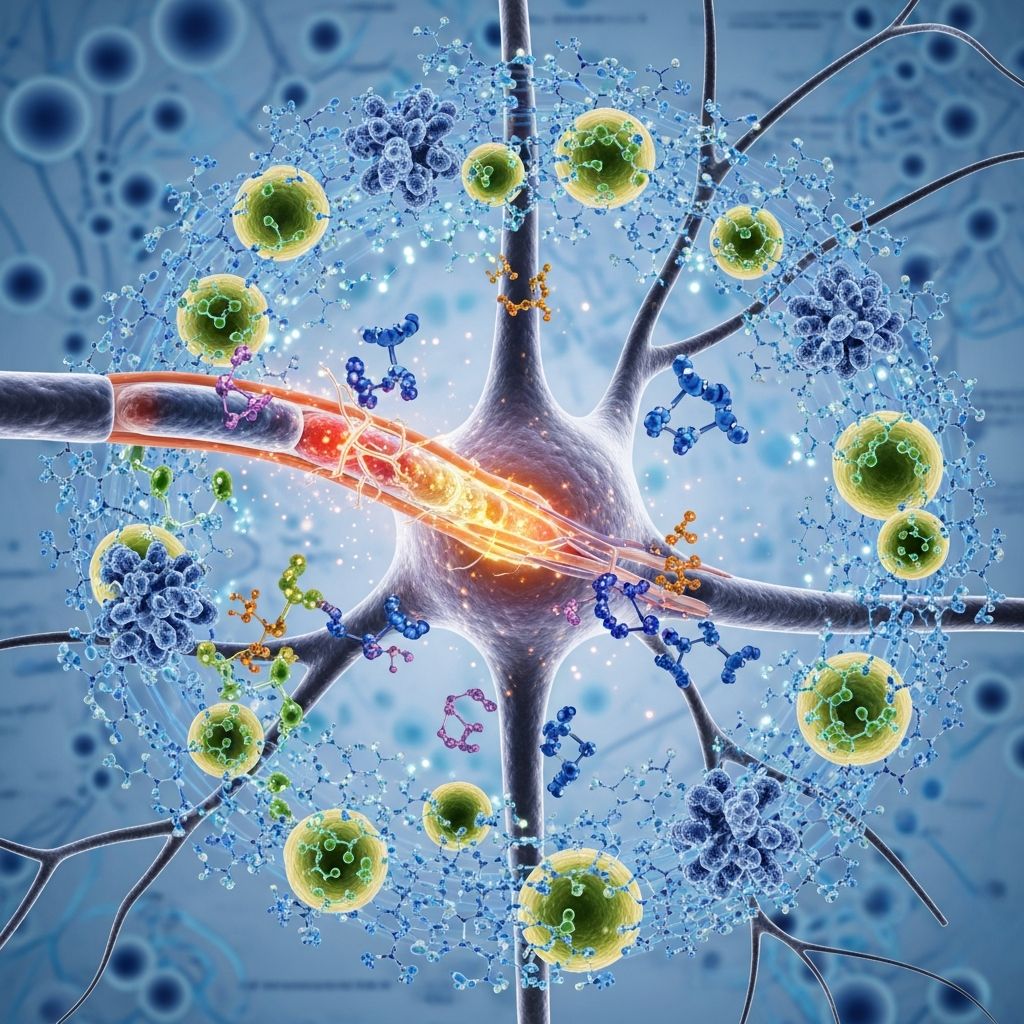
Neuromyelitis optica spectrum disorder (**NMOSD**) and myelin oligodendrocyte glycoprotein antibody-associated disease (**MOGAD**) represent rare but devastating autoimmune conditions primarily affecting the optic nerves and spinal cord. Recent expert consensus has transformed their management, prioritizing rapid diagnosis, aggressive acute treatment, and proactive long-term prevention to minimize disability from relapses.
Understanding the Core Pathophysiology
NMOSD is driven by antibodies against aquaporin-4 (AQP4-IgG) water channels on astrocytes, leading to complement activation, inflammation, and necrosis in the central nervous system. In contrast, MOGAD involves antibodies targeting myelin oligodendrocyte glycoprotein on oligodendrocytes and myelin sheaths, often resulting in a monophasic or relapsing demyelinating pattern that can mimic multiple sclerosis but with distinct prognosis and therapy needs.
Both conditions cause optic neuritis, transverse myelitis, and area postrema syndrome, but MOGAD more frequently presents in children and may resolve spontaneously in some cases. Accurate differentiation is crucial, as misdiagnosis can delay effective therapies and expose patients to inappropriate treatments.
Diagnostic Breakthroughs and Challenges
Diagnosis hinges on clinical features, MRI findings, and serologic testing. For NMOSD, the 2015 International Consensus Diagnostic Criteria require AQP4-IgG positivity plus one core clinical characteristic, or in seronegative cases, multiple attacks with specific MRI lesions. MOGAD diagnosis follows the 2023 International Criteria, emphasizing serum MOG-IgG detected via live cell-based assays (CBA), exclusion of alternatives, and supportive neuroimaging.
- Serum Testing Best Practices: Use full-length MOG-IgG CBA during acute events; retest after 3 months if initial negative to avoid false negatives.
- MRI Hallmarks: NMOSD shows longitudinally extensive transverse myelitis (LETM >3 vertebral segments) and bright spotty lesions; MOGAD features fluffy, bilateral optic nerve involvement.
- Avoid Pitfalls: Low-titer MOG-IgG requires clinical correlation to rule out false positives.
Testing seronegative NMOSD suspects for MOG-IgG is recommended, particularly with atypical optic neuritis or myelitis.
Acute Relapse Management Strategies
Relapses drive irreversible damage in both disorders, necessitating prompt intervention. High-dose intravenous
methylprednisolone
(1 g/day for 3-5 days) remains first-line for acute attacks in NMOSD and MOGAD, rapidly reducing inflammation.| Therapy | Indication | Dosage/Regimen | Evidence Level |
|---|---|---|---|
| Methylprednisolone IV | First-line acute relapse (both) | 1 g/day x 3-5 days | Strong consensus |
| Plasma Exchange (PLEX) | Steroid-refractory or severe NMOSD/MOGAD | 5-7 exchanges, 1-1.5 plasma volumes | Recommended |
| IVIg | MOGAD acute attacks, steroid failure | 2 g/kg over 2-5 days | Moderate support |
If no improvement within 48-72 hours, escalate to
plasmapheresis (PLEX)
or therapeutic plasma exchange (TPE), which removes pathogenic antibodies more effectively than steroids alone. For MOGAD, intravenous immunoglobulin (IVIg) offers an alternative, especially in pediatric cases.Preventive Therapies: From Immunosuppressants to Biologics
Post-acute, long-term immunosuppression prevents relapses. Traditional agents like
azathioprine
,mycophenolate mofetil
, andrituximab
provide broad B-cell suppression but carry infection risks and variable efficacy.Recent shifts favor
biologic therapies
as first-line for high-risk NMOSD patients, particularly those with prior severe attacks or monocular vision loss. Complement inhibitors likeeculizumab
andravulizumab
target the terminal complement pathway activated by AQP4-IgG.Related Stories



- Monoclonal Antibodies:
- Satralizumab: Subcutaneous IL-6 inhibitor; dosing at weeks 0, 2, 4, then every 4 weeks.
- Inebilizumab: CD19-depleting for AQP4+ NMOSD.
- Tocilizumab: IL-6 blocker, useful in MOGAD relapse-prone cases.
Consensus urges low threshold for biologics in patients with baseline disability, emphasizing personalized risk assessment over stepwise escalation.
Special Considerations in MOGAD
MOGAD’s relapsing course is less predictable than NMOSD’s. While some cases remit without therapy, high-relapse-risk patients (multiple attacks, optic nerve/spinal involvement) warrant maintenance with corticosteroids tapered quickly, cyclic IVIg, azathioprine, or tocilizumab. No universal preventive strategy exists, but evidence supports intervention in acute severe presentations.
Monitoring, Prognosis, and Research Gaps
Regular clinical, serologic, and MRI monitoring guides therapy adjustments. Predictive factors include attack severity, AQP4 titer stability, and disability accrual. Challenges persist in defining treatment duration, failure criteria, and optimal sequencing of biologics.
Upcoming events like ECTRIMS-MEDEN Winter School 2026 highlight ongoing focus on acute management, preventive immunotherapy, and diagnostic workshops.
Frequently Asked Questions (FAQs)
What is the first step in suspected NMOSD?
Test for AQP4-IgG using CBA; confirm with MRI showing LETM or optic nerve enhancement.
When to use plasma exchange in relapses?
For steroid-unresponsive attacks or severe presentations threatening vision or ambulation.
Are biologics safe for long-term use?
They offer superior relapse reduction vs. traditional agents but require infection screening; safety profiles vary by agent.
Can MOGAD resolve without treatment?
Yes, especially monophasic pediatric cases, but monitor closely for relapse risk.
How do NMOSD and MS differ in treatment?
NMOSD avoids MS disease-modifying therapies like ocrelizumab due to relapse worsening; prioritizes aquaporin-targeted biologics.
Patient-Centered Care Approaches
Individualized plans integrate disease severity, comorbidities, access to infusions, and patient preferences. Multidisciplinary teams—including neurologists, ophthalmologists, and pharmacists—optimize outcomes. Emerging biomarkers may soon refine relapse prediction, ushering an era of precision medicine.
References
- Expert Panel Publishes Revised Consensus Recommendations for Diagnosis and Management of NMOSD — NeurologyLive. 2025. https://www.neurologylive.com/view/expert-panel-publishes-revised-consensus-recommendations-diagnosis-management-nmosd
- Expert Panel Publishes Revised Consensus Recommendations for Diagnosis and Management of NMOSD — MS Views and News. 2025-11. https://msviewsandnews.org/expert-panel-publishes-revised-consensus-recommendations-for-diagnosis-and-management-of-nmosd/
- ECTRIMS MEDEN Winter School 2026 Scientific Programme — ECTRIMS. 2025-07. https://ectrims.eu/app/uploads/2025/07/ECTRIMS_MEDEN_Winter_School_2026_scientific_programme_no_faculty.pdf
- ECTRIMS MEDEN Winter School 2026 Programme — ECTRIMS. 2025-08. https://ectrims.eu/app/uploads/2025/08/ECTRIMS_MEDEN_Winter_School_2026_scientific_programme.pdf
- Consensus Recommendations for the Diagnosis and Treatment of NMOSD — PubMed (MENACTRIMS). 2025. https://pubmed.ncbi.nlm.nih.gov/41591715/
- Neuromyelitis Optica Spectrum Disorder Expert Consensus — Guideline Central. Recent. https://www.guidelinecentral.com/guideline/4973038
Similar Articles








Read full bio of medha deb