Head Lice Treatment: 3 Effective Options To Try
Comprehensive guide to understanding, detecting, and treating head lice effectively and safely.
No-Panic Guide to Head Lice Treatment
Head lice infestations can be concerning for parents and caregivers, but understanding how to identify and treat them effectively can help ease anxiety. Head lice are common parasitic insects that affect millions of people annually, particularly children in school and preschool settings. The good news is that head lice are treatable with various safe and effective methods. This comprehensive guide provides evidence-based information to help you navigate the detection and treatment process with confidence.
Understanding Head Lice: What You Need to Know
Head lice are small parasitic insects that live on the human scalp and feed on blood. They are not a sign of poor hygiene or cleanliness, as head lice can affect anyone regardless of socioeconomic status or personal habits. Each female louse lives for approximately one to three months and can lay up to 300 eggs, known as nits. These eggs hatch within six to ten days, with nymphs becoming fully mature adults within an additional ten days.
Lice survive by piercing the skin and injecting saliva that causes itching and discomfort. While they can survive away from the human host for up to ten days, they ultimately die of starvation without access to blood meals. Understanding this lifecycle is crucial for implementing effective treatment strategies that target both adult lice and developing eggs.
Recognizing the Signs: How to Check for Head Lice
Early detection is key to managing head lice infestations effectively. Regular scalp inspections can help catch infestations before they become widespread. Follow these steps for a thorough examination:
Step-by-Step Detection Process
- Seat the affected person in a well-lit room or near natural sunlight
- Part the hair systematically and examine the scalp section by section
- Look carefully for crawling lice, which can be difficult to spot due to their quick movement
- Pay special attention to the back of the neck and behind the ears, where lice commonly congregate
- Identify nits, which appear as small white or yellow-brown specks firmly attached to hair shafts near the scalp
Distinguishing Nits from Dandruff
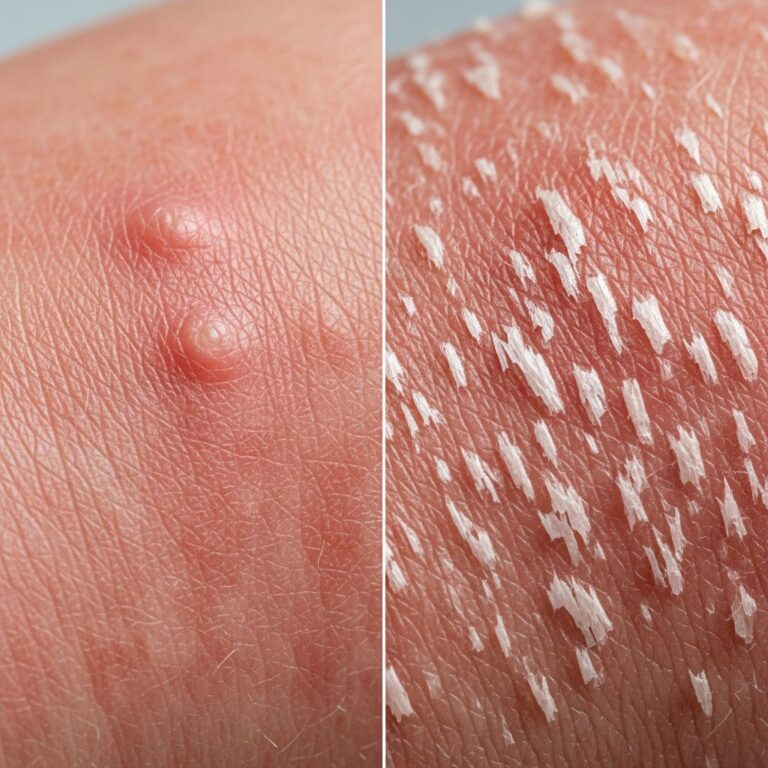
A key difference between nits and dandruff is their attachment to hair. Nits adhere firmly to hair shafts and do not move when you attempt to blow on them or brush them away with your finger. In contrast, dandruff flakes easily move and detach from the hair. This distinction is important for accurate diagnosis and determining whether treatment is necessary.
Treatment Options: Finding the Right Solution
Several effective treatment options are available for head lice, each with distinct advantages. Before beginning any treatment, it is recommended to consult with your child’s healthcare provider to determine the most appropriate option for your specific situation.
Heat-Based Treatment
Heat-based treatment represents a modern, FDA-approved approach to eliminating head lice infestations. This professional treatment option is available at specialized clinics and involves a multi-step process designed to achieve maximum effectiveness.
The treatment works by dehydrating lice and their eggs, followed by a thorough comb-out to remove debris and dead parasites. The final step involves applying a nontoxic oil to the scalp and hair, which suffocates remaining lice. This one-time, two-hour treatment is approximately 99.2% effective, making it one of the most reliable options available. The cost is typically around $160 per session, representing a premium option for families seeking a single comprehensive treatment.
Related Stories



Dimethicone-Based Treatments
Dimethicone is an over-the-counter silicone-based compound that offers a physical approach to lice elimination. Unlike traditional insecticidal treatments, dimethicone works by suffocating and immobilizing lice, making it a safer option for children and reducing the risk of treatment-resistant lice development.
These treatments can be successfully administered at home and are applied to dry hair. After the specified contact time, the treatment is combed out using a fine-tooth comb. Because dimethicone operates through a physical mechanism rather than chemical toxicity, it presents fewer safety concerns and is less likely to cause adverse reactions in children with sensitive skin.
Chemical-Based Treatments
Permethrin-based treatments are also effective in killing lice and their eggs and remain widely available for home use. However, careful adherence to instructions is essential to ensure both safety and effectiveness. It is important to note that overuse of chemical treatments can lead to the development of treatment-resistant lice, which may complicate future infestations.
Chemical treatments should only be used when you are absolutely certain that lice or nits are present on the scalp. Using these treatments as a preventive measure or unnecessarily can contribute to resistance problems in the broader population.
Treatment Comparison Table
| Treatment Type | Method | Effectiveness | Cost | Duration | Safety Profile |
|---|---|---|---|---|---|
| Heat-Based (Clinic) | Professional heat dehydration and oil suffocation | 99.2% | ~$160 | 2 hours (single session) | Very safe, FDA-approved |
| Dimethicone | Silicone-based suffocation (home application) | High | $15-30 | Variable per product | Safe, low resistance risk |
| Permethrin-Based | Chemical insecticide (home application) | Effective | $10-25 | Variable per product | Safe if used correctly; resistance possible |
Supporting Treatment with Nit Removal
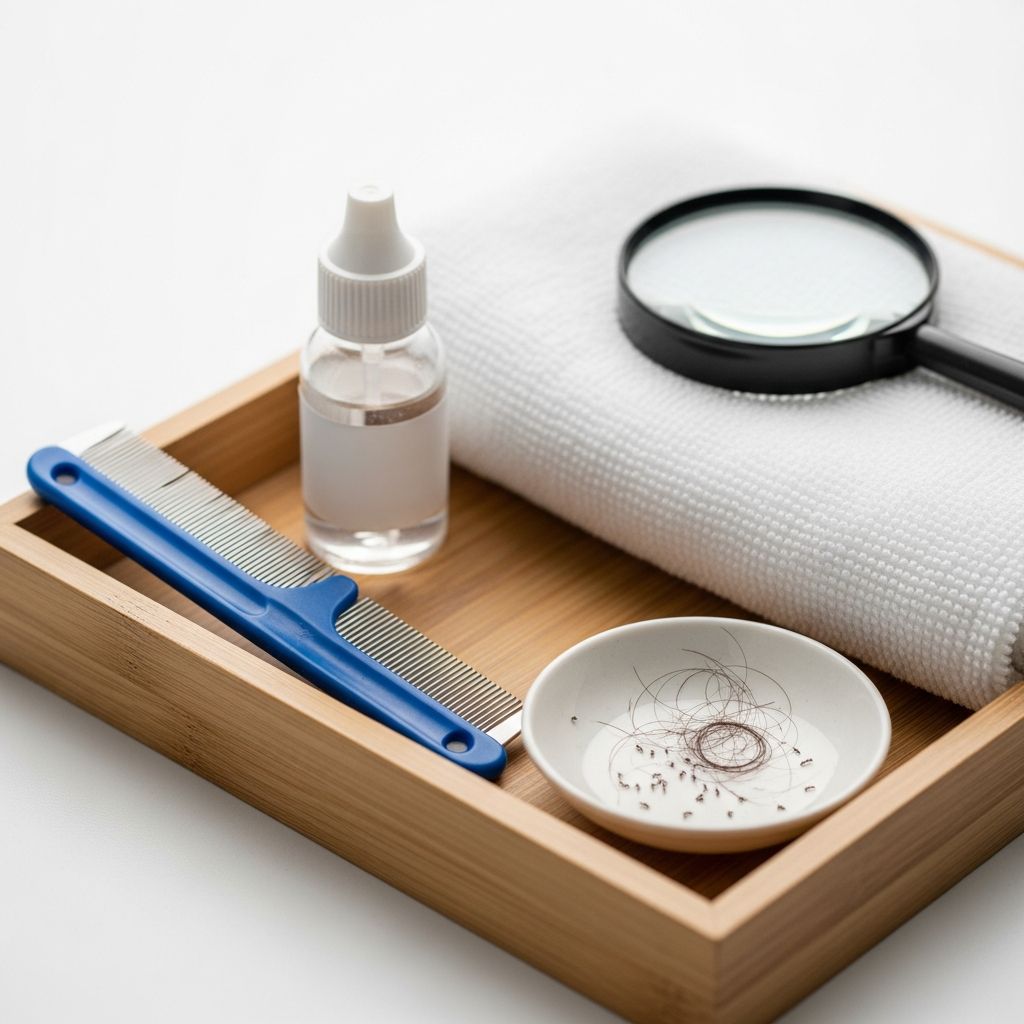
Regardless of which treatment method you choose, thorough nit removal is an important component of successful lice elimination. Even after treatments effectively kill adult lice, remaining nits can hatch and perpetuate the infestation. Using a fine-tooth comb specifically designed for lice removal helps extract dead nits and any surviving parasites from the hair.
Some families find that using a vinegar solution enhances nit removal. Applying a one-to-one water and vinegar mixture to the hair, then running a vinegar-dipped fine-tooth comb through the hair, can help loosen nits. This process should be repeated approximately nine days after initial treatment to catch any newly hatched lice.
Environmental Management and Prevention
While treating the affected person’s hair, it is also important to address the home environment. Lice and nits cannot survive long away from the human host, but taking preventive measures reduces the risk of reinfestation. Wash bedding, pillowcases, hats, and other items that contacted the affected person’s hair in hot water. Vacuum furniture and use a lint roller on any surfaces where the person frequently rested their head.
Items that cannot be washed should be sealed in a plastic bag for at least two weeks, as lice will starve without access to a human host. Personal items like combs, brushes, and hair clips should be soaked in hot water or replaced entirely.
Important Reminders About Head Lice
Understanding key facts about head lice helps reduce unnecessary anxiety and stigma surrounding infestations:
- Head lice are not a reflection of poor personal hygiene or cleanliness
- Head lice are not a health hazard, though they are uncomfortable
- Children attending preschool and elementary school are most commonly affected
- Anyone can contract head lice through close personal contact
- Prompt detection and treatment prevent widespread transmission
- Multiple effective treatment options exist for every budget and preference
Frequently Asked Questions
Q: Are head lice contagious?
A: Yes, head lice spread through direct contact with an infested person’s hair or through contact with personal items like combs, hats, and pillows. They cannot jump or fly, so transmission requires close physical contact.
Q: How often should I check my child for head lice?
A: Regular weekly inspections during school months are recommended, especially if head lice are circulating in your child’s school. If your child has direct contact with someone who has lice, check within 24 hours and again five to six days later.
Q: Can I use over-the-counter treatments as prevention?
A: No. Over-the-counter lice treatments should only be used when head lice are confirmed. Using treatments unnecessarily can contribute to resistance development and may expose your child to unnecessary chemicals.
Q: How long does treatment take to work?
A: Heat-based clinic treatments work in a single two-hour session. Home treatments typically require an initial application followed by a second treatment five to seven days later to catch newly hatched lice. Full effectiveness may take one to two weeks.
Q: Do I need to cut my child’s hair to treat head lice?
A: No. Hair length is not a factor in treatment effectiveness. All approved treatments work equally well on short and long hair. Focus on thorough application and nit removal rather than cutting.
Q: What should I do if a family member is diagnosed with head lice?
A: Notify your child’s school or daycare so they can monitor other children. Check all family members’ scalps and treat anyone with confirmed lice or nits. Wash shared bedding and personal items in hot water.
Q: Are natural or home remedies effective against head lice?
A: While some families use home remedies like vinegar or tea tree oil, evidence-based medical treatments (heat-based, dimethicone, or permethrin) offer higher confirmed effectiveness rates. Consult with your healthcare provider before trying unproven remedies.
Q: Can head lice develop resistance to treatments?
A: Yes, particularly with chemical insecticides like permethrin when used excessively. This is why healthcare providers recommend using confirmed treatments only when lice are present and following instructions carefully. Heat-based and dimethicone treatments have lower resistance rates.
References
- Lice — Johns Hopkins ABX Guide, The Johns Hopkins University. 2024-12-14. https://www.hopkinsguides.com/hopkins/view/Johns_Hopkins_ABX_Guide/540313/all/Lice
- Head Lice: What Parents Need to Know — American Academy of Pediatrics (Healthychildren.org). https://www.healthychildren.org
- Head Lice — Centers for Disease Control and Prevention. https://www.cdc.gov/parasites/lice/head/index.html
- How to Check for Head Lice and Treatments — Rowland Unified School District Health Services. https://resources.finalsite.net/images/v1734718912/rowland/so6b8nsv19yduquwt3yn/Howtocheckforheadliceandtreatments.pdf
- Head Lice Management in Schools — National Association of School Nurses. https://www.nasn.org/nasn-resources/resources-by-topic/head-lice
Similar Articles








Read full bio of medha deb