No-Sugar Diet Plan: 7-Day Meal Plan For Weight Loss
Discover a comprehensive guide to cutting added sugars with expert tips, meal plans, recipes, and strategies for sustainable success.
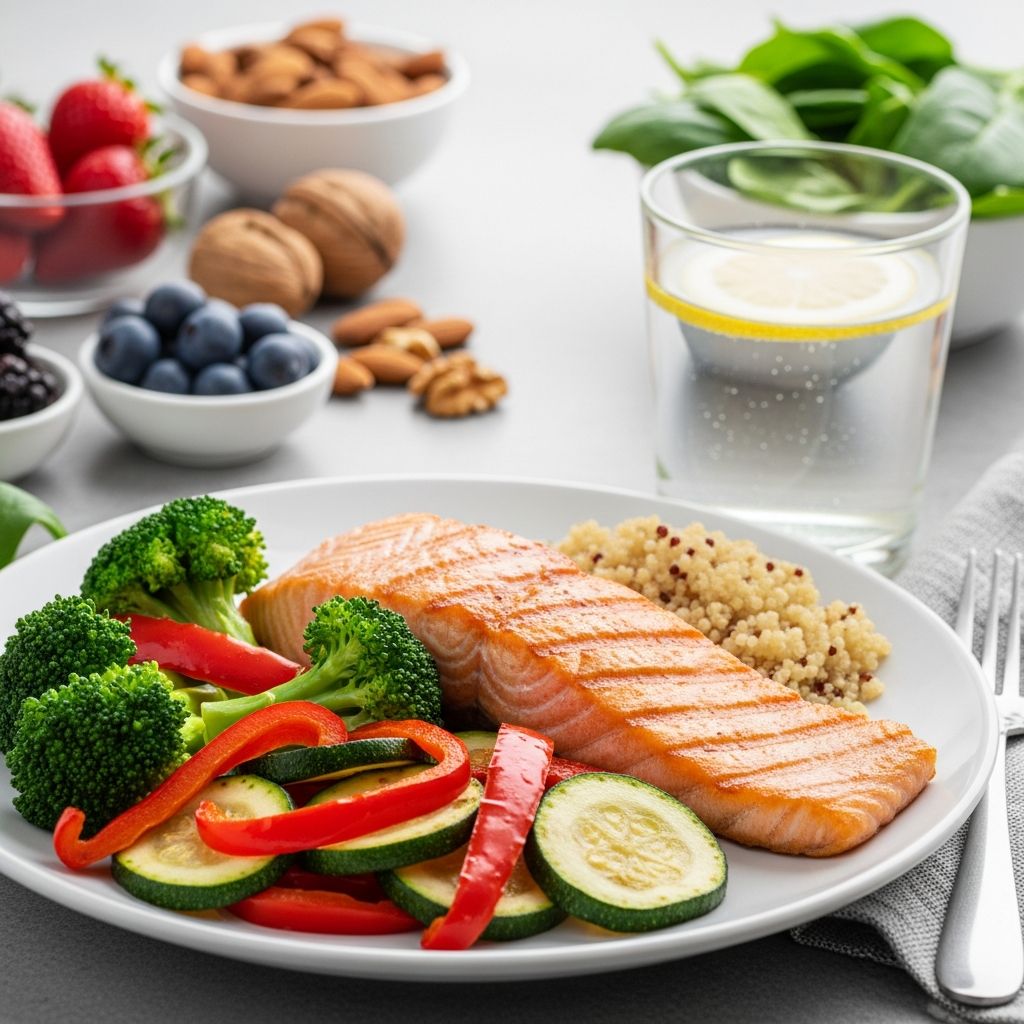
A no-sugar diet eliminates
added sugars
from your eating habits, focusing on whole foods to stabilize energy, support weight loss, and reduce chronic disease risks. This comprehensive plan provides everything you need for success, including science-backed benefits, practical tips, a 7-day meal plan, recipes, and FAQs.What Is a No-Sugar Diet?
A no-sugar diet means avoiding all forms of
added sugars
—like table sugar, high-fructose corn syrup, honey, and syrups—in processed foods, beverages, and recipes. Natural sugars in whole fruits, vegetables, and dairy are permitted since they come packaged with fiber, vitamins, and minerals that slow absorption and prevent blood sugar spikes.Unlike strict keto or low-carb diets, a no-sugar approach emphasizes nutrient-dense foods without carb restrictions. The goal is to retrain your palate, curb cravings, and foster long-term healthy eating. According to dietary guidelines, adults should limit added sugars to less than 10% of daily calories—about 50 grams or 12 teaspoons—but many consume double that from sodas, snacks, and sauces.
Health Benefits of a No-Sugar Diet
Reducing added sugars yields profound health improvements, supported by extensive research:
- Weight Loss: Cutting sugar lowers calorie intake and reduces insulin resistance, promoting fat burning. Studies show sugar-sweetened beverages alone contribute to obesity epidemics.
- Stable Energy: Avoiding sugar crashes prevents fatigue; whole foods provide steady glucose release.
- Heart Health: Less sugar decreases triglycerides, blood pressure, and inflammation, slashing cardiovascular risks.
- Better Skin: Reduced glycation (sugar damaging collagen) minimizes wrinkles and acne.
- Improved Mood and Focus: Stabilized blood sugar enhances brain function and reduces anxiety linked to sugar highs/lows.
- Reduced Disease Risk: Lowers chances of type 2 diabetes, fatty liver, and certain cancers.
No-Sugar Diet Rules to Follow
Success hinges on clear guidelines:
- Avoid all added sugars: cane sugar, HFCS, agave, maple syrup, dextrose, maltose, etc.
- Skip sugar-sweetened drinks: soda, juice, sports drinks, sweetened coffee/tea.
- Read labels: Hidden sugars lurk in ketchup, yogurt, bread, and ‘healthy’ bars (look for -ose endings).
- Choose whole foods: fruits, veggies, lean proteins, nuts, seeds, full-fat dairy.
- Cook from scratch: Control ingredients to eliminate hidden sugars.
- Limit natural sweeteners: Use sparingly (e.g., small amounts of fruit); avoid artificial ones if possible.
- Hydrate with water, herbal tea, or black coffee.
How to Start a No-Sugar Diet: Preparation Tips
Prep for success:
- Cleanse Your Pantry: Discard sugary items to remove temptation.
- Stock Up: Focus on versatile staples (see grocery list below).
- Plan Meals: Batch-cook and prep snacks ahead.
- Track Intake: Use an app initially to spot hidden sugars.
- Manage Cravings: Eat balanced meals with protein/fat/fiber; walk or drink water.
- Ease In: Start with no-sugar breakfasts, then expand.
No-Sugar Grocery List
Essential shopping guide organized by category:
| Category | Items |
|---|---|
| Produce | Apples, berries, leafy greens, broccoli, zucchini, avocados, lemons, herbs |
| Proteins | Eggs, chicken breast, turkey, salmon, tofu, Greek yogurt (plain, unsweetened) |
| Dairy | Cheese, butter, heavy cream (unsweetened) |
| Grains | Oats (plain), quinoa, brown rice |
| Nuts/Seeds | Almonds, walnuts, chia seeds, pumpkin seeds |
| Pantry | Olive oil, vinegar, spices, mustard, nut butters (no sugar added), canned fish |
| Beverages | Water, sparkling water, unsweetened tea/coffee |
Related Stories



7-Day No-Sugar Meal Plan
This 1,500–1,800 calorie plan emphasizes balanced macros: 40% carbs from whole sources, 30% protein, 30% fat. Adjust portions as needed. Each day includes breakfast, lunch, dinner, and two snacks. Recipes follow.
Day 1
- Breakfast: Greek Yogurt Parfait (plain yogurt, berries, chia seeds)
- A.M. Snack: Apple with almond butter
- Lunch: Grilled Chicken Salad (greens, cucumber, feta, olive oil dressing)
- P.M. Snack: Handful of walnuts
- Dinner: Baked Salmon with broccoli and quinoa
Day 2
- Breakfast: Veggie Omelet (eggs, spinach, tomatoes, cheese)
- A.M. Snack: Celery sticks with peanut butter
- Lunch: Turkey Lettuce Wraps (turkey, avocado, mustard)
- P.M. Snack: Cottage cheese with cucumber
- Dinner: Stir-Fried Tofu with zucchini and brown rice
Day 3
- Breakfast: Overnight Oats (oats, almond milk, chia, blueberries—no sugar)
- A.M. Snack: Hard-boiled eggs
- Lunch: Tuna Salad (canned tuna, mayo, celery, greens)
- P.M. Snack: Cheese stick and cherry tomatoes
- Dinner: Grilled Steak with asparagus and sweet potato
Day 4
- Breakfast: Smoothie (spinach, avocado, protein powder, unsweetened almond milk)
- A.M. Snack: Pumpkin seeds
- Lunch: Quinoa Bowl (quinoa, black beans, corn, lime dressing—no sugar)
- P.M. Snack: Berries with heavy cream
- Dinner: Baked Chicken with Brussels sprouts and cauliflower rice
Day 5
- Breakfast: Avocado Toast on seed bread (no sugar), topped with eggs
- A.M. Snack: Greek yogurt
- Lunch: Shrimp Salad (shrimp, mixed greens, olive oil)
- P.M. Snack: Almonds
- Dinner: Turkey Meatballs with zucchini noodles
Day 6
- Breakfast: Chia Pudding (chia seeds, coconut milk, strawberries)
- A.M. Snack: Carrot sticks with hummus (check label for no sugar)
- Lunch: Egg Salad Lettuce Cups
- P.M. Snack: Olives and cheese
- Dinner: Grilled Fish with green beans and wild rice
Day 7
- Breakfast: Frittata with veggies and feta
- A.M. Snack: Pear with cheese
- Lunch: Chicken Stir-Fry (no sauce sugars)
- P.M. Snack: Sunflower seeds
- Dinner: Pork Chop with kale salad
No-Sugar Recipes
Simple, delicious recipes to rotate into your plan. Each serves 1–2; scale up as needed.
Greek Yogurt Parfait
Ingredients: 1 cup plain Greek yogurt, ½ cup mixed berries, 1 tbsp chia seeds, handful nuts.
- Layer yogurt, berries, and chia in a jar.
- Top with nuts. Chill if desired. (5 min prep)
Nutrition (per serving): 300 cal, 20g protein, 15g fat, 20g carbs.
Baked Salmon with Broccoli
Ingredients: 6 oz salmon fillet, 2 cups broccoli, 1 tsp olive oil, lemon, salt/pepper.
- Preheat oven to 400°F. Toss broccoli in oil, salt; roast 15 min.
- Bake salmon with lemon 12–15 min.
Nutrition: 450 cal, 35g protein, 25g fat, 15g carbs.
Zucchini Noodles with Turkey Meatballs
Ingredients: 1 lb ground turkey, 2 zucchinis (spiralized), garlic, herbs, 1 tbsp olive oil.
- Mix turkey with garlic/herbs; form meatballs, bake 20 min at 375°F.
- Sauté zoodles in oil 3 min; top with meatballs.
Nutrition: 400 cal, 30g protein, 20g fat, 10g carbs.
Overnight Oats
Ingredients: ½ cup rolled oats, 1 cup unsweetened almond milk, 1 tbsp chia, ½ cup blueberries.
- Mix in jar; refrigerate overnight.
Nutrition: 350 cal, 10g protein, 15g fat, 45g carbs.
Veggie Omelet
Ingredients: 3 eggs, 1 cup spinach, ½ tomato, ¼ cup cheese.
- Whisk eggs; cook veggies first, add eggs, top with cheese.
Nutrition: 320 cal, 25g protein, 22g fat, 8g carbs.
Grilled Chicken Salad
Ingredients: 4 oz chicken, 2 cups greens, ½ avocado, olive oil/lemon dressing.
- Grill chicken; toss with other ingredients.
Nutrition: 380 cal, 30g protein, 25g fat, 15g carbs.
Tips for Sticking with a No-Sugar Diet
- Eat regularly to prevent hanger-induced slip-ups.
- Focus on savoring flavors from herbs, spices, acids (lemon/vinegar).
- Dine out smart: Choose grilled proteins, salads, steamed veggies; skip sauces.
- Handle social situations: Bring a dish or opt for protein-focused options.
- Track progress: Note energy, mood, weight weekly.
- If you slip, restart without guilt—consistency matters.
Common Pitfalls and How to Avoid Them
- Hidden Sugars: Scrutinize labels; ‘organic’ or ‘natural’ doesn’t mean sugar-free.
- Fruit Overload: Limit to 2–3 servings/day to avoid fructose excess.
- Boredom: Experiment with global flavors (e.g., curry spices, herbs).
- Low Energy: Ensure adequate calories from fats/proteins.
Frequently Asked Questions (FAQs)
Can I eat fruit on a no-sugar diet?
Yes, whole fruits are allowed in moderation due to their fiber content, which mitigates blood sugar impact. Aim for 2 pieces daily.
What about natural sweeteners like honey?
No—honey, maple syrup, and agave are added sugars with similar metabolic effects to table sugar.
Is a no-sugar diet safe long-term?
Yes, when balanced with whole foods; consult a doctor for personalized advice, especially with conditions like diabetes.
How much weight can I lose?
Typically 1–2 lbs/week initially from water weight and reduced calories; sustainable loss varies by individual.
Can I drink alcohol?
Limited dry wines or spirits (no mixers); beer and cocktails often have sugars.
References
- Dietary Guidelines for Americans, 2020-2025 — U.S. Department of Health and Human Services and U.S. Department of Agriculture. 2020-12-01. https://www.dietaryguidelines.gov/sites/default/files/2020-12/Dietary_Guidelines_for_Americans_2020-2025.pdf
- Added Sugars and Cardiovascular Disease Risk in Children — American Heart Association (peer-reviewed). 2017-06-01. https://www.ahajournals.org/doi/10.1161/CIR.0000000000000439
- Sugar-Sweetened Beverages and Weight Gain — New England Journal of Medicine. 2004-07-01. https://www.nejm.org/doi/full/10.1056/NEJMoa054282
- WHO Guideline: Sugars Intake for Adults and Children — World Health Organization. 2015-03-04. https://www.who.int/publications/i/item/9789241549028
- Effects of Sugar Reduction on Metabolism — The Lancet Diabetes & Endocrinology. 2023-05-15. https://www.thelancet.com/journals/landia/article/PIIS2213-8587(23)00115-4/fulltext
Similar Articles








Read full bio of medha deb