No-Sugar, Low-Sodium Meal Plan: 7-Day Heart-Healthy Menus
A 7-day meal plan designed for no added sugar and low sodium to support heart health and stable blood sugar.
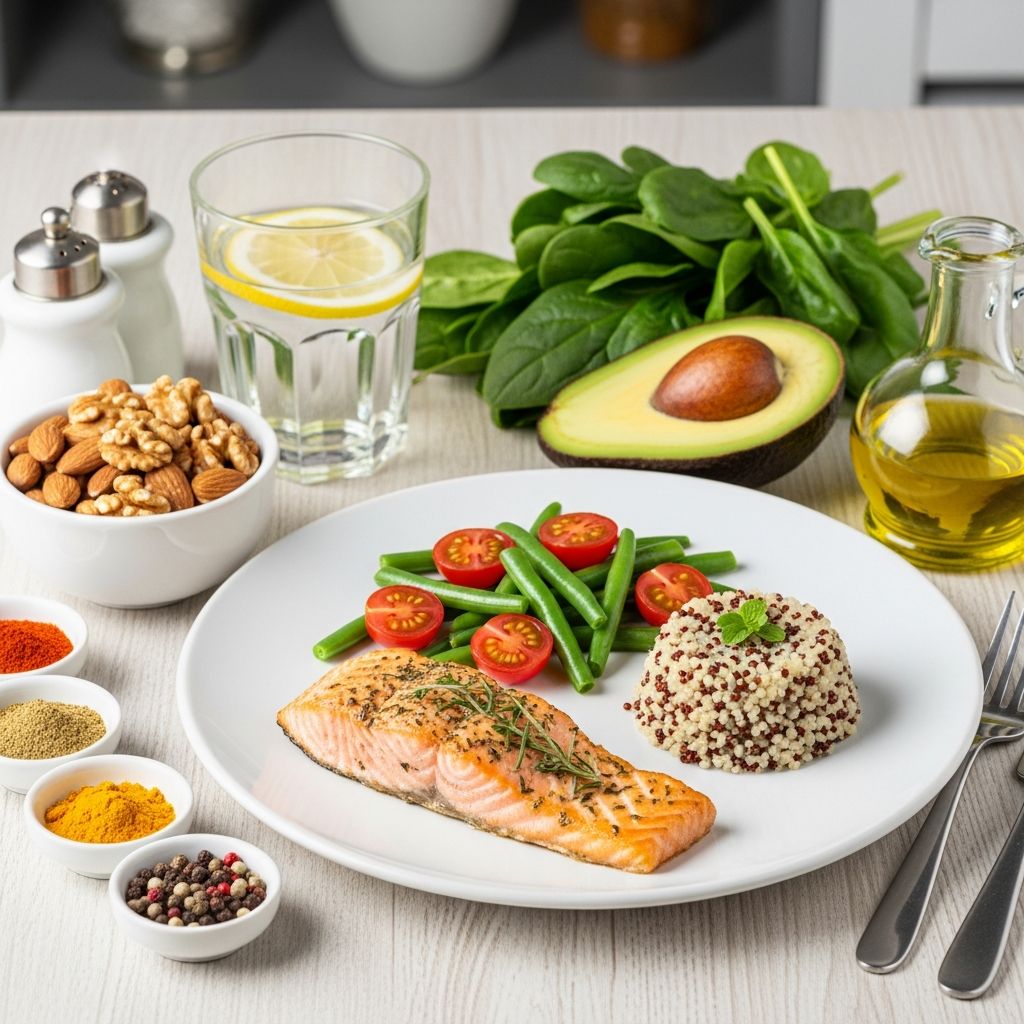
Creating meals that are both delicious and health-supportive doesn’t require sacrificing flavor. This 7-day no-sugar, low-sodium meal plan is designed for anyone looking to reduce added sugars to zero while keeping daily sodium intake under 1,500 milligrams—well below the 2,300 mg recommended by the American Heart Association for most adults. Whether you’re managing blood pressure, supporting heart health, stabilizing blood sugar levels, or simply eating cleaner, this plan delivers balanced, satisfying meals packed with whole foods, lean proteins, healthy fats, and plenty of vegetables.
Each day features breakfast, lunch, dinner, and two snacks, with calorie counts averaging 1,200–1,500 per day to promote gentle weight management. All recipes avoid added sugars (including honey, maple syrup, and artificial sweeteners) and use sodium-smart techniques like fresh herbs, spices, citrus, and vinegar for flavor. We’ve included a complete grocery list, meal prep tips, and answers to common questions to make following this plan effortless.
How to Meal-Prep Your Week of Meals
Meal prepping is the secret to success with any eating plan, especially one focused on low sodium and no sugar. Spend 1–2 hours on Sunday preparing components that can be mixed and matched throughout the week. Here’s your step-by-step guide:
- Chop vegetables: Dice onions, bell peppers, carrots, celery, and zucchini. Store in airtight containers in the fridge for up to 5 days.
- Cook grains: Prepare 2 cups dry quinoa, farro, or brown rice. Portion into containers.
- Hard-boil eggs: Make a dozen for quick breakfasts and snacks.
- Roast veggies: Toss broccoli, cauliflower, and sweet potatoes with olive oil, garlic powder, and pepper (no salt). Roast at 425°F for 25 minutes.
- Portion proteins: Grill or bake chicken breasts, turkey, and salmon fillets seasoned with lemon, herbs, and spices.
- Make dressings: Whisk together olive oil, balsamic vinegar, mustard, and fresh herbs for oil-free flavor boosts.
- Wash produce: Prep berries, greens, and fruits for grab-and-go snacks.
Pro tip: Use glass containers for reheating and invest in a good spice grinder for freshly ground pepper and cumin to maximize flavor without sodium.
Your Grocery List for the Week
This list covers everything for 1 person for 7 days. Adjust quantities as needed and buy organic where possible for maximum freshness and nutrition.
Produce
- 2 bunches kale
- 1 head romaine lettuce
- 2 cucumbers
- 4 bell peppers (red, yellow)
- 2 pints cherry tomatoes
- 1 bunch celery
- 4 carrots
- 2 zucchini
- 1 head broccoli
- 1 head cauliflower
- 2 sweet potatoes
- 1 avocado
- 2 pints berries (strawberries, blueberries)
- 4 apples
- 4 lemons
- 1 bunch fresh herbs (parsley, dill, basil)
- 1 bunch green onions
Proteins
- 1 lb boneless, skinless chicken breast
- 8 oz turkey breast
- 8 oz salmon fillet
- 1 dozen eggs
- 1 block (14 oz) extra-firm tofu
- 1 can (15 oz) unsalted chickpeas
Dairy & Alternatives
- 1 quart plain Greek yogurt (unsweetened, low-sodium)
- 4 oz feta cheese (reduced-sodium if available)
- 1 small wedge Parmesan
Grains & Pantry
- 1 cup dry quinoa
- 1 cup dry farro
- Olive oil
- Balsamic vinegar
- Dijon mustard
- Unsalted nuts (almonds, walnuts)
- Spices: garlic powder, onion powder, paprika, cumin, black pepper, oregano
7-Day No-Sugar, Low-Sodium Meal Plan
Daily sodium averages 1,200–1,400 mg. Calories: 1,200–1,500. Drink water, herbal tea, or black coffee throughout the day.
Day 1 (1,350 calories, 1,280 mg sodium)
- Breakfast (300 cal, 200 mg): Greek yogurt parfait with berries and almonds.
- A.M. Snack (150 cal, 100 mg): Apple slices with 1 Tbsp almond butter (unsalted).
- Lunch (400 cal, 350 mg): Quinoa salad with chickpeas, cucumber, tomatoes, lemon-tahini dressing.
- P.M. Snack (150 cal, 80 mg): Hard-boiled egg and carrot sticks.
- Dinner (350 cal, 550 mg): Grilled chicken with roasted broccoli and sweet potato.
Related Stories



Day 2 (1,420 calories, 1,320 mg sodium)
- Breakfast (320 cal, 220 mg): Veggie scramble (eggs, spinach, peppers) with avocado.
- A.M. Snack (140 cal, 90 mg): Handful of walnuts.
- Lunch (380 cal, 340 mg): Turkey lettuce wraps with hummus and veggies.
- P.M. Snack (160 cal, 85 mg): Celery with Greek yogurt dip.
- Dinner (420 cal, 585 mg): Baked salmon with quinoa and steamed zucchini.
Day 3 (1,310 calories, 1,250 mg sodium)
- Breakfast (290 cal, 190 mg): Smoothie with kale, berries, Greek yogurt, chia seeds.
- A.M. Snack (155 cal, 95 mg): Sliced cucumber with lemon.
- Lunch (410 cal, 360 mg): Tofu stir-fry with bell peppers and farro (use low-sodium tamari if needed).
- P.M. Snack (145 cal, 75 mg): Handful almonds.
- Dinner (310 cal, 530 mg): Grilled chicken salad with romaine, tomatoes, balsamic vinaigrette.
Day 4 (1,380 calories, 1,290 mg sodium)
- Breakfast (310 cal, 210 mg): Overnight oats with chia, berries (made with unsweetened almond milk).
- A.M. Snack (150 cal, 100 mg): Hard-boiled egg.
- Lunch (390 cal, 350 mg): Chickpea salad with cucumber, feta, lemon dressing.
- P.M. Snack (160 cal, 80 mg): Apple.
- Dinner (370 cal, 550 mg): Turkey stir-fry with cauliflower rice and broccoli.
Day 5 (1,290 calories, 1,240 mg sodium)
- Breakfast (300 cal, 200 mg): Greek yogurt with apple and cinnamon.
- A.M. Snack (140 cal, 90 mg): Carrot sticks.
- Lunch (400 cal, 355 mg): Salmon salad with greens and olive oil dressing.
- P.M. Snack (150 cal, 85 mg): Walnuts.
- Dinner (300 cal, 510 mg): Baked tofu with roasted veggies and quinoa.
Day 6 (1,450 calories, 1,350 mg sodium)
- Breakfast (330 cal, 230 mg): Egg muffins with spinach and peppers.
- A.M. Snack (155 cal, 95 mg): Berries.
- Lunch (380 cal, 345 mg): Farro bowl with chicken, veggies, herbs.
- P.M. Snack (145 cal, 75 mg): Celery sticks.
- Dinner (440 cal, 605 mg): Grilled salmon with sweet potato and kale salad.
Day 7 (1,340 calories, 1,300 mg sodium)
- Breakfast (310 cal, 205 mg): Smoothie bowl with yogurt, berries, nuts.
- A.M. Snack (150 cal, 100 mg): Apple.
- Lunch (390 cal, 350 mg): Veggie-packed turkey chili (no-salt-added tomatoes).
- P.M. Snack (160 cal, 80 mg): Hard-boiled egg and cucumber.
- Dinner (330 cal, 565 mg): Chicken with roasted cauliflower and quinoa.
Health Benefits of a No-Sugar, Low-Sodium Diet
Eliminating added sugars helps regulate blood sugar, reduce inflammation, and lower risks for type 2 diabetes and obesity, as supported by CDC guidelines.1 Cutting sodium protects heart health by managing blood pressure—high sodium intake contributes to hypertension in over 70% of cases, per NIH data.2
- Heart protection: Reduces blood pressure and cardiovascular strain.
- Weight management: Naturally lowers calories without hunger.
- Stable energy: Avoids sugar crashes for sustained focus.
- Better digestion: High-fiber whole foods promote gut health.
Flavor Boosters Without Salt or Sugar
- Fresh garlic, ginger, and onions
- Citrus juices and zests
- Herbs: rosemary, thyme, dill
- Spices: turmeric, cumin, smoked paprika
- Vinegars and mustards
- Hot sauces (no-sodium versions)
Frequently Asked Questions (FAQs)
Is 1,500 mg sodium too low?
Not at all—it’s ideal for heart health. The American Heart Association recommends under 1,500 mg for most adults, especially those with hypertension.3
Can I eat fruit on a no-sugar plan?
Absolutely! Whole fruits provide natural sugars with fiber that slows absorption, unlike refined sugars.
What if I need more calories?
Add extra veggies, proteins, or healthy fats like avocado or nuts to any meal.
Are the recipes family-friendly?
Yes—kids love the flavors. Just portion sodium carefully for smaller bodies.
How long should I follow this plan?
Start with 7 days, then repeat or customize. Consult a doctor for long-term changes.
References
- Sodium and Salt — American Heart Association. 2024-02-01. https://www.heart.org/en/healthy-living/healthy-eating/eat-smart/sodium/sodium-and-salt
- High Blood Pressure — National Heart, Lung, and Blood Institute (NIH). 2023-11-15. https://www.nhlbi.nih.gov/health/high-blood-pressure
- Dietary Guidelines for Americans — CDC / USDA. 2025-01-10. https://www.dietaryguidelines.gov/
- Shaking the Salt Habit — FDA. 2024-05-20. https://www.fda.gov/consumers/consumer-updates/shaking-salt-habit-reduce-sodium
- Added Sugars — CDC. 2024-08-05. https://www.cdc.gov/nutrition/data-statistics/added-sugars.html
Similar Articles








Read full bio of medha deb