Nociceptive Pain: Causes, Symptoms & Treatment
Understanding nociceptive pain: Learn about causes, symptoms, types and effective treatment options.
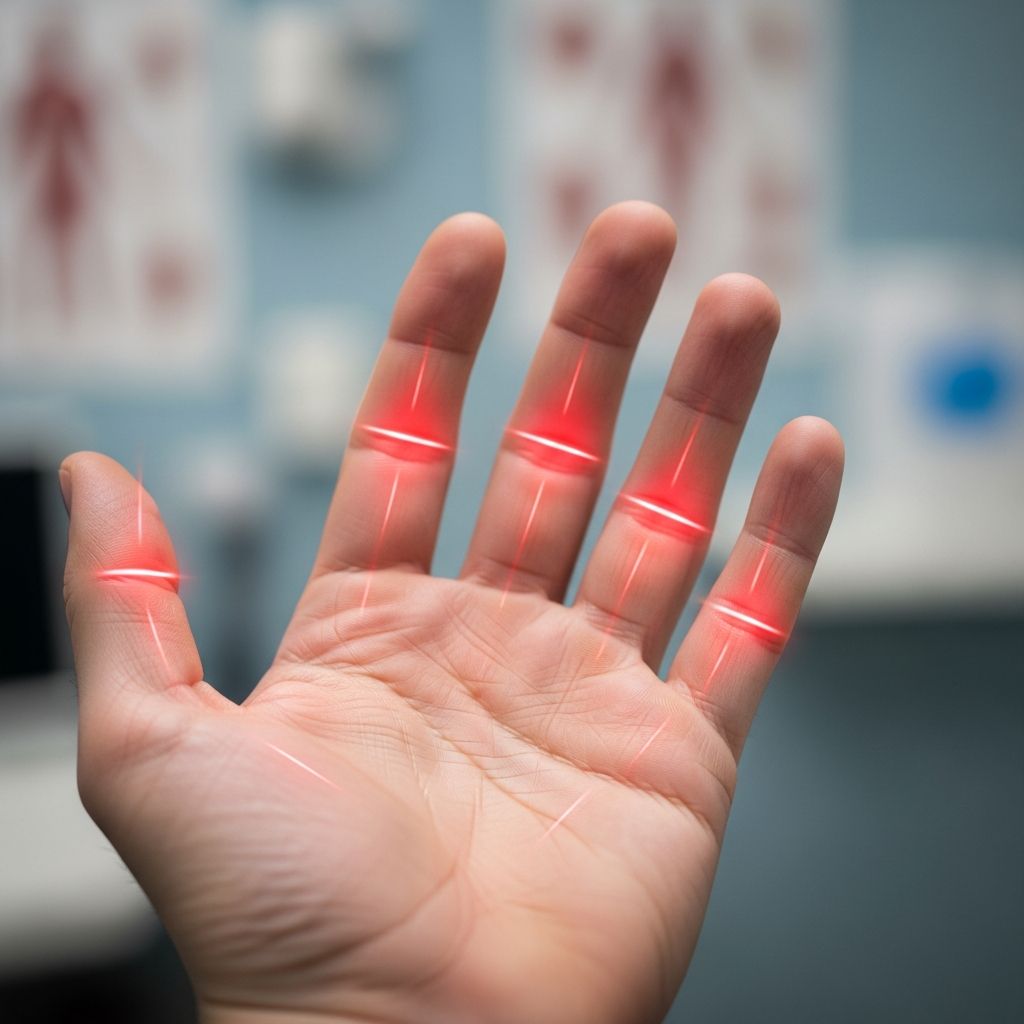
Nociceptive pain is the most common type of pain people experience in their lifetime. It occurs when tissue is damaged or injured, triggering specialized nerve endings called nociceptors to send warning signals to the brain. Unlike other pain types, nociceptive pain serves a protective function—it alerts your body to potential harm and helps you avoid further injury. Whether you’ve experienced a cut, sprain, surgical incision, or ongoing inflammation, you’ve likely felt nociceptive pain. Understanding this pain type is essential for managing it effectively and knowing when to seek medical attention.
What Is Nociceptive Pain?
Nociceptive pain is defined as pain arising from actual or threatened damage to non-neural tissue, caused by the activation of nociceptors—specialized sensory nerve endings that respond to harmful stimuli. When tissue is injured or inflamed, these nociceptors detect the damage and send electrical signals through the nervous system to the brain, creating the sensation of pain. This is your body’s natural alarm system, designed to protect you from further harm and encourage healing.
The key characteristic of nociceptive pain is that it directly correlates with the degree of tissue damage. As the underlying tissue heals, the pain typically diminishes. This contrasts with other pain types like neuropathic pain, where nerve damage causes pain independent of tissue injury, or nociplastic pain, which involves altered nervous system processing without clear tissue damage.
Types of Nociceptive Pain
Nociceptive pain is classified into two primary categories based on where the pain originates in the body:
Somatic Pain
Somatic pain originates from muscles, bones, joints, ligaments, and skin—the body’s structural tissues. This type of pain is typically well-localized, meaning you can pinpoint exactly where it hurts. Common examples include the sharp pain from a cut, the aching sensation from a fractured bone, or the soreness following a sports injury. Somatic pain is usually described as aching, throbbing, stabbing, or burning and is readily responsive to treatment.
Visceral Pain
Visceral pain arises from internal organs such as the heart, lungs, liver, kidneys, or digestive tract. This type of pain is typically more difficult to pinpoint because the internal organs have fewer nerve endings for precise localization. Visceral pain is often described as cramping, aching, or gnawing and may be referred to other body areas. For example, heart pain may be felt in the arm or jaw, making diagnosis more challenging.
Acute vs. Chronic Nociceptive Pain
Nociceptive pain exists on a timeline spectrum, classified as either acute or chronic based on duration:
Acute Nociceptive Pain
Acute nociceptive pain is short-term pain that typically resolves as the underlying tissue heals, usually within weeks to a few months. This type of pain serves an immediate protective function. Common causes include surgery, sports injuries, fractures, muscle strains, burns, and post-trauma healing from accidents or falls. Acute pain often benefits from conservative treatment approaches and interventional techniques such as nerve blocks or corticosteroid injections during the recovery period.
Chronic Nociceptive Pain
Chronic nociceptive pain persists for longer than three months and is often associated with long-standing tissue damage or ongoing inflammation. This type of pain may continue even after the initial injury has healed, particularly when underlying conditions cause persistent tissue stress. Chronic nociceptive pain conditions include osteoarthritis, rheumatoid arthritis, degenerative joint disease, chronic low back pain, and recurring headaches or migraines. Management of chronic nociceptive pain typically requires a comprehensive, long-term approach combining multiple treatment modalities.
Related Stories



Symptoms of Nociceptive Pain
Nociceptive pain manifests through various sensations depending on the source and severity of the injury. Recognizing these symptoms helps you communicate effectively with healthcare providers:
- Aching, throbbing, or burning pain sensations
- Stabbing or sharp pain
- Cramping, aching, or gnawing sensations
- Painful pressure or heaviness
- Pain that increases with movement or activity
- Associated numbness, weakness, or tingling
- Localized pain concentrated in the affected area
- Visible signs including redness, heat, and swelling
The specific symptoms you experience depend on the type of tissue damaged and the severity of the injury. Acute nociceptive pain associated with recent injury, surgical incision, or inflammation often subsides as the underlying tissue heals, making symptom resolution a positive indicator of recovery.
Causes of Nociceptive Pain
Nociceptive pain results from actual tissue damage, injury, or inflammation. Understanding the underlying cause is crucial for appropriate treatment planning and pain management.
Common Causes of Acute Nociceptive Pain
Acute nociceptive pain develops suddenly following a specific triggering event. Common acute causes include:
- Surgical procedures and post-operative recovery
- Sports-related injuries including sprains and strains
- Bruises, contusions, and blunt force trauma
- Muscle strains and ligament sprains
- Bone fractures or dislocations
- Post-trauma healing following auto accidents or falls
- Sore muscles from overuse or unaccustomed activity
- Burns from thermal, chemical, or radiation exposure
Common Causes of Chronic Nociceptive Pain
Chronic nociceptive pain typically stems from persistent conditions that cause ongoing tissue damage or inflammation:
- Osteoarthritis and other degenerative joint diseases
- Rheumatoid arthritis and other inflammatory joint conditions
- Ongoing musculoskeletal injuries that haven’t fully resolved
- Chronic low back pain from structural issues
- Recurring headaches and migraines
- Chronic inflammatory conditions affecting tissues
- Advanced cancer with metastatic bone involvement
- Cardiovascular conditions causing angina or chest pain
Diagnosis of Nociceptive Pain
Healthcare providers diagnose nociceptive pain through a combination of clinical evaluation, patient history, and imaging studies. Your doctor will ask detailed questions about the pain’s onset, location, intensity, and what activities make it better or worse. They’ll perform a physical examination to assess range of motion, identify areas of tenderness, and look for visible signs of injury or inflammation. Advanced imaging studies such as X-rays, MRI, or CT scans may be ordered to visualize tissue damage and determine the underlying cause. Laboratory tests may also help identify inflammatory conditions contributing to your pain.
Treatment Options for Nociceptive Pain
Nociceptive pain typically responds well to treatment approaches targeting the underlying tissue damage or inflammation. Treatment plans are individualized based on pain severity, cause, and patient preferences.
Conservative Treatment Approaches
Initial management of nociceptive pain often involves non-invasive interventions. Rest, ice, compression, and elevation (RICE protocol) help reduce acute pain and inflammation. Over-the-counter nonsteroidal anti-inflammatory drugs (NSAIDs) like ibuprofen and naproxen reduce pain and swelling. Physical therapy strengthens supporting muscles and improves mobility. Heat therapy, massage, and stretching exercises promote healing and pain relief. Lifestyle modifications such as weight management and ergonomic improvements reduce stress on affected tissues.
Pharmacological Treatment
Medications play a crucial role in nociceptive pain management. Topical analgesics including creams and patches provide localized pain relief. Nonsteroidal anti-inflammatory drugs reduce both pain and inflammation by blocking prostaglandin production. Acetaminophen provides pain relief without anti-inflammatory effects. Corticosteroid injections directly into affected joints reduce inflammation and provide targeted pain relief. For severe acute pain, opioid medications may be prescribed for short-term use, though long-term opioid therapy for chronic nociceptive pain requires careful monitoring.
Interventional Treatment Options
When conservative measures are insufficient, interventional procedures offer targeted pain relief. Nerve blocks interrupt pain signal transmission using local anesthetics injected near affected nerves. Corticosteroid joint injections reduce inflammation in arthritic joints. Radiofrequency ablation uses heat to destroy pain-transmitting nerve fibers. Epidural steroid injections deliver anti-inflammatory medication directly to the spinal cord area. Platelet-rich plasma (PRP) therapy and stem cell therapy promote tissue healing and regeneration. Spinal cord stimulation uses electrical impulses to interrupt pain signals before they reach the brain.
Distinguishing Nociceptive Pain from Other Pain Types
Understanding how nociceptive pain differs from other pain categories helps guide appropriate treatment strategies. Nociceptive pain originates from clear, demonstrable tissue damage and typically localizes to the injury area. In contrast, neuropathic pain results from nerve damage itself and involves shooting, burning, or electric sensations. Nociplastic pain arises from altered nervous system processing without obvious tissue injury and often involves widespread, poorly localized pain accompanied by fatigue and sleep disturbances. A single patient may experience overlapping pain mechanisms, requiring a comprehensive assessment to identify all pain components and tailor treatment accordingly.
Prognosis and Recovery
The outlook for nociceptive pain is generally favorable. Acute nociceptive pain typically resolves as tissues heal, often within weeks to months with appropriate treatment. Chronic nociceptive pain from conditions like arthritis may require ongoing management but can be effectively controlled with combined treatment approaches. Early intervention, adherence to treatment recommendations, and appropriate rehabilitation maximize recovery potential and reduce the risk of chronic pain development. Returning to normal activities gradually as healing progresses supports both physical and psychological recovery.
Frequently Asked Questions About Nociceptive Pain
Q: How long does nociceptive pain typically last?
A: Acute nociceptive pain usually resolves within weeks to a few months as the underlying tissue heals. Chronic nociceptive pain persists for more than three months and may require ongoing management for conditions like arthritis or chronic back pain.
Q: Can nociceptive pain be prevented?
A: While you cannot always prevent nociceptive pain, you can reduce your risk by maintaining proper body mechanics, wearing protective equipment during sports, staying physically active to support joint health, maintaining a healthy weight, and avoiding activities that stress injured tissues during recovery.
Q: Is nociceptive pain always associated with visible injury?
A: Not always. While nociceptive pain stems from tissue damage or inflammation, some internal injuries or inflammatory processes may not be immediately visible. Medical imaging is often necessary to identify internal tissue damage causing nociceptive pain.
Q: When should I see a doctor about nociceptive pain?
A: Seek medical attention if pain is severe, persists beyond a few weeks, significantly limits your activities, follows a serious injury, or if you develop signs of infection such as increased swelling, redness, or fever.
Q: Can nociceptive pain become chronic?
A: Yes, acute nociceptive pain can transition to chronic pain if the underlying condition persists or if inadequate initial treatment occurs. Proper early management and rehabilitation help prevent this transition and promote healing.
Q: Are there lifestyle changes that help manage chronic nociceptive pain?
A: Yes, maintaining regular gentle exercise, practicing stress management techniques, ensuring adequate sleep, maintaining a healthy weight, using proper ergonomics, and following recommended physical therapy significantly improve chronic pain management and quality of life.
References
- Nociceptive Pain: What It Is, Causes, Treatment & Types — Cleveland Clinic. 2024. https://my.clevelandclinic.org/health/symptoms/nociceptive-pain
- Nociplastic pain: an introduction — National Institutes of Health, PubMed Central. 2024. https://pmc.ncbi.nlm.nih.gov/articles/PMC12520750/
- Nociplastic pain: A practical guide to chronic pain management in primary care — Cleveland Clinic Journal of Medicine. 2024. https://www.ccjm.org/content/92/4/236
- Nociceptive Pain: Symptoms, Causes and Treatment — Pain Care Florida. 2024. https://paincareflorida.com/medical-pain-conditions/nociceptive-pain/
Similar Articles








Read full bio of medha deb