Nocturia: Causes, Symptoms, Diagnosis & Treatment
Understanding nocturia: Waking at night to urinate explained with causes, diagnosis, and effective treatment options.
Understanding Nocturia: What You Need to Know
Nocturia is a condition characterized by waking up more than once during the night with the need to urinate. While it may seem like a minor inconvenience, frequent nighttime urination can significantly impact your sleep quality and overall well-being. Many people experience occasional nighttime urination, but when it becomes a recurring pattern—particularly more than once or twice per night—it may indicate an underlying health condition that requires medical attention.
The condition is more common than many realize and affects individuals across all age groups, though it becomes increasingly prevalent in older adults. Understanding the causes, symptoms, and available treatment options is essential for managing nocturia effectively and restoring restful sleep.
What Causes Nocturia?
Nocturia can result from various factors, ranging from lifestyle habits to underlying medical conditions. Identifying the root cause is crucial for determining the most appropriate treatment strategy.
Behavioral and Lifestyle Factors
One of the most common causes of nocturia is drinking excessive fluids, particularly beverages containing caffeine or alcohol, close to bedtime. Caffeine and alcohol are natural diuretics that increase urine production and bladder activity. Similarly, consuming large quantities of any fluid within two to three hours before sleep can lead to nighttime awakening.
Sleep-related issues can also contribute to nocturia. Sleep disorders such as sleep apnea may cause individuals to wake more frequently, and the brain may interpret normal bladder sensations more readily during disrupted sleep patterns.
Urinary and Bladder Conditions
Several conditions affecting the bladder and urinary system directly cause nocturia. An overactive bladder, which produces sudden urges to urinate regardless of how much urine is present, frequently results in nighttime bathroom trips. Urinary tract infections can irritate the bladder lining, causing increased urgency and frequency of urination, including at night.
Bladder obstruction or reduced bladder capacity prevents normal urine storage, forcing more frequent bathroom visits. Conditions that affect bladder function can develop gradually, making early detection important for effective management.
Prostate Issues in Men
In men, an enlarged prostate gland can obstruct the urethra and interfere with normal urine flow. Benign prostatic hyperplasia (BPH) is particularly common in older men and frequently causes nocturia as a primary symptom. Prostate-related conditions require specific evaluation and targeted treatment.
Systemic Medical Conditions
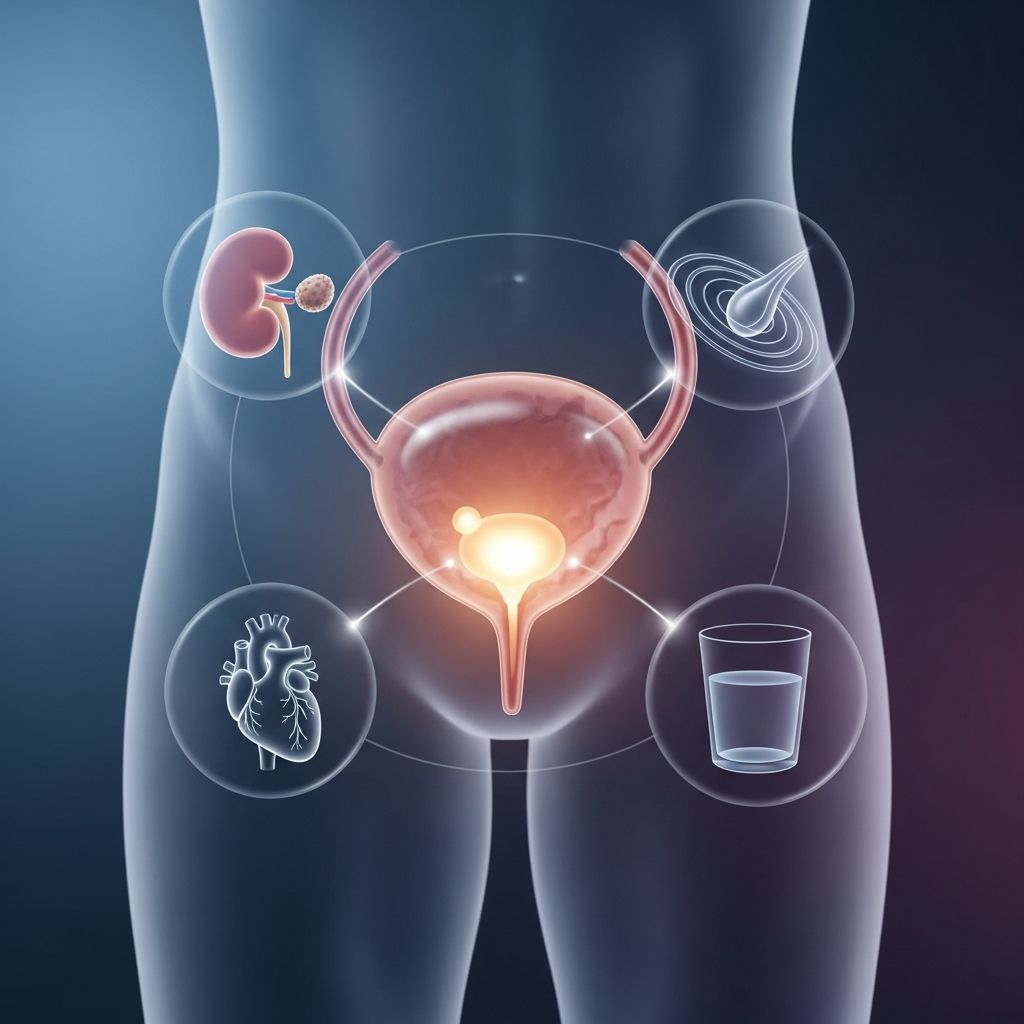
Diabetes mellitus is a significant contributor to nocturia, as elevated blood sugar levels increase urine production. Similarly, diabetes insipidus, a hormone-related disorder affecting fluid regulation, can cause excessive nighttime urination. Heart failure, which affects the body’s fluid distribution and kidney function, often presents with nocturia as an early symptom.
Other conditions contributing to nocturia include kidney disease, hormonal imbalances such as those occurring during menopause, pregnancy-related changes, and thyroid disorders. Certain medications, particularly diuretics used to manage hypertension or heart conditions, can increase nighttime urination when taken late in the day.
Recognizing Symptoms of Nocturia
The primary symptom of nocturia is waking up multiple times during the night with the urgent need to urinate. While waking once per night might be considered occasional or normal for some individuals, healthcare providers typically consider nocturia clinically significant when it occurs at least twice per night and disrupts sleep patterns.
Related Stories



The secondary effects of nocturia often prove more problematic than the condition itself. Repeatedly interrupted sleep leads to daytime fatigue, reduced cognitive function, and decreased work productivity. The cumulative sleep deprivation associated with frequent nighttime urination can significantly impact overall quality of life and emotional well-being.
Additionally, the multiple nighttime trips to the bathroom increase the risk of falls and injuries, particularly in older adults with reduced mobility or vision. This increased fall risk represents a serious health concern requiring appropriate management.
Diagnosis of Nocturia
Diagnosing nocturia involves a comprehensive evaluation to identify underlying causes. Your healthcare provider will begin with a detailed medical history, asking about the frequency of nighttime urination, fluid intake patterns, medications, and any other symptoms.
Diagnostic Tests and Examinations
A urinalysis is typically one of the first tests performed, examining urine for signs of infection, glucose, protein, or other abnormalities. A bladder ultrasound can assess whether the bladder is emptying properly and measure post-void residual urine volume.
Your provider may recommend keeping a voiding diary, in which you record the times and volumes of urination, both day and night, along with fluid intake. This detailed record helps identify patterns and potential triggers contributing to nocturia.
Additional tests might include blood work to assess kidney function, blood sugar levels, and hormone balance. If sleep-related issues are suspected, sleep studies may be warranted to evaluate for conditions such as sleep apnea. Men with suspected prostate problems may undergo prostate-specific antigen (PSA) testing or a digital rectal examination.
Treatment Options for Nocturia
Treatment strategies for nocturia are individualized based on the underlying cause and severity of symptoms. Most cases respond well to a combination of lifestyle modifications and, when necessary, targeted medical interventions.
Lifestyle Modifications
Healthcare providers typically recommend lifestyle changes as the first-line approach to managing nocturia. These modifications are low-risk and frequently produce significant improvements in symptoms.
Fluid Management: Restrict fluid intake two to three hours before bedtime. Avoid caffeinated beverages, alcohol, and excessive sodium in evening meals, as these can increase urine production. Maintain adequate hydration during daytime hours to ensure proper overall fluid balance.
Sleep Optimization: Develop consistent sleep schedules by going to bed and waking at the same time daily. Avoid prolonged napping, particularly in the evening. Limit screen exposure before bedtime, as blue light from electronic devices can disrupt circadian rhythms and melatonin production.
Physical Activity: Engage in regular moderate exercise during daytime hours to promote better sleep quality and overall health. Physical activity helps regulate circadian rhythms and can improve bladder function.
Positional Strategies: Elevate your legs during the afternoon and wear compression stockings to prevent fluid accumulation in the lower extremities. This reduces the amount of fluid that returns to circulation at night, subsequently decreasing nocturnal urine production.
Environmental Adjustments: Sleep in a warm bed to minimize cold diuresis, a physiological response that increases urine production when the body is exposed to cold. Minimize nighttime influences that disturb sleep and maintaining a comfortable sleep environment.
Treating Underlying Conditions
Effective management of nocturia often requires treating the primary condition causing the symptoms. For individuals with diabetes, tight blood sugar control significantly reduces nocturnal polyuria. Those with sleep apnea benefit from continuous positive airway pressure (CPAP) therapy. Patients with enlarged prostates may require medication or, in some cases, surgical intervention.
Controlling hypertension with appropriate medications, treating urinary tract infections with antibiotics, and managing heart failure with diuretics and other cardiac medications can all help reduce nocturia. Medication review by your healthcare provider may reveal that current prescriptions are contributing to symptoms, allowing for potential adjustments.
Pharmacological Treatments
When lifestyle modifications alone prove insufficient, several medication classes can effectively manage nocturia.
Desmopressin (DDAVP): This synthetic hormone reduces nocturnal urine production and is particularly effective for patients with nocturnal polyuria. Low oral doses at bedtime are typically initiated, with response assessment and dose adjustment as needed.
Antimuscarinic Agents: Medications such as oxybutynin (Ditropan), tolterodine (Detrol), and solifenacin (Vesicare) reduce involuntary bladder contractions by blocking muscarinic receptors on the detrusor muscle. These medications increase bladder capacity and reduce urinary urgency.
Diuretics: For patients with concomitant hypertension or cardiovascular disease, diuretics like hydrochlorothiazide or furosemide taken in the afternoon or early evening can help manage fluid accumulation and reduce nocturia.
Alpha-blockers and 5-Alpha Reductase Inhibitors: These medications address nocturia caused by benign prostatic hyperplasia, improving urine flow and reducing urinary symptoms.
Cyclooxygenase-2 Inhibitors: Anti-inflammatory medications in this class may provide benefits for selected patients with nocturia.
Advanced Treatments: For overactive bladder causing nocturia, botulinum toxin injected directly into the bladder muscle can provide symptom relief for approximately six months, with the procedure performed in an office setting.
When to Seek Medical Attention
Contact your healthcare provider if you regularly wake more than once or twice per night to urinate, particularly if this represents a change from your normal pattern. While you can initially discuss nocturia with your primary care physician, you may need to see a urologist or another specialist depending on the underlying cause.
Seek immediate medical attention if nocturia is accompanied by fever, blood in urine, severe abdominal pain, or difficulty urinating, as these symptoms may indicate a urinary tract infection or other serious condition requiring prompt evaluation.
Can Nocturia Be Prevented?
Nocturia itself is not preventable, as it typically results from underlying medical conditions or age-related physiological changes. However, managing chronic conditions effectively can help reduce nocturia symptoms. For conditions related to lifestyle factors, such as excessive evening fluid intake, preventive measures can be highly effective.
For conditions such as menopause or pregnancy-related nocturia, prevention options are limited, though symptom management remains possible. Maintaining overall health through regular exercise, balanced nutrition, and stress management may help minimize nocturia development and severity.
Frequently Asked Questions About Nocturia
Q: Is waking up once per night to urinate considered nocturia?
A: Waking once per night may be normal for some individuals, but most healthcare providers consider nocturia clinically significant when it occurs at least twice per night. However, any change in your normal urination patterns warrants discussion with your healthcare provider.
Q: Can I treat nocturia without medication?
A: Many cases of nocturia respond well to lifestyle modifications alone, including fluid restriction, sleep optimization, and physical activity. However, when underlying medical conditions are present, medication may be necessary alongside lifestyle changes for optimal symptom management.
Q: How long does it take to see improvement with treatment?
A: The timeline for improvement varies depending on the underlying cause and treatment approach. Lifestyle modifications may show benefits within one to two weeks, while medication adjustments may require several weeks to demonstrate full effectiveness.
Q: Is nocturia a sign of a serious medical condition?
A: While nocturia can indicate underlying health issues such as diabetes, heart disease, or urinary tract problems, it is not always indicative of serious illness. However, persistent nocturia warrants medical evaluation to identify and address any contributing factors.
Q: What is the difference between nocturia and nocturnal enuresis?
A: Nocturia involves waking up and consciously urinating during the night, while nocturnal enuresis refers to involuntary urination during sleep without waking. These are distinct conditions requiring different diagnostic and treatment approaches.
Conclusion: Managing Nocturia for Better Sleep
Nocturia is a treatable condition that should not be accepted as an inevitable part of aging or a normal aspect of daily life. Frequent nighttime urination disrupts sleep quality, reduces daytime functioning, and can significantly impact your overall well-being. The good news is that most cases respond well to comprehensive management strategies combining lifestyle modifications, treatment of underlying conditions, and pharmacological interventions when appropriate.
If you find yourself waking multiple times per night to urinate, schedule an appointment with your healthcare provider. A thorough evaluation will identify the underlying cause and enable development of a personalized treatment plan tailored to your specific needs. Whether through simple lifestyle adjustments or targeted medical therapy, addressing nocturia effectively can restore restorative sleep and improve your quality of life substantially.
References
- Nocturia: Causes, Symptoms, Diagnosis & Treatment — Cleveland Clinic. 2024. https://my.clevelandclinic.org/health/diseases/14510-nocturia
- Nocturia in the Elderly: A Wake-Up Call — Cleveland Clinic Journal of Medicine, Vol. 78, No. 11. 2011-11. https://www.ccjm.org/content/ccjom/78/11/757.full.pdf
- How To Stop Frequent Urination at Night — Cleveland Clinic Health. 2024. https://health.clevelandclinic.org/stop-full-bladder-killing-sleep
- Overactive Bladder (OAB): Causes, Symptoms & Treatment — Cleveland Clinic. 2024. https://my.clevelandclinic.org/health/diseases/14248-overactive-bladder
- Nocturia in the Elderly: A Wake-Up Call — PubMed/NIH. 2011-11. https://pubmed.ncbi.nlm.nih.gov/22049543/
Similar Articles








Read full bio of Sneha Tete