Nocturnal Hypoglycemia: Understanding Nighttime Low Blood Sugar
Learn about nocturnal hypoglycemia, its causes, symptoms, prevention strategies, and management techniques for better diabetes control.
Understanding Nocturnal Hypoglycemia
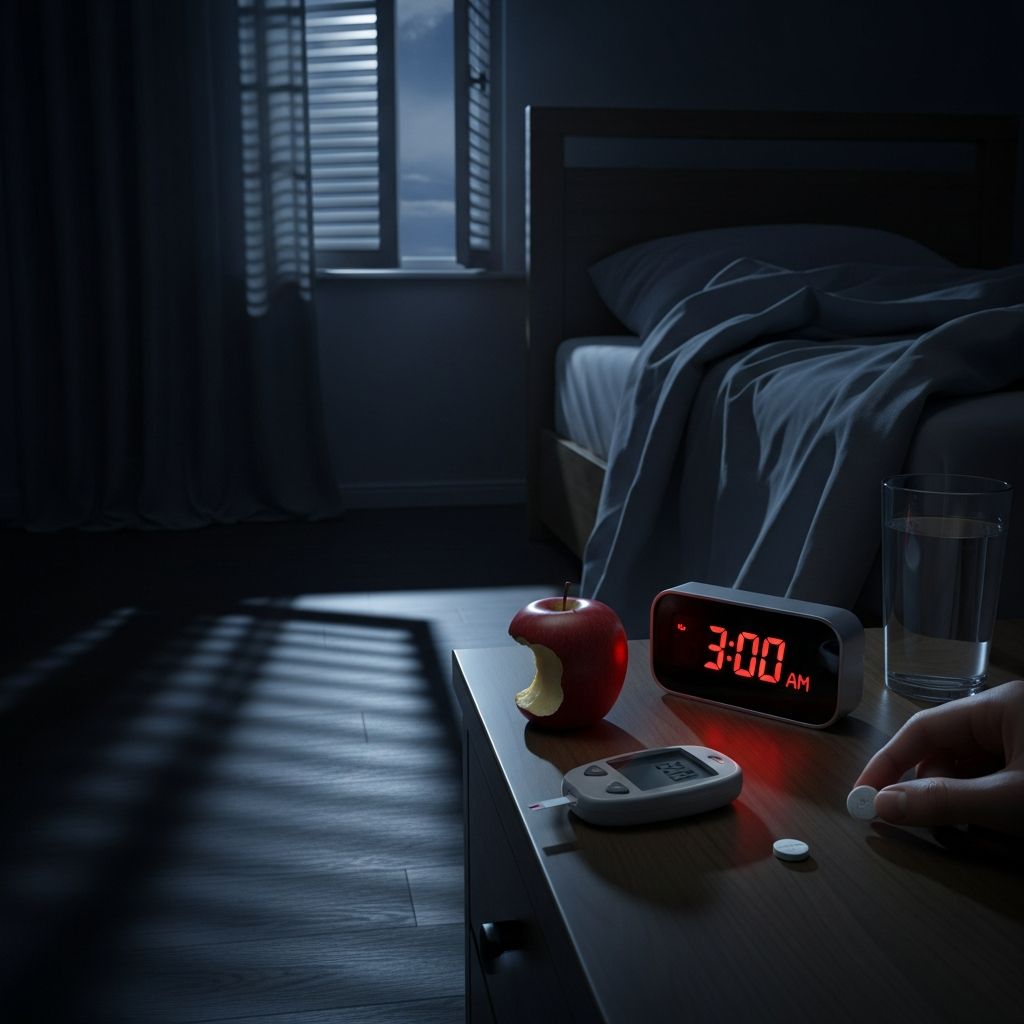
Nocturnal hypoglycemia, commonly referred to as nighttime low blood sugar, occurs when blood glucose levels drop below the target range during sleep. This condition represents a significant concern for individuals with diabetes who rely on insulin or other glucose-lowering medications for disease management. Unlike daytime hypoglycemia, where symptoms may prompt immediate attention and corrective action, nocturnal hypoglycemia presents unique challenges because the individual is asleep and may not recognize or respond to warning signs. Understanding this condition is essential for anyone managing diabetes, as it can lead to serious complications if left unaddressed.
The body naturally experiences fluctuations in blood glucose levels throughout the day and night as part of the circadian rhythm. However, for people with diabetes, the intricate interaction between insulin dosing, dietary intake, physical activity, and sleep patterns can create extreme blood sugar fluctuations. These variations may result in episodes of hypoglycemia that occur during nighttime hours when an individual is unable to consciously detect and treat the condition.
What Causes Nocturnal Hypoglycemia?
Multiple factors can contribute to the development of nocturnal hypoglycemia. Understanding these causes is crucial for effective prevention and management strategies.
Insulin-Related Factors
Excessive insulin dosing is among the most common causes of nocturnal hypoglycemia. This may occur when individuals take too much insulin before bedtime to correct elevated blood sugar levels or to cover meals and snacks consumed in the evening. Additionally, when insufficient food is consumed following the evening insulin injection, blood glucose levels may drop excessively during the night. The timing and amount of insulin administration play critical roles in determining nighttime glucose stability.
Physical Activity and Exercise
Evening exercise or physical activity beyond an individual’s usual routine can significantly impact nighttime blood glucose levels. The effects of exercise on insulin sensitivity can extend into the nighttime hours, causing blood sugar to drop several hours after activity completion. This delayed effect makes it challenging to predict and prevent hypoglycemic episodes that may occur during sleep.
Dietary Factors
Consuming insufficient carbohydrates before bedtime or skipping dinner entirely increases the risk of nocturnal hypoglycemia. Inadequate food intake fails to provide the glucose needed to sustain blood sugar levels throughout the night, particularly when insulin is on board. The composition and timing of evening meals significantly influence nocturnal glucose stability.
Alcohol Consumption
Alcohol consumption, particularly when consumed without food or in excessive amounts, impairs the liver’s ability to release stored glucose during periods of low blood sugar. This hepatic glucose production impairment can lead to prolonged and severe hypoglycemia during nighttime hours.
Underlying Medical Conditions
Certain medical conditions can increase susceptibility to nocturnal hypoglycemia. Kidney disease, liver disease, thyroid disease, and active viral infections may alter glucose metabolism and increase hypoglycemia risk. Additionally, specific medications such as beta-blockers can mask hypoglycemia symptoms and increase vulnerability to severe episodes.
The Somogyi Effect
An important phenomenon related to nocturnal hypoglycemia is the Somogyi effect, which represents a rebound hyperglycemic response. When the body experiences nocturnal hypoglycemia, it triggers the release of stress hormones including glucagon, cortisol, and epinephrine. These hormones work to raise blood glucose levels, resulting in elevated morning blood sugar readings. This rebound effect can be mistaken for inadequate overnight glucose control, potentially leading to inappropriate insulin dose increases that may worsen nocturnal hypoglycemia.
Related Stories



Recognizing Symptoms of Nocturnal Hypoglycemia
While some individuals may experience nocturnal hypoglycemia without waking, others may experience distinct symptoms that disrupt sleep. Recognizing these symptoms is essential for early detection and treatment.
Common Nighttime Symptoms
Night sweats represent one of the most characteristic signs of nocturnal hypoglycemia. Individuals may wake to find their bedclothes and sheets damp from excessive perspiration. This occurs because the body releases stress hormones in response to low blood glucose, triggering sweating as a mechanism to mobilize glucose reserves.
Nightmares and vivid, disturbing dreams frequently occur during hypoglycemic episodes. These may be accompanied by restless sleep, frequent waking, tossing and turning, and difficulty remaining asleep throughout the night. Some individuals experience anxiety or a sense of impending doom during sleep.
Morning Symptoms
Morning headaches can indicate nocturnal hypoglycemia, as the brain is extremely sensitive to blood glucose fluctuations. Waking with fatigue, irritability, difficulty concentrating, or confusion may suggest that nocturnal hypoglycemia occurred during sleep. Some individuals report waking with an unusually elevated mood or emotional changes.
Severe Manifestations
In severe cases, nocturnal hypoglycemia may cause seizures, loss of consciousness, or abnormal nocturnal behavior. Individuals may exhibit confused or irrational behavior, produce nonsensical speech, display involuntary movements, or appear unresponsive to verbal communication. These serious symptoms warrant immediate medical attention and emergency intervention.
Risk Factors for Nocturnal Hypoglycemia
Certain individuals face higher risk for experiencing nocturnal hypoglycemia. Understanding these risk factors helps identify those requiring enhanced monitoring and preventive strategies.
People who use insulin therapy, particularly those on intensive insulin regimens or pump therapy, face elevated risk for nocturnal hypoglycemia. Type 1 diabetes and advanced type 2 diabetes requiring insulin demonstrate higher incidence rates. Individuals with longstanding diabetes, those with hypoglycemia unawareness, and those with previous severe hypoglycemic episodes are at increased risk. Additionally, individuals with poor glycemic control, those engaging in frequent or intense physical activity, and those with irregular sleep schedules may experience higher rates of nocturnal hypoglycemia.
Detection and Diagnosis
Blood Glucose Testing
Testing blood glucose levels at approximately 2:00 AM to 3:00 AM for several consecutive nights can help determine whether nocturnal hypoglycemia is responsible for reported symptoms. This middle-of-the-night testing provides direct measurement of glucose levels during typical sleep hours and can confirm diagnostic suspicions.
Continuous Glucose Monitoring
Continuous glucose monitoring (CGM) devices represent an advanced and more practical approach to detecting nocturnal hypoglycemia. These wearable sensors measure glucose levels throughout the day and night, providing real-time glucose readings at regular intervals. Many CGM systems include alarm functions that alert users or caregivers when blood glucose levels drop below predetermined thresholds, enabling prompt intervention. CGM technology eliminates the need for middle-of-the-night fingerstick testing and provides comprehensive data regarding glucose trends and patterns.
Why Nighttime Hypoglycemia Requires Special Attention
Nocturnal hypoglycemia is particularly concerning because individuals sleeping may not recognize symptoms that would trigger corrective action during waking hours. This lack of awareness can result in prolonged hypoglycemia, allowing glucose levels to drop to dangerous and potentially life-threatening ranges. In severe cases, individuals may become unresponsive and require emergency assistance from caregivers.
Prevention Strategies
Insulin Adjustment
Healthcare providers may adjust evening insulin doses to reduce hypoglycemia risk. This adjustment requires careful consideration of individual factors including usual evening activity levels, dietary patterns, and baseline glucose control. Some individuals benefit from reduced evening insulin doses, while others may require long-acting insulin adjustments or modified insulin timing.
Dietary Modifications
Consuming an appropriate bedtime snack containing both carbohydrates and protein can help sustain blood glucose throughout the night. A small snack containing slowly absorbed carbohydrates provides sustained glucose release, while protein content slows carbohydrate absorption and extends satiety. Healthcare providers can recommend appropriate snack options based on individual preferences and dietary requirements.
Exercise Management
Timing evening physical activity earlier in the day, rather than close to bedtime, may reduce hypoglycemia risk. When evening exercise is unavoidable, consuming additional carbohydrates following activity or reducing evening insulin doses may provide protective effects. Individuals engaging in new or more intense exercise programs should discuss activity modifications with their healthcare provider.
Alcohol Considerations
Limiting alcohol consumption or consuming alcoholic beverages only with food helps protect against nocturnal hypoglycemia. Individuals should discuss safe alcohol consumption with their healthcare provider and understand how alcohol may affect their individual glucose control.
Sleep Optimization
Maintaining consistent sleep schedules and obtaining adequate sleep duration supports metabolic stability and may reduce hypoglycemia risk. Irregular sleep patterns and sleep deprivation can impair glucose regulation and increase hypoglycemia susceptibility.
Regular Monitoring
Regularly checking blood glucose levels, particularly before bedtime and upon waking, helps identify patterns associated with nocturnal hypoglycemia. Healthcare providers can use this information to identify trends and recommend appropriate management modifications.
Treatment and Emergency Response
Self-Treatment
When individuals wake during a hypoglycemic episode, immediate treatment with rapid-acting carbohydrates is essential. Consuming glucose tablets, fruit juice, candy, or other quickly absorbed carbohydrate sources can raise blood glucose within minutes. After treating the acute episode, consuming a snack containing protein and complex carbohydrates helps prevent recurrent hypoglycemia.
Emergency Situations
If a caregiver cannot wake an individual experiencing nocturnal hypoglycemia or if the individual appears unresponsive or confused, emergency medical services should be contacted immediately. Caregivers should never attempt to administer oral foods or fluids to unresponsive individuals, as this poses aspiration risk. Glucagon injection kits, which rapidly raise blood glucose in emergency situations, may be administered by trained caregivers before emergency services arrive. After any severe hypoglycemic episode, individuals require medical evaluation to rule out complications and determine whether management modifications are necessary.
Advanced Management Technologies
Automated Insulin Delivery Systems
Automated insulin delivery (AID) systems, also known as artificial pancreas systems, represent advanced technology for nocturnal hypoglycemia prevention. These systems combine continuous glucose monitoring with insulin pump therapy and sophisticated algorithms that automatically adjust insulin delivery based on real-time glucose readings. AID systems can reduce insulin doses during periods of nocturnal hypoglycemia risk and increase doses during periods of hyperglycemia risk, significantly reducing nocturnal hypoglycemia frequency.
Continuous Glucose Monitoring Integration
Newer CGM systems integrate directly with smartphones and smartwatches, enabling immediate notification to users and caregivers when glucose levels fall below target ranges. This technology enables rapid intervention, even during sleep, when caregivers receive alerts and can check on patients and provide treatment if needed.
When to Contact Your Healthcare Provider
Healthcare providers should be contacted if individuals experience frequent nocturnal hypoglycemia episodes, wake with symptoms suggestive of nocturnal hypoglycemia, or develop hypoglycemia unawareness. Additionally, any changes in diabetes medications, lifestyle modifications, or underlying medical conditions should be discussed with healthcare providers, as these may influence nocturnal hypoglycemia risk. After any severe hypoglycemic episode, medical evaluation is warranted to ensure appropriate management and rule out complications.
Frequently Asked Questions
Q: How common is nocturnal hypoglycemia?
A: Nocturnal hypoglycemia is a common challenge for people living with diabetes, particularly those using insulin therapy. Research suggests that individuals using insulin may experience nocturnal hypoglycemia multiple times weekly.
Q: Can nocturnal hypoglycemia cause permanent brain damage?
A: While isolated episodes of nocturnal hypoglycemia typically do not cause permanent damage, long-term persistent hypoglycemia may cause brain dysfunction and potentially result in permanent brain damage. This underscores the importance of preventing recurrent severe hypoglycemic episodes.
Q: Is nocturnal hypoglycemia dangerous?
A: Nocturnal hypoglycemia can be dangerous, particularly when severe or prolonged. Because individuals are asleep, they may not recognize or treat symptoms, allowing glucose levels to drop to life-threatening ranges. Severe hypoglycemia can cause seizures, loss of consciousness, and in rare cases, death.
Q: What blood glucose level is considered hypoglycemia?
A: In general, blood glucose levels below 70 mg/dL are considered hypoglycemic. However, the glucose level at which symptoms begin varies among individuals with diabetes. Some may experience symptoms at slightly higher levels, while others may not notice symptoms until glucose drops lower.
Q: How can caregivers help prevent nocturnal hypoglycemia?
A: Caregivers can help by encouraging regular glucose monitoring, ensuring appropriate meals and snacks are consumed, supporting consistent sleep schedules, and learning to recognize hypoglycemia symptoms. Caregivers should also be trained in glucagon administration for emergency situations.
Q: Are there differences in nocturnal hypoglycemia between type 1 and type 2 diabetes?
A: While both type 1 and type 2 diabetes can involve nocturnal hypoglycemia, it is more common in individuals with type 1 diabetes and those with advanced type 2 diabetes requiring intensive insulin therapy.
References
- Diabetic Hypoglycemia: Symptoms & Causes — Mayo Clinic. 2024. https://www.mayoclinic.org/diseases-conditions/diabetic-hypoglycemia/symptoms-causes/syc-20371525
- Hypoglycemia (Low Blood Sugar): Symptoms & Treatment — Cleveland Clinic. 2024. https://my.clevelandclinic.org/health/diseases/11647-hypoglycemia-low-blood-sugar
- What is Nocturnal Hypoglycemia, and Can It Be Avoided? — Medical News Today. 2024. https://www.medicalnewstoday.com/articles/nocturnal-hypoglycemia
- A Guide to Navigating Nighttime Hypoglycemia — diaTribe. 2024. https://diatribe.org/diabetes-management/guide-navigating-nighttime-hypoglycemia
- Abnormal Nocturnal Behavior Due to Hypoglycemia: A Case Report — National Center for Biotechnology Information (NCBI/PubMed Central). 2019. https://pmc.ncbi.nlm.nih.gov/articles/PMC6380808/
- Nocturnal Hypoglycemia — MyHealth Alberta — Government of Alberta Health Services. 2024. https://myhealth.alberta.ca/Health/pages/conditions.aspx?hwid=uq2844
Similar Articles








Read full bio of Sneha Tete