Nocturnal Lagophthalmos: Eyes Open at Night
Discover why some people sleep with eyes open, the hidden risks to vision, and proven strategies for eye protection during rest.
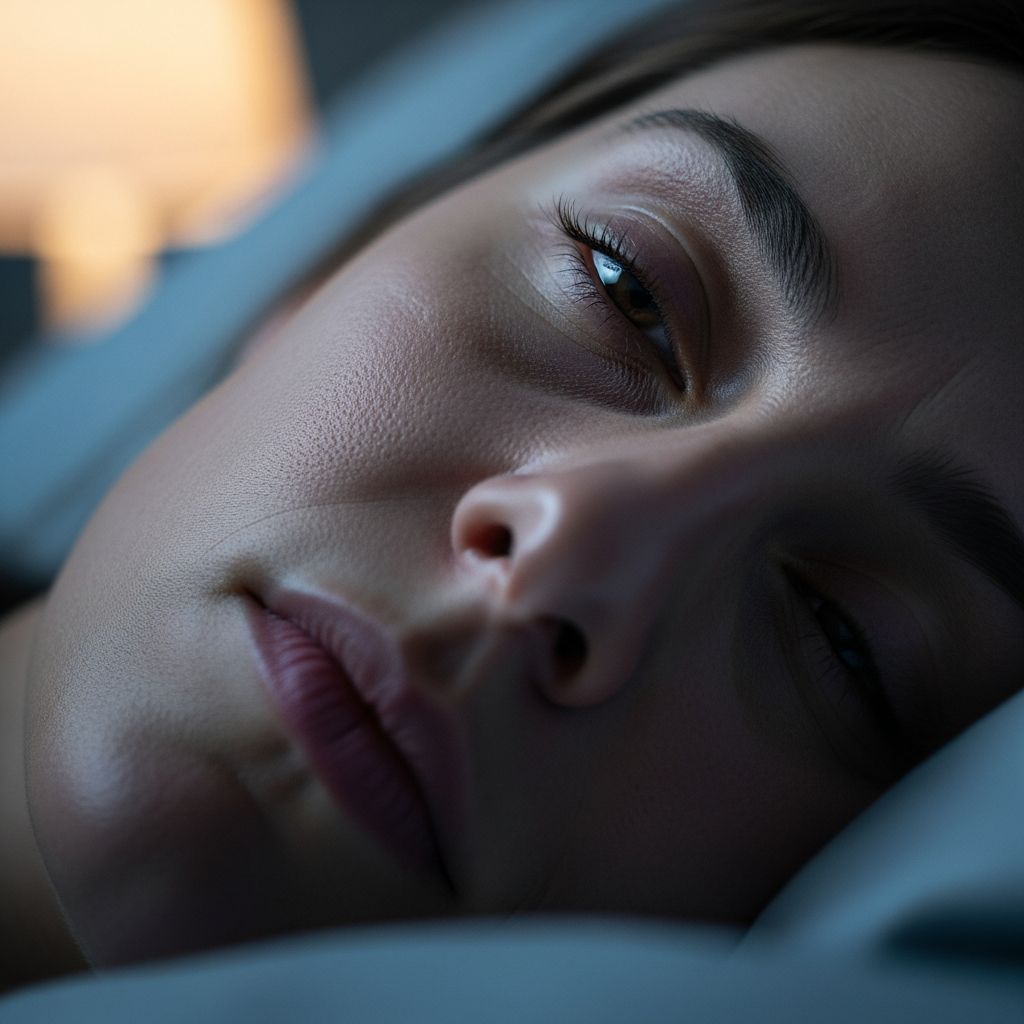
Imagine drifting into sleep only for your eyes to remain partially exposed, vulnerable to the dry air of the night. This phenomenon, known as nocturnal lagophthalmos, affects a notable portion of the population and can silently undermine eye health. Without full eyelid closure, the cornea—the eye’s clear front surface—loses vital moisture, potentially leading to irritation, infections, and even vision impairment over time. Understanding this condition is crucial for anyone experiencing morning eye discomfort or suspected open-eye sleep.
Recognizing the Signs of Open Eyes During Sleep
Most individuals won’t notice their own eyelids failing to close fully at night, but telltale symptoms emerge upon waking. These signs stem from overnight exposure, where blinking ceases and tears evaporate unchecked.
- Dryness and irritation: A gritty or sandy sensation, as if debris lingers in the eye, results from evaporated tear film.
- Redness and inflammation: The whites of the eyes appear bloodshot due to prolonged exposure and lack of protection.
- Blurred or hazy vision: Temporary morning blurriness occurs as the cornea dries and swells slightly.
- Excessive tearing: Paradoxically, watery eyes compensate for dryness during the day.
- Light sensitivity: Photophobia heightens as the unprotected surface becomes inflamed.
- Pain or soreness: In advanced cases, a burning ache signals corneal stress.
Partners or family members often provide the first clue by observing visible sclera (the white part) during sleep. If these symptoms persist despite good daytime habits, professional evaluation is essential to rule out nocturnal lagophthalmos.
Uncovering the Root Causes Behind Incomplete Eyelid Closure
Nocturnal lagophthalmos rarely occurs in isolation; it typically links to disruptions in the facial muscles or nerves controlling the orbicularis oculi—the ring-like muscle encircling the eye. This muscle must contract firmly to seal the lids shut. When weakened, the eyes stay ajar.
Neurological and Muscular Factors
Facial nerve paralysis tops the list of culprits. Conditions like Bell’s palsy temporarily paralyze one side of the face, including eyelid muscles, often following viral infections. Strokes or trauma can cause permanent nerve damage, leading to asymmetric closure. Rare neuromuscular diseases, such as amyotrophic lateral sclerosis (ALS), progressively impair muscle function.
Structural and Anatomical Issues
Eyelid abnormalities play a significant role. Ptosis (drooping upper lid), ectropion (outward-turning lower lid), or entropion (inward-turning) prevent full apposition. Proptosis, or bulging eyes from Graves’ disease (thyroid eye disease), physically hinders lid coverage. Aging exacerbates these, as skin loses elasticity and orbicularis tone weakens.
Systemic and Lifestyle Contributors
Autoimmune disorders like Lyme disease or Guillain-Barré syndrome inflame nerves, while infections such as chickenpox trigger temporary lagophthalmos. Sleep apnea occasionally correlates, though not universally. Lifestyle factors include excessive alcohol or sedatives, which relax muscles excessively. In idiopathic cases, no clear cause emerges, affecting up to 20% of people per some estimates.
| Category | Examples | Impact on Eyelids |
|---|---|---|
| Neurological | Bell’s palsy, stroke, ALS | Nerve signals fail to close muscles |
| Structural | Ptosis, ectropion, proptosis | Lids misalign or can’t meet |
| Systemic | Graves’ disease, infections | Inflammation or protrusion disrupts closure |
| Lifestyle | Alcohol, sedatives | Muscle relaxation prevents full shut |
Related Stories



The Serious Consequences for Eye Health and Sleep Quality
Beyond discomfort, untreated nocturnal lagophthalmos invites progressive damage. The cornea, denser with pain receptors than any other body tissue, relies on constant tear renewal. Overnight exposure dries it out, fostering exposure keratopathy—a breakdown of the surface epithelium.
- Corneal abrasions and ulcers: Scratches invite bacteria, risking painful sores that scar if deep.
- Infections: Dehydrated tissues crack, allowing pathogens entry and potentially causing keratitis.
- Vision threats: Chronic erosion can perforate the cornea or cloud vision permanently.
- Sleep disruption: Discomfort fragments rest, with light leaking through lids arousing the brain.
Studies link it to poorer sleep efficiency, compounding fatigue. Early intervention halts this cascade, preserving clarity and comfort.
Diagnostic Approaches: How Eye Specialists Confirm the Condition
Optometrists or ophthalmologists diagnose via simple checks. During exams, they inspect corneal staining with fluorescein dye, revealing overnight dessication patterns. Asking patients to gently close eyes mimics sleep closure; incomplete apposition confirms lagophthalmos.
Slit-lamp microscopy magnifies lid gaps, while patient history pinpoints onset with illnesses or habits. Rarely, overnight monitoring or partner videos provide proof. Differentiating from dry eye disease alone is key, as both overlap but demand distinct management.
Practical Treatments to Protect Eyes Overnight
Management spans conservative to surgical, prioritizing moisture retention and lid function restoration.
Non-Invasive Moisture Strategies
Thick lubricating ointments (petrolatum-based) form a barrier against evaporation, applied pre-bed. Over-the-counter artificial tears supplement during day. Moisture goggles or chambers seal ambient humidity around eyes.
Temporary Mechanical Aids
Eyelid tapes (medical-grade, skin-safe) gently pull lids shut, ideal for mild cases. Self-adhesive moisture chambers clip over eyes like swim goggles. Upper lid weights (tiny platinum implants) added outpatient aid gravity-assisted closure.
Addressing Underlying Issues
Treating Bell’s palsy with steroids hastens recovery. Botox injections temporarily weaken overactive lid retractors in proptosis. For severe paralysis, gold weights surgically implant in lids for passive closure.
Surgical Interventions for Lasting Relief
Tarsorrhaphy partially fuses lid margins, reducing exposure. Lid reconstruction corrects ectropion or ptosis via tightening procedures. These restore anatomy when conservative measures fail.
| Treatment Type | Pros | Cons | Best For |
|---|---|---|---|
| Ointments/Tapes | Non-invasive, cheap | Daily application | Mild cases |
| Lid Weights | Permanent aid | Minor surgery | Paralysis |
| Surgery | Definitive fix | Invasive, recovery | Severe/structural |
Lifestyle Adjustments and Prevention Tips
Humidifiers maintain bedroom moisture above 40%, countering dry air. Elevating head reduces fluid buildup exacerbating proptosis. Avoiding alcohol near bedtime preserves muscle tone. Regular eye exams catch early signs, especially post-illness.
For high-risk groups—like those with facial palsy history or thyroid issues—nightly routines with ointments prevent escalation.
Frequently Asked Questions (FAQs)
Is sleeping with eyes open harmful?
Yes, it risks corneal drying, ulcers, and vision loss if untreated.
How common is nocturnal lagophthalmos?
Estimates vary; up to 20% may have mild forms, often undiagnosed.
Can children experience this?
Rarely, usually tied to congenital lid issues or infections.
Does it affect sleepwalking?
No; parasomnias involve brief openings without dryness symptoms.
When to see a doctor?
If morning dryness, redness, or pain persists despite drops.
Long-Term Outlook and Eye Health Maintenance
With prompt care, most regain full protection and comfort. Monitoring prevents recurrence, especially amid aging or new conditions. Prioritizing eyelid hygiene and hydration sustains ocular resilience.
References
- Nocturnal Lagophthalmos: Sleeping with Eyes Open – All About Vision — All About Vision. 2023. https://www.allaboutvision.com/conditions/sleeping-with-eyes-open/
- Why Do Some People Sleep With Their Eyes Open? — Cleveland Clinic. 2023-05-10. https://health.clevelandclinic.org/why-do-some-people-sleep-with-their-eyes-open
- Sleeping with Your Eyes Open | Causes & Solutions — Optical Expressions. 2023. https://www.opticalexpressionsaz.com/are-you-sleeping-with-your-eyes-open-yes-thats-a-thing-and-it-could-be-causing-your-red-eyes/
- Sleeping with Eyes Open: Treatment and Causes — Healthline. 2023-07-28. https://www.healthline.com/health/sleeping-with-eyes-open
- Signs You May Be Sleeping With Your Eyes Open — Sleep Foundation. 2024. https://www.sleepfoundation.org/physical-health/sleeping-with-eyes-open
- Sleeping with eyes open — Ohio State Health & Discovery. 2023. https://health.osu.edu/health/eye-health/sleeping-with-eyes-open
Similar Articles








Read full bio of Sneha Tete