Nodular Acne: 6 Treatments To Reduce Pain And Scarring
Severe, painful acne nodules demand prompt dermatologist care to prevent scarring and long-term skin damage.
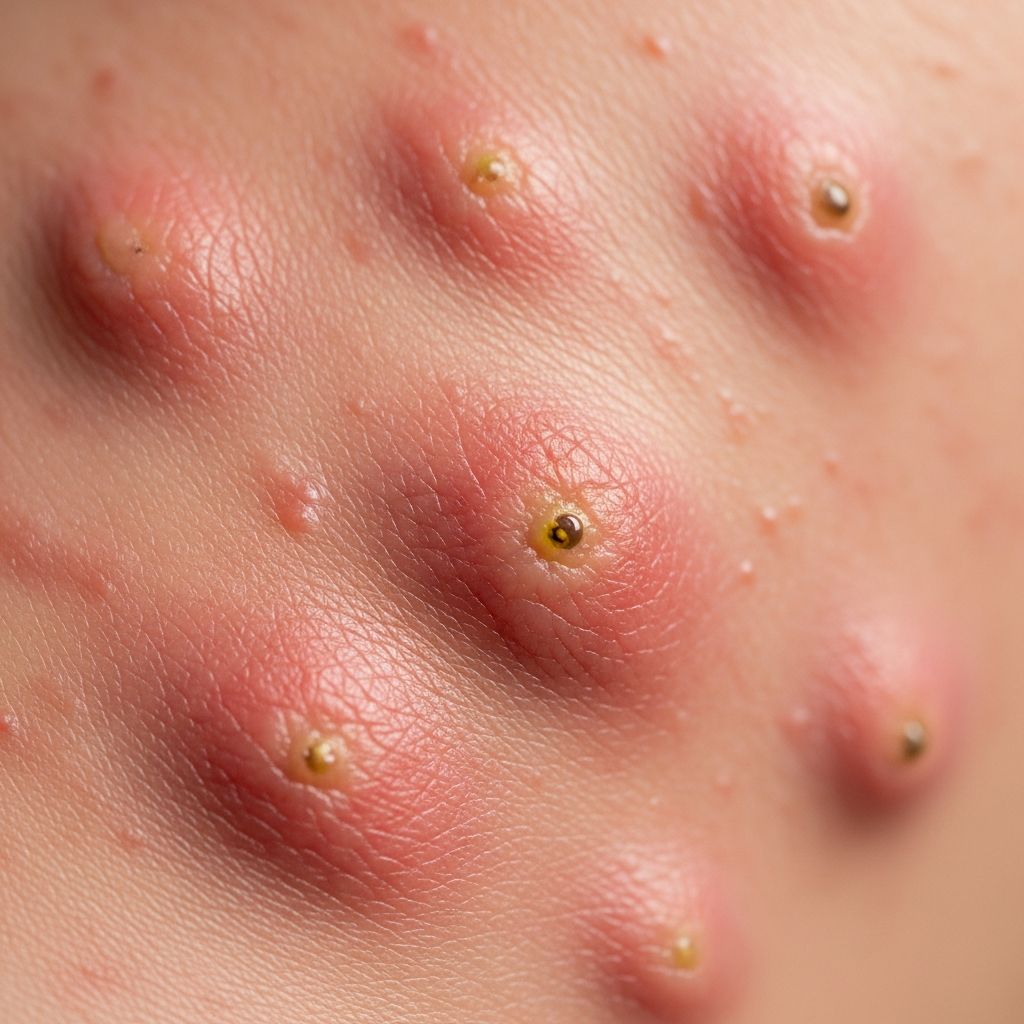
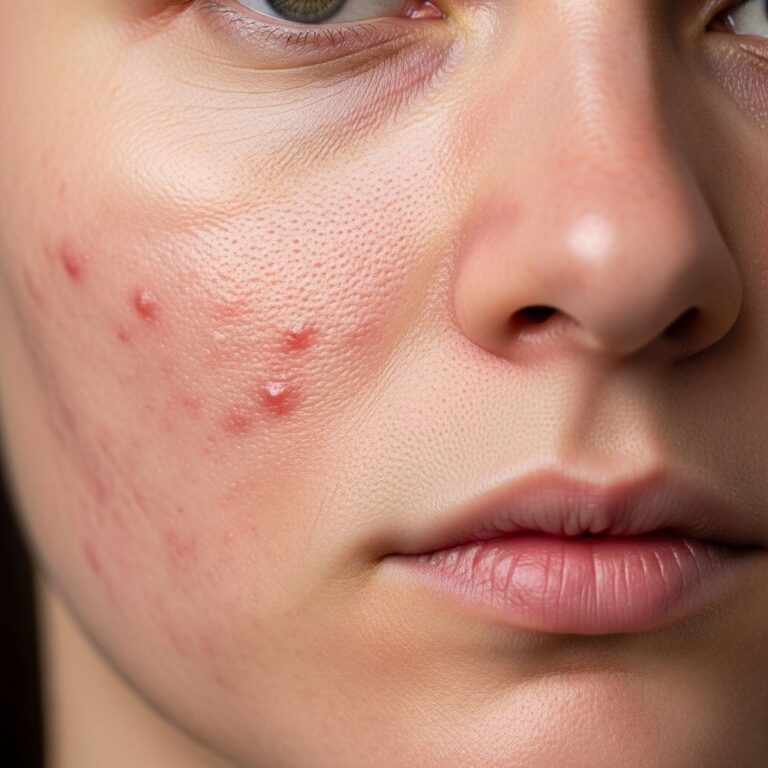
Nodular acne is a severe form of inflammatory acne characterized by large, painful, hard lumps deep beneath the skin’s surface, often leading to scarring if untreated.
What Is Nodular Acne?
Nodular acne, also known as nodulocystic acne, develops when pores become severely clogged, trapping oil, dead skin cells, and bacteria like Cutibacterium acnes, triggering intense inflammation that forms solid, tender nodules around hair follicles. These nodules are distinct from milder acne like blackheads or whiteheads; they reside deep in the dermis, feeling hard and painful without a visible head, and can grow large enough to involve multiple follicles.
Unlike cysts, which are softer and pus-filled, nodules remain solid due to concentrated inflammation without rupture. This severity classifies nodular acne as a medical condition requiring prescription intervention, affecting about 80% of people aged 11-30 at some point, though it can occur anytime. Family history of severe acne increases risk.
Symptoms of Nodular Acne
The hallmark symptom is deep, firm, red or pink nodules or knots under the skin, often exquisitely tender to touch, resembling “mini volcanoes” that do not erupt. Common locations include the face (especially lower jawline and chin), neck, chest, upper back, and shoulders—areas rich in oil glands.
Skin over nodules appears inflamed, red, and swollen due to immune response. In severe cases like acne conglobata, nodules interconnect with comedones, cysts, sinus tracts, foul-smelling pus, crusting, and irregular scarring. Nodules persist for weeks or months, causing emotional distress from disfigurement.
- Painful, hard lumps deep under skin (no whitehead/blackhead)
- Redness, swelling, inflammation
- Potential for cysts if pus accumulates
- Scarring risk if picked or untreated
- Possible fever or systemic symptoms in extreme cases
Causes of Nodular Acne
Nodular acne stems from pore blockage by excess sebum (oil), dead skin cells, and Cutibacterium acnes bacteria, leading to rupture of the follicular wall and deep inflammation. Hormonal fluctuations, especially androgens, boost sebum production, worsening in puberty, menstrual cycles, or conditions like PCOS.
Genetics play a key role; parental severe acne raises susceptibility. Diet high in dairy or high-glycemic foods may exacerbate via insulin spikes. Unlike superficial acne, nodular form involves bacterial overgrowth and potent immune response, forming nodules or cysts.
| Factor | Description | Impact on Nodular Acne |
|---|---|---|
| Sebum Overproduction | Hormone-driven oil excess | Clogs pores, traps debris |
| Bacteria (C. acnes) | Normal skin flora | Infection in trapped pores causes deep inflammation |
| Dead Skin Cells | Abnormal shedding | Forms plugs with oil |
| Hormones | Androgens, menstrual cycle | Jawline/chin flares |
| Genetics | Family history | Increased severity risk |
How Is Nodular Acne Diagnosed?
Diagnosis relies on clinical exam by a dermatologist, identifying tender, dome-shaped nodules, possible discharge, crusting, or scarring. No lab tests needed typically, but severe cases may prompt hormone checks or biopsies to rule out mimics like hidradenitis suppurativa.
Dermatologists assess severity, location, and scarring potential for tailored treatment. Early evaluation prevents complications.
Related Stories



How Is Nodular Acne Treated?
Over-the-counter remedies fail for nodular acne; professional care is essential. Treatments target inflammation, bacteria, oil, and clogging:
- Topical Therapies: Prescription retinoids (tretinoin, adapalene) unclog pores; benzoyl peroxide kills bacteria; salicylic acid exfoliates.
- Oral Antibiotics: Tetracycline, doxycycline reduce bacteria and inflammation for widespread cases.
- Hormonal Treatments: Birth control pills or spironolactone for women with hormonal triggers.
- Isotretinoin (Accutane): Gold standard for severe/refractory cases; 16-20 weeks course shrinks oil glands but requires strict contraception (iPLEDGE program).
- Cortisone Injections: Triamcinolone into nodules rapidly reduces size/pain, minimizing scarring.
- Drainage: For cysts only; risks scarring.
Combination therapy is common; patience required as improvement takes weeks. Never pop nodules to avoid worsening scars.
Nodular Acne Scars
Nodular acne frequently scars due to deep destruction of skin architecture, leaving atrophic (depressed) or hypertrophic (raised) marks. Picking exacerbates via infection/enlarged pores.
Treatments include:
- Laser resurfacing (CO2, fractional)
- Chemical peels
- Microneedling
- Dermal fillers for depressions
- Prescription hydroquinone for hyperpigmentation (note: OTC status changed 2021)
Prevent by early aggressive treatment.
Prevention Tips for Nodular Acne
While not fully preventable, strategies reduce flares:
- Gentle cleansing twice daily; avoid harsh scrubs
- Non-comedogenic moisturizers/sunscreen
- Consistent prescription regimen
- Low-glycemic diet, limit dairy
- Hormone management
- Avoid touching/picking face
Monitor for early signs and consult dermatologist promptly.
Frequently Asked Questions (FAQs)
What does nodular acne look like?
Deep, hard, painful red/pink lumps under skin without heads, on face, back, chest; inflamed and tender.
Can nodular acne go away on its own?
Rarely; often persists/worsens, risking scars. Seek professional treatment.
Is nodular acne the same as cystic acne?
Related but nodules are solid/hard; cysts softer/pus-filled. Both severe.
How long do nodular acne nodules last?
Weeks to months without treatment; injections speed resolution.
Does diet affect nodular acne?
Yes, high-glycemic/dairy may worsen via hormones/insulin.
Can I treat nodular acne at home?
No, OTC insufficient; risks scarring. See dermatologist.
References
- Nodular Acne: Treatment, Causes & Symptoms — Healthgrades. 2023. https://resources.healthgrades.com/right-care/acne/nodular-acne
- Acne Conglobata – StatPearls — NCBI Bookshelf. 2023-07-17. https://www.ncbi.nlm.nih.gov/books/NBK459219/
- Nodular Acne: Symptoms, Causes, and How To Treat It — Women’s Health Magazine. 2023-05-12. https://www.womenshealthmag.com/beauty/a42270407/nodular-acne/
- Nodular Acne: Symptoms, Treatment, Scarring, and More — Healthline. 2023. https://www.healthline.com/health/beauty-skin-care/nodular-acne
- Acne: Types, Causes, Treatment & Prevention — Cleveland Clinic. 2023-11-14. https://my.clevelandclinic.org/health/diseases/12233-acne
Similar Articles








Read full bio of Sneha Tete