Non-Albicans Candida Infections: Diagnosis And Treatment Guide
Understanding fungal infections from Candida species beyond C. albicans: causes, symptoms, diagnosis, and treatment strategies.
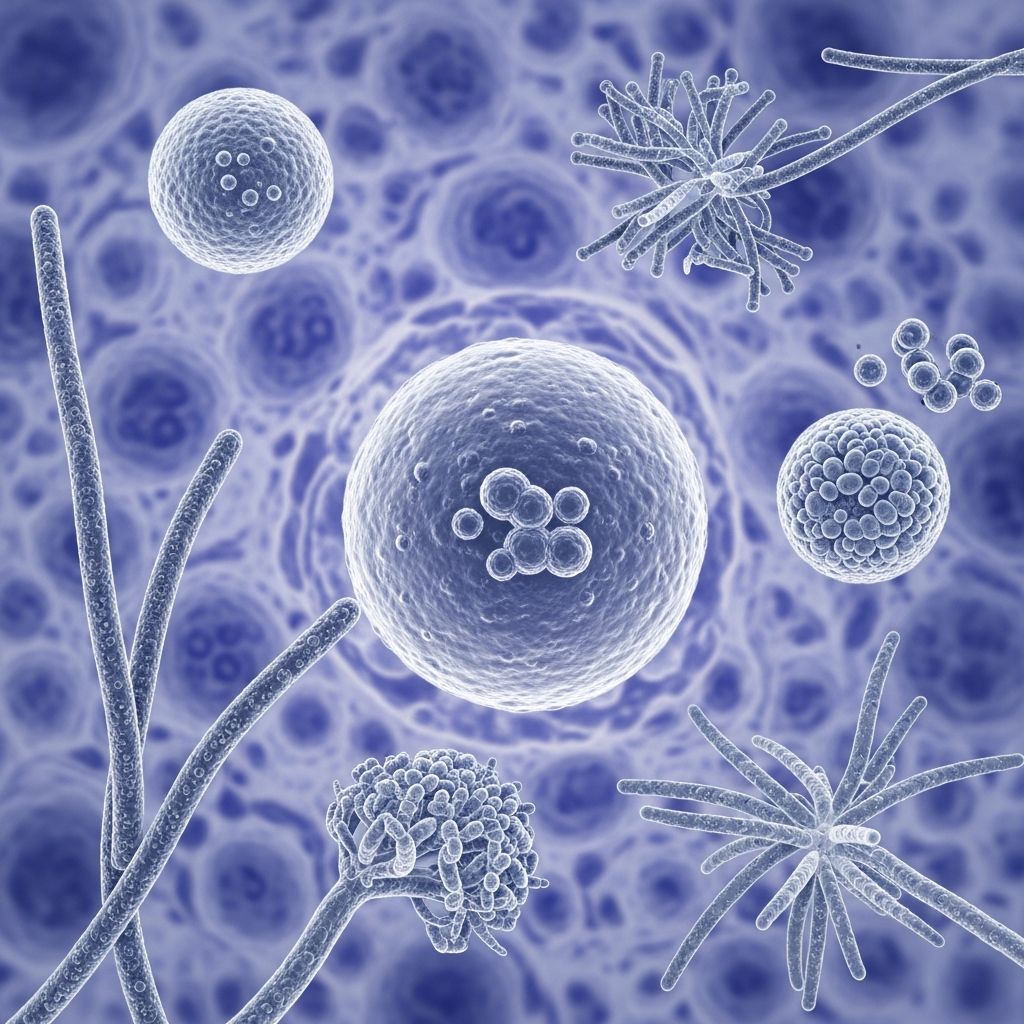
Non-albicans Candida infections represent a growing challenge in medical mycology, caused by yeast species other than the predominant C. albicans. These opportunistic pathogens increasingly cause superficial, mucosal, and systemic infections, particularly in vulnerable populations.
Introduction
Non-albicans Candida infections are fungal diseases resulting from overgrowth of Candida species excluding C. albicans, which traditionally dominates candidiasis cases. Key species include C. glabrata, C. parapsilosis, C. tropicalis, C. krusei, C. dubliniensis, and the emerging C. auris.
The incidence of these infections has risen significantly over recent decades, now accounting for 50-65% of candidemia cases in some regions. This shift correlates with widespread azole antifungal use, immunosuppression, and invasive medical procedures. Unlike C. albicans, many non-albicans species exhibit intrinsic or acquired resistance to common therapies, complicating management.
Only C. tropicalis, C. parapsilosis, and C. orthopsilosis reside as commensals on healthy skin, poised to cause disease when barriers are breached. Infections arise in contexts of wounds, disrupted skin integrity, underlying illnesses like diabetes or cancer, or immunosuppression from chemotherapy, transplants, or HIV.
Clinically, non-albicans infections mimic C. albicans candidiasis but often prove more recalcitrant to treatment due to resistance patterns.
Demographics
Non-albicans Candida infections disproportionately affect certain groups. Neonates, elderly patients, and those with prolonged ICU stays face elevated risks, particularly from C. parapsilosis and C. glabrata.
- Immunocompromised individuals: Cancer patients, transplant recipients, and HIV/AIDS sufferers experience higher rates of mucosal and invasive disease.
- Women of reproductive age: Vulvovaginal candidiasis (VVC) frequently involves non-albicans species, affecting up to 10% of recurrent cases.
- Hospitalized patients: Central line-associated candidemia often implicates C. glabrata or C. parapsilosis, linked to broad-spectrum antibiotics.
- Diabetics and obese patients: Warm, moist skin folds predispose to cutaneous intertrigo.
Geographically, C. auris outbreaks cluster in healthcare settings across Asia, Africa, Europe, and the Americas, with persistence on surfaces amplifying transmission.
Clinical Features
Presentations of non-albicans Candida infections parallel C. albicans but vary by site and host factors. Key manifestations include:
Cutaneous Candidiasis
Skin infections thrive in moist, occluded areas like flexures (axillae, groin, inframammary folds, interdigital spaces). Features encompass erythematous plaques, maceration, fissuring, and satellite pustules. Non-albicans species like C. parapsilosis predominate in chronic cases or onychomycosis.
- Intertrigo: Bright red, weepy plaques with peripheral collarettes.
- Paronychia: Tender swelling, nail dystrophy; chronic exposure to water heightens risk.
- Onychomycosis: Proximal nail invasion, rare without paronychia.
Vulvovaginal Candidiasis
One of the most common gynecological infections, VVC impacts 75% of women lifetime. Non-albicans species cause 10-20% of cases, rising in recurrent VVC (RVVC). Symptoms: intense pruritus, burning, dyspareunia, thick curdy discharge (less adherent than C. albicans). C. glabrata often yields scant discharge; C. krusei provokes severe inflammation.
Risk factors: antibiotic use, estrogen therapy, diabetes, immunosuppression.
Oral Candidiasis
Candida forms part of normal oral flora, but overgrowth yields thrush. Non-albicans implicated: C. glabrata, C. tropicalis, C. parapsilosis. Forms include:
- Pseudomembranous: White plaques scrape to erythematous base.
- Erythematous: Red atrophic patches, glossitis.
- Hyperplastic: Fixed white plaques (risk of malignancy).
- Angular cheilitis: Cracks at mouth corners.
- Median rhomboid glossitis: Central tongue depapillation.
Related Stories



Predispositions: dentures, xerostomia, steroids, HIV.
Systemic Candidiasis
Disseminated infection invades organs or blood (candidemia). Symptoms: fever unresponsive to antibiotics, organ dysfunction. Metastatic foci cause endophthalmitis, arthritis, osteomyelitis. High mortality (40-60%) in ICU settings.
Diagnosis
Diagnosis combines clinical suspicion with laboratory confirmation. Typical features plus microscopy showing yeast and pseudohyphae from swabs/scrapings suggest candidiasis.
- Microscopy: KOH prep reveals budding yeasts, filaments.
- Culture: Sabouraud agar; speciation via MALDI-TOF or biochemical tests.
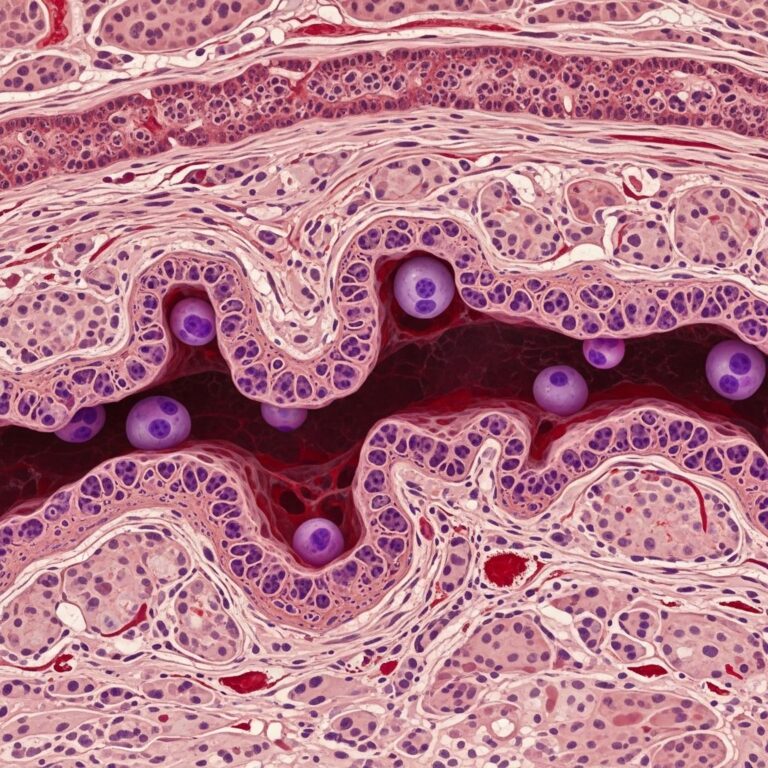
- Histopathology: PAS/GMS stains for tissue invasion.
- Blood cultures: Positive in 50% candidemia; beta-D-glucan assay adjunctive.
- Molecular: PCR for rapid ID, especially C. auris.
Differentiate from psoriasis, eczema, tinea, herpes. Culture correlates with symptoms, as Candida colonizes asymptomatically.
Treatment
Antifungals target ergosterol: azoles (fluconazole), echinocandins (caspofungin), polyenes (amphotericin B). Non-albicans show higher azole resistance (e.g., C. krusei intrinsic to fluconazole).
Topical Therapy
For cutaneous/mucosal disease:
| Agent | Site | Duration |
|---|---|---|
| Clotrimazole 1% cream | Skin, VVC | 7-14 days |
| Miconazole cream/pessary | Skin, VVC | 7 days |
| Nystatin cream/ointment | Skin, oral | 14 days |
| Boric acid 600mg pessary | Non-albicans VVC | 14 days |
Clotrimazole, nystatin, miconazole equivalent for skin. Boric acid effective for C. glabrata, C. tropicalis.
Systemic Therapy
- Mild-moderate: Fluconazole 150-400mg/day (avoid if resistance suspected).
- Severe/invasive: Echinocandins first-line (e.g., caspofungin 70mg load, 50mg/day); step-down to fluconazole if susceptible.
- Resistant: Amphotericin B, voriconazole, posaconazole.
Address predispositions: glycemic control, barrier care, catheter removal.
Candida auris: An Emerging Species
C. auris, identified 2009 from ear swab, is a multidrug-resistant superbug. Transmits nosocomially via skin, devices; survives disinfectants.
Presentations: candidemia (most common), wound infections, otitis. High mortality due to resistance (up to 60% to azoles, 30% echinocandins).
Treatment: Echinocandins preferred; rezafungin, ibrexafungerp in trials. Infection control critical: contact precautions, chlorhexidine baths, hydrogen peroxide disinfection.
Off-patent drugs under study.
Frequently Asked Questions (FAQs)
Q: What are non-albicans Candida species?
A: Yeasts like C. glabrata, C. parapsilosis, C. tropicalis, C. krusei causing infections harder to treat than C. albicans.
Q: Why are non-albicans infections rising?
A: Due to azole exposure, immunosuppression, medical devices promoting selection of resistant strains.
Q: How is vulvovaginal candidiasis from non-albicans treated?
A: Topical azoles initially; boric acid or oral itraconazole for resistant cases like C. glabrata.
Q: Is C. auris contagious?
A: Yes, spreads in hospitals via contact; strict isolation needed.
Q: Can healthy people get these infections?
A: Rare; usually requires skin breach or risk factors like diabetes.
References
- Non-albicans candida infections — DermNet NZ. 2023. https://dermnetnz.org/topics/non-albicans-candida-infections
- Candida (Candidiasis, Thrush, Yeast Infection) — DermNet NZ. 2023. https://dermnetnz.org/topics/candida
- Fungal skin infections. Candida infection — DermNet NZ. 2009 (updated 2023). https://dermnetnz.org/cme/fungal-infections/candida-infection
- Dermatopathology and the Diagnosis of Fungal Infections — PMC (NIH). 2023-06-01. https://pmc.ncbi.nlm.nih.gov/articles/PMC10282148/
Similar Articles








Read full bio of medha deb