Non-Drug Pain Relief Strategies: An Evidence-Based Guide
Discover effective drug-free methods to manage and reduce pain through physical, mental, and lifestyle approaches for better daily living.
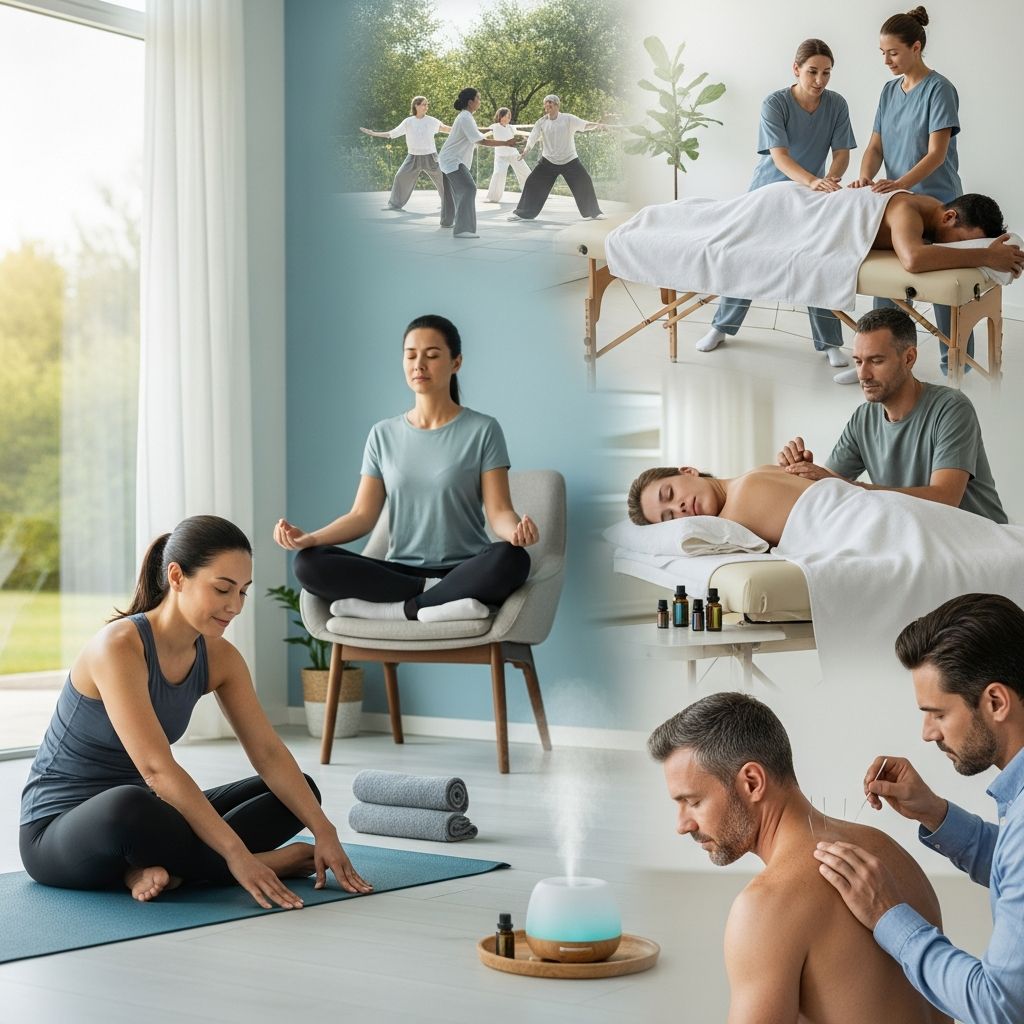
Millions experience pain daily, from fleeting discomfort to persistent chronic conditions. While medications offer quick relief, non-drug approaches provide sustainable, side-effect-free alternatives that address pain’s root causes. These strategies empower individuals to regain control through physical activity, mental techniques, and holistic practices, often yielding long-term benefits when integrated into daily routines.
Understanding Pain and the Value of Non-Drug Methods
Pain serves as the body’s alarm system, signaling injury or imbalance. Non-pharmacological interventions work by interrupting pain signals, reducing inflammation, enhancing mobility, and reshaping pain perception. Research highlights their efficacy, particularly for chronic pain where medications alone fall short. For instance, combining physical and psychological methods can improve function and quality of life more effectively than drugs in many cases.
These approaches suit various pain types: acute from injuries, chronic from arthritis or fibromyalgia, or neuropathic from nerve issues. Starting with simple techniques like heat application or breathing exercises allows gradual progression to advanced therapies.
Physical Techniques for Immediate Relief
Hands-on and device-based methods target muscles, joints, and nerves directly, offering accessible relief at home or in clinics.
- Heat and Cold Applications: Heat relaxes tight muscles and boosts circulation, ideal for stiffness in back pain. Cold packs numb nerves and curb swelling post-injury. Alternate them for optimal results, applying 15-20 minutes at a time with barriers to prevent skin damage.
- Massage and Manual Therapies: Kneading soft tissues eases tension, improves blood flow, and releases endorphins. Self-massage or professional sessions benefit conditions like fibromyalgia or strains.
- Transcutaneous Electrical Nerve Stimulation (TENS): Portable units deliver mild currents to block pain pathways. Effective for arthritis or neuropathy, units are user-friendly with adjustable settings.
Incorporate positioning aids like supportive pillows to maintain alignment during rest, preventing pressure buildup.
Movement-Based Interventions for Long-Term Gains
Regular activity strengthens the body, combats stiffness, and releases natural painkillers. Tailor intensity to tolerance for safety.
| Method | Benefits | Suitable For |
|---|---|---|
| Aerobic Exercise (Walking, Swimming) | Enhances circulation, reduces inflammation | Chronic back pain, arthritis |
| Resistance Training | Builds muscle support around joints | Muscle weakness-related pain |
| Aquatic Therapy | Low-impact buoyancy eases joint stress | Mobility-limited individuals |
Evidence from meta-analyses shows exercise reduces chronic pain intensity with moderate effect sizes, outperforming inactive controls. Begin with 10-minute sessions, progressing as comfort allows.
Mind-Body Practices to Rewire Pain Perception
These integrate breath, focus, and gentle motion to calm the nervous system and shift focus from discomfort.
- Yoga: Poses, breathwork, and meditation improve flexibility and lower stress hormones. A meta-analysis of 16 trials reported medium reductions in pain interference.
- Tai Chi and Qigong: Slow, flowing movements enhance balance and mindfulness. Superior to sham practices for pain severity and function.
- Pilates: Core-focused exercises alleviate low back pain, with pilot studies showing gains over non-exercise groups.
Group classes or apps make these accessible; consistency yields cumulative benefits.
Psychological Tools for Mental Resilience
Pain often amplifies through negative thoughts. Cognitive strategies interrupt this cycle.
Related Stories



- Cognitive Behavioral Therapy (CBT): Reframes pain-related beliefs, teaching coping skills. Effective adjunct for chronic conditions.
- Mindfulness and Meditation: Present-moment awareness reduces pain amplification. Daily 10-minute sessions lower perception via brain changes.
- Guided Imagery and Distraction: Visualizing serene scenes or engaging in hobbies diverts attention, easing acute episodes.
Biofeedback trains control over tension and heart rate using sensors, empowering self-regulation.
Sensory and Complementary Therapies
These leverage senses to soothe the body holistically.
- Aromatherapy: Lavender or peppermint oils, inhaled or applied, calm nerves and muscles.
- Music and Pet Therapy: Preferred tunes elevate mood and endorphins; animal interactions cut stress.
- Acupuncture: Needle insertion at key points stimulates healing responses, backed for various pains.
Therapeutic touch like Reiki offers non-invasive energy balancing for relaxation.
Integrating Approaches into Daily Life
Combine methods for synergy: morning yoga followed by TENS, evening mindfulness. Track progress in a journal to refine what works. Consult providers for personalization, especially with comorbidities.
Lifestyle factors amplify effects: balanced nutrition reduces inflammation, sleep hygiene aids recovery, and weight management lightens joint loads.
Frequently Asked Questions
Are non-drug methods safe for everyone?
Most are low-risk, but consult a doctor for underlying conditions. Start slowly to avoid strain.
How long until I notice improvements?
Acute relief can come immediately; chronic benefits build over weeks with consistency.
Can these replace medications entirely?
Often complementary; they reduce reliance, enhancing overall management.
What if I have limited mobility?
Opt for seated exercises, aquatic therapy, or mindfulness—adaptations abound.
Where to find professional guidance?
Physical therapists, yoga instructors, or pain clinics offer tailored programs.
Potential Challenges and Solutions
Motivation wanes with persistent pain—set micro-goals and partner with support. Access barriers? Free online resources and community programs help. Monitor for plateaus, adjusting as needed.
References
- Rethinking Pain Management: Non-pharmacological Solutions for a Holistic Approach — American Academy of Post-Acute Care Nursing. 2023. https://www.aapacn.org/role/dns/rethinking-pain-management-nonpharmacological-solutions-for-a-holistic-approach/
- An update on non-pharmacological interventions for pain relief — PMC (PubMed Central). 2024. https://pmc.ncbi.nlm.nih.gov/articles/PMC11866493/
- How Can I Manage Pain without Medications? — Anesthesia Patient Safety Foundation. 2023. https://www.apsf.org/patient-guide/how-can-i-manage-pain-without-medications/
- 4 Ways To Manage Chronic Pain Without Medication — Henry Ford Health. 2017-07-01. https://www.henryford.com/Blog/2017/07/4-Ways-Manage-Chronic-Pain-Without-Medication
- Nonopioid Therapies for Pain Management — Centers for Disease Control and Prevention (CDC). 2022. https://www.cdc.gov/overdose-prevention/hcp/clinical-care/nonopioid-therapies-for-pain-management.html
- Non-Drug Approaches to Chronic Pain — U.S. Department of Veterans Affairs (VA). 2023. https://www.va.gov/WHOLEHEALTHLIBRARY/tools/non-drug-approaches-to-chronic-pain.asp
Similar Articles








Read full bio of Sneha Tete