Non-Rebreather Mask: Emergency Oxygen Delivery Guide
Complete guide to non-rebreather masks for emergency oxygen therapy and respiratory support.
What Is a Non-Rebreather Mask?
A non-rebreather mask (NRB) is a specialized medical device designed to deliver high concentrations of oxygen to patients experiencing respiratory distress or hypoxemia in emergency situations. Unlike standard oxygen delivery systems such as nasal cannulas, the non-rebreather mask provides significantly higher oxygen concentrations, making it an essential tool in emergency medicine, trauma care, and critical care settings. This device is specifically engineered for patients who can breathe independently but require immediate high-flow oxygen support.
The non-rebreather mask operates on a principle that maximizes oxygen delivery while preventing the rebreathing of exhaled carbon dioxide-rich air. This unique design makes it one of the most effective oxygen delivery systems available for emergency use, particularly when rapid oxygenation of the blood is critical to patient survival and recovery.
How Does a Non-Rebreather Mask Work?
Physical Design and Components
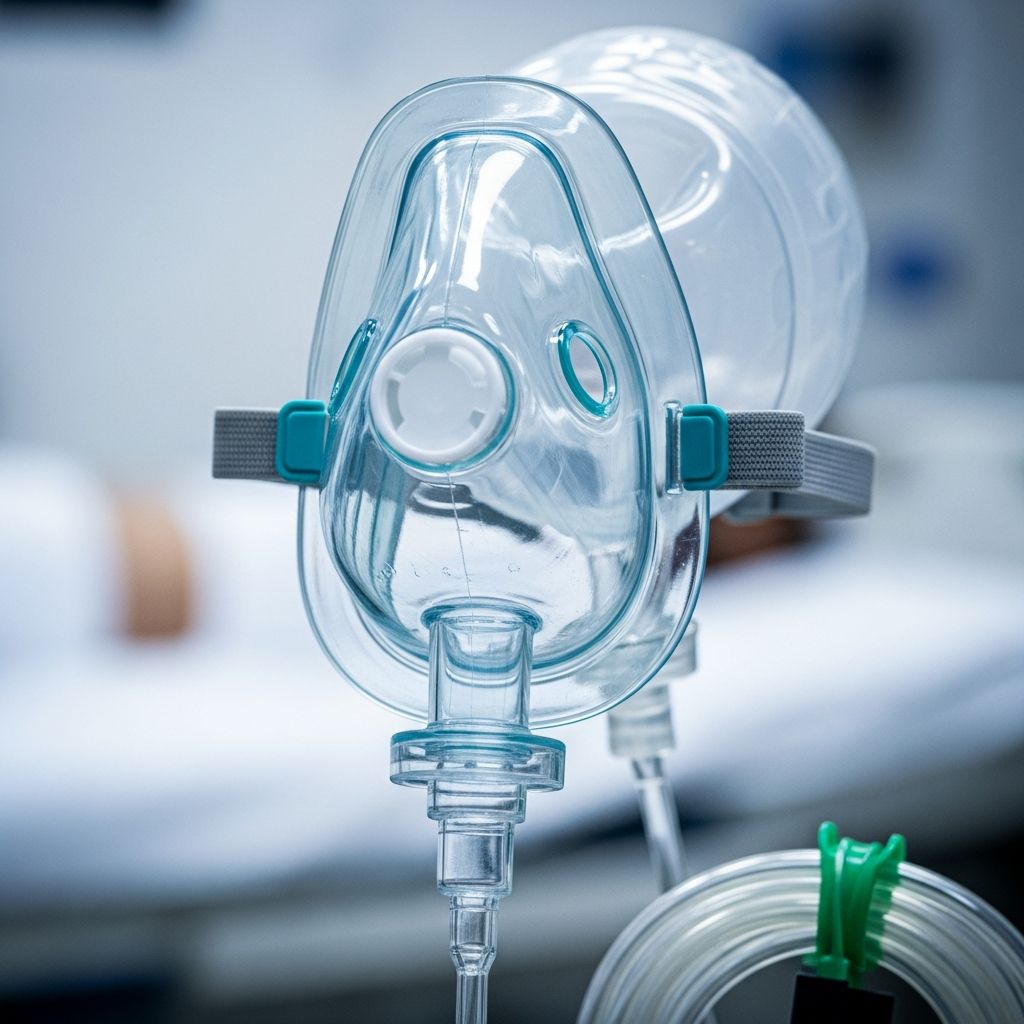
The non-rebreather mask consists of several key components that work together to deliver high-concentration oxygen efficiently. The mask itself is typically constructed from soft, clear plastic that fits snugly over the patient’s nose and mouth, held in place by an elastic cord around the head. This design allows healthcare providers to monitor the patient’s facial color and breathing patterns while ensuring a secure seal that prevents air leakage.
Connected to the mask is a reservoir bag, typically holding approximately one liter of oxygen. This reservoir bag is the critical component that enables the delivery of high oxygen concentrations. Before placing the mask on the patient, the reservoir bag must be pre-filled to at least two-thirds capacity with 100% oxygen at a flow rate of 15 liters per minute (lpm). This preparation ensures that the patient receives a continuous supply of high-concentration oxygen with each breath.
One-Way Valve System
The distinguishing feature of a non-rebreather mask is its sophisticated one-way valve system. Strategic one-way valves are positioned on both the mask and the reservoir bag, creating a unidirectional flow of oxygen. These valves allow oxygen to flow from the reservoir bag into the mask during inhalation but prevent exhaled air from flowing back into the reservoir bag. During exhalation, patient air escapes through vents in the side of the mask and exits into the surrounding atmosphere.
This one-way valve mechanism is crucial for achieving the high oxygen concentrations that distinguish the non-rebreather mask from other oxygen delivery systems. The valve design ensures that each breath the patient takes consists primarily of oxygen from the reservoir bag rather than a mixture of room air and oxygen. To achieve optimal oxygen delivery, patients must partially deflate the reservoir bag during inspiration, which allows fresh oxygen to fill the bag during exhalation, maintaining high concentrations for the next breath.
Oxygen Delivery Performance
Non-rebreather masks can deliver oxygen concentrations ranging from 60% to 90%, depending on proper setup and patient cooperation. The mask typically operates at flow rates of 12 to 15 liters per minute, which maintains the reservoir bag in a properly inflated state. Some studies suggest oxygen concentrations can reach up to 95-100% under ideal conditions with proper technique and equipment maintenance.
Related Stories



The ability to deliver such high oxygen concentrations makes the non-rebreather mask particularly valuable in emergency situations where rapid correction of hypoxemia is essential. This capability distinguishes it from other oxygen delivery devices like simple face masks, which deliver 40% to 60% oxygen, or nasal cannulas, which provide lower concentrations suitable for less acute situations.
Clinical Uses and Indications
Emergency and Trauma Situations
Non-rebreather masks are primarily indicated for emergency situations where patients require rapid oxygen delivery. Specific clinical conditions that warrant the use of non-rebreather masks include:
- Traumatic injuries with significant blood loss or respiratory compromise
- Smoke inhalation injuries from fires or enclosed-space incidents
- Carbon monoxide poisoning
- Severe chest trauma affecting lung function
- Acute respiratory distress
- Severe anemia with compromised oxygen-carrying capacity
Chronic Respiratory Conditions
While primarily used for acute emergencies, non-rebreather masks may occasionally be employed for patients with chronic airway limitations who experience acute exacerbations. Conditions that may warrant temporary non-rebreather mask use include chronic obstructive pulmonary disease (COPD) exacerbations, cystic fibrosis with acute decompensation, pulmonary fibrosis episodes, and sarcoidosis-related respiratory compromise. However, these devices are not suitable for long-term or home use due to their design and inherent risks.
Cluster Headache Management
One particularly notable clinical application of non-rebreather masks is in the treatment of cluster headaches. Cluster headaches are extremely painful neurological events that can severely impact daily functioning. Clinical research has demonstrated that high-flow oxygen therapy delivered through a non-rebreather mask is one of the most immediate and effective treatments for terminating acute cluster headache episodes, providing relief often within 15 to 20 minutes of oxygen administration.
Advantages and Limitations
Key Advantages
The primary advantage of the non-rebreather mask is its ability to rapidly deliver high concentrations of oxygen to patients in critical need. This makes it invaluable in emergency medicine, pre-hospital care, and hospital emergency departments. The mask provides superior oxygenation compared to lower-flow systems and requires no invasive procedures for application. Additionally, the clear plastic construction allows healthcare providers to monitor patient appearance and respiratory effort continuously.
Important Limitations and Risks
Non-rebreather masks come with several significant limitations and potential risks that healthcare providers must carefully consider. Disruptions in oxygen flow, whether due to equipment malfunction or disconnection, can rapidly lead to hypoxia and oxygen deprivation. Unlike other oxygen delivery systems, the non-rebreather mask does not permit any inhalation of room air, making oxygen supply failure potentially life-threatening.
Additional risks include the potential for suffocation if the mask seal is compromised or if the oxygen supply fails. Patients who are sedated, unconscious, or have altered mental status face increased risk of choking if vomiting occurs while wearing the mask. The tight facial seal required for proper function can cause discomfort and anxiety in some patients, particularly those with claustrophobia or facial injuries.
Due to these risks, healthcare providers must remain in close attendance during non-rebreather mask use, continuously monitoring oxygen saturation, vital signs, and patient tolerance. The mask is designed exclusively for short-term emergency use and is not appropriate for home use or extended treatment periods.
Non-Rebreather Mask vs. Other Oxygen Delivery Systems
| Oxygen Delivery System | Oxygen Concentration | Flow Rate | Primary Use | Key Characteristics |
|---|---|---|---|---|
| Non-Rebreather Mask | 60-90% | 12-15 L/min | Emergency, high-flow needs | One-way valve system, reservoir bag, highest concentrations |
| Partial Rebreather Mask | 40-60% | 6-15 L/min | Moderate oxygen needs | Two-way valve, captures first 150ml exhaled breath |
| Simple Face Mask | 40-60% | 6-10 L/min | Low to moderate oxygen needs | Side holes for exhaust, prevents suffocation risk |
| Nasal Cannula | 24-44% | 1-6 L/min | Low-flow chronic oxygen | Prongs in nostrils, comfortable for long-term use |
Proper Application and Setup Procedure
Pre-Use Preparation
Before placing a non-rebreather mask on any patient, proper preparation is essential for safe and effective oxygen delivery. First, connect the mask to the oxygen supply system and verify that oxygen is flowing properly. Adjust the oxygen flow rate to 15 liters per minute to ensure rapid reservoir bag inflation. Allow the reservoir bag to fill completely with oxygen, and verify that it remains at least two-thirds full even during the initial breathing cycles.
Check the integrity of all one-way valves to ensure they are functioning properly and not damaged. Inspect the mask for any cracks, tears, or defects that could compromise the seal. Ensure the elastic cord and attachment points are secure and will hold the mask firmly in place without excessive discomfort.
Patient Application
Position the mask over the patient’s nose and mouth, ensuring a complete seal around the face. Secure the elastic cord around the patient’s head, adjusting tension to maintain the seal while avoiding excessive pressure that could cause skin irritation or patient discomfort. Guide the patient to breathe naturally and deeply, allowing them to partially deflate the reservoir bag with each inhalation.
Monitor the reservoir bag continuously to ensure it deflates slightly with each breath and reinflates during exhalation. If the bag remains fully inflated throughout the respiratory cycle, the oxygen flow may be insufficient, or the patient may not be breathing adequately. Conversely, if the bag completely deflates during inhalation, the flow rate should be increased.
Patient Considerations and Contraindications
The non-rebreather mask is appropriate for patients who are conscious, alert, and able to breathe independently. Patients with claustrophobia or anxiety about facial coverings may require alternative oxygen delivery methods such as nasal cannulas or passive blow-by oxygen. Similarly, patients with facial injuries, burns, or conditions affecting the face and mouth may not tolerate or be suitable for non-rebreather mask therapy.
Patients who are unable to breathe on their own require invasive or non-invasive mechanical ventilation rather than simple oxygen delivery devices. Those with altered mental status or decreased consciousness require careful monitoring and may benefit from alternative delivery systems. Patients prone to vomiting or with active vomiting require close supervision due to choking risks.
Frequently Asked Questions
How long can a patient safely wear a non-rebreather mask?
Non-rebreather masks are designed exclusively for short-term emergency use, typically ranging from minutes to a few hours depending on clinical circumstances. Prolonged use can cause skin irritation, discomfort, and anxiety. Once the patient’s condition stabilizes or transfer to hospital care is achieved, transition to alternative oxygen delivery systems is recommended.
What should I do if the reservoir bag fails to inflate?
If the reservoir bag does not inflate, check oxygen supply connection, verify the oxygen tank is not empty, and inspect tubing for disconnections or kinks. Ensure oxygen flow is set to at least 12-15 liters per minute. If problems persist, replace the equipment and notify medical personnel immediately.
Can non-rebreather masks be used for patients with COPD?
While non-rebreather masks can be used temporarily in COPD exacerbations requiring emergency high-flow oxygen, prolonged use is generally avoided due to CO2 retention risks in some COPD patients. Medical professionals must carefully assess each patient’s condition and may adjust therapy based on blood gas results.
Are there alternatives for claustrophobic patients?
Yes, alternative oxygen delivery methods include nasal cannulas, simple face masks, or passive blow-by oxygen delivery. While these systems deliver lower oxygen concentrations, they may be appropriate for patients who cannot tolerate facial masks, and medical personnel can adjust therapy based on oxygen saturation monitoring.
What is the difference between a non-rebreather and partial rebreather mask?
The primary difference is the valve design. Non-rebreather masks feature one-way valves that prevent any rebreathing of exhaled air, allowing higher oxygen concentrations (60-90%). Partial rebreather masks use two-way valves that allow some exhaled air back into the reservoir bag, resulting in lower oxygen concentrations (40-60%) but reduced risk of CO2 buildup.
References
- Non-rebreather mask — Wikipedia. Accessed 2025. https://en.wikipedia.org/wiki/Non-rebreather_mask
- Non-Rebreather Mask Function and When Doctors Use It — Healthline. 2024. https://www.healthline.com/health/rebreather-mask
- What to Know About Non-Rebreather Masks — WebMD. 2024. https://www.webmd.com/lung/what-to-know-non-rebreather-masks
- Oxygen Administration — StatPearls, National Center for Biotechnology Information (NCBI), National Institutes of Health (NIH). 2024. https://www.ncbi.nlm.nih.gov/books/NBK551617/
- Non Rebreather Mask: What Is It, When Is It Used, and More — Osmosis. 2024. https://www.osmosis.org/answers/non-rebreather-mask
- Why Your Dental Practice Needs a Non Rebreather Mask Available — Protect It Dental. 2024. https://protectitdental.com/knowledge/why-your-dental-practice-needs-a-non-rebreather-mask-available/
Similar Articles








Read full bio of medha deb