Non-Small Cell Lung Cancer Prevention: 5 Key Steps
Key strategies to prevent non-small cell lung cancer, from quitting smoking to screening and lifestyle changes for at-risk individuals.
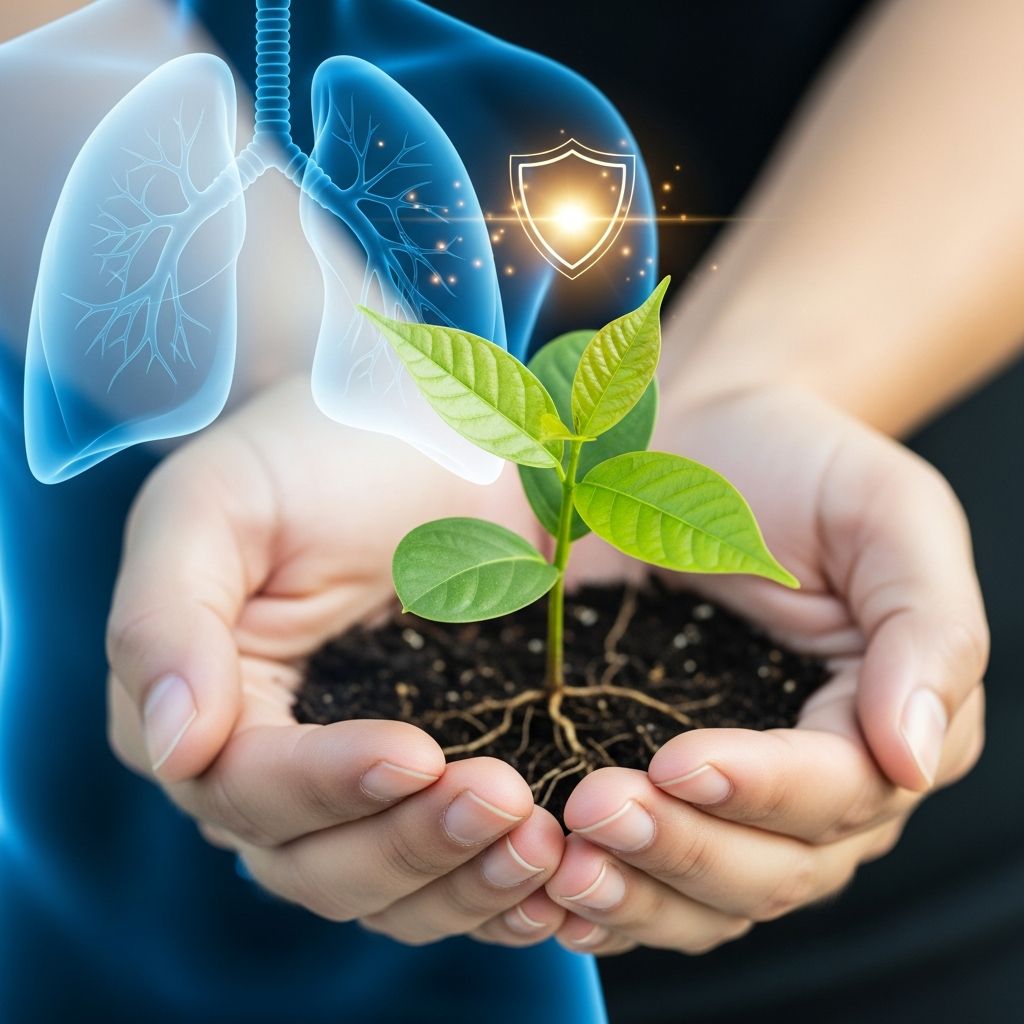
Non-small cell lung cancer (NSCLC) accounts for about 80-85% of all lung cancer cases and is largely preventable through lifestyle changes and risk reduction strategies. While smoking remains the leading cause, other factors like environmental exposures contribute significantly. Implementing proven prevention methods can dramatically lower incidence rates.
What Is Non-Small Cell Lung Cancer?
**Non-small cell lung cancer (NSCLC)** is the most common type of lung cancer, comprising approximately 80-85% of cases. Unlike small cell lung cancer, NSCLC grows and spreads more slowly and includes subtypes such as adenocarcinoma, squamous cell carcinoma, and large cell carcinoma. Early detection and prevention are critical since advanced stages have poorer outcomes.
NSCLC often develops over years due to cumulative damage from carcinogens, primarily tobacco smoke. Symptoms like persistent cough, chest pain, and shortness of breath typically appear late. Risk factors include smoking (85-90% of cases), secondhand smoke, radon, asbestos, air pollution, and genetics. Understanding these enables targeted prevention.
Risk Factors for Non-Small Cell Lung Cancer
Several modifiable and non-modifiable factors increase NSCLC risk. Addressing modifiable ones offers the greatest prevention potential.
Tobacco Smoking
Smoking causes 80-90% of NSCLC cases. Cigarettes contain over 7,000 chemicals, including 70+ carcinogens like tar and benzene. Even light or occasional smoking elevates risk; pack-years (packs per day × years smoked) quantify cumulative exposure. Former smokers retain elevated risk for decades, though it declines over time.
- Current smokers: 15-30 times higher risk than never-smokers.
- Secondhand smoke: Increases risk by 20-30% for nonsmokers.
- Cigars/pipes: Similar risks to cigarettes if inhaled.
Environmental and Occupational Exposures
Radon, a colorless radioactive gas from uranium decay in soil, is the second leading cause (responsible for 21,000 U.S. lung cancer deaths yearly). Asbestos fibers, once used in construction, synergize with smoking to multiply risk 50-fold. Other hazards include diesel exhaust, arsenic, chromium, silica, and air pollution.
Other Risk Factors
- Family history/genetics: 5-10% of cases; genes like EGFR, KRAS influence susceptibility.
- Previous lung disease: COPD, pulmonary fibrosis raise risk 3-5 times.
- Age and sex: Peak incidence 65-74 years; slightly higher in men but rising in women.
- Diet and obesity: Low fruit/veggie intake and obesity linked to higher risk.
How to Prevent Non-Small Cell Lung Cancer
Prevention focuses on eliminating exposures, healthy habits, and screening. Quitting smoking yields the largest benefit.
Quit Smoking and Avoid Tobacco
**Smoking cessation** is the single most effective prevention step. Risk drops 30-50% after 10 years quit; after 15-20 years, it approaches never-smoker levels. Benefits start immediately: lung function improves, precancerous lesions regress.
- Nicotine replacement therapy (NRT): Patches, gum, lozenges double quit success.
- Prescription meds: Varenicline (Chantix), bupropion (Zyban).
- Counseling/support: Quitlines (1-800-QUIT-NOW), apps, groups.
- Avoid secondhand smoke: Smoke-free homes/workplaces reduce exposure by 90%.
Even after lung cancer resection, 1-2% annual risk of second primaries persists, emphasizing lifelong vigilance.
Avoid Carcinogens and Test for Radon
Related Stories



Test homes for radon using EPA kits (<4 pCi/L safe; mitigate if higher). Use PPE in high-risk jobs; advocate for clean air regulations. Limit charred meats and processed foods, which contain carcinogens.
Adopt a Healthy Lifestyle
- Diet: High in fruits, vegetables, whole grains; antioxidants like beta-carotene may protect (though supplements failed trials).
- Exercise: 150 minutes moderate activity weekly lowers risk 20-30%.
- Weight management: Maintain BMI 18.5-24.9.
- Limit alcohol: <1 drink/day women, <2 men.
Chemoprevention (Emerging)
Trials of beta-carotene, retinol, vitamin E, NAC, aspirin showed no reproducible benefits for preventing second primaries. Ongoing research targets high-risk groups.
Screening for Non-Small Cell Lung Cancer
**Low-dose helical CT (LDCT)** is the only screening proven to reduce lung cancer mortality by 20% in high-risk individuals (NLST, NELSON trials). Unlike chest X-ray or sputum cytology, LDCT detects early-stage NSCLC.
| Eligibility Criteria (USPSTF) | Details |
|---|---|
| Age | 50-80 years |
| Smoking History | ≥20 pack-years, current or quit <15 years |
| Other | No symptoms; able to undergo curative treatment |
Annual LDCT for eligibles; discuss risks (false positives, radiation ~1.5 mSv/scan). Shared decision-making essential.
Who Should Get Screened for Lung Cancer?
High-risk groups benefit most:
- Heavy/current smokers (≥20 pack-years).
- Former smokers quit <15 years.
- Possibly COPD patients or radon-exposed.
Not routine for never-smokers or low-risk. Medicare covers annual LDCT for ages 50-77 meeting criteria.
What to Know About NSCLC Treatments
Prevention trumps treatment, but early detection enables curative options:
- Surgery: Lobectomy for stages I-II; best prognosis.
- Radiation/Chemo: For unresectable; adjuvant chemo improves survival stages II-IIIA.
- Targeted therapy/immunotherapy: For EGFR/ALK mutations (common in nonsmokers); biomarkers guide.
Advanced disease: Systemic therapy palliates; trials recommended.
Frequently Asked Questions (FAQs)
What is the best way to prevent NSCLC?
The most effective prevention is never smoking or quitting promptly; combine with radon testing, healthy diet/exercise, and LDCT screening if eligible.
How long after quitting smoking does lung cancer risk decrease?
Risk halves in 10 years, nears never-smoker levels in 15-20 years.
Who qualifies for lung cancer screening?
Ages 50-80 with ≥20 pack-years smoking history, current or quit <15 years.
Can NSCLC be prevented entirely?
Not entirely due to genetics/environment, but 80-90% of cases are preventable via tobacco avoidance and risk reduction.
Does vaping cause NSCLC?
Vaping risks are emerging; nicotine-free versions still contain carcinogens. Best to avoid all tobacco products.
This comprehensive guide empowers proactive steps against NSCLC. Consult healthcare providers for personalized advice.
References
- Non-Small Cell Lung Cancer Treatment (PDQ®)–Health Professional Version — National Cancer Institute (NCI). 2024-01-03. https://www.cancer.gov/types/lung/hp/non-small-cell-lung-treatment-pdq
- Non-small cell lung cancer: current treatment and future advances — National Center for Biotechnology Information (PMC). 2016-06-14. https://pmc.ncbi.nlm.nih.gov/articles/PMC4931124/
Similar Articles








Read full bio of Sneha Tete