Nonalcoholic Fatty Liver Disease: Understanding NAFLD
Learn about NAFLD causes, symptoms, diagnosis, and treatment options for better liver health.
Understanding Nonalcoholic Fatty Liver Disease
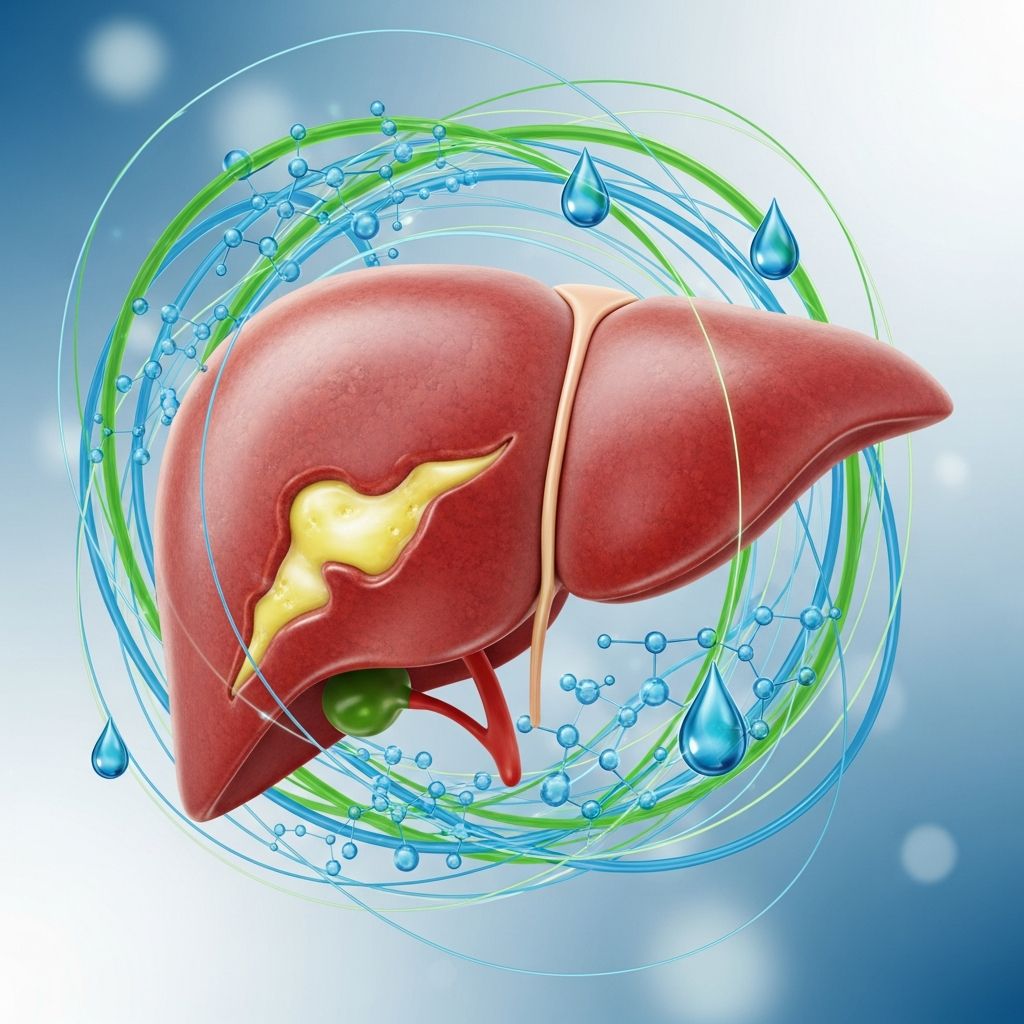
Nonalcoholic fatty liver disease (NAFLD), now also known as metabolic dysfunction-associated steatotic liver disease (MASLD), is a prevalent condition characterized by excessive fat accumulation in the liver of individuals who consume little to no alcohol. This condition has become increasingly common, affecting millions of people worldwide. Unlike alcoholic fatty liver disease, NAFLD develops independently of alcohol consumption and is primarily associated with obesity, metabolic dysfunction, and insulin resistance. Understanding this disease is crucial, as it can progress from simple fat accumulation to more severe liver damage and complications if left unmanaged.
What is Nonalcoholic Fatty Liver Disease?
NAFLD occurs when fat comprises more than 5% of liver weight without significant alcohol consumption. The liver normally contains some fat, but when excess fat accumulates, it can lead to inflammation and damage. The condition exists on a spectrum, beginning with simple hepatic steatosis, where fat accumulates in liver cells without causing inflammation or cell damage. In some cases, NAFLD progresses to nonalcoholic steatohepatitis (NASH), a more serious form of the disease characterized by inflammation, liver cell damage, and the potential for scarring. If NASH continues unchecked, it may lead to cirrhosis, where permanent scarring compromises liver function, or even liver failure requiring transplantation.
Causes and Risk Factors
While the exact underlying mechanisms of NAFLD remain not fully understood, obesity represents the most common cause of the disease. Multiple factors contribute to NAFLD development, creating a complex interplay of metabolic and genetic influences. Key risk factors include:
- Obesity and overweight status
- Insulin resistance or type 2 diabetes
- Abnormal blood lipid levels, including high triglycerides or elevated LDL cholesterol
- High blood pressure (hypertension)
- Metabolic syndrome
- Genetic predisposition
- Smoking
- Exposure to certain environmental toxins
Interestingly, not all individuals with obesity or diabetes develop NAFLD, and some people with NAFLD have normal weight, normal blood cholesterol levels, and no diabetes diagnosis. This suggests that NAFLD is not simply a liver manifestation of obesity but rather a complex disease involving multiple biological mechanisms. Several underlying factors may contribute to NAFLD development, including insulin resistance, which reduces the body’s ability to regulate glucose and fatty acids; the release of toxic inflammatory proteins from fat cells, known as cytokines; and oxidative stress, which involves deterioration of liver cells through accumulation of harmful molecules.
Symptoms and Clinical Presentation
One of the most challenging aspects of NAFLD is that it often remains asymptomatic, particularly in its early stages. Many individuals with NAFLD feel well and are completely unaware they have a liver problem. The disease is frequently discovered incidentally during imaging studies or blood tests performed for other reasons.
When symptoms do occur, they may include:
- Fatigue or extreme tiredness
- General malaise or feeling unwell
- Pain or discomfort in the upper right abdomen, beneath the rib cage
- Unexplained weight loss
- Jaundice (yellowing of skin and eyes)
- Easy bruising and bleeding
Advanced stages of NAFLD, particularly when cirrhosis develops, may present with more severe symptoms including fluid accumulation in the abdomen (ascites), swollen veins in the esophagus that can rupture and bleed (esophageal varices), confusion and memory difficulties (hepatic encephalopathy), enlarged spleen, liver cancer, and ultimately, end-stage liver failure.
Diagnosis and Testing
Early detection of NAFLD is important for preventing progression to more severe liver disease. Healthcare providers employ multiple diagnostic approaches to identify and assess NAFLD.
Related Stories



Clinical Evaluation
The diagnostic process begins with a comprehensive history and physical examination. Physicians will assess the patient’s abdomen for swelling, inquire about diet and lifestyle habits, review alcohol consumption patterns, discuss any medications or supplements being taken, and evaluate for associated conditions such as diabetes, high blood pressure, and obesity. A detailed assessment of recent weight changes, physical activity level, and sleep patterns provides additional diagnostic context.
Laboratory Tests
Blood tests are fundamental to NAFLD diagnosis and monitoring. Liver function tests measure levels of liver enzymes, including ALT and AST, which may be elevated in individuals with NAFLD. Additional blood tests assess cholesterol levels, triglycerides, glucose control, and markers of insulin resistance. These tests help establish the baseline status of liver health and identify associated metabolic conditions.
Imaging Studies
Imaging modalities play a crucial role in detecting fatty liver and assessing the extent of liver damage. Ultrasound is typically the first-line imaging test, providing clear visualization of fat accumulation in the liver. Advanced imaging techniques such as CT scans or MRI may be employed to obtain more detailed information. Newer technologies, including elastography, can assess liver stiffness and fibrosis, helping determine disease progression without requiring invasive procedures.
Liver Biopsy
While not always necessary, liver biopsy remains the gold standard for confirming NAFLD diagnosis and distinguishing between simple steatosis and NASH. During this procedure, a small sample of liver tissue is obtained through a needle and examined under a microscope to assess the degree of inflammation, fibrosis, and cirrhosis. Biopsy is particularly valuable when disease severity and progression need definitive determination, though it carries minimal risk.
Treatment Approaches
Currently, no specific pharmaceutical therapies are FDA-approved specifically for NAFLD treatment. However, multiple evidence-based strategies can effectively manage the condition and prevent progression to more severe disease stages.
Lifestyle Modifications
Lifestyle changes represent the cornerstone of NAFLD management and are recommended for all patients. These evidence-based interventions include:
- Weight loss: Reducing body weight by 5-10% can significantly improve liver health and reduce liver fat content. More substantial weight loss provides even greater benefits.
- Dietary changes: Adopting a balanced, healthy diet rich in whole grains, fresh fruits, and vegetables; choosing healthy oils such as olive, soybean, and safflower oil; limiting red meat and saturated fat intake; avoiding foods with added salt; and reducing sugar consumption, including sodas and sweetened beverages.
- Physical activity: Engaging in at least 30 minutes of moderate-intensity exercise on most days of the week, including cardiovascular exercise and strength training.
- Alcohol avoidance: Completely avoiding alcohol consumption, as it can accelerate liver disease progression.
- Medication review: Avoiding unnecessary over-the-counter medications and discussing all supplements with healthcare providers.
Management of Associated Conditions
Individuals with NAFLD frequently have concurrent medical conditions including diabetes, high blood pressure, and elevated cholesterol. These conditions require appropriate treatment and control with medications as necessary. Treating these associated conditions is important not only for overall health but also for slowing NAFLD progression and reducing cardiovascular risk.
Experimental and Emerging Therapies
Numerous experimental approaches are under investigation for NAFLD treatment. Antioxidant compounds, including vitamin E, selenium, and betaine, are being evaluated for their potential to reduce oxidative stress within liver cells. Newer antidiabetic medications are being studied in NAFLD patients, even those without diabetes, because most NAFLD patients have insulin resistance. These medications may help improve insulin sensitivity and metabolic function. Clinical trials evaluating these therapeutic agents continue, with results expected to provide guidance for future treatment protocols.
Progression and Complications
The natural history of NAFLD varies considerably among individuals. Some people maintain stable disease without progression for years, while others experience advancement to NASH and eventually cirrhosis. Weight loss may actually cause NASH to revert to simple NAFLD, demonstrating the potential reversibility of the condition with appropriate intervention. Conversely, weight regain may cause progression from simple steatosis to NASH.
Severe complications can develop when NAFLD progresses to cirrhosis. These include ascites (fluid accumulation in the abdomen), esophageal varices (enlarged veins prone to bleeding), hepatic encephalopathy (confusion and neurological dysfunction), portal hypertension, hepatocellular carcinoma (liver cancer), and ultimately, end-stage liver failure requiring transplantation.
Monitoring and Follow-up
Individuals diagnosed with NAFLD require ongoing monitoring to assess disease progression and evaluate treatment effectiveness. Regular clinical follow-up appointments at least annually are recommended, with laboratory tests and imaging studies performed every 2-3 years to monitor liver function and structure. For patients with evidence of liver fibrosis or cirrhosis, more frequent specialist evaluation and monitoring are necessary, with treatment adjusted based on disease progression and response to interventions.
Frequently Asked Questions
Q: Can NAFLD be cured?
A: While NAFLD cannot be permanently cured, it can be effectively managed and even reversed with significant weight loss, lifestyle modifications, and appropriate treatment of associated conditions. Some patients experience regression from NASH back to simple steatosis with sustained weight loss.
Q: Is NAFLD always progressive?
A: No, not all NAFLD progresses to cirrhosis. Many individuals maintain stable disease, while others experience variable progression. Factors influencing progression include age, metabolic status, presence of fibrosis, and adherence to lifestyle modifications.
Q: Can children develop NAFLD?
A: Yes, NAFLD can occur in children, particularly those with obesity or metabolic conditions. Childhood NAFLD requires similar management strategies and monitoring as adult disease.
Q: What is the difference between NAFLD and NASH?
A: NAFLD refers to fat accumulation in the liver without inflammation or damage. NASH represents a more advanced stage where fat is accompanied by inflammation, oxidative stress, and liver cell damage, increasing the risk of progression to cirrhosis.
Q: How often should I be monitored if I have NAFLD?
A: Annual clinical check-ups and laboratory tests or imaging studies every 2-3 years are generally recommended. More frequent monitoring may be necessary if you have evidence of fibrosis or cirrhosis.
Q: Are there any medications that can treat NAFLD?
A: Currently, no FDA-approved medications specifically treat NAFLD, though experimental therapies including vitamin E and newer antidiabetic medications are under investigation. Managing associated conditions with appropriate medications remains important.
References
- Nonalcoholic Fatty Liver Disease — National Institute of Diabetes and Digestive and Kidney Diseases (NIDDK). 2024. https://www.niddk.nih.gov/health-information/liver-disease/nafld-nash/symptoms-causes
- Non-alcoholic Fatty Liver Disease (NAFLD) — National Health Service (NHS). 2024. https://www.nhs.uk/conditions/non-alcoholic-fatty-liver-disease/
- Fatty Liver Disease (Nonalcoholic Steatohepatitis) — UCSF Department of Surgery. 2024. https://hpbsurgery.ucsf.edu/condition/fatty-liver-disease-nonalcoholic-steatohepatitis
- Nonalcoholic Fatty Liver Disease: Diagnosis and Management — American Academy of Family Physicians (AAFP). 2013. https://www.aafp.org/pubs/afp/issues/2013/0701/p35.html
- Fatty Liver Disease (MASLD) – Symptoms and Causes — Mayo Clinic. 2024. https://www.mayoclinic.org/diseases-conditions/nonalcoholic-fatty-liver-disease/symptoms-causes/syc-20354567
- Nonalcoholic Fatty Liver Disease — UI Health Department of Hepatology and Liver Disease. 2024. https://hospital.uillinois.edu/primary-and-specialty-care/hepatology-liver-disease/areas-of-expertise/nonalcoholic-fatty-liver-disease
Similar Articles








Read full bio of medha deb