Nongonococcal Urethritis: Causes, Symptoms, Treatment
Complete guide to NGU: understanding causes, recognizing symptoms, and exploring treatment options.
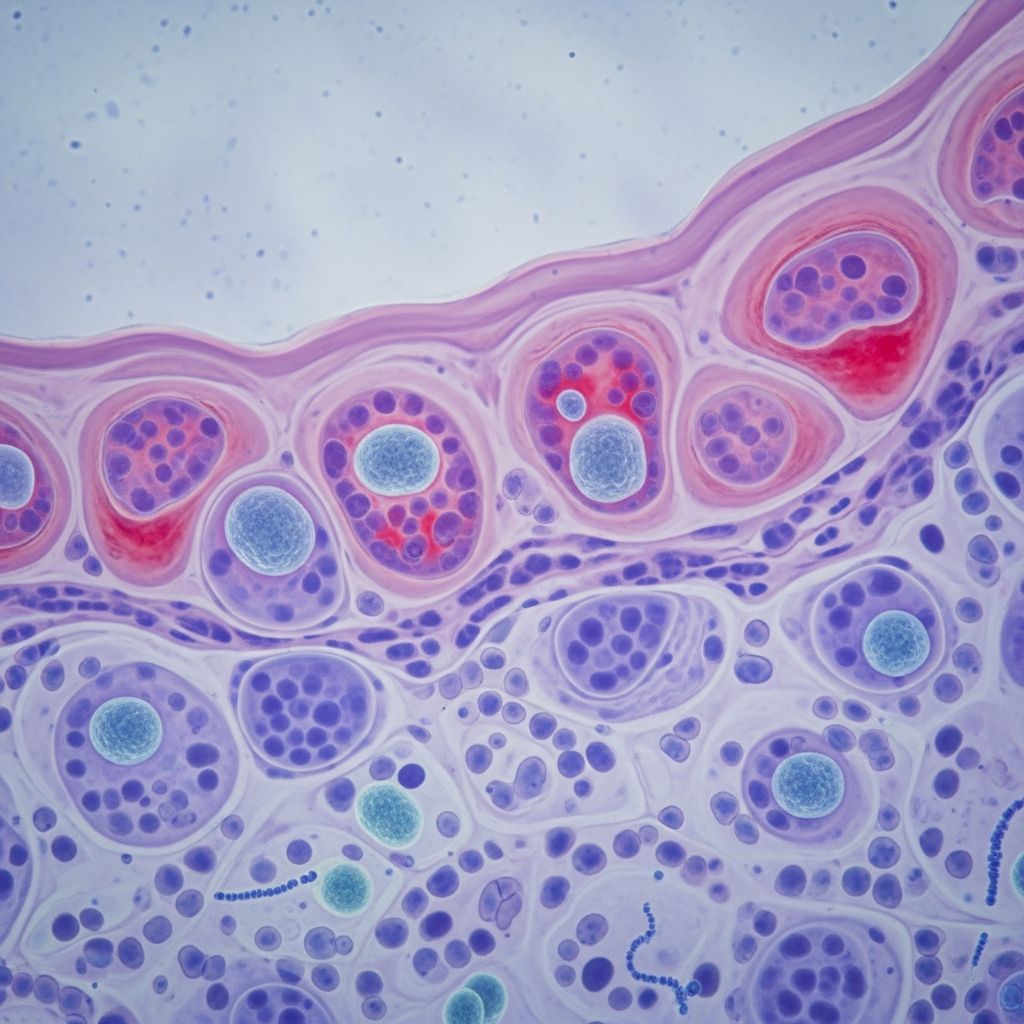
Nongonococcal Urethritis: A Comprehensive Guide
Nongonococcal urethritis (NGU) is an infection and inflammation of the urethra caused by organisms other than Neisseria gonorrhoeae, the bacterium responsible for gonorrhea. This condition represents one of the most common sexually transmitted infections (STIs) in both men and women worldwide. Understanding NGU is essential for early detection, appropriate treatment, and prevention of serious complications.
What is Nongonococcal Urethritis?
Nongonococcal urethritis refers to inflammation of the urethra without the presence of gram-negative intracellular diplococci (GNID) on urethral smear examination. The urethra is the tube that carries urine from the bladder through the penis in men and opens near the vagina in women. When this tube becomes inflamed due to infection, it can cause uncomfortable symptoms and, if left untreated, may lead to serious health complications.
NGU is clinically significant because it can develop into more severe conditions affecting reproductive health. Both men and women can contract NGU, though men tend to experience more noticeable symptoms. The condition is primarily transmitted through sexual contact with an infected partner.
Causes of Nongonococcal Urethritis
NGU has multiple causative agents, which is one of the defining characteristics of this condition. Understanding the various causes helps healthcare providers determine appropriate treatment strategies.
Bacterial Causes
Chlamydia trachomatis is the most common bacterial cause of NGU, accounting for 15% to 40% of all cases. This bacterium is particularly problematic because it lacks a peptidoglycan cell wall, making it invisible on Gram stain and resistant to beta-lactam antimicrobials such as penicillins.
Mycoplasma genitalium represents the second most common cause, accounting for 15% to 20% of NGU cases. This organism is notable for causing a higher rate of recurrent urethritis compared to other pathogens. Unfortunately, widespread testing for mycoplasma is not yet widely available in all clinical settings.
Other bacterial organisms that can cause NGU include:
– Ureaplasma urealyticum
– Haemophilus vaginalis
– Mycoplasma hominis
– Neisseria meningitidis
– Gardnerella vaginalis
– Acinetobacter lwoffii
– Acinetobacter calcoaceticus
– E. coli
Other Causes
While bacteria represent the primary infectious agents, other organisms can cause NGU. Trichomonas vaginalis, a parasitic protozoan, can trigger urethral inflammation. Viral infections may also contribute to NGU development in some cases.
Additionally, NGU can result from non-infectious causes including urinary tract infections, bacterial prostatitis (inflammation of the prostate gland), urethral strictures (narrowing of the urethra), phimosis (tightening of the foreskin), and mechanical irritation from catheterization.
Symptoms and Clinical Presentation
The symptoms of nongonococcal urethritis vary between men and women and can range from mild to severe.
Symptoms in Men
Men with NGU typically experience:
– Urethral discharge, which may be clear, milky, or purulent
– Burning sensation or pain during urination
– Itching or discomfort in the urethra
– Urinary frequency
– Symptoms may develop 1 to 3 weeks after infection
Symptoms in Women
Women with NGU may experience:
Related Stories



– Vaginal discharge
– Burning sensation during urination
– Urinary frequency or urgency
– Symptoms are often milder than in men and may be overlooked
– Pain during intercourse (dyspareunia)
It is important to note that symptoms can be subtle or absent in some individuals, making screening particularly important for sexually active populations.
Diagnosis of Nongonococcal Urethritis
Accurate diagnosis of NGU involves clinical examination and laboratory testing to identify the causative organism and rule out other conditions, particularly gonococcal urethritis.
Clinical Examination
Healthcare providers typically begin by obtaining a detailed sexual history and examining urethral secretions. The examination includes assessing the character and quantity of any urethral discharge.
Laboratory Tests
Gram Stain Microscopy: Microscopic examination of urethral secretions reveals polymorphonuclear leukocytes (white blood cells) without the presence of intracellular gram-negative diplococci. This finding distinguishes NGU from gonococcal urethritis.
Nucleic Acid Amplification Tests (NAATs): NAATs are the gold standard for detecting Chlamydia trachomatis and Neisseria gonorrhoeae. These highly sensitive tests can identify infections that may not be visible on microscopy.
Urinalysis: Urine testing may reveal leukocyte esterase indicating inflammation, and elevated white blood cells in the urine.
Culture and Additional Testing: In some cases, bacterial culture may be performed, though many organisms causing NGU are difficult to culture in standard laboratory conditions.
Treatment and Management
Treatment for NGU is based on the suspected or confirmed causative organism and should be initiated promptly to prevent complications and transmission.
First-Line Treatment
When gonococcal infection can be ruled out by microscopic examination, recommended initial treatments include:
– Azithromycin: 1 gram orally as a single dose
– Doxycycline: 100 milligrams orally twice daily for 7 days
Both medications are highly effective against Chlamydia trachomatis and are generally well-tolerated.
Treatment When Gonococcal Infection Cannot Be Ruled Out
When Gram stain microscopy is not available or gonococcal infection cannot be excluded, combination therapy is recommended:
– Ceftriaxone: 250 milligrams intramuscularly once
– PLUS Azithromycin: 1 gram orally in a single dose, OR
– Doxycycline: 100 milligrams orally twice daily for 7 days
This dual therapy ensures coverage against both chlamydial and gonococcal infections.
Alternative Treatments
For patients who cannot tolerate first-line medications or have contraindications:
– Erythromycin: Particularly useful for pregnant patients
– Ofloxacin: A fluoroquinolone option for alternative coverage
Treatment of Recurrent or Persistent NGU
Mycoplasma genitalium is the most common cause of persistent or recurrent NGU after initial treatment. If symptoms recur or persist after completing the initial antibiotic course, additional testing and treatment modifications are necessary.
Recommended regimens for recurrent NGU include:
– If azithromycin was not used initially: Azithromycin 1 gram orally once
– If azithromycin was used initially: Moxifloxacin 400 milligrams orally daily for 7 days
– In select geographic areas: Metronidazole 2 grams orally once
Patients should be evaluated for medication adherence and potential reinfection before pursuing alternative therapies.
Treatment During Pregnancy
Pregnant women or those who suspect pregnancy should inform their healthcare provider immediately. Certain antibiotics such as doxycycline are contraindicated during pregnancy. Safe alternatives such as erythromycin or azithromycin should be used instead to protect fetal development.
Important Treatment Guidelines
– Complete the entire course of antibiotics even if symptoms improve before finishing the medication
– Abstain from sexual intercourse for at least one week and until all partners have been treated
– Inform all sexual partners about the diagnosis so they can be tested and treated
– Schedule a follow-up appointment if symptoms persist or recur after treatment
– Do not share antibiotics with partners; each person requires individual diagnosis and treatment
Complications of Untreated NGU
Delaying diagnosis and treatment of NGU can result in serious health consequences. In men, untreated NGU can progress to epididymitis (inflammation of the epididymis, the tube that carries sperm) and potentially lead to infertility. Women infected with organisms causing NGU may develop pelvic inflammatory disease (PID), characterized by infection of the uterus, fallopian tubes, and ovaries, which can cause chronic pelvic pain, ectopic pregnancy, and infertility.
Prevention Strategies
Consistent and correct use of latex condoms during sexual activity provides the most effective protection against NGU transmission. Additional prevention measures include:
– Regular STI screening for sexually active individuals
– Limiting the number of sexual partners
– Ensuring partners are tested and treated
– Communicating openly with healthcare providers about sexual health
– Avoiding sexual contact during treatment of self or partners
When to See a Healthcare Provider
Seek medical attention if you experience:
– Urethral discharge or unusual discharge from the vagina
– Burning or pain during urination
– Urinary frequency or urgency
– Pelvic pain or abdominal discomfort
– Symptoms that persist despite antibiotic treatment
– Symptoms that recur after completing treatment
Frequently Asked Questions
Q: Can NGU go away on its own without treatment?
A: While some infections may eventually resolve, untreated NGU can lead to serious complications including epididymitis, infertility, and pelvic inflammatory disease. Prompt antibiotic treatment is strongly recommended to prevent these complications and reduce transmission to sexual partners.
Q: Is NGU the same as gonorrhea?
A: No. NGU and gonorrhea are distinct conditions caused by different organisms. Gonorrhea is caused by Neisseria gonorrhoeae, while NGU is caused by multiple other organisms, most commonly Chlamydia trachomatis or Mycoplasma genitalium. However, both conditions require treatment and can have similar complications if left untreated.
Q: Can I get NGU again after successful treatment?
A: Yes, reinfection is possible if exposed to an infected partner or if a sexual partner was not treated. Approximately 5-15% of patients experience recurrent symptoms after initial treatment, sometimes due to a different organism or inadequate partner treatment.
Q: How long does NGU treatment take?
A: Most NGU infections respond to antibiotics within 1-2 weeks of starting treatment. However, it is important to complete the entire prescribed course of antibiotics even if symptoms resolve sooner to ensure complete eradication of the infection.
Q: Can women have NGU without symptoms?
A: Yes, women may have asymptomatic NGU or experience very mild symptoms that are easily overlooked. This is why regular STI screening is important for sexually active individuals, particularly those with new or multiple partners.
Q: What should I do if my partner refuses treatment?
A: Partner notification and treatment are critical to preventing reinfection. If a partner refuses treatment, discussing the serious health consequences and potential legal implications may help encourage compliance. You can also seek guidance from your healthcare provider about resources and counseling options.
Q: Is it safe to have sex during NGU treatment?
A: No. You should abstain from sexual intercourse during the entire treatment period and for at least one week after treatment begins. Condoms do not provide complete protection and can fail. Wait until both you and your partner have completed treatment and any follow-up testing before resuming sexual activity.
References
- Nongonococcal Urethritis — National Center for Biotechnology Information (NCBI), U.S. National Library of Medicine. 2024. https://www.ncbi.nlm.nih.gov/books/NBK535411/
- Urethritis and Cervicitis – STI Treatment Guidelines — Centers for Disease Control and Prevention (CDC). 2021. https://www.cdc.gov/std/treatment-guidelines/urethritis-and-cervicitis.htm
- Urethritis: Rapid Evidence Review — American Academy of Family Physicians (AAFP). May 2021. https://www.aafp.org/pubs/afp/issues/2021/0501/p553.html
- Non-Gonococcal Urethritis (NGU) — Illinois Department of Public Health. https://dph.illinois.gov/topics-services/diseases-and-conditions/diseases-a-z-list/diseases/non-gonococcal-urethritis.html
- Non-specific urethritis (NSU) — Better Health Channel, State Government of Victoria, Australia. https://www.betterhealth.vic.gov.au/health/conditionsandtreatments/non-specific-urethritis-nsu
- NGU, or Nongonococcal Urethritis — American Sexual Health Association (ASHA). https://www.ashasexualhealth.org/ngu/
Similar Articles








Read full bio of Sneha Tete