Noni: Uses, Benefits, and What Science Says
Explore noni's traditional uses, scientific research findings, and evidence-based health benefits.
Noni: An Overview
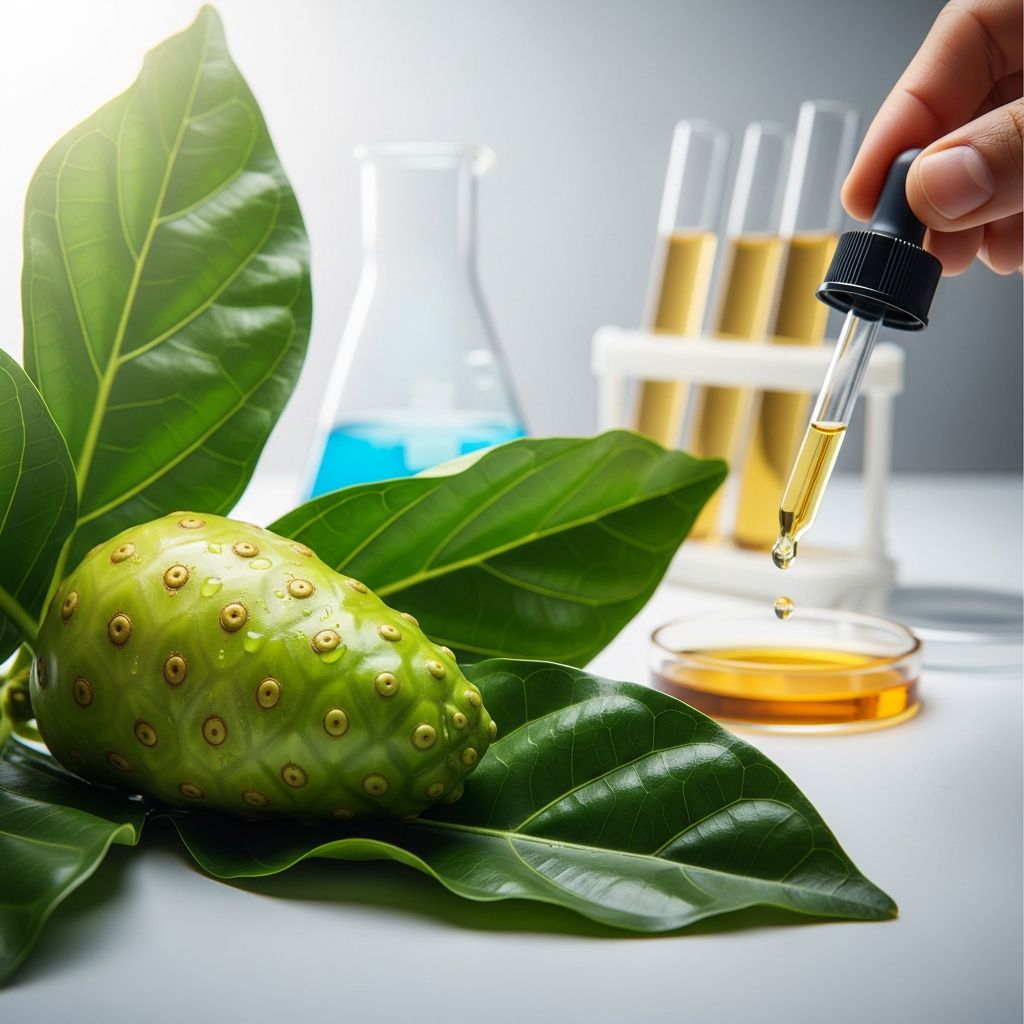
Noni, scientifically known as Morinda citrifolia, is a tropical fruit native to Southeast Asia and the Pacific Islands. For centuries, traditional healers have used various parts of the noni plant, particularly the fruit, as a natural remedy for numerous health conditions. In recent decades, noni has gained attention in Western markets as a dietary supplement, with proponents claiming it can support overall health and wellness. The fruit is typically consumed as juice, though noni is also available in powder, capsule, and tablet forms. This comprehensive guide explores what science currently knows about noni, its potential benefits, how it may work in the body, and important safety considerations.
Traditional and Modern Uses of Noni
In traditional Polynesian and Asian medicine systems, noni has been used to address a wide variety of health concerns. Historically, practitioners recommended noni for pain relief, inflammation, infections, and to support immune function. Traditional healers also utilized noni for digestive issues, skin conditions, and to promote general vitality.
In contemporary Western practice, noni is primarily promoted as a dietary supplement for general health maintenance and disease prevention. Common modern uses include support for joint health, physical endurance, immune function, weight management, cardiovascular health, and blood pressure regulation. Some individuals also use noni for cancer prevention and as a complementary approach alongside conventional cancer treatment, though scientific evidence for these applications remains limited.
What the Science Says About Noni
Antioxidant Properties
Laboratory and animal research has demonstrated that noni possesses significant antioxidant activity. This antioxidant capacity is considered one of noni’s primary mechanisms of action in the body. The fruit contains various bioactive compounds that help neutralize harmful free radicals and reduce oxidative stress. In human studies, noni juice has shown greater antioxidant activity compared to other fruit juices used as comparison controls, including grape and blueberry juices. One study examining protection against tobacco smoke-induced DNA damage found that participants consuming noni juice experienced reductions in oxidative stress markers, with the 118 mL dose group showing a 27.3% reduction in lipid hydroperoxide levels.
Cardiovascular and Metabolic Health
Several human intervention studies have examined noni’s effects on cardiovascular markers. After 30 days of noni juice consumption, participants showed significant improvements in key health markers. Specifically, high-sensitivity C-reactive protein (hs-CRP), a marker of inflammation linked to cardiovascular disease, decreased by 15.2%. Homocysteine levels, another cardiovascular risk factor, declined by 23.9%. Additionally, HDL cholesterol (the beneficial type) increased from an average of 49 to 57 mg/dL. These changes suggest noni may support heart health through multiple mechanisms, though more research is needed to confirm long-term effects.
Joint Health and Pain Management
Clinical trials have investigated noni’s potential anti-inflammatory and pain-relieving properties. In one study of patients with cervical spondylosis, those who consumed 15 mL of noni juice twice daily for four weeks reported significant pain reduction and improved range of motion, including improvements in flexion, extension, lateral flexion, and rotation. A longer-term study of arthritis patients receiving noni juice for three months demonstrated substantial quality of life improvements. Patients experienced a 23.7% decrease in the frequency of severe pain days and a 16.4% decrease in pain severity. Additionally, psychological state and mood improved, mobility increased, and patient satisfaction with personal health rose by approximately 19%. The study found noni to be well-tolerated with no significant effects on liver or kidney function.
Physical Endurance and Exercise Recovery
Research examining noni’s effects on athletic performance and muscle recovery has produced promising results. Athletes consuming noni juice experienced significant decreases in serum creatine kinase (CK) concentration compared to those consuming blackberry juice as a control. Elevated CK levels indicate muscle tissue damage from intense exercise. This finding suggests that noni helps mitigate exercise-induced muscle damage through its antioxidant properties, which help combat the increased free radical production and inflammation that occur during intensive training.
Weight Management
Studies investigating noni’s effects on body composition and weight management have shown encouraging results. Participants consuming noni juice beverages experienced significantly lower muscle mass loss compared to control groups. The noni groups also demonstrated better maintenance of weight loss throughout the study period, greater reduction in waist circumference, and decreased body mass index. The preservation of active muscle tissue appears to be a key mechanism by which noni supports weight management goals.
Related Stories



Immune Function
Both animal and limited human studies suggest noni may enhance immune system activity. Research in Holstein bull calves demonstrated that noni supplementation during the first three weeks of life reduced all required medical treatments by 54%, with a 61% reduction in respiratory treatments and a 52% reduction in gastrointestinal treatments. Laboratory studies have shown that noni consumption can modulate immune response through effects on immune cells and cytokine production, suggesting potential immunostimulatory effects.
Cancer-Related Research
While preliminary research has explored noni’s potential anti-cancer properties, evidence remains limited and inconclusive. Laboratory studies have demonstrated that noni exhibits anti-proliferative effects against several cancer cell types, including breast cancer, lung cancer, and melanoma. Preliminary human studies in smokers suggested that daily noni juice consumption might reduce cancer risk by blocking carcinogen-DNA binding or removing DNA adducts. However, clinical trials in actual cancer patients have not shown significant tumor regression or improvements in prostate-specific antigen levels. A Phase 1 study noted only a trend toward reduced fatigue in advanced cancer patients at moderate doses, with no significant adverse effects observed. More rigorous, well-controlled clinical trials are needed before noni can be recommended as a cancer treatment or prevention strategy.
How Noni May Work in the Body
Research suggests noni’s health benefits may stem from several biological mechanisms. The primary mechanism appears to be noni’s potent antioxidant activity, which helps reduce oxidative stress throughout the body. Oxidative stress contributes to inflammation and numerous chronic diseases, so reducing it may provide widespread health benefits. Additionally, noni appears to interact with immune system pathways and inflammatory signaling cascades. Some bioactive compounds in noni, such as scopoletin, may influence gastrointestinal function and nutrient absorption. Certain polysaccharide fractions from noni have demonstrated the ability to stimulate immune cells and promote cytokine release, supporting immune modulation effects.
Potential Health Benefits Summary
Based on human research and clinical trials, noni may provide the following benefits:
– Protection against tobacco smoke toxicities, including DNA protection and normalization of blood lipids- Reduction of systemic inflammation and homocysteine levels- Improvement of joint pain and mobility- Enhanced physical endurance and exercise recovery- Increased immune system activity- Support for weight management through preservation of muscle tissue- Maintenance of bone health in women- Blood pressure regulation- Improved gum and oral health- Possible fatigue reduction in cancer patients at moderate doses
Safety and Side Effects
Noni is generally considered safe for most people when consumed as a juice or supplement. Clinical studies have not reported serious adverse effects associated with noni consumption. However, some important safety considerations exist. Noni products are often perceived as safe simply because they come from a natural plant source, but this assumption does not guarantee safety or efficacy. The evidence base regarding optimal dosing, long-term safety profile, potential drug interactions, and risks in specific populations remains incomplete. Individuals with kidney disease should exercise caution, as there are limited studies examining noni in this population. Pregnant and nursing women should consult healthcare providers before using noni supplements. Additionally, noni may interact with certain medications or affect gastrointestinal absorption of other drugs.
Dosage and Forms
Noni is available in multiple forms, including juice, powder, capsules, and tablets. In clinical studies, noni juice doses have ranged from 15 mL twice daily to 118 mL daily, depending on the specific health outcome being studied. For cancer-related fatigue, research suggested moderate doses (6-8 grams daily) may be more beneficial than higher or lower amounts. However, standardized dosing recommendations based on strong clinical evidence do not yet exist. The concentration of bioactive compounds varies significantly between different noni products, making it difficult to ensure consistent dosing across brands. Consumers should follow label instructions and consult healthcare providers for personalized dosing guidance.
Important Considerations for Consumers
While noni shows promise for several health applications, important limitations and gaps in the research remain. Many studies have been small, lacked proper control groups, or did not use standardized noni preparations, making it difficult to draw firm conclusions. Long-term safety data is limited, and adequate information about bioactive compounds, molecular targets, pharmacokinetics, effective dosages, and potential unanticipated side effects in specific populations is incomplete. Additionally, differences between traditional and modern noni products may affect their therapeutic potential and safety profiles.
Noni should not be used as a substitute for conventional medical treatment, particularly for serious conditions like cancer, diabetes, or cardiovascular disease. Individuals considering noni supplementation should discuss this decision with their healthcare provider, particularly if they have existing health conditions or take medications. Quality and purity of commercial noni products can vary significantly, so consumers should purchase from reputable manufacturers.
Frequently Asked Questions
Q: Is noni juice safe to drink daily?
A: Clinical studies have not identified serious adverse effects from daily noni juice consumption at doses used in research. However, long-term safety data is limited. Individuals with kidney disease or those taking certain medications should consult healthcare providers before daily noni use.
Q: Can noni cure cancer?
A: Current evidence does not support noni as a cancer cure. While preliminary research shows anti-cancer properties in laboratory settings, human clinical trials have not demonstrated significant anti-tumor effects. Noni should never replace conventional cancer treatment.
Q: What is the recommended dose of noni?
A: Recommended doses vary depending on the form and intended use. Clinical studies have used doses ranging from 15 mL twice daily to 118 mL daily for juice formulations. Follow product label instructions and consult healthcare providers for personalized recommendations.
Q: Are there drug interactions with noni?
A: Limited information exists about noni-drug interactions. Noni may influence gastrointestinal absorption of some medications. Individuals taking medications should discuss noni supplementation with their healthcare provider or pharmacist.
Q: Is noni effective for weight loss?
A: Research suggests noni may support weight management by preserving muscle tissue during weight loss and reducing waist circumference. However, noni is not a weight-loss medication and should be combined with healthy diet and exercise for best results.
Q: Can pregnant women take noni?
A: Adequate safety data for noni in pregnancy is lacking. Pregnant and nursing women should consult healthcare providers before using noni supplements.
References
- The Potential Health Benefits of Noni Juice: A Review of Human Intervention Studies — National Center for Biotechnology Information (NCBI). 2018-04-15. https://pmc.ncbi.nlm.nih.gov/articles/PMC5920423/
- Noni (Morinda citrifolia) – CAM Cancer — Complementary and Alternative Medicine for Cancer. 2023. https://cam-cancer.org/noni-morinda-citrifolia
- Anti-Diabetic Potential of Noni: The Yin and the Yang — PubMed. 2015. https://pubmed.ncbi.nlm.nih.gov/26404212/
- Cancer and Complementary Health Approaches: What You Need To Know — National Center for Complementary and Integrative Health (NCCIH). 2024. https://www.nccih.nih.gov/health/cancer-and-complementary-health-approaches-what-you-need-to-know
- Study of Noni in Cancer Patients — Clinical Trials.gov. U.S. National Library of Medicine. https://www.clinicaltrials.gov/study/NCT00033878
Similar Articles








Read full bio of medha deb