Nonstress Test (NST): Purpose, Procedure & Results
Understanding the nonstress test: A safe, painless prenatal screening to monitor fetal health and heart rate during pregnancy.
Understanding the Nonstress Test (NST)
A nonstress test (NST), also known as a fetal nonstress test, is a pregnancy screening that measures fetal heart rate and reaction to movement. Your pregnancy care provider performs a nonstress test to ensure the fetus is healthy and receiving adequate oxygen. The test is completely safe and painless, earning its name because it places no stress on you or the developing fetus. This noninvasive monitoring tool has become an essential component of prenatal care, particularly for pregnancies considered at higher risk of complications.
What is a Nonstress Test?
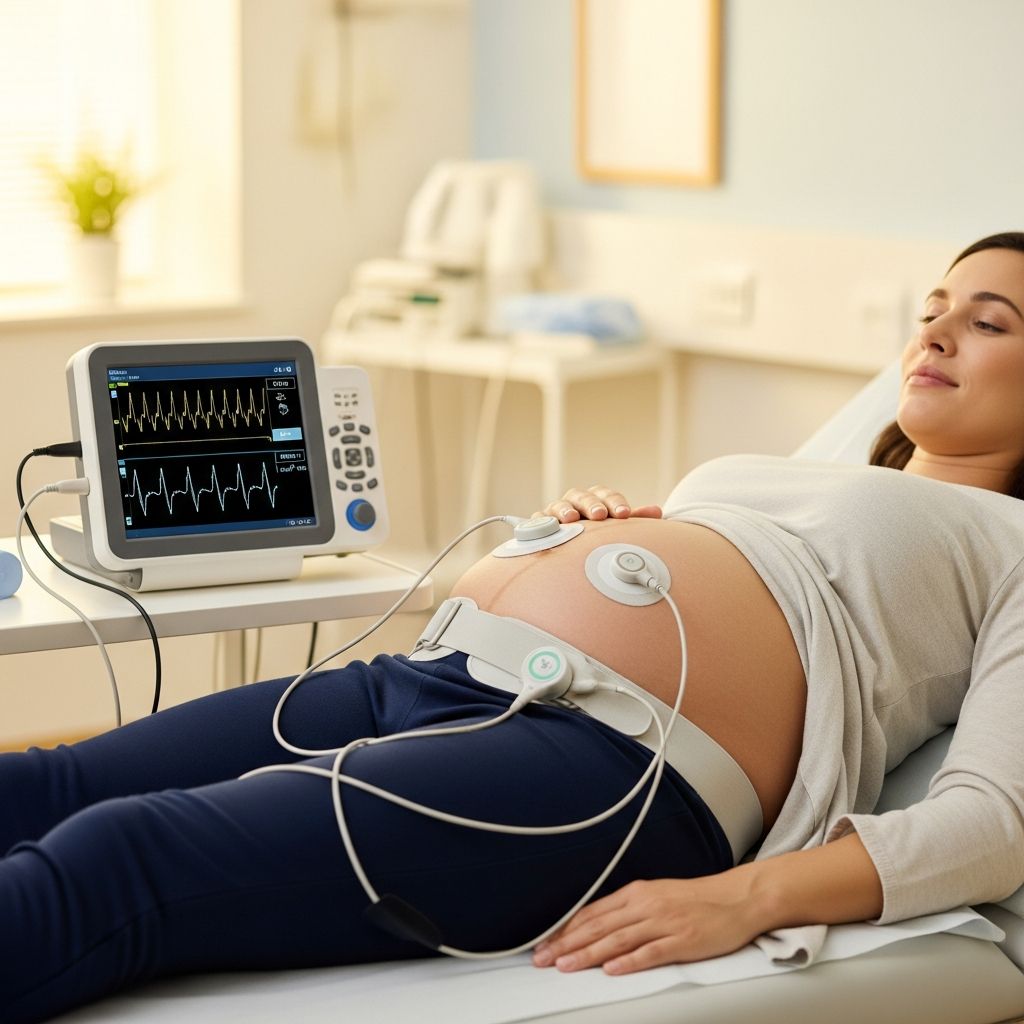
The nonstress test measures the fetus’s heart rate to determine whether it changes in response to fetal movement or during uterine contractions, which occur when muscles in the uterus tighten. Unlike other types of monitoring, an NST places no extra stress on you or the fetus. During the procedure, you wear monitors around your belly and lay down for the test. The monitors track two key indicators: your baby’s heart rate patterns and any uterine contractions you may experience. These sensors transmit data to a machine that records the information on a strip of paper or displays it electronically.
Who Needs a Nonstress Test?
Not everyone requires a nonstress test during pregnancy. Your pregnancy care provider orders an NST when they believe it is necessary to check on your fetus’s health. There are several specific scenarios that may warrant nonstress testing:
Maternal Age and Health Conditions
Women over 35 years old, those with diabetes, or those with hypertension disorders such as preeclampsia may benefit from nonstress testing. Additionally, conditions like heart disease and clotting disorders qualify as chronic medical conditions that make pregnancy higher risk.
Multiple Pregnancies and Fetal Concerns
If you are expecting twins or other multiples, your healthcare provider will likely recommend regular nonstress tests. Similarly, if your baby measures small for their gestational age, this may warrant closer monitoring through NST.
Fetal Movement and Timing Issues
Situations that may trigger nonstress testing include feeling fewer fetal kicks than normal or when your pregnancy extends past your due date. Reduced fetal movement is often one of the most common reasons providers recommend this test.
Previous Pregnancy Complications
If you experienced complications in a previous pregnancy or have Rh incompatibility (where your blood is Rh negative and your baby’s is Rh positive), your provider may recommend regular nonstress tests.
When Does the Nonstress Test Begin?
A nonstress test typically happens after 28 weeks of pregnancy. This timing is important because it is when fetal heart rate starts reacting to movements consistently enough to produce meaningful results. Your pregnancy care provider may start scheduling nonstress tests around 28 weeks and may continue them weekly, twice weekly, or even more frequently depending on your individual risk factors. Higher-risk pregnancies require more frequent monitoring compared to lower-risk pregnancies. By 32 or 34 weeks, if you have an ongoing condition, your provider may recommend ongoing nonstress testing, though sometimes monitoring begins as early as 28 weeks.
Preparing for Your Nonstress Test
Related Stories



You don’t have to prepare extensively for an NST. Your provider may simply ask you to use the restroom first so your bladder is empty, as this can make the test more comfortable. Most appointments require no special dietary restrictions or fasting beforehand. Wear comfortable clothing that allows easy access to your abdomen so the monitoring belts can be placed without difficulty.
What to Expect During the Nonstress Test
A typical nonstress test takes approximately 30 minutes, though it could take longer depending on fetal activity levels. The test can last anywhere from 20 to 90 minutes depending on how active your fetus is. During the procedure, you will be positioned sitting or lying down, usually in a comfortable chair or on an examination table. Your healthcare provider will place two elastic belts around your abdomen: one that holds a sensor to monitor the fetal heart rate and another that detects uterine contractions.
You may be given a small button or buzzer that you can press when you feel your baby move. This helps correlate fetal movements with heart rate changes on the monitoring strip. If your baby isn’t active or moving during the testing period, they may simply be asleep. To wake up the baby, your provider may place a small buzzer or other noisemaker over your abdomen. This won’t harm the baby but it may help stimulate activity. Your baby may also wake up if you have a snack or sugary drink during the test.
Understanding Nonstress Test Results
Reactive Results
Your results will be either reactive (reassuring) or nonreactive. An NST is considered reactive or reassuring when the fetus’s heart rate accelerates or increases when it moves or when you have a contraction. This means that fetal heart rate reacts appropriately to movement. Specifically, the fetus must show at least two accelerations of the heart rate within a 20-minute testing period to receive a reactive result. A reactive result is considered reassuring and indicates that your baby is responding well to stimulation and is likely receiving adequate oxygen.
Nonreactive Results
A nonreactive result means the fetus’s heart rate doesn’t accelerate as expected. Your provider is also looking for any declines in the fetal heart rate. If the fetus is nonreactive or declines are noted, your doctor may want you to perform additional tests to ensure everything is okay. It is crucial to remember that a nonreactive nonstress test doesn’t mean something is wrong with your baby. Instead, it means there isn’t enough information from this particular test, and you may need additional testing to better understand your baby’s status.
No Pass or Fail
Nonstress tests don’t have a pass or fail result. However, the fetus can be nonreactive. Having a nonreactive result doesn’t mean the fetus is in trouble. It just means you may need more testing to find out why you had a nonreactive result. Your healthcare provider will use clinical judgment and additional information to determine the next steps.
What Results Mean for Your Pregnancy
If test results determine the fetus is at risk for complications, you may need closer monitoring or an early delivery. The specific course of action depends on how far along you are in your pregnancy and the specific findings that prompted concern. Your provider will discuss these results with you thoroughly and explain what they mean for your pregnancy plan.
You’ll know your results right away. Your pregnancy care provider or obstetrician will discuss the results with you and what they mean before you leave the office. This immediate feedback allows you to ask questions and understand the implications for your ongoing care.
Is the Nonstress Test Safe?
There are no risks to a nonstress test. It’s safe for both you and the fetus. The test is called ”nonstress” specifically because no stress or risk is placed on the baby during the test. It is a completely noninvasive procedure that simply observes your baby’s natural heart rate patterns and responses. Many pregnant individuals find the test reassuring, as it provides real-time feedback about their baby’s well-being.
Nonstress Test vs. Stress Test
It’s important not to confuse a nonstress test with a stress test. While an NST measures fetal heart rate with no added stress, a stress test measures your own heart rate, blood pressure, and oxygen levels under stress. A stress test usually involves walking on a treadmill or pedaling on a stationary bike with monitors attached to your chest, helping your provider determine how well your heart responds when it’s working hard or under stress. These are entirely different procedures with different purposes.
Can an NST Detect Fetal Sex?
No, an NST does not detect the fetus’s sex. This test is designed solely to monitor fetal heart rate patterns and movement, not to provide anatomical information about your baby’s gender. If you’re interested in learning your baby’s sex, you would need an ultrasound examination instead.
What If You Have Concerns?
A nonstress test helps your pregnancy care team determine if the fetus is healthy. While the test doesn’t put any stress on you or the fetus, it can cause you to worry, especially if results are nonreactive. Talk to your provider if you have concerns about your nonstress test or what it means for your pregnancy. They can walk you through what’s going to happen, explain the results clearly, and ease your worries. Your healthcare provider understands that prenatal testing can feel anxiety-provoking and is there to support you through the process.
Frequently Asked Questions About Nonstress Tests
Q: How long does a nonstress test take?
A: A typical nonstress test takes about 30 minutes, although it could take longer depending on fetal activity. Some tests may last up to 90 minutes if additional time is needed to capture adequate heart rate acceleration data.
Q: Is it normal to feel anxious about nonstress test results?
A: Yes, it’s completely normal to feel anxious. Remember that a nonreactive result doesn’t mean your baby has a problem. It simply means additional testing may be needed. Your healthcare provider will discuss next steps and help address your concerns.
Q: Can I eat or drink before a nonstress test?
A: You don’t need to fast before an NST. In fact, having a light snack or sugary drink during the test may help stimulate your baby if they’re sleepy.
Q: How often will I need nonstress tests?
A: The frequency depends on your individual risk factors. You could be asked to test weekly, twice a week, or even more often. Your provider will determine the appropriate schedule based on your pregnancy circumstances.
Q: What should I wear for a nonstress test?
A: Wear comfortable clothing that allows easy access to your abdomen so the monitoring belts can be placed without difficulty.
Q: Will a nonstress test hurt my baby?
A: No, the nonstress test is completely safe and noninvasive. It places no stress or risk on your baby. The monitors simply record your baby’s natural heart rate patterns.
References
- Nonstress Test (NST): Purpose, Procedure & Results — Cleveland Clinic. 2022-10-04. https://my.clevelandclinic.org/health/diagnostics/24253-nonstress-test
- Nonstress Test — MedlinePlus, National Library of Medicine, U.S. National Institutes of Health. https://medlineplus.gov/lab-tests/nonstress-test/
- What to Expect During a Non-Stress Test When You’re Pregnant — Cleveland Clinic. https://health.clevelandclinic.org/non-stress-tests-measure-your-babys-movements-heart-rate
- Fetal Monitoring During Labor and Delivery — MSD Manuals Professional Version. https://www.msdmanuals.com/professional/gynecology-and-obstetrics/labor-and-delivery/fetal-monitoring-during-labor-and-delivery
- Fetal Distress: Causes, Symptoms, Diagnosis & Treatment — Cleveland Clinic. https://my.clevelandclinic.org/health/diseases/23971-fetal-distress
Similar Articles








Read full bio of medha deb