Norethindrone for Painful or Heavy Periods
Comprehensive guide to norethindrone (Aygestin) for managing endometriosis, heavy bleeding, and painful menstrual periods effectively.
Aygestin
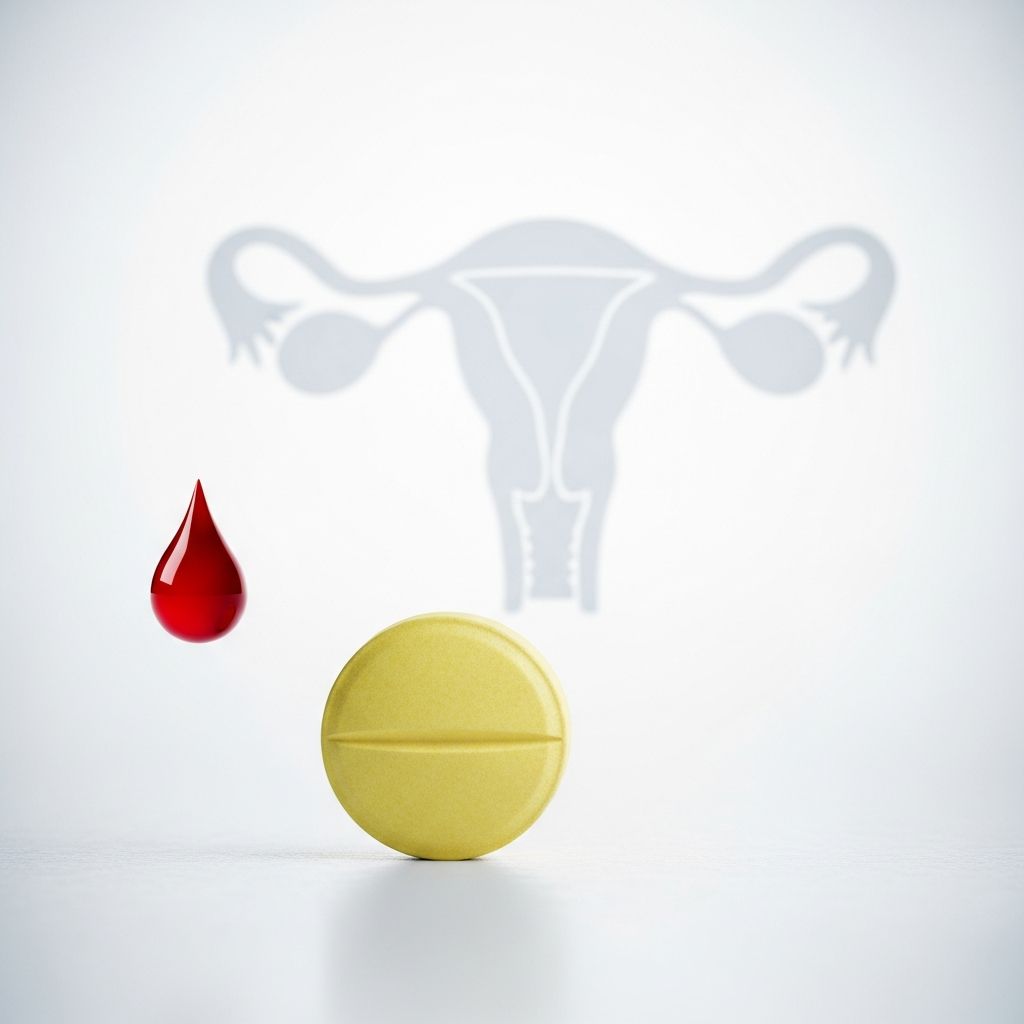
Norethindrone, commonly known by the brand name Aygestin, is a synthetic progestin medication designed to mimic the effects of the natural hormone progesterone. It is primarily prescribed to treat conditions such as endometriosis, heavy menstrual bleeding (menorrhagia), and painful periods (dysmenorrhea). By regulating the endometrial lining of the uterus, norethindrone helps reduce excessive bleeding, alleviate pain, and stabilize menstrual cycles. This treatment is particularly beneficial for women experiencing debilitating symptoms that interfere with daily life.
Endometriosis affects millions of women worldwide, where tissue similar to the uterine lining grows outside the uterus, leading to inflammation, scarring, and severe pain during menstruation. Norethindrone addresses this by thinning the endometrium and suppressing abnormal tissue growth, thereby easing symptoms. Unlike combined hormonal therapies, norethindrone is a progestin-only option, making it suitable for those who cannot tolerate estrogen-containing medications.
Available in tablet form, typically 5 mg strength, norethindrone is taken orally. Medium-strength doses like Aygestin 5 mg are standard for menstrual disorders associated with endometriosis. Treatment regimens vary: daily dosing for endometriosis or cyclical use for heavy periods. Patients should always follow their healthcare provider’s instructions, as dosages are tailored to individual needs.
What is norethindrone?
| Type of medicine | Progestin (female hormone) |
|---|---|
| Used for | Endometriosis, painful or heavy menstrual periods |
| Also called | Aygestin® |
| Available as | Tablets |
Norethindrone acetate is a man-made version of progesterone, a key hormone in the menstrual cycle. It works by opposing estrogen’s effects on the uterine lining, preventing overgrowth that leads to heavy bleeding and pain. In endometriosis, this regulation extends to ectopic endometrial tissues, reducing their cyclical shedding and associated inflammation. For heavy periods without endometriosis, it induces a controlled withdrawal bleed, normalizing flow.
Higher doses may be used for certain cancers like breast cancer, but this article focuses on gynecological uses. Norethindrone is not a contraceptive unless specified in low-dose regimens, and separate leaflets cover those applications.
Before taking norethindrone
Consult your doctor before starting norethindrone, especially if you have pre-existing conditions. Key considerations include:
- Heart or blood vessel issues: Including history of blood clots in arteries or veins, as hormonal therapies can increase clotting risk.
- Chronic conditions: Diabetes, epilepsy, migraine, hypertension, or asthma may require monitoring.
- Lifestyle factors: Smoking, obesity, or high cholesterol elevate risks.
- Cancer history: Particularly breast or endometrial cancer.
- Mental health: Past depressive illness.
- Liver or skin issues: Jaundice, severe itching, pemphigoid gestationis, or porphyria.
- Medications and allergies: Inform your doctor of all drugs, including over-the-counter, herbal remedies, or prior allergic reactions.
Pregnancy and breastfeeding require special caution; norethindrone is contraindicated in pregnancy for endometriosis treatment due to potential fetal risks. Effective contraception is advised during use.
Related Stories



How and when to take norethindrone
Dosage for endometriosis
Treatment typically begins with a low dose of 2.5-5 mg (half to one 5 mg tablet) daily. The dose increases gradually every two weeks, up to 15 mg (three tablets) per day, based on symptom response. Continuous daily use is common for 6-9 months to suppress endometrial activity.
Dosage for painful or heavy periods
Usually 2.5-10 mg (half to two tablets) daily for 5-10 days per menstrual cycle, often starting on day 5 or 20. This induces organized shedding and reduces flow.
Swallow tablets whole with water, with or without food. If a dose is missed, take it as soon as remembered unless near the next dose. Do not double up. Duration varies: short-term for bleeding control, longer for endometriosis.
Side effects of norethindrone
Most side effects are mild and resolve as the body adjusts. Common ones include:
| Side effect | What to do |
|---|---|
| Shorter periods, absent periods, breakthrough bleeding, spotting | Discuss with your physician before starting |
| Nausea | Simple meals, avoid spicy foods; take after meals |
| Headache | Painkiller from pharmacist; seek urgent care if severe |
| Bloating, fluid retention | Speak with physician if troublesome |
| Dizziness, breast tenderness, weight changes, fatigue, insomnia, depression, low libido, skin reactions | Contact physician if persistent |
Serious side effects (rare): Stop treatment and seek immediate medical help for chest pain/tightness, vision/hearing changes, severe headaches, or jaundice.
Long-term use may lead to bone density loss; regular monitoring is recommended. Report any unusual symptoms promptly.
How norethindrone works
Norethindrone binds to progesterone receptors in the uterus, stabilizing the endometrium. In heavy periods, it prevents excessive thickening. For endometriosis, it inhibits ovulation and reduces estrogen-driven growth of misplaced tissues, minimizing pain and inflammation. Effects on bleeding occur within days to weeks; full endometriosis relief may take months.
Precautions and interactions
Avoid if pregnant or suspecting pregnancy. Use barrier contraception. Inform surgeons of use before procedures due to clotting risks. Interactions with anticonvulsants, antibiotics, or St. John’s Wort may reduce efficacy.
When not to use norethindrone
- Known or suspected pregnancy
- Breast cancer or other hormone-sensitive cancers
- Undiagnosed vaginal bleeding
- Severe liver disease
- History of thromboembolism
Frequently Asked Questions (FAQs)
Q: How quickly does norethindrone work for heavy periods?
A: Bleeding often reduces within 5-10 days of starting cyclical treatment. Full cycle regulation may take 1-3 months.
Q: Can norethindrone be used as birth control?
A: Low-dose forms can, but standard Aygestin doses for periods/endometriosis are not reliable contraception. Use additional methods.
Q: Does norethindrone cause weight gain?
A: Some experience fluid retention or appetite changes leading to modest gain; monitor diet and consult your doctor.
Q: Is long-term use safe?
A: For endometriosis, up to 6-9 months is common, but bone health monitoring is advised. Periodic breaks or alternatives may be recommended.
Q: What if I miss a dose?
A: Take it promptly if within 12 hours; otherwise, skip and resume schedule. Breakthrough bleeding may occur.
Alternatives to norethindrone
Options include other progestins (e.g., medroxyprogesterone), combined pills, IUDs like Mirena, NSAIDs for pain, or surgery for severe endometriosis. Choice depends on symptoms and contraindications.
Monitoring and follow-up
Regular check-ups assess efficacy, side effects, and blood pressure. Mammograms or bone scans may be needed long-term. Discontinue if no improvement after 3-6 months.
References
- Norethindrone: MedlinePlus Drug Information — U.S. National Library of Medicine. 2023-10-01. https://medlineplus.gov/druginfo/meds/a604034.html
- Norethindrone for painful or heavy menstrual periods – Patient.info — Patient.info. 2023-02-27. https://patient.info/medicine/norethindrone-for-painful-or-heavy-menstrual-periods-aygestin
- Norethindrone Acetate (Aygestin): Uses, Side Effects – GoodRx — GoodRx. 2024-05-15. https://www.goodrx.com/norethindrone-acetate/what-is
- Norethindrone (oral route) – Mayo Clinic — Mayo Clinic. 2024-01-10. https://www.mayoclinic.org/drugs-supplements/norethindrone-oral-route/description/drg-20137986
- Aygestin 5 mg tablet – Kaiser Permanente — Kaiser Permanente. 2023-11-20. https://healthy.kaiserpermanente.org/health-wellness/drug-encyclopedia/drug.aygestin-5-mg-tablet.201987
Similar Articles








Read full bio of medha deb