Norethisterone for Painful or Heavy Periods
Comprehensive guide to norethisterone (Primolut N, Utovlan) for managing painful, heavy periods and endometriosis symptoms.
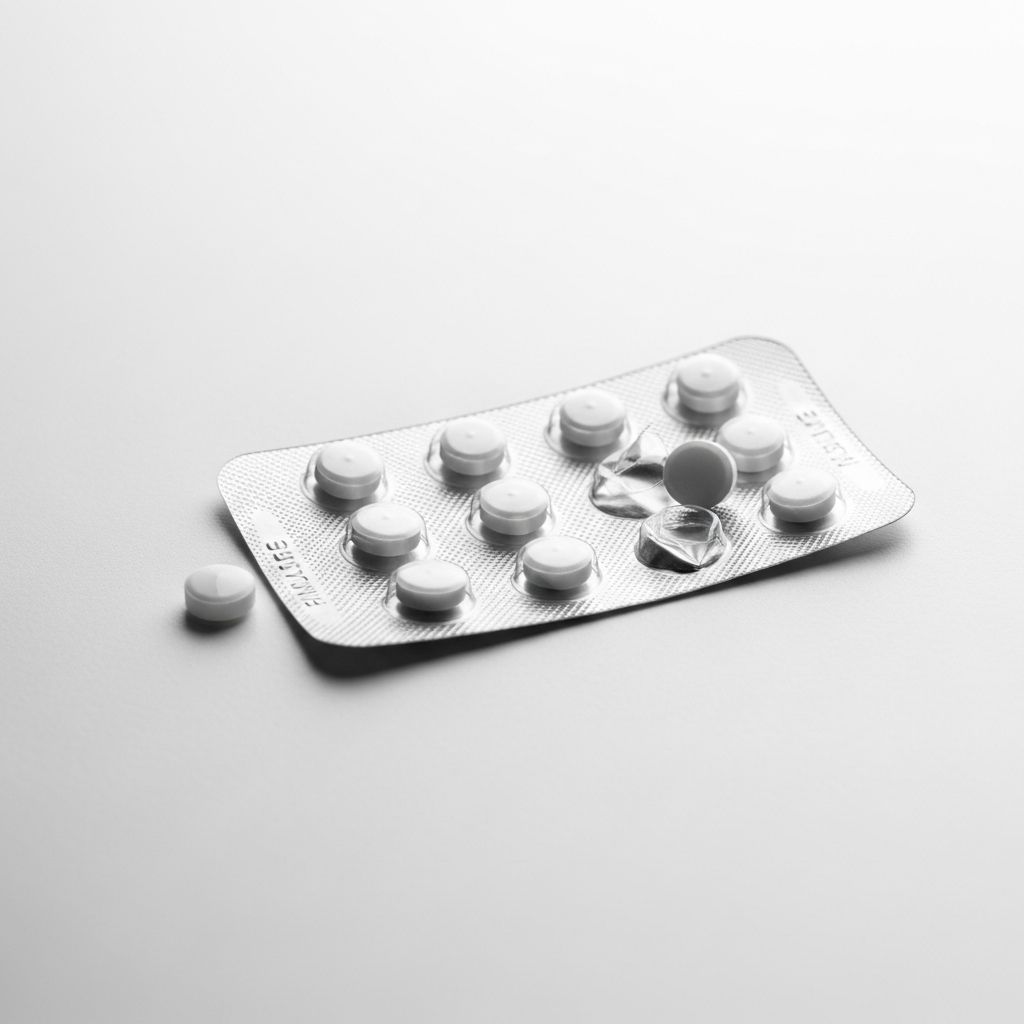
Norethisterone is a synthetic progestogen medication used to treat painful or heavy menstrual periods, endometriosis, and premenstrual tension. Available as brands like Primolut N and Utovlan, it mimics progesterone to regulate the menstrual cycle and reduce symptoms.
About norethisterone tablets
Norethisterone tablets contain a man-made version of the female hormone progesterone, classified as a progestogen. It helps manage conditions where insufficient natural progesterone disrupts the menstrual cycle, such as heavy bleeding (menorrhagia), painful periods (dysmenorrhea), endometriosis, and premenstrual syndrome (PMS).
In the body, progesterone prepares the womb lining for pregnancy. If no pregnancy occurs, levels drop, triggering menstruation. Norethisterone maintains high progesterone-like levels, preventing womb lining shedding and thus stopping or lightening periods.
Common brands include Primolut N (5 mg norethisterone) and Utovlan (5 mg norethisterone). These are prescription-only in most regions and come in tablet form for oral use.
Before taking norethisterone tablets
Who can and cannot take norethisterone tablets
Most adult women can take norethisterone for short-term use, but it is not suitable for everyone. Do not take it if:
- You are allergic to norethisterone or any ingredients.
- You are pregnant or breastfeeding.
- You have a history of blood clots (thrombosis), stroke, or heart attack.
- You have or suspect breast cancer, endometrial cancer, or other hormone-sensitive cancers.
- You have severe liver disease, jaundice, or unexplained vaginal bleeding.
- You have porphyria (a rare blood disorder).
Cautious use is advised if you have migraines, epilepsy, diabetes, asthma, depression, high blood pressure, or BMI over 35, as it may worsen these.
Other medicines, foods and drink
Norethisterone may interact with certain medications:
- Anticoagulants (e.g., warfarin) – may alter blood clotting effects.
- Antiepileptics (e.g., carbamazepine) – reduce norethisterone effectiveness.
- Griseofulvin or rifampicin – speed up norethisterone breakdown.
- Other hormone treatments or St John’s wort.
No specific food or alcohol interactions, but avoid excessive alcohol if liver concerns exist. Inform your doctor of all medicines.
Pregnancy, breastfeeding and fertility while taking norethisterone tablets
Not safe during pregnancy – it may harm the fetus. Use contraception if sexually active. Stop immediately if pregnancy suspected.
Avoid while breastfeeding – passes into breast milk and may affect the baby. Discuss alternatives with your doctor.
It does not impair fertility long-term; periods usually resume normally after stopping.
Common questions about norethisterone tablets
How long does it take to work? Effects on bleeding start within days; full cycle regulation may take one cycle.
Will I have a withdrawal bleed? Yes, typically 2-3 days after stopping, mimicking a light period.
How and when to take norethisterone tablets
Dosage
Dosage varies by condition. Always follow your doctor’s prescription:
| Condition | Dosage | Duration |
|---|---|---|
| Heavy/painful periods | 5 mg (1 tablet) 3 times daily | Days 5-26 of cycle, or as advised |
| Endometriosis | 10-15 mg daily (2-3 tablets) | 4-6 months initially |
| PMS | 5 mg 3 times daily | Days 19-26 of cycle |
| Period delay | 5 mg 3 times daily | Up to 10-27 days before period |
Related Stories



Swallow tablets whole with water, with or without food. Do not exceed prescribed dose.
If you forget to take norethisterone tablets
Take as soon as remembered unless near next dose. Do not double up. If multiple missed, bleeding may occur – consult doctor.
If you take too much norethisterone tablets
Overdose unlikely to be serious but may cause nausea, vomiting, or breast tenderness. Seek medical help if concerned.
Side effects of norethisterone tablets
Side effects are usually mild and improve as body adjusts. Common ones affect more than 1 in 100 people.
Common side effects
- Irregular bleeding/spotting – most common, especially first months.
- Breast tenderness or pain.
- Headaches or migraines.
- Nausea, bloating, stomach cramps.
- Weight changes, acne, mood swings.
- Increased facial hair or hair loss.
Serious side effects
Seek immediate medical help for:
- Blood clots: Sudden leg pain/swelling, chest pain, shortness of breath, severe headache, vision changes.
- Allergic reaction: Rash, swelling, breathing difficulty.
- Vision problems (blurred/double vision), jaundice (yellow skin/eyes), severe abdominal pain.
- Signs of stroke/heart attack: Sudden weakness, slurred speech, chest pressure.
Rare but serious risks increase with smoking, obesity, age over 35, or clotting history.
Side effects table
| Frequency | Symptoms |
|---|---|
| Common (>1/100) | Spotting, breast pain, headache, nausea, weight gain |
| Less common | Acne, mood changes, hair growth/loss |
| Serious (rare) | Blood clots, vision loss, jaundice |
How to cope with side effects of norethisterone tablets
- Irregular bleeding: Use sanitary protection; usually settles.
- Headaches: Rest, hydrate, paracetamol (check with doctor).
- Nausea: Take with food, small frequent meals.
- Breast pain: Supportive bra, avoid caffeine.
- Mood swings: Exercise, balanced diet, speak to doctor if severe.
- For serious symptoms, stop and seek urgent care.
Pregnancy and breastfeeding while taking norethisterone tablets
Already covered under ‘Before taking’. Norethisterone is contraindicated in pregnancy and breastfeeding due to potential fetal harm and milk effects.
FAQs
Can norethisterone stop heavy periods immediately?
It reduces bleeding over the treatment cycle but may not stop it instantly. Withdrawal bleed occurs post-treatment.
Is norethisterone safe for long-term use?
Short-term safe; long-term (e.g., endometriosis) requires monitoring for clots and other risks.
Does it cause weight gain?
Possible mild gain due to fluid retention; usually temporary.
Can I delay my period with norethisterone?
Yes, start 3 days before expected period, up to 10-27 days max.
What if I get no period after stopping?
Common; test for pregnancy or consult doctor if persists.
References
- Norethindrone (oral route) – Description & Side Effects — Mayo Clinic. 2023-10-01. https://www.mayoclinic.org/drugs-supplements/norethindrone-oral-route/description/drg-20137986
- Norethisterone | Boots Online Doctor — Boots UK. 2024-05-15. https://onlinedoctor.boots.com/treatments/norethisterone
- Norethindrone: MedlinePlus Drug Information — MedlinePlus (NIH). 2025-01-10. https://medlineplus.gov/druginfo/meds/a604034.html
- Norethindrone Acetate Oral: Uses & Side Effects — WebMD. 2024-08-20. https://www.webmd.com/drugs/2/drug-6024/norethindrone-acetate-oral/details
- Norethindrone Acetate: Hormone Replacement Therapy — Cleveland Clinic. 2024-03-12. https://my.clevelandclinic.org/health/drugs/20808-norethindrone-acetate-tablets-hormone-replacement-therapy
Similar Articles








Read full bio of Sneha Tete