Norfloxacin Tablets for Infection: Uses, Dosage, and Safety
Complete guide to norfloxacin antibiotics: uses, dosage, side effects, and precautions.
What is Norfloxacin?
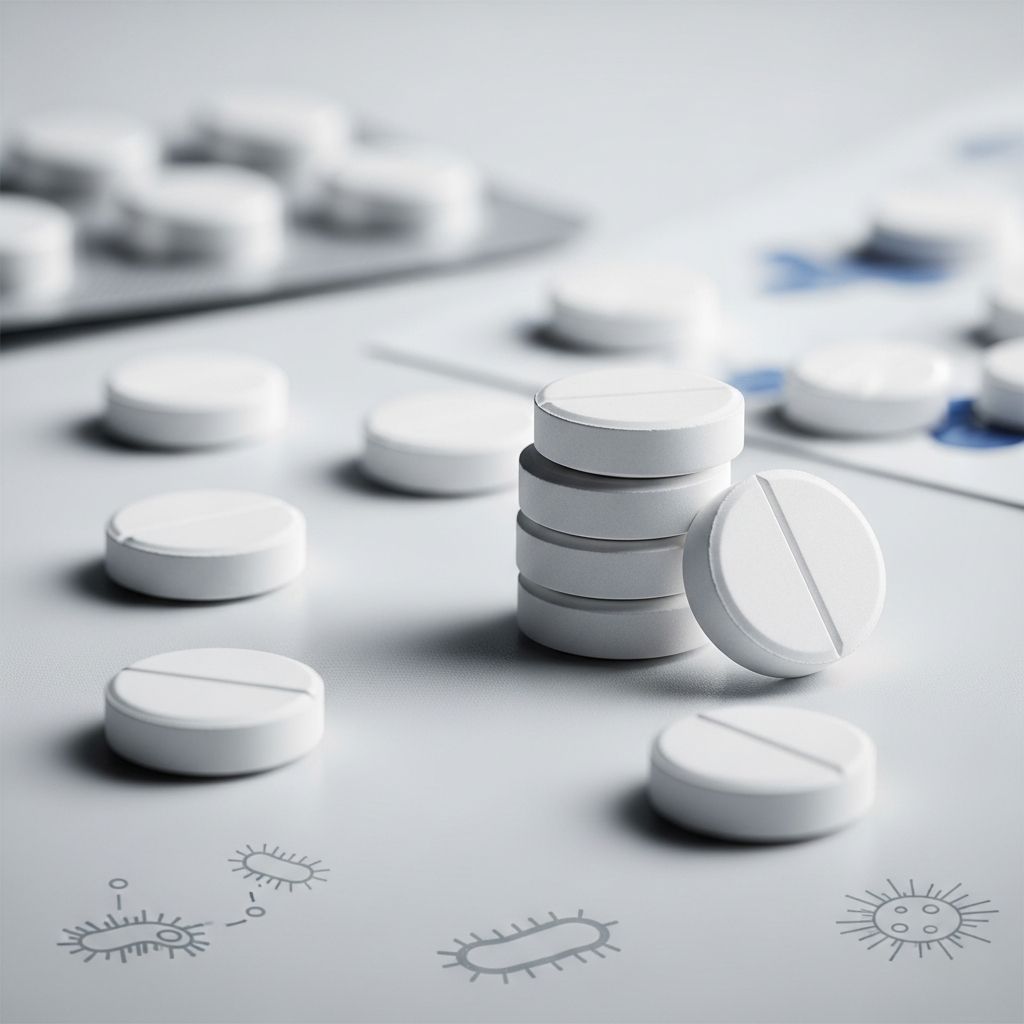
Norfloxacin is a fluoroquinolone antibiotic medication used to treat various bacterial infections in adults. It belongs to a class of broad-spectrum antibiotics that work by inhibiting bacterial DNA gyrase, an enzyme essential for bacterial DNA replication. When this enzyme is blocked, bacteria cannot replicate their DNA and subsequently die, eliminating the infection. Norfloxacin is sold under the brand name Noroxin and has been used clinically since its FDA approval in 1986. This medication is particularly effective against gram-positive and gram-negative bacterial species and typically accumulates in high concentrations in the urine, making it especially useful for urinary tract infections.
What is Norfloxacin Used For?
Norfloxacin is indicated for treating several types of bacterial infections in adults. The primary uses include:
- Urinary Tract Infections (UTIs): Both uncomplicated UTIs (including cystitis or bladder infection) and complicated UTIs caused by susceptible bacteria such as Escherichia coli, Enterococcus faecalis, Klebsiella pneumoniae, Proteus mirabilis, Pseudomonas aeruginosa, and Serratia marcescens
- Prostatitis: Inflammation of the prostate gland caused by Escherichia coli
- Gonorrhea: Uncomplicated urethral and cervical gonorrhea due to Neisseria gonorrhoeae, though some experts note decreased effectiveness due to bacterial resistance
- Gynecological Infections: Various infections of the female reproductive tract
- Traveler’s Diarrhea: Infections of the stomach and intestine
- Eye Infections: In ophthalmology, norfloxacin eye drops are licensed for treating conjunctival infections caused by susceptible bacteria
It is important to note that norfloxacin only treats infections caused by bacteria and will not be effective against viral infections such as the common cold, influenza, or coronavirus. Additionally, FDA-approved forms of norfloxacin have been discontinued and are no longer available in the United States, though it remains available in other countries.
How Does Norfloxacin Work?
Norfloxacin functions through a specific mechanism of action targeting bacterial cell processes. The medication works by inhibiting DNA gyrase, a bacterial enzyme responsible for maintaining the structural integrity of bacterial DNA. By blocking this enzyme, norfloxacin prevents bacteria from replicating their genetic material, which is essential for bacterial survival and reproduction. This mechanism is particularly effective because it targets a fundamental process in bacterial cell division. Once the bacteria cannot replicate their DNA, they are unable to survive and multiply, leading to the death of the bacterial population and resolution of the infection. This mode of action explains why norfloxacin is effective against a broad spectrum of bacteria, including both gram-positive and gram-negative organisms.
Dosage and Administration
Proper dosage and administration of norfloxacin is crucial for achieving therapeutic effectiveness. The following guidelines should be followed:
- Timing: Norfloxacin is best taken on an empty stomach, approximately one hour before eating or two hours after a meal. This timing allows for optimal absorption of the medication
- Consistency: Take norfloxacin at the same times each day to maintain consistent drug levels in your body
- Frequency: If prescribed twice daily, space doses approximately 10-12 hours apart, such as between 7-8 AM and 7-8 PM
- Standard Strength: Norfloxacin is commonly available as a 400 mg tablet
- Adherence: Complete the full course of treatment as prescribed by your healthcare provider, even if symptoms improve before the medication is finished
Always follow your healthcare provider’s specific instructions regarding dosage, as the appropriate dose may vary depending on the type and severity of infection being treated.
Side Effects and Adverse Reactions
While norfloxacin is generally well-tolerated, it can cause various side effects ranging from mild to severe. Understanding these potential reactions is important for safe use of this medication.
Common Side Effects
The following side effects are frequently reported but typically do not require medical attention and resolve over time:
- Dizziness
- Nausea
- Diarrhea
- Headache
- Abdominal cramps
- Heartburn
If any of these common side effects persist or worsen, contact your healthcare provider for guidance.
Related Stories



Serious Adverse Reactions
Norfloxacin can cause serious adverse reactions that require immediate medical attention. These include:
- Photosensitivity reactions and severe dermatologic conditions such as toxic epidermal necrolysis and Stevens-Johnson syndrome
- Vasculitis, arthralgia, myalgia, and serum sickness reactions
- Allergic pneumonitis and interstitial nephritis
- Acute renal insufficiency or failure
- Hepatitis, jaundice, acute hepatic necrosis, or hepatic failure
- Blood disorders including hemolytic and aplastic anemia, thrombocytopenia, leukopenia, agranulocytosis, and pancytopenia
- Tendon rupture and permanent nerve injuries (particularly in some regions like the Republic of Ireland where use has been restricted)
Stop taking norfloxacin immediately and contact your healthcare provider if you experience a rash or any signs of serious allergic reaction.
Photosensitivity Precautions
Norfloxacin may cause photosensitivity, making your skin more sensitive to sunlight and increasing the risk of sunburn. To minimize this risk:
- Avoid prolonged exposure to sunlight and tanning beds
- Always wear protective clothing when outdoors
- Use sunscreen with an SPF of 30 or higher before going outside
Important Precautions and Contraindications
Before taking norfloxacin, inform your healthcare provider about any existing medical conditions or medications. The following conditions require special consideration or may contraindicate norfloxacin use:
- Seizures or epilepsy
- Muscle weakness or myasthenia gravis
- Nerve problems, including peripheral neuropathy
- Tendon or joint problems, including rheumatoid arthritis
- Kidney or liver problems
- History of kidney, heart, or lung transplant
- Low potassium levels (hypokalemia) or low magnesium levels (hypomagnesemia)
- Hardening and thickening of the arteries or history of stroke
- Glucose-6-phosphate dehydrogenase (G6PD) deficiency
- Diabetes
Drug Interactions
Norfloxacin may interact with other medications and supplements. Before starting norfloxacin, inform your healthcare provider about any prescription or over-the-counter medicines, vitamins, minerals, herbal products, and other supplements you are taking. This is particularly important because some interactions can reduce the effectiveness of norfloxacin or increase the risk of adverse effects.
Special Populations
Certain populations require special consideration when using norfloxacin:
Children and Adolescents
Norfloxacin is not recommended for children below 18 years of age, as its safety and effectiveness have not been established in this age group. However, norfloxacin eye drops have been approved for use in children older than one year of age for treating eye infections.
Pregnancy and Breastfeeding
Discuss the use of norfloxacin with your healthcare provider if you are pregnant, planning to become pregnant, or breastfeeding, as safety in these populations requires careful consideration.
Driving and Operating Machinery
Norfloxacin may cause dizziness and affect your ability to concentrate. Do not drive or operate heavy machinery or engage in other activities requiring alertness or coordination until you know how norfloxacin affects you.
When Not to Use Norfloxacin
Norfloxacin should not be used for infections caused by viruses, such as the common cold, influenza, or coronavirus. Additionally, taking norfloxacin or any antibiotic when not medically necessary may contribute to antibiotic resistance, reducing the effectiveness of antibiotics for future bacterial infections. Use norfloxacin only when prescribed by a healthcare provider for confirmed bacterial infections.
Availability and Current Status
It is important to note that FDA-approved forms of norfloxacin tablets have been discontinued and are no longer available in the United States. However, norfloxacin remains available in many other countries worldwide and may be prescribed in alternative formulations such as eye drops. If you require norfloxacin treatment in the United States, discuss alternative fluoroquinolone options with your healthcare provider, such as ciprofloxacin or levofloxacin.
Frequently Asked Questions
Q: Can norfloxacin be used to treat viral infections?
A: No, norfloxacin is an antibiotic that only treats bacterial infections. It will not work against viral infections such as the common cold, influenza, or coronavirus. Using antibiotics for viral infections is ineffective and contributes to antibiotic resistance.
Q: How long does it take for norfloxacin to work?
A: The time required for norfloxacin to provide symptom relief varies depending on the type and severity of infection. However, it is important to complete the full course of treatment as prescribed, even if symptoms improve before the medication is finished, to ensure complete elimination of the infection.
Q: Is norfloxacin available in the United States?
A: FDA-approved norfloxacin tablets are no longer available in the United States. However, norfloxacin eye drops may still be available, and alternative fluoroquinolone antibiotics such as ciprofloxacin or levofloxacin may be prescribed. Consult your healthcare provider for alternatives available in your region.
Q: What should I do if I forget to take a dose?
A: If you forget a dose, take it as soon as you remember, unless it is almost time for your next dose. Do not double your dose to make up for a missed dose. Continue taking your medication at the regularly scheduled times.
Q: Can I take norfloxacin with food?
A: Norfloxacin is best absorbed on an empty stomach, taken about one hour before food or two hours after eating. However, if you experience stomach upset, discuss with your healthcare provider about taking it with food, as this may slightly reduce absorption but may improve tolerability.
Q: What are the signs of an allergic reaction to norfloxacin?
A: Signs of allergic reaction include rash, hives, swelling of the face or throat, difficulty breathing, and severe skin reactions. If you experience any of these symptoms, stop taking the medication immediately and seek emergency medical attention.
Q: Can I drink alcohol while taking norfloxacin?
A: While specific alcohol interactions are not extensively documented, it is generally recommended to avoid or limit alcohol consumption while taking antibiotics, as alcohol may increase the risk of side effects such as dizziness and gastrointestinal upset.
References
- NOROXIN (Norfloxacin) Label — U.S. Food and Drug Administration (FDA). 2011. https://www.accessdata.fda.gov/drugsatfda_docs/label/2011/019384s056lbl.pdf
- Norfloxacin — Wikipedia. Retrieved January 2026. https://en.wikipedia.org/wiki/Norfloxacin
- Norfloxacin (Noroxin): Uses, Side Effects, Interactions — WebMD. https://www.webmd.com/drugs/2/drug-11054/norfloxacin-oral/details
- Norfloxacin 400 mg Tablet: Uses, Side Effects, Price — Apollo Pharmacy. https://www.apollopharmacy.in/medicine/norfloxacin-400mg-tablet
- Norfloxacin — Healthify. https://healthify.nz/medicines-a-z/n/norfloxacin
- Norfloxacin: Uses, Interactions, Mechanism of Action — DrugBank. https://go.drugbank.com/drugs/DB01059
- Norfloxacin – LiverTox — National Center for Biotechnology Information (NCBI) Bookshelf. https://www.ncbi.nlm.nih.gov/books/NBK547850/
Similar Articles








Read full bio of Sneha Tete