Breast Development: 5 Tanner Stages And What To Expect
Understanding the stages of breast development from puberty through adulthood and beyond.
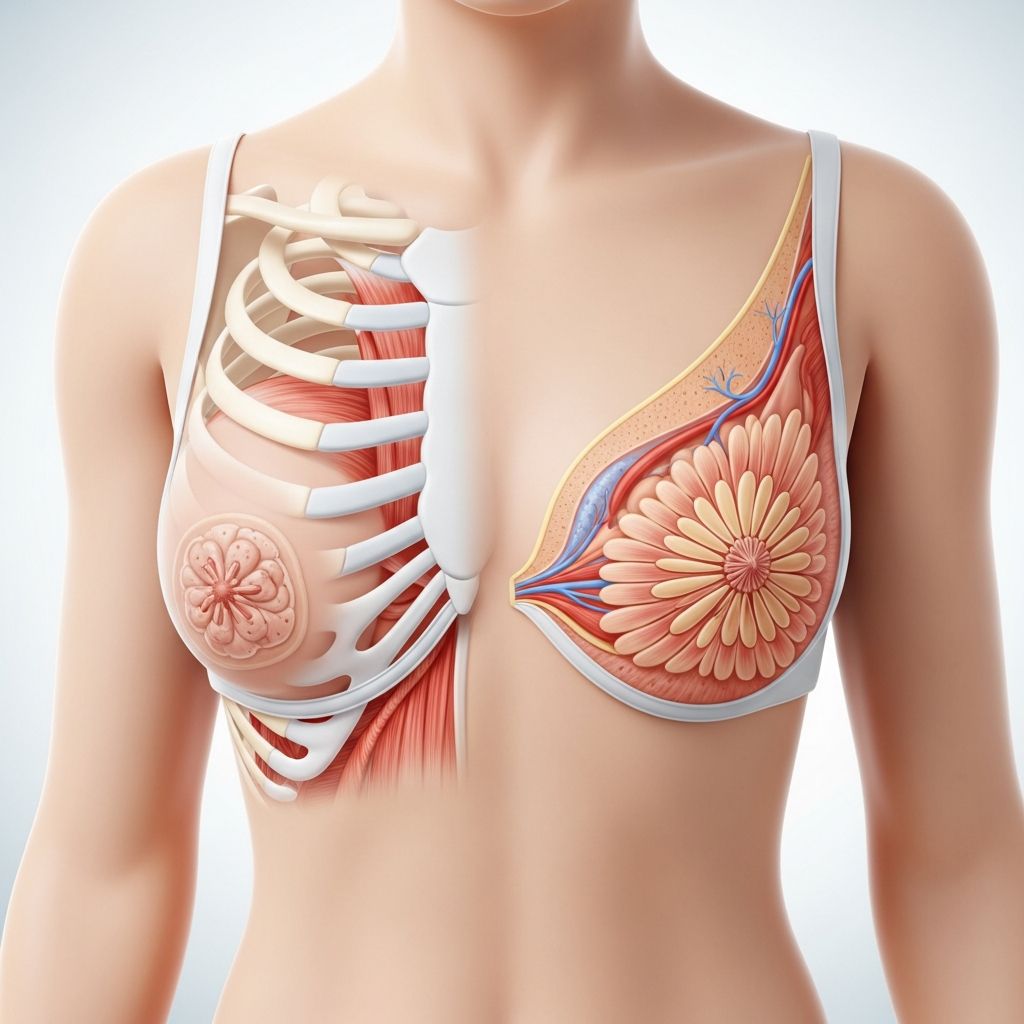
Understanding Normal Breast Development and Changes
Breast development is a natural and important part of growing up, and it’s a process that continues throughout a woman’s lifetime. Understanding what to expect during different life stages can help you feel more confident about the changes your body is experiencing. From the early signs of puberty to the transformations during pregnancy and menopause, breast development is influenced by hormones and varies significantly from person to person.
What Triggers Breast Development?
Breast development begins when hormonal changes occur in the body, primarily involving the hormone estrogen. When the hypothalamus, the hormone center of the brain, releases follicle-stimulating hormones and luteinizing hormones, these trigger the ovaries to start producing estrogen. This critical hormone plays a central role in breast development by causing fat to collect in the chest area. The process is complex and involves multiple hormonal signals that work together to stimulate growth and tissue development in the breast.
Stages of Breast Development During Puberty
Breast development typically begins between the ages of 8 and 13 years old, though this can vary. Experts use the Tanner stages, a sexual maturity rating scale developed by child development expert Professor James M. Tanner, to classify the visible stages of puberty. Understanding these five stages can help you recognize normal development and know what changes to expect.
The Five Tanner Stages of Breast Development
| Stage | Description |
|---|---|
| Stage 1 | The nipples are slightly raised, but fatty breast tissue has not yet developed. This stage is typically present at birth and early childhood. |
| Stage 2 | Breast buds begin to form as firm lumps under the nipple. The chest becomes raised, and the nipples may appear larger and darker in color. The areola, the darker skin around the nipple, may also enlarge. |
| Stage 3 | The internal milk-producing structures called lobes develop further, and the breasts continue to grow in size. The breast tissue becomes more prominent across the chest. |
| Stage 4 | The breasts continue to grow and may appear fuller. The nipples and areola may appear raised, forming a secondary mound above the breast tissue. |
| Stage 5 | The breasts reach their adult size and shape, though they continue to change throughout life. The nipple becomes the only part that is raised. Hormonal fluctuations during the menstrual cycle may cause changes in how the breasts feel and appear. |
Physical Signs of Breast Growth
As breast development begins, you may notice several physical changes before visible differences appear. One of the earliest signs is the formation of breast buds—firm lumps felt underneath the nipple. You might also experience tenderness or soreness in the breast area, and itchiness around the nipples and chest region. These sensations are completely normal and indicate that hormonal changes are triggering tissue growth.
The tenderness and soreness occur because the hormones estrogen and progesterone stimulate breast tissue growth, and as the surrounding skin stretches, discomfort may develop. Additionally, hormones change the fluid levels within breast tissue, making breasts more sensitive and potentially sore. It’s important to understand that these changes are temporary and expected as part of the normal developmental process.
Timeline of Breast Development
While breast development varies greatly among individuals, there is a general timeline to expect. Estrogen typically triggers fat collection in the chest area around age 10, though this can happen slightly earlier between ages 8 and 12. Breast buds tend to form approximately two years before a girl’s first menstrual period, which can help serve as an indicator that menstruation is approaching.
The complete development of breasts can take approximately four years from the initial breast bud stage. However, girls’ breasts are typically fully developed by age 17 or 18, with some continuing to develop into their early 20s. It’s important to remember that development timelines vary widely, and there is no single “normal” timeline.
Related Stories



Early and Delayed Development
While most girls begin breast development between ages 8 and 13, some experience earlier or later onset. Precocious puberty occurs when breast development begins before age 8. Conversely, delayed puberty is when development progresses more slowly, and breast buds haven’t appeared by age 13. If you’re concerned about the rate at which you’re developing, it’s important to speak with a trusted adult or healthcare provider who can evaluate your individual situation and provide appropriate guidance.
Breast Development and the Menstrual Cycle
Once menstruation begins, breast changes continue to occur as part of the monthly menstrual cycle. Hormonal fluctuations throughout the cycle affect breast tissue, causing changes in sensitivity, fullness, and appearance. Many people notice their breasts feel different during various phases of their cycle, becoming more tender or swollen before their period and returning to normal afterward. These cyclical changes are completely normal and reflect the body’s natural hormonal rhythms.
Breast Changes During Pregnancy
Pregnancy brings significant changes to the breast tissue as the body prepares for breastfeeding. As early as one to two weeks after conception, surging hormone levels can cause rapid swelling of the breasts, soreness along the sides, and nipple tingling or sensitivity. The body releases prolactin, a hormone that encourages the breasts to produce milk and causes noticeable changes in size and appearance.
By the end of the first month of pregnancy, breast development accelerates significantly. Estrogen triggers the growth of breast duct cells, while progesterone supports the formation and growth of milk-producing cells in the breast glands. By the fifth or sixth week of pregnancy, the milk-producing cells become active and capable of producing milk, and many women produce colostrum, the first form of breast milk. At this stage, women typically need larger bras to accommodate the growing breast size.
During the second trimester, the nipples and areola often become larger and darker. Small bumps called Montgomery’s glands appear on the areola and begin producing a moisturizing oil that helps protect against soreness and infection during breastfeeding. In the third trimester, breasts become even heavier and denser, with nipples becoming larger, darker, and more pronounced.
Breast Development During Breastfeeding
The breasts continue to change throughout the breastfeeding period as they actively produce and deliver milk to nourish an infant. Milk production is maintained through a continuous hormonal cycle that keeps the breasts engaged in their biological function. The size and fullness of breasts during breastfeeding may fluctuate depending on feeding schedules and milk production patterns.
Changes During Menopause and Beyond
As women approach and enter menopause, the body’s production of estrogen and progesterone decreases significantly. This hormonal shift can cause breast tissue to become less dense and may result in changes to breast size and shape. Some women experience breast tenderness or discomfort during this transition period. After menopause, breasts typically become softer and may appear less full due to the reduction in glandular tissue and fat redistribution.
Understanding Breast Lumps and Concerns
When breasts begin to grow, they may appear as lumps underneath the nipple, which is a completely normal part of the development process. During adolescence, most lumps are fibroadenomas or overgrowths of connective tissue in the breast. Teenage breast lumps are very rarely cancerous. However, it’s important for women of all ages to become familiar with their breasts so they can recognize any changes that occur. If you notice any concerning changes or have questions about lumps or other breast changes, consult with a healthcare provider for proper evaluation.
Variations in Breast Development
It’s crucial to understand that there is no single “normal” appearance for breasts. Breast development varies greatly among individuals in terms of size, shape, color, and symmetry. Breasts can grow, change shape, and vary in size throughout the teenage years. During different phases of the menstrual cycle, breasts may appear and feel different due to hormonal fluctuations. Embracing these natural variations and understanding that diversity in breast appearance is normal can help reduce self-consciousness and anxiety about body changes.
Choosing Your First Bra
As breast development begins, many young people wonder when and how to choose their first bra. A properly fitting bra should provide comfort and support without being too tight. It’s helpful to get fitted at a specialty lingerie store where trained professionals can ensure proper sizing. The right bra can help reduce discomfort during the tender stages of development and provide appropriate support as breasts grow.
When to Speak With a Healthcare Provider
While most breast development is normal and expected, there are situations when it’s appropriate to consult with a healthcare provider. If you experience extremely early development (before age 8), very delayed development (no breast buds by age 13), or if you have concerns about pain, lumps, or other changes, speaking with a doctor is recommended. Healthcare providers can evaluate individual situations and provide personalized guidance about what is normal for you.
Frequently Asked Questions About Breast Development
Q: Is it normal for breasts to hurt when they’re growing?
A: Yes, breast tenderness and soreness are very common during growth periods. This occurs because hormones stimulate tissue growth and stretch the surrounding skin. Additionally, hormones change fluid levels in breast tissue, increasing sensitivity. This discomfort is temporary and normal.
Q: What do breast buds feel like?
A: Breast buds are firm lumps that develop underneath the nipple and areola. They may feel like small, hard nodules and are typically tender to the touch. As development progresses, these buds gradually transform into fuller breast tissue.
Q: How long does it take for breasts to fully develop?
A: It typically takes about four years for breasts to fully develop from the initial breast bud stage. However, breasts are usually fully developed by ages 17 to 18, with some development continuing into the early 20s.
Q: Can breast development happen at different rates on each side?
A: Yes, it’s completely normal for one breast to develop slightly faster or larger than the other. Most people have some asymmetry in their breasts, and this is a normal variation. Any significant concerns should be discussed with a healthcare provider.
Q: Will my breasts continue to change after puberty?
A: Yes, breasts continue to change throughout a woman’s life due to hormonal cycles, pregnancy, breastfeeding, and menopause. These changes are completely normal and expected.
Q: What should I do if I’m worried about my breast development?
A: If you have concerns about how quickly or slowly you’re developing, speak with a trusted adult or your doctor. Healthcare providers can evaluate your individual situation and provide guidance about what’s normal for you.
References
- Breast Development: Stages and How to Spot Growth Signs — Flo Health. 2024. https://flo.health/menstrual-cycle/teens/your-body/breast-development-puberty
- Do Breasts Hurt When They Grow? Breast Development for Teens — Medical News Today. 2024. https://www.medicalnewstoday.com/articles/319270
- Healthy Breasts: A Guide to Caring for Your Breasts — HealthyWomen. 2024. https://www.healthywomen.org/created-with-support/healthy-breasts-guide-caring-for-your-breasts
Similar Articles








Read full bio of medha deb