Undefined Pooping A Lot: Normal Causes And When To Seek Care
Discover everyday factors causing more frequent bowel movements and when to worry about changes in your poop habits.
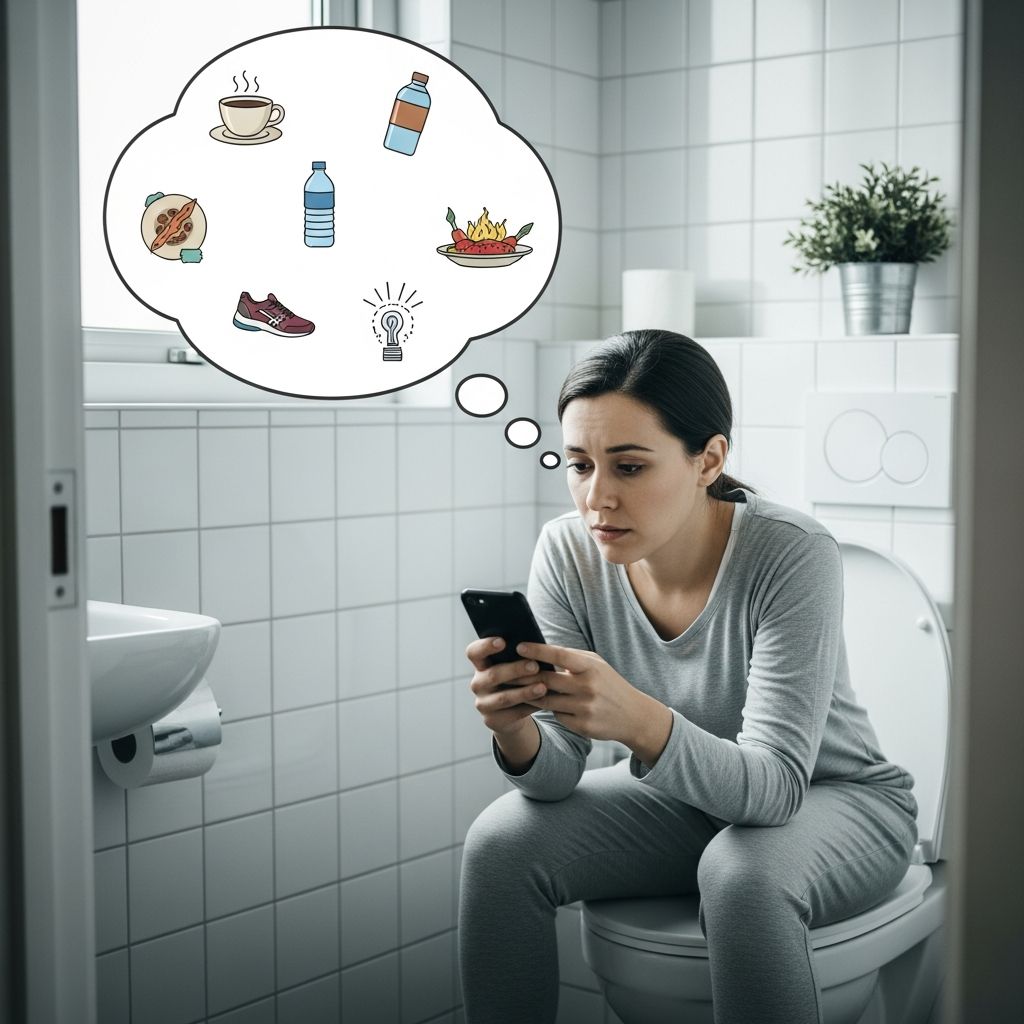
Frequent bowel movements, often described as pooping a lot, can feel alarming but are frequently benign and tied to everyday lifestyle factors. While there’s no universal “normal”—typically ranging from three times daily to three times weekly—sudden increases usually stem from dietary shifts, exercise, or stress rather than serious illness.
What Does ‘Pooping a Lot’ Mean?
Pooping a lot refers to more frequent defecation than your personal baseline, distinct from diarrhea which involves loose stools. Healthcare experts term this hyperdefecation or pseudodiarrhea. Factors like bowel transit speed influence this, affected by diet, activity, stress, and medications.
Understanding your normal pattern is key. If you’ve ramped up fiber intake or started exercising more, your body may respond with increased frequency as a sign of improved digestion. Tracking changes helps distinguish harmless shifts from potential concerns.
Common Benign Causes of Frequent Bowel Movements
Many everyday reasons explain why you’re heading to the bathroom more often. These are typically temporary and resolve with minor adjustments.
- Dietary Changes: High-fiber foods like fruits, vegetables, and whole grains speed up digestion. Sudden increases in fiber can lead to more frequent, bulkier stools as your gut adjusts.
- Caffeine and Coffee: Coffee stimulates colon contractions, prompting bowel movements shortly after consumption. This effect is common and not harmful.
- Artificial Sweeteners: Sorbitol and mannitol in sugar-free gums or drinks draw water into the intestines, accelerating transit and increasing frequency.
- Dairy Intake: For those with lactose sensitivity, milk products can cause quicker bowel movements without full-blown diarrhea.
- Magnesium Supplements: Often used for sleep or muscle relaxation, magnesium acts as a natural laxative by softening stools and promoting motility.
Exercise plays a major role too. Physical activity, especially cardio or core workouts, massages the intestines, enhancing peristalsis—the wave-like muscle contractions that move waste. Runners and gym enthusiasts often report “runner’s trots,” a normal response to increased blood flow to the gut.
Lifestyle Factors Boosting Bowel Frequency
Beyond diet, daily habits significantly impact poop patterns. Stress triggers the gut-brain axis, releasing hormones that speed digestion. Anxiety or high-pressure periods can lead to urgent, frequent trips to the toilet.
Recent antibiotic use disrupts gut microbiome balance, allowing bacteria that ferment food faster, resulting in more bowel movements. Hydration levels matter: ample water softens stools, making them pass easier and more often.
| Lifestyle Factor | How It Increases Frequency | Management Tip |
|---|---|---|
| Exercise | Stimulates intestinal motility | Start gradually; eat 2 hours pre-workout |
| Stress | Activates fight-or-flight gut response | Practice mindfulness or yoga |
| Antibiotics | Alters gut bacteria | Probiotics post-course (consult doctor) |
| High Water Intake | Softens and speeds stool transit | Balance with electrolytes if excessive |
When Frequent Pooping Might Signal More
While often normal, accompanying symptoms warrant attention. If frequent bowel movements pair with abdominal pain, blood in stool, weight loss, or fever, they could indicate conditions like irritable bowel syndrome (IBS), infections, or hyperthyroidism.
- IBS: Alternating constipation and diarrhea with urgency.
- Food Intolerances: Beyond dairy, gluten or FODMAPs can trigger rapid transit.
- Infections: Bacterial or viral gastroenteritis speeds motility temporarily.
- Medications: Laxatives, metformin, or NSAIDs may contribute.
Related Stories



Malabsorption issues like celiac disease prevent nutrient uptake, leading to loose, frequent stools. Hormonal shifts during menstruation or pregnancy also influence bowel habits due to progesterone fluctuations.
How to Track and Manage Frequent Bowel Movements
Monitor patterns with a food and symptom diary. Note timing, stool consistency (use Bristol Stool Scale: types 3-4 ideal), and triggers. Adjustments often suffice:
- Gradually increase fiber to avoid gas/bloating.
- Limit caffeine/artificial sweeteners if suspected.
- Stay consistent with meals to regulate circadian bowel rhythms.
For persistent issues, consult a provider. They may recommend stool tests, blood work, or colonoscopy to rule out underlying causes.
Normal vs. Concerning: Key Differences
| Normal Frequent Pooping | Concerning Signs |
|---|---|
| Stools firm, no pain | Loose/watery, pain/cramping |
| Tied to diet/exercise | Weight loss, blood/mucus |
| Resolves quickly | Lasts >2 weeks, night waking |
Frequently Asked Questions (FAQs)
Is pooping 4 times a day normal?
Yes, if it’s your baseline or due to fiber/exercise, and stools are formed. Averages vary; three times daily is common for many.
Does coffee make you poop more?
Absolutely—caffeine stimulates gastrocolic reflex, often within 30 minutes of drinking.
When should I see a doctor for frequent pooping?
If accompanied by pain, blood, dehydration, or lasting over two weeks. Sudden changes post-illness also merit check-up.
Can stress cause more bowel movements?
Yes, via gut-brain connection; cortisol speeds digestion. Relaxation techniques help normalize it.
Are fiber supplements causing my frequent poops?
Possibly—psyllium or inulin increase bulk and frequency. Start low, hydrate well.
Improving Gut Health for Balanced Bowel Movements
Probiotics from yogurt or kefir restore microbiome post-disruptors. Prebiotic foods like onions, garlic feed good bacteria. Aim for 25-30g fiber daily, balanced with protein/fats for steady transit.
Regular sleep and routines sync your body’s clock, optimizing digestion. If overweight, gradual loss reduces gut pressure, potentially normalizing frequency.
In summary, pooping a lot often reflects positive changes like healthier eating or activity. Listen to your body, tweak habits, and seek medical input for red flags to maintain optimal bowel health.
References
- Frequent Bowel Movements: Causes, Symptoms & Treatment — Cleveland Clinic. 2023. https://my.clevelandclinic.org/health/symptoms/17791-frequent-bowel-movements
- Bowel Transit Time — National Institute of Diabetes and Digestive and Kidney Diseases (NIDDK). 2024-06-15. https://www.niddk.nih.gov/health-information/digestive-diseases
- Gastrocolic Reflex and Diet — Mayo Clinic. 2025-01-10. https://www.mayoclinic.org/diseases-conditions/irritable-bowel-syndrome/symptoms-causes/syc-20360016
- Exercise and Gastrointestinal Function — American College of Gastroenterology. 2024. https://gi.org/topics/exercise-and-digestion/
Similar Articles








Read full bio of medha deb