Norovirus: Complete Guide To Symptoms, Causes, And Prevention
Understand norovirus symptoms, transmission, treatment, and prevention to protect yourself and others from this highly contagious stomach bug.
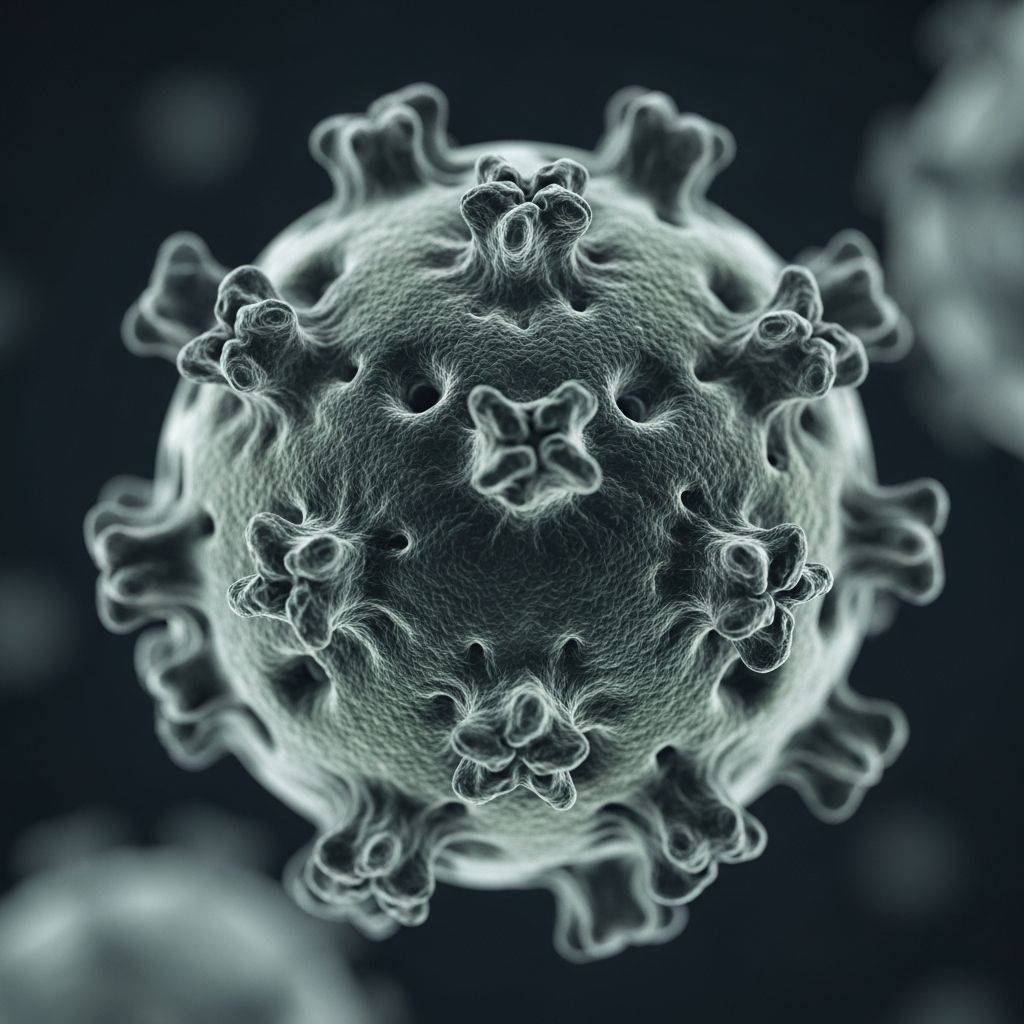
Norovirus is a highly contagious virus that causes acute gastroenteritis, commonly known as the stomach flu. It leads to sudden onset of vomiting, diarrhea, nausea, and stomach cramps, affecting people of all ages. Unlike true influenza, which impacts the respiratory system, norovirus targets the gastrointestinal tract. Outbreaks frequently occur in crowded settings such as schools, nursing homes, cruise ships, and hospitals.
What is norovirus?
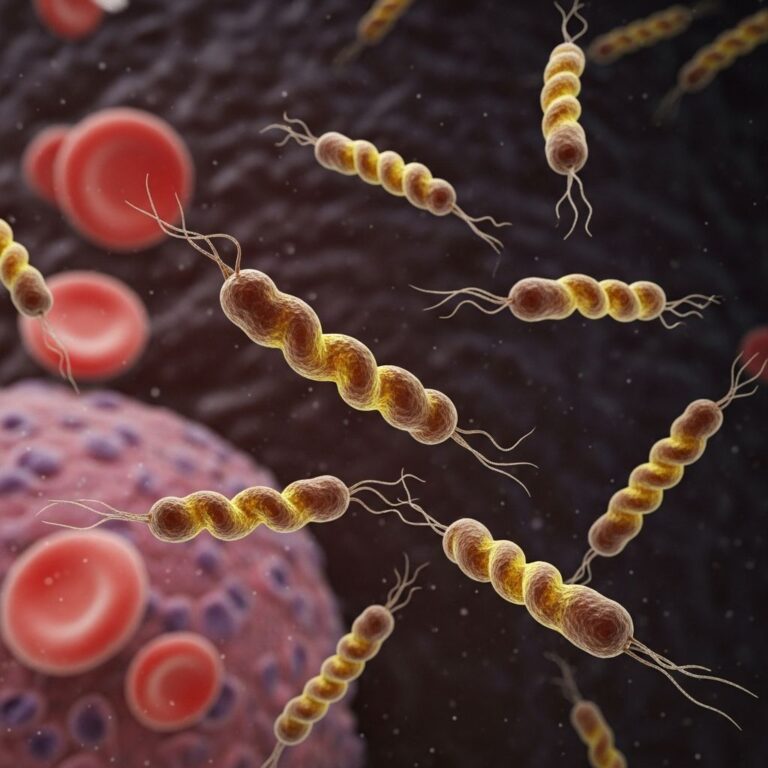
Norovirus belongs to a group of viruses that infect the gut, causing inflammation of the stomach and intestines (gastroenteritis). It is the leading cause of foodborne illness outbreaks in the United States, responsible for approximately 19 to 21 million cases annually. The virus is remarkably resilient, surviving on surfaces for days to weeks and resisting many common disinfectants.
There are multiple strains of norovirus, with new variants emerging periodically, which explains recurrent outbreaks. It spreads easily through fecal-oral route, making hygiene critical. Norovirus is not related to influenza viruses; the term ‘stomach flu’ is a misnomer.
Symptoms of norovirus
Symptoms typically appear 12 to 48 hours after exposure and last 1 to 3 days. Most people recover fully without medical intervention, but the illness can be intense.
- Diarrhea: Often watery and frequent.
- Vomiting: Sudden and explosive, more common in children.
- Nausea: Intense queasiness.
- Stomach pain or cramps: Severe abdominal discomfort.
- Mild fever: Low-grade temperature elevation.
- Headache: Common accompanying symptom.
- Body aches: General muscle soreness.
Adults may experience more diarrhea, while children vomit more frequently. Fatigue can persist beyond other symptoms.
Dehydration
Repeated vomiting and diarrhea lead to rapid fluid loss, risking dehydration—especially dangerous for infants, young children, older adults, and those with weakened immune systems. Dehydration occurs when the body loses more fluids than it takes in, impairing organ function.
Signs of dehydration in adults:
- Dry mouth and throat
- Decreased urination or dark urine
- Dizziness, especially when standing
- Rapid heartbeat
- Confusion or irritability
Signs in children:
- No tears when crying
- Unusual sleepiness or fussiness
- No wet diapers for 3+ hours
- Sunken eyes or fontanelle (soft spot on head)
Monitor closely; severe dehydration requires immediate medical attention.
Causes of norovirus
Norovirus spreads via the fecal-oral route. Key transmission methods include:
- Direct contact with infected individuals.
- Consuming contaminated food or water (e.g., salads, raw shellfish, undercooked produce).
- Touching contaminated surfaces (doorknobs, utensils) then touching the mouth.
- Aerosolized vomit particles during vomiting episodes.
A single infected person can shed billions of virus particles, requiring as few as 18 to infect others. Contaminated hands of food handlers cause many outbreaks. The virus persists in environments like cruise ships due to high person density.
How common is norovirus?
Norovirus accounts for 50% of gastroenteritis outbreaks worldwide. In the US, peaks occur November to April, with cruise ships reporting up to 11 outbreaks per season. Children under 5 and adults over 65 face higher complication risks. Globally, it causes substantial morbidity, particularly in low-resource settings.
Related Stories



Diagnosis
Diagnosis relies on clinical symptoms in most cases; stool testing via PCR confirms norovirus but is reserved for outbreaks or immunocompromised patients. Providers assess dehydration and rule out bacterial causes like Salmonella.
Treatment of norovirus
No antiviral drugs exist for norovirus; treatment is supportive, focusing on symptom relief and preventing complications. Recovery depends on immune response.
- Hydration: Drink small, frequent sips of oral rehydration solutions (ORS), clear fluids, or electrolyte drinks. Avoid caffeine, alcohol, and sugary sodas. Severe cases may need IV fluids.
- Diet: Rest the gut initially, then introduce bland BRAT diet (bananas, rice, applesauce, toast). Avoid dairy, fatty, spicy foods.
- Medications: OTC anti-diarrheals or anti-nausea meds for adults; avoid in children unless advised. Antibiotics are ineffective against viruses.
| Symptom | Management Strategy |
|---|---|
| Vomiting/Diarrhea | ORS, small sips every 15 min |
| Nausea | Ginger, crackers; rest |
| Pain/Fever | Acetaminophen (avoid aspirin in kids) |
| Dehydration | Monitor urine output; seek ER if severe |
When to see a doctor
Seek medical care if:
- Dehydration signs persist.
- Symptoms last >3 days or worsen.
- Inability to keep fluids down for 24 hours.
- High fever (>101.5°F/38.6°C), bloody stools, severe pain.
- Affected person is infant, elderly, or immunocompromised.
Preventing norovirus
Prevention hinges on hygiene:
- Wash hands with soap for 20+ seconds, especially after toilet use, diaper changes, before eating.
- Disinfect surfaces with bleach solution (1:10 dilution) or EPA-approved norovirus killers.
- Stay home 48 hours after symptoms resolve.
- Avoid preparing food for others while ill.
- Cook shellfish thoroughly; wash fruits/veggies.
In outbreaks, isolate cases and enhance cleaning.
Norovirus in children
Children dehydrate faster due to higher fluid needs relative to size. Watch for fewer wet diapers, lethargy. Use pediatric ORS; breastfeed if possible. Vomiting predominates in young kids.
Norovirus in pregnancy
Pregnant women face dehydration risks affecting fetal health. Similar treatment applies; consult OB promptly.
Frequently Asked Questions
Can antibiotics treat norovirus?
No, antibiotics target bacteria, not viruses. They may worsen diarrhea by disrupting gut flora.
How long is norovirus contagious?
From symptom onset until 2 weeks post-recovery; stool shedding peaks early.
How to clean after norovirus?
Use bleach (5-25 tbsp/gallon water), hot water laundry, handwash post-cleaning.
Is norovirus the same as stomach flu?
Yes, colloquially, but it’s viral gastroenteritis, not influenza.
Does alcohol hand sanitizer work?
Limited; soap and water are superior for removing the virus.
Further reading
- Gastroenteritis in adults
- Diarrhea
- Rehydration therapy for gastroenteritis
References
- About Norovirus — Centers for Disease Control and Prevention (CDC). 2023. https://www.cdc.gov/norovirus/about/index.html
- Norovirus infection – Diagnosis & treatment — Mayo Clinic. 2024-05-10. https://www.mayoclinic.org/diseases-conditions/norovirus/diagnosis-treatment/drc-20355302
- Norovirus: Symptoms, Causes & Treatment — Cleveland Clinic. 2024. https://my.clevelandclinic.org/health/diseases/17703-norovirus
- Norovirus: Symptoms, Prevention & Treatment Tips — Tufts Medicine. 2024. https://www.tuftsmedicine.org/about-us/news/norovirus-making-rounds-tips-prevention-symptoms-treatment
- Norovirus — California Department of Public Health (CDPH). 2024. https://www.cdph.ca.gov/Programs/CID/DCDC/Pages/Norovirus.aspx
Similar Articles








Read full bio of medha deb