Not All UV Rays Stay Outside: Window Film Protection
Discover how UV window film blocks over 99% of harmful rays penetrating glass, safeguarding skin and interiors from sun damage indoors.
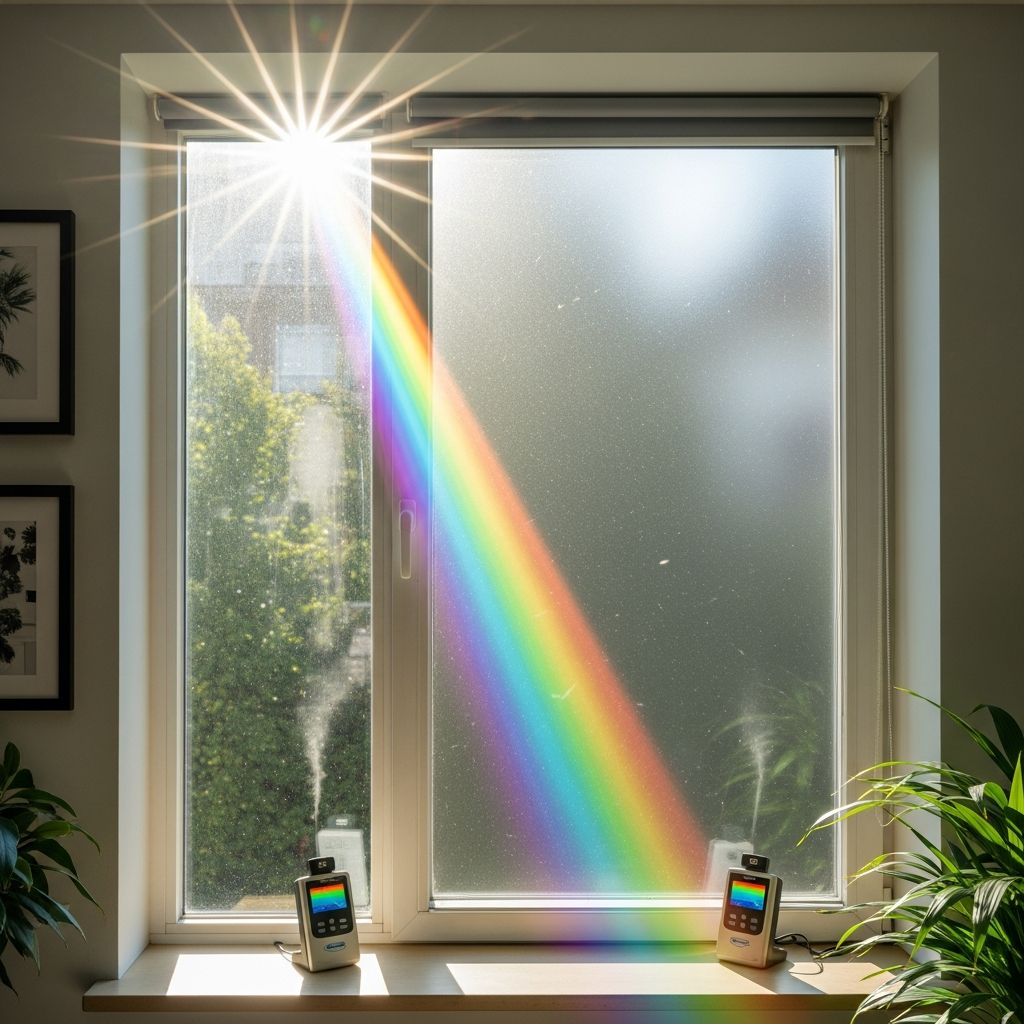
Many people believe that staying indoors or in a car shields them from the sun’s harmful ultraviolet (UV) rays. However, this is a dangerous misconception. UVA rays, responsible for skin aging and cancer, penetrate standard window glass with ease, putting you at risk even behind glass barriers. Specialized UV window film offers a simple, effective solution, blocking over 99% of UV radiation while allowing natural light.
The Invisible Threat: UVA Rays Through Windows
Ultraviolet radiation from the sun consists of UVA, UVB, and UVC rays. UVB rays, which cause sunburns, are mostly blocked by glass, but UVA rays—comprising 95% of UV reaching Earth—pass through windows unimpeded. Single-pane clear glass allows 50-75% of UVA to enter, while insulated glass units (IGUs) in homes and offices block only 25-50%. This means substantial UVA exposure occurs indoors near windows or during drives.
Sitting by a sunny window or commuting daily exposes skin to cumulative damage equivalent to outdoor exposure. The Skin Cancer Foundation notes that UVA penetrates deeply, contributing to skin cancer and premature aging without the telltale burn. Tinted or low-emissivity (Low-E) glass provides partial protection but rarely exceeds 70-80% UVA blockage, leaving interiors vulnerable.
- UVA Impact on Skin: Causes DNA damage, wrinkles, and melanoma risk.
- Indoor Risks: Offices, homes, and cars amplify exposure for desk workers and drivers.
- Glass Limitations: Standard windows trap heat while letting UV through.
Why Standard Windows Fall Short
Clear glass evolved for visibility and light, not UV defense. UVB (280-315 nm) is largely absorbed, but UVA (315-400 nm) sails through, accelerating fading in fabrics, flooring, and artwork. Infrared rays add heat, straining AC systems. Standard tints reduce some UV incidentally but inconsistently, often prioritizing aesthetics over protection.
Insulated glass improves energy efficiency but not UV blocking significantly. A PubMed study on photoprotection confirms shade and basic glass inadequately shield against UVA, advocating advanced films. Without intervention, interiors degrade: colors fade via photodegradation, materials brittle, and skin suffers silently.
| Glass Type | UVA Blockage | Additional Benefits |
|---|---|---|
| Single-Pane Clear | 25-50% | None |
| Insulated (IGU) | 50-75% | Some heat reduction |
| Tinted Glass | 20-30% | Glare/heat control |
| UV Window Film | 99%+ | UV, heat, glare block |
This table illustrates the gap: films outperform glass by orders of magnitude.
UV Window Film: Your Shield Against Invisible Rays
UV window film is a thin, durable laminate applied to interior glass surfaces. It uses multi-layer technology—PET base, UV absorbers (benzophenones/triazines), and optional ceramic/metal layers—to reject 99-99.9% of UVA/UVB. Unlike tints, it targets UV precisely without darkening rooms excessively.
The Skin Cancer Foundation endorses films blocking 99% UV for homes, offices, and vehicles as part of sun protection strategies. Advanced options like 3M Sun Control or ceramic films also cut solar heat gain (SHGC) and glare, enhancing comfort.
- Technology: Nanotechnology filters harmful wavelengths, preserves visible light (400-700 nm).
- Durability: Scratch-resistant, warrantied 10-20 years.
- Applications: Residential, commercial, automotive.
Related Stories



Benefits Beyond Skin Protection
Preserve Your Interiors
UV causes 90% of fading in upholstery, carpets, and art. Films extend asset life, saving thousands in replacements. Museums use 100% UV/IR films to protect priceless works without altering views. Retail displays stay vibrant, boosting sales.
Energy Savings and Comfort
Films reject total solar energy (TSER up to 60%), lowering cooling costs 20-30%. Reduced glare improves TV/computer use; stable temperatures enhance livability. Energy Star-certified options qualify for rebates.
Skin Cancer Prevention
Block 99% UV cuts indoor exposure, vital for high-risk groups. Pair with sunscreen, clothing for comprehensive defense.
| Performance Metric | Typical Film Value | Benefit |
|---|---|---|
| UV Rejection | 99-99.9% | Skin/assets protection |
| TSER | 40-60% | Heat block/energy save |
| SHGC | 0.3-0.5 | Cooling efficiency |
| VLT | 35-70% | Natural light retention |
| Glare Reduction | 50-80% | Eye comfort |
Choosing the Right UV Window Film
Select based on needs: 99% UV for homes/offices; 100% UV+IR for galleries. Consider VLT for light preferences—higher for views, lower for heat. Professional installation ensures bubble-free adhesion. Automotive films add privacy/safety.
- Residential: Fading prevention, AC savings.
- Commercial: Merchandise protection, employee health.
- Museums: Artifact preservation.
- Cars: Driver/passenger skin safety.
Consult certified installers; verify NFRC ratings for performance.
Frequently Asked Questions (FAQs)
Do windows block UV rays?
Standard glass blocks most UVB but only 25-75% UVA. UV films block 99%+.
Is window film effective for skin protection?
Yes, endorsed by Skin Cancer Foundation; blocks UVA penetrating glass, reducing cancer risk.
Does window film darken rooms?
Options from clear (70% VLT) to tinted (35% VLT) allow customization.
How long does UV window film last?
10-20 years with warranties; durable PET construction.
Can I install window film myself?
DIY kits exist, but pros ensure optimal performance/adhesion.
Does it save energy?
Yes, reduces heat gain, cuts bills; Energy Star options available.
Take Action: Install UV Window Film Today
Don’t let invisible UVA rays undermine your sun safety. UV window film transforms vulnerable glass into a barrier, protecting skin, possessions, and wallets. Contact professionals for a free assessment—your health and home deserve it.
References
- The Illusion of Safety: Do Windows Have UV Protection by Default? — Window Film Depot. 2023. https://www.windowfilmdepot.com/blog/do-windows-have-uv-protection/
- UV Blocking Window Film: How It Works and Its Efficiency — Solar Screen. 2024. https://solarscreen.eu/en/blog/how-uv-window-film-works/
- Use of UV-protective windows and window films to aid in photoprotection — PubMed (NCBI). 2004-10-01. https://pubmed.ncbi.nlm.nih.gov/15479155/
- UV Window Film & Tint — Skin Cancer Foundation. 2025. https://www.skincancer.org/skin-cancer-prevention/sun-protection/uv-window-film/
- How Sun Blocking Window Film Can Save Your Summer — Window Film. 2024. https://windowfilm.com/sun-blocking-window-film/
Similar Articles








Read full bio of medha deb