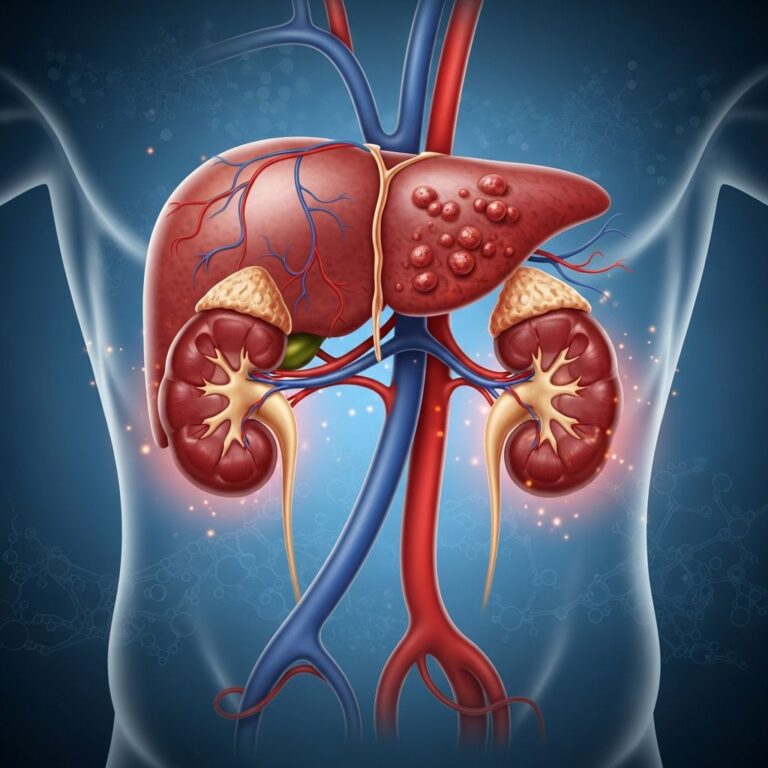
It’s Not a Pink Viagra: Understanding Flibanserin
Why flibanserin (Addyi) is fundamentally different from male ED drugs and what women should know.

It’s Not a Pink Viagra: Understanding Flibanserin and Why the Comparison Misses the Mark
When the FDA approved flibanserin (marketed as Addyi) in August 2015, media outlets and drug manufacturers alike rushed to describe it as the long-awaited “pink Viagra” for women. The comparison seemed logical on the surface: just as Viagra revolutionized treatment for male erectile dysfunction, Addyi would offer women a pharmaceutical solution to low sexual desire. However, this characterization fundamentally misrepresents how flibanserin works, what it does, and how it differs from male sexual dysfunction medications. Understanding these critical distinctions is essential for women considering this medication and for the broader conversation about treating sexual dysfunction across genders.
The Mechanism: How Flibanserin Actually Works
The most important distinction between flibanserin and Viagra lies in their mechanisms of action. Viagra and similar erectile dysfunction medications like Cialis work through a straightforward physiological pathway: they increase blood flow to the penis, enabling an erection. This is a localized, physical response that directly addresses the primary problem in erectile dysfunction.
Flibanserin operates through an entirely different system. It is a serotonergic drug, meaning it affects serotonin signaling in the brain. Rather than working on blood vessels or local genital tissues, flibanserin attempts to modulate neurotransmitter activity in the central nervous system to influence desire and arousal at a neurological level. Specifically, flibanserin acts as an agonist at serotonin 1A receptors while also blocking serotonin 2A receptors. This complex neurochemical action is fundamentally different from the vascular mechanism of erectile dysfunction drugs.
This distinction matters enormously because the brain mechanisms underlying female sexual desire remain incompletely understood. Unlike erectile dysfunction, where the physiological problem is clear and localized, low sexual desire involves complex interactions between neurotransmitters, hormones, psychological factors, emotions, relationship dynamics, and overall health status. Flibanserin’s attempt to address this through serotonergic pathways represents a fundamentally different—and far more complicated—approach than simple vasodilation.
The Clinical Evidence: What the Trials Actually Showed
Understanding flibanserin’s actual effectiveness requires examining the clinical trial data objectively. The results, by any standard measure, are modest at best. When women took flibanserin daily in clinical trials, they experienced a median increase of only one additional “sexually satisfying event” per month compared to placebo. To put this in perspective: if a woman on placebo experienced two such events monthly, she might experience three on flibanserin. This represents approximately a 50 percent improvement, but the absolute number remains small.
The term “sexually satisfying event” itself warrants scrutiny. This industry-defined metric casts a wide net, encompassing not just sexual intercourse but also masturbation and even romantic thoughts or sexual fantasies. This broad definition makes the already modest improvement appear somewhat more substantial than it might otherwise seem.
Perhaps most concerning, clinical trials revealed that flibanserin carries notable side effects. Women reported dizziness, drowsiness, and nausea. The drug also carries a black-box warning—the FDA’s most serious warning category—due to a dangerous interaction with alcohol. When combined with alcohol, flibanserin can cause significant drops in blood pressure and loss of consciousness. This is not a minor concern for a drug meant to enhance sexual experience, given that alcohol is commonly consumed in social and intimate settings.
Related Stories



The History: From Failed Antidepressant to Sexual Desire Drug
Flibanserin’s journey to market reveals uncomfortable truths about pharmaceutical development and disease classification. The drug was not originally developed as a sexual dysfunction treatment. Rather, it entered clinical trials as an antidepressant in the late 1990s and early 2000s. In these trials, it failed to demonstrate efficacy for depression—not once, but three times. The drug was rejected in successive trials and appeared destined for abandonment.
However, Sprout Pharmaceuticals (the company that acquired development rights) noticed something unexpected: some women in the antidepressant trials reported increased sexual desire as a side effect. Rather than viewing a failed antidepressant as a commercial loss, Sprout pivoted dramatically. The company repositioned the same drug—with the same neurochemical mechanism—as a treatment for Hypoactive Sexual Desire Disorder (HSDD).
Notably, when flibanserin was initially studied as an antidepressant, decreased libido was documented as a potential adverse effect in submissions to the FDA. The irony is striking: the same drug that appeared to reduce sexual desire in some participants was later rebranded as enhancing sexual desire in others. This raises serious questions about how pharmaceutical companies frame and market medications based on selective interpretation of data.
The Disease Classification Controversy: Creating a Market for a Drug
A critical element in flibanserin’s approval involved the diagnostic criteria used to justify its existence. The condition flibanserin was meant to treat evolved as the drug development progressed. Initially targeting Hypoactive Sexual Desire Disorder (HSDD)—a diagnosis from the DSM-IV—Sprout later shifted focus to Female Sexual Interest/Arousal Disorder (FSI/AD), a newly created diagnosis in the DSM-5.
This raises an important question: was the condition identified as something women suffer from, and then a treatment developed? Or was a pharmaceutical product developed first, requiring a disease definition to justify its approval? The evidence suggests the latter scenario occurred. Critics have documented that HSDD and FSI/AD represent classic examples of “disease mongering”—creating or expanding diagnostic categories primarily to justify pharmaceutical treatment. Even the former president of the American Psychiatric Association acknowledged that “the flexible boundaries of many psychiatric diagnostic categories, in the absence of definitive diagnostic tests, may encourage expansive definitions of affected populations.”
The distinction matters because it affects how women understand their sexual health. If low sexual desire is simply part of normal human experience—influenced by stress, relationship quality, health, medications, and countless other factors—then medicalizing it as a disease requiring daily medication represents a significant shift in how we conceptualize sexuality. If, conversely, a genuine pathological condition existed awaiting treatment, then pharmaceutical intervention becomes justified.
The Marketing Campaign: “Even the Score” and Manufactured Advocacy
Sprout Pharmaceuticals launched an aggressive marketing campaign called “Even the Score” to build support for flibanserin’s approval. The campaign’s central message claimed that the FDA had created a gender bias by approving 26 treatments for male sexual dysfunction while approving zero for women. This framing positioned flibanserin approval as a matter of gender equity and women’s rights.
However, this claim contained significant inaccuracies. There are actually only 8 FDA-approved drugs specifically for male sexual dysfunction, not 26. Furthermore, there are FDA-approved treatments for female sexual dysfunction, including vaginal lubricants and other interventions for sexual pain and arousal disorders. The “zero for women” claim simply was not factually correct.
More troubling, investigations revealed that the ostensibly grassroots “Even the Score” campaign was actually funded and orchestrated by Sprout Pharmaceuticals. Well-intentioned women’s advocacy groups, health organizations, and feminist leaders were encouraged to participate in the campaign, often without full awareness that a pharmaceutical company was funding and directing their advocacy efforts. As researchers published in the Journal of Medical Ethics noted, the campaign was “cleverly disguised as a campaign to empower women” but based on “deceitful and inaccurate information.”
This manufactured advocacy proved remarkably effective. The campaign created political and social pressure on the FDA, framing opposition to flibanserin approval as sexist. The FDA ultimately approved flibanserin in August 2015 over the recommendations of its own internal scientific reviewers. The approval process represented a significant departure from normal FDA procedure and reflected concerning trends in how patient advocacy—whether genuine or manufactured—influences drug approval decisions.
Key Differences: Flibanserin vs. Male ED Medications
| Characteristic | Flibanserin (Addyi) | Viagra and Similar ED Drugs |
|---|---|---|
| Mechanism of Action | Serotonin receptor agonist/antagonist in the brain | Phosphodiesterase-5 inhibitor; increases blood flow |
| Site of Action | Central nervous system (brain) | Local vascular tissue (penis) |
| Dosing | Daily pill | As-needed before sexual activity |
| Time to Effect | Weeks to months of daily use | 30-60 minutes after taking |
| Efficacy | One additional “satisfying event” per month vs. placebo | Enables erection in 70-80% of men with ED |
| Alcohol Interaction | Dangerous; can cause severe hypotension and unconsciousness | Mild; generally advised to minimize |
| Side Effects | Dizziness, drowsiness, nausea; black-box warning | Headache, flushing; generally mild |
Long-Term Use Concerns: The Unknown Factors
An important consideration often overlooked in discussions of flibanserin involves the effects of long-term daily use. Flibanserin is intended as a chronic medication, taken every day indefinitely. However, little is known about what daily serotonergic modulation might produce over months and years.
This concern is informed by experience with SSRIs (selective serotonin reuptake inhibitors), the most commonly prescribed class of antidepressants. SSRIs, like flibanserin, enhance serotonin signaling in the brain. However, some people taking SSRIs experience sexual dysfunction—including decreased libido, difficulty with arousal, and difficulty achieving orgasm. In some cases, these effects persist even after discontinuing the medication.
Whether flibanserin might produce similar long-term effects remains uncertain. The clinical trials were not designed to detect such effects developing over years of continuous use. The fact that flibanserin showed decreased libido as a side effect when studied as an antidepressant adds additional uncertainty about its long-term effects on sexuality.
Patient Safety Considerations
Women considering flibanserin should understand several important safety considerations:
- Black-Box Warning: The FDA has assigned flibanserin its most serious warning category due to risks of dizziness, fainting, and severe drops in blood pressure when combined with alcohol. Women must strictly avoid alcohol while taking this medication.
- Modest Efficacy: The medication produces a statistically significant but clinically modest improvement over placebo—adding approximately one “satisfying event” monthly. Whether this justifies daily medication indefinitely is a personal decision each woman must make with her healthcare provider.
- Side Effects: Common side effects include dizziness, drowsiness, and nausea. These effects may impact women’s ability to work, drive, or function safely.
- Long-Term Unknown Effects: The long-term effects of chronic daily use remain incompletely characterized. Women should discuss with their doctors what is known and unknown about extended use.
Frequently Asked Questions
Q: Is flibanserin the same as Viagra?
A: No. Viagra works by increasing blood flow to enable physical erection, while flibanserin affects brain chemistry to influence desire. They operate through completely different mechanisms and cannot be considered equivalent treatments.
Q: Does flibanserin work for everyone?
A: No. Clinical trials showed that flibanserin produces only a modest improvement over placebo in some women. Many women experience no benefit, and some may experience side effects without benefit.
Q: Can I drink alcohol while taking flibanserin?
A: No. Flibanserin carries a black-box warning for alcohol interaction, which can cause dangerous drops in blood pressure and loss of consciousness. Alcohol must be avoided.
Q: How long does flibanserin take to work?
A: Unlike Viagra, which works in 30-60 minutes, flibanserin requires weeks to months of daily use before any effects become apparent.
Q: Are there alternatives to flibanserin for low sexual desire?
A: Yes. Research demonstrates that cognitive-behavioral therapy (CBT) can improve sexual desire and arousal. Additionally, addressing underlying factors—stress, relationship quality, medical conditions, medications—may improve sexual function without pharmaceutical intervention.
The Broader Implications: Rethinking Sexual Health
The flibanserin story raises important questions about how pharmaceutical companies, regulatory agencies, and medical professionals approach sexual health. Rather than viewing modest improvements in desire as justifying daily medication with potential side effects and unknown long-term consequences, a more comprehensive approach might address the multiple factors influencing sexual satisfaction: relationship quality, overall health, stress management, communication, and psychological well-being.
For many women, low sexual desire reflects normal responses to life circumstances rather than a disease requiring treatment. Distinguishing between pathological conditions warranting medication and normal human variation remains essential. Using the marketing phrase “pink Viagra” obscures rather than clarifies these important distinctions.
Women deserve access to accurate information about pharmaceutical options. This includes honest assessment of efficacy, side effects, alternatives, and the distinction between medications affecting different physiological systems through different mechanisms. Flibanserin may provide benefit for some women, but describing it as equivalent to male erectile dysfunction drugs fundamentally misrepresents what the drug does and how it compares to other treatment approaches.
References
- Flibanserin: The Female Viagra is a Failed Me-too Antidepressant — Mad in America. 2015-08-21. https://www.madinamerica.com/2015/08/flibanserin-the-female-viagra-is-a-failed-me-too-antidepressant/
- The ‘Grassroots Campaign’ for ‘Female Viagra’ Was Actually Funded by the Manufacturer — Center for Research on Globalization. 2015-09-14. https://www.center4research.org/grassroots-campaign-female-viagra-actually-funded-manufacturer/
- Addyi: The Morning After Pill — MedShadow Foundation. https://medshadow.org/addyi-the-morning-after/
- Female Sexual Desire, Arousal, and Orgasmic Dysfunctions: A Systematic Review of Treatment with Psychotherapy — PubMed. U.S. National Library of Medicine. https://pubmed.ncbi.nlm.nih.gov/40543759/
Similar Articles








Read full bio of medha deb