NSAID Risks: 5 Safer Strategies To Reduce Harm
Discover the hidden dangers of common pain relievers like ibuprofen and naproxen, and learn how to protect your health from serious side effects.
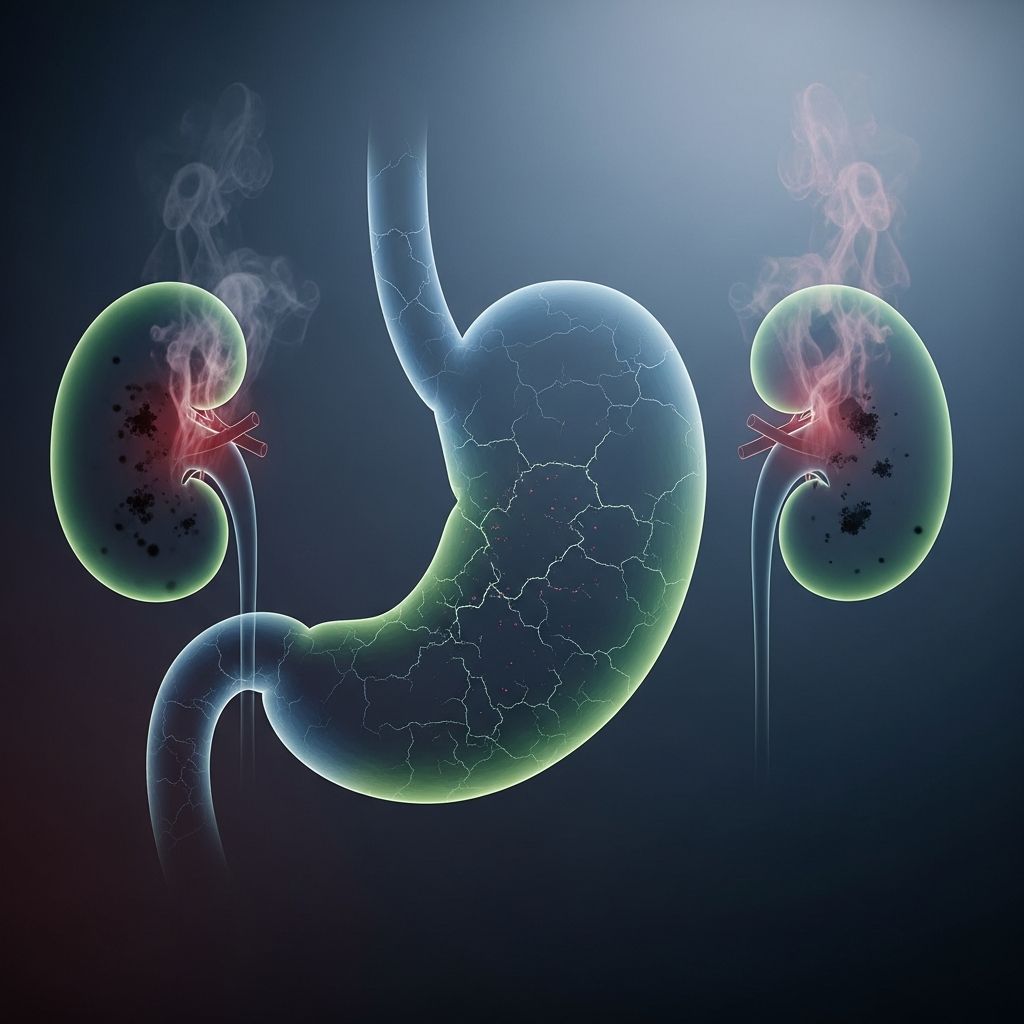
Nonsteroidal anti-inflammatory drugs, commonly known as NSAIDs, are widely used for relieving pain, reducing inflammation, and lowering fever. Medications like ibuprofen, naproxen, and diclofenac are staples in many medicine cabinets. However, these drugs carry significant health risks that can affect the heart, stomach, kidneys, and more. Understanding these dangers is crucial for safe use, especially since risks can emerge quickly, sometimes within the first week of treatment.
Understanding How NSAIDs Work and Why They Pose Risks
NSAIDs work by inhibiting cyclooxygenase (COX) enzymes, which reduce prostaglandin production. Prostaglandins play roles in inflammation, pain, and protecting organs like the stomach lining and kidneys. By blocking these, NSAIDs effectively combat symptoms but disrupt natural protective mechanisms.
There are two main types: non-selective NSAIDs (affecting both COX-1 and COX-2) and COX-2 selective inhibitors. Non-selective ones more commonly cause gastrointestinal issues, while COX-2 inhibitors heighten cardiovascular concerns. All types elevate risks from the outset of use.
Cardiovascular Dangers: Heart Attacks and Strokes
One of the most alarming risks is the increased chance of heart attacks (myocardial infarction) and strokes. The FDA warns that non-aspirin NSAIDs raise this risk, which can occur as early as the first weeks and grows with prolonged or higher-dose use.
Studies show relative risk increases from 10% to 50% or more, varying by drug and dose. Patients with pre-existing heart conditions face higher absolute risks due to their baseline vulnerability. Even healthy individuals see elevated relative risks.
Naproxen may carry a slightly lower cardiovascular risk compared to others, but evidence is not definitive due to study limitations like varying patient factors and doses. All NSAIDs can interfere with aspirin’s cardioprotective effects by blocking its action on platelets.
| NSAID Type | Cardiovascular Risk Level | Key Notes |
|---|---|---|
| Non-selective (e.g., ibuprofen) | Moderate to High | Dose-dependent; early onset |
| COX-2 selective (e.g., celecoxib) | High | Consistent in trials |
| Naproxen | Potentially Lower | Observational data limitations |
Gastrointestinal Complications: Bleeding and Ulcers
NSAIDs are notorious for gastrointestinal (GI) harm. They erode the stomach’s protective mucus layer, leading to ulcers, bleeding, and perforation. Risks start on day one and are fourfold higher with non-selective NSAIDs, threefold with COX-2 inhibitors.
Complications are deadlier in NSAID users, with 21% mortality from GI bleeds versus 7% in non-users. Common interactions amplify this: corticosteroids (12-fold risk), spironolactone (11-fold), and SSRIs (7-fold).
Symptoms include indigestion, nausea, abdominal pain, and black stools indicating bleeding. Older adults are particularly susceptible due to higher baseline risks.
Kidney and Blood Pressure Concerns
NSAIDs impair kidney function by reducing prostaglandins that maintain blood flow. This can cause acute kidney injury, especially in dehydrated individuals or those with pre-existing issues.
They also promote fluid retention, raising blood pressure and worsening heart failure risks. Long-term use heightens chronic kidney disease progression.
- High-risk groups: Elderly, diabetics, hypertensives
- Symptoms: Swelling, reduced urine output, fatigue
- Prevention: Stay hydrated, monitor blood pressure
Related Stories



Who Should Steer Clear of NSAIDs?
Certain populations face amplified dangers and should avoid NSAIDs or use them only under strict medical supervision.
- Individuals with heart disease or stroke history
- Those with kidney impairment
- People with active or past stomach ulcers/bleeding
- Pregnant women, especially in third trimester
- Older adults (over 65)
- Users of blood thinners, corticosteroids, or SSRIs
Pregnancy risks include fetal heart and kidney issues; NSAIDs are contraindicated late-term. Elderly patients have compounded risks across all systems.
Common and Rare Side Effects Overview
While serious effects grab headlines, everyday issues affect many users.
| Category | Common Effects | Serious Effects |
|---|---|---|
| Gastrointestinal | Heartburn, nausea, diarrhea | Ulcers, bleeding, perforation |
| Cardiovascular | High blood pressure | Heart attack, stroke |
| Renal | Fluid retention | Kidney failure |
| Other | Rash, dizziness, headache | Allergic reactions, liver issues |
Rare but severe: anaphylaxis, skin reactions like Stevens-Johnson syndrome.
Safer Strategies for Using NSAIDs
To minimize harms, follow these evidence-based tips:
- Use the lowest effective dose for the shortest time.
- Take with food or antacids to protect the stomach.
- Consider gastroprotective drugs like PPIs for at-risk patients.
- Monitor for warning signs: chest pain, black stools, swelling.
- Opt for alternatives like acetaminophen for mild pain (though it lacks anti-inflammatory benefits).
Always read labels and consult pharmacists or doctors, especially with other medications.
Alternatives to NSAIDs for Pain Management
When NSAIDs are risky, consider:
- Acetaminophen (paracetamol): Safer for stomach and heart, but liver-toxic in excess.
- Topical NSAIDs: Gels/creams for localized pain with lower systemic absorption.
- Non-drug options: Physical therapy, heat/ice, exercise.
- Prescription alternatives: Opioids (short-term), gabapentinoids for nerve pain.
Combining therapies often provides better relief with fewer risks.
Special Considerations for Chronic Conditions
For arthritis or ongoing pain, rheumatologists recommend balancing benefits against risks. Regular monitoring, dose adjustments, and switching drugs may be needed. Patients on low-dose aspirin for heart protection should time NSAID doses carefully to avoid interference.
FAQs
Can I take NSAIDs occasionally for headaches?
Short-term, low-dose use is generally safe for healthy adults, but consult a doctor if you have risk factors.
Are all NSAIDs equally risky?
Risks vary; naproxen may be slightly safer for the heart, but all carry GI and other dangers.
What if I experience stomach pain on NSAIDs?
Stop immediately and seek medical advice; it could signal bleeding or ulcers.
Are OTC NSAIDs safer than prescription ones?
No, risks are similar; higher OTC doses amplify dangers.
Can I drink alcohol while taking NSAIDs?
Avoid it; both irritate the stomach and raise bleeding risk.
Empowering Safe Pain Relief Choices
NSAIDs offer quick relief but demand caution. By recognizing risks, identifying personal vulnerabilities, and adopting protective habits, users can mitigate harms. Prioritize professional guidance for personalized plans, ensuring pain management enhances rather than endangers health.
References
- FDA Drug Safety Communication: FDA strengthens warning that non-aspirin nonsteroidal anti-inflammatory drugs (NSAIDs) can cause heart attacks or strokes — U.S. Food and Drug Administration. 2015-10-09. https://www.fda.gov/drugs/drug-safety-and-availability/fda-drug-safety-communication-fda-strengthens-warning-non-aspirin-nonsteroidal-anti-inflammatory
- NSAIDs (nonsteroidal anti-inflammatory drugs) — American College of Rheumatology. 2023. https://rheumatology.org/patients/nsaids-nonsteroidal-anti-inflammatory-drugs
- The dangers of NSAIDs: look both ways — PMC (National Library of Medicine). 2016-02-29. https://pmc.ncbi.nlm.nih.gov/articles/PMC4809680/
- Who Should Not Take NSAIDs? 9 Times You Should Avoid NSAIDs — GoodRx Health. 2024. https://www.goodrx.com/classes/nsaids/who-should-not-take
- NSAIDs — NHS. 2023-11-21. https://www.nhs.uk/medicines/nsaids/
Similar Articles








Read full bio of Sneha Tete