NSAIDs and Skin Side Effects: A Clinical Guide
Comprehensive overview of cutaneous reactions caused by NSAIDs and management strategies.
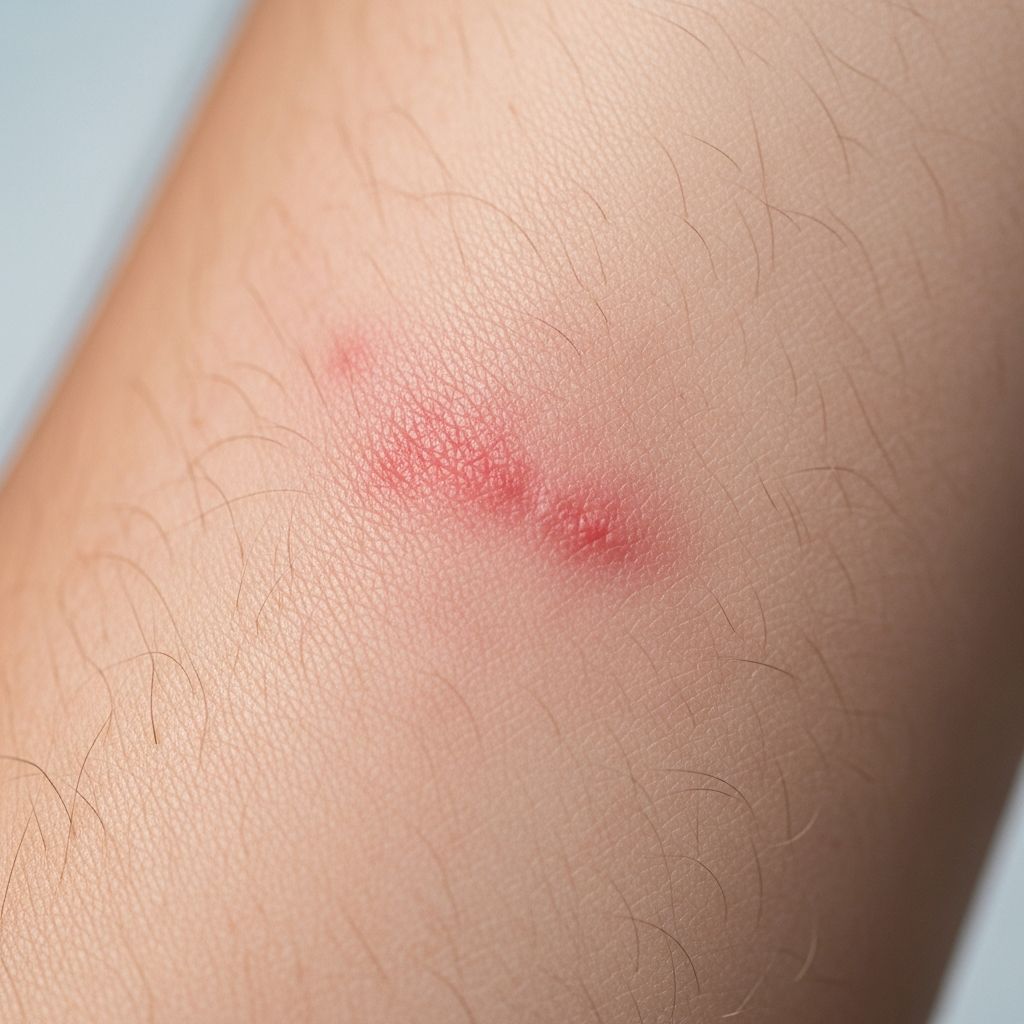
Non-Steroidal Anti-Inflammatory Drugs and Their Skin Side Effects
Non-steroidal anti-inflammatory drugs (NSAIDs) represent one of the most commonly prescribed medication classes worldwide, yet they also rank among the leading pharmaceutical agents responsible for cutaneous adverse reactions. The gastrointestinal tract and skin are the two body systems most frequently affected by NSAID side effects. Understanding these dermatological manifestations is essential for healthcare providers and patients alike, as timely recognition and management can prevent serious complications.
Prevalence of NSAID-Induced Skin Reactions
The frequency of skin reactions associated with NSAID use varies depending on the study population and methodology. In a prospective study examining nearly 20,000 hospitalized patients, approximately 0.3% of those prescribed NSAIDs developed generalized skin reactions. However, meta-analyses of randomized clinical trials report a broader range, with skin side effects occurring in 1–2% of NSAID users. These reactions encompass a diverse spectrum of presentations, ranging from mild localized eruptions to severe systemic manifestations requiring hospitalization.
The wide variation in reported incidence rates reflects differences in patient populations, specific NSAID formulations studied, and the clinical setting of observation. Hospital-based studies typically capture more severe reactions, while community-based surveys may identify milder cutaneous manifestations that patients manage independently.
Common Non-Specific Skin Reactions to NSAIDs
NSAIDs can trigger various non-specific cutaneous reactions that affect the dermis and subcutaneous layers. The most frequently observed include:
- Maculopapular eruptions: Characterized by small raised spots and papules, commonly associated with ibuprofen and naproxen use
- Urticaria: Itchy wheals that typically develop within 30 minutes to 4 hours after medication ingestion
- Angioedema: Deeper tissue swelling, particularly affecting the facial region around the eyes
- Erythema nodosum: Painful nodular lesions typically appearing on the shins
- Serum sickness-like reactions: Systemic reactions featuring fever, arthralgia, and cutaneous manifestations
These non-specific reactions typically resolve following withdrawal of the offending medication, although complete resolution may require several months and is not guaranteed in all cases.
NSAID Hypersensitivity and Intolerance Reactions
Hypersensitivity to NSAIDs occurs through a pseudo-allergic mechanism rather than true immunological sensitization in most cases. These reactions develop due to inhibition of the enzyme cyclooxygenase-1 (COX-1), affecting prostaglandin biosynthesis. The prevalence of NSAID hypersensitivity ranges from 0.1–0.3% in the general population, though it may be significantly higher in patients with pre-existing conditions such as asthma or chronic urticaria.
Unlike true drug allergies, which involve specific immunoglobulin E (IgE) responses to individual drugs, NSAID hypersensitivity typically manifests with reactions to multiple drugs within the NSAID class. This cross-reactivity reflects the common mechanism of action rather than structural similarity between drugs.
Clinical Presentations of NSAID Hypersensitivity
The clinical manifestations of NSAID hypersensitivity vary widely among affected individuals. The most common presentation involves facial swelling, particularly around the eyes (angioedema). Approximately one-third of patients present with a mixed pattern combining skin symptoms (angioedema and/or urticaria) with respiratory involvement, including cough, breathlessness, rhinorrhea, or upper respiratory tract swelling.
Four distinct presentations are recognized:
- Isolated cutaneous reactions: Limited to skin manifestations without systemic involvement
- Cutaneous with respiratory symptoms: Urticaria or angioedema accompanied by upper airway involvement
- Anaphylactic reactions: Severe systemic responses that may include hypotension and gastrointestinal symptoms
- Delayed reactions: Manifestations occurring several hours after drug ingestion
Related Stories



Skin Reactions Specific to Systemic NSAIDs
Certain cutaneous reactions occur uniquely or predominantly with systemic NSAID administration. These include pseudoporphyria, exacerbation of existing dermatological conditions, and severe fixed drug eruptions.
Pseudoporphyria
Pseudoporphyria represents a photosensitivity reaction clinically resembling true porphyria cutanea tarda. Patients develop fragile blistering skin that blisters easily with minor trauma, particularly in sun-exposed areas. This condition occurs through a photosensitive mechanism distinct from true porphyrias and typically resolves following NSAID withdrawal.
Exacerbation of Pre-Existing Conditions
Patients with chronic idiopathic urticaria or dermographism frequently experience worsening or relapse of their condition when taking aspirin or other NSAIDs. The rash may appear within minutes to hours after medication ingestion. While rarely serious, these exacerbations often involve the mucous membranes and can significantly impact patient quality of life.
Similarly, salicylates including aspirin can cause mast cell degranulation and aggravation of symptoms in patients with urticaria pigmentosa, a condition characterized by excessive mast cell infiltration in the skin.
Topical NSAID Side Effects
Topical NSAID formulations, while generally considered safer than systemic preparations, can cause significant cutaneous reactions. Diclofenac gel is available for treating sun-damaged skin, including actinic keratoses, yet clinical trials demonstrate increased adverse effects compared to vehicle placebo.
Adverse Reactions to Topical NSAIDs
Common topical NSAID side effects include:
- Allergic contact dermatitis: Immune-mediated inflammatory response at application sites
- Irritant dermatitis: Non-immune skin irritation manifesting as dryness and scaling
- Photocontact dermatitis: Reactions occurring when treated skin is exposed to sunlight
Photocontact Dermatitis from Topical NSAIDs
Photocontact dermatitis represents a particularly notable adverse reaction to topical NSAID gels and creams. Ketoprofen gel carries the highest reported incidence, occurring in 0.013–0.028 per 1,000 applications. Notably, reactions often appear after stopping the application when skin is subsequently exposed to sunlight, making the condition frequently reported during summer months.
The reaction typically extends beyond the area where gel was applied and can be severe enough to require hospital admission in some cases. Testing confirms this to be photoallergic contact dermatitis, with cross-reactivity observed among multiple NSAIDs including tiaprofenic acid, fenofibrate, and other agents. Bufexamac has also been identified as causing contact dermatitis through topical application.
Drug-Specific NSAID Reaction Patterns
Different NSAIDs demonstrate characteristic cutaneous reaction patterns, helping clinicians predict potential adverse effects based on medication selection:
| NSAID | Most Common Skin Reaction | Frequency/Notes |
|---|---|---|
| Ibuprofen | Maculopapular eruptions | Most frequent NSAID culprit for urticaria reactions |
| Naproxen | Maculopapular eruptions | Commonly associated with delayed reactions |
| Aspirin | Urticaria and angioedema | Triggers mast cell degranulation; cross-reactivity high |
| Indomethacin | Urticarial reactions | Variable presentation patterns observed |
| Diclofenac | Contact dermatitis, bullous reactions | T-cell mediated reactions documented |
| Ketoprofen | Photocontact dermatitis | Highest incidence of phototoxic/photoallergic reactions |
| Piroxicam | Phototoxic or photoallergic dermatitis | Photosensitivity reactions predominate |
Severe Cutaneous Adverse Reactions
While less common than mild to moderate reactions, NSAIDs can trigger severe cutaneous adverse drug reactions (SCARs) that require immediate medical intervention. These include Stevens-Johnson syndrome/toxic epidermal necrolysis (SJS/TEN) and drug reaction with eosinophilia and systemic symptoms (DRESS).
Selective COX-2 inhibitors show a higher association with severe cutaneous reactions compared to non-selective NSAIDs, necessitating careful monitoring when these agents are prescribed. Symptoms of severe reactions include extensive blistering, mucosal involvement, constitutional symptoms, and systemic manifestations ranging from mild to severe anaphylaxis.
Risk Factors and Predisposing Conditions
Certain patient populations face elevated risk for NSAID-induced skin reactions. Predisposing factors include:
- Pre-existing chronic urticaria or dermographism
- History of asthma or respiratory disease
- Previous reactions to NSAIDs or aspirin
- Systemic lupus erythematosus and other autoimmune conditions
- Fair skin type with increased photosensitivity
- Concurrent use of photosensitizing medications
- Prolonged sun exposure during topical NSAID use
Identifying patients with these risk factors allows for appropriate counseling, alternative medication selection, and enhanced monitoring protocols.
Management and Clinical Approach
The cornerstone of managing NSAID-induced skin reactions involves prompt recognition and discontinuation of the offending medication. As with most drug-induced cutaneous reactions, withdrawal of the trigger typically results in rash resolution, although complete clearance may require weeks to months and is not universally guaranteed.
For patients with documented NSAID hypersensitivity without serious respiratory involvement, selective COX-2 inhibitors are generally well tolerated, though skin reactions have been reported rarely even with these agents. Total avoidance of aspirin and all NSAIDs is only essential in cases involving serious reactions such as upper airway swelling or anaphylaxis.
Symptomatic management may include antihistamines for urticaria, topical corticosteroids for localized dermatitis, and systemic corticosteroids for severe reactions. Photosensitivity prevention strategies are essential during topical NSAID therapy, including strict sun avoidance and broad-spectrum sunscreen use.
Diagnostic Considerations
Diagnosis of NSAID-induced skin reactions remains challenging, as reliable in vitro methods are limited and skin testing procedures often yield inconclusive results. The patient’s case history remains the most useful diagnostic tool, including detailed medication timing, reaction characteristics, and temporal relationship to drug ingestion.
Delayed skin testing (intradermal and patch testing) can document allergic and photoallergic reactions in some cases, with biopsies showing mononuclear cell infiltrates typical of T-cell mediated responses. However, NSAIDs’ interference with prostaglandin biosynthesis pathways complicates in vitro assessment.
NSAIDs and Skin Cancer Prevention
Earlier observations suggested that long-term NSAID use might prevent nonmelanoma skin cancer development. However, recent analyses of skin cancer prevention trials indicate that long-term NSAID use probably does not significantly prevent skin cancer development. Limited evidence suggests that short-term use may offer modest preventive benefits, though this remains an area requiring further investigation.
Special Considerations: True Allergic Reactions
True allergic reactions involving specific IgE antibodies can occur with NSAIDs but are fortunately rare, as they can be potentially fatal. These reactions can be distinguished from hypersensitivity/intolerance syndrome by the absence of cross-reactivity with other NSAID groups. When true allergy is suspected, precise drug identification and absolute avoidance are necessary.
Frequently Asked Questions
Q: What percentage of NSAID users develop skin reactions?
A: Skin side effects occur in 1–2% of NSAID patients according to meta-analyses of randomized clinical trials, though prospective studies of hospitalized patients report rates around 0.3%.
Q: How quickly do NSAID skin reactions typically develop?
A: Most non-specific reactions appear within 30 minutes to 4 hours after ingestion, though delayed symptoms occurring up to 24 hours have been reported. Hypersensitivity reactions may develop within seconds to minutes.
Q: Are selective COX-2 inhibitors safer for patients with NSAID sensitivity?
A: Generally, selective COX-2 inhibitors are well tolerated by most patients experiencing hypersensitivity reactions to non-selective NSAIDs, though skin reactions have been reported rarely even with these agents.
Q: Can topical NSAIDs cause reactions even when applied to intact skin?
A: Yes, topical NSAIDs can cause allergic contact dermatitis, irritant dermatitis, and photocontact dermatitis. Photocontact dermatitis with ketoprofen gel occurs in 0.013–0.028 per 1,000 applications.
Q: How long does it take for NSAID-induced skin reactions to resolve?
A: Resolution typically occurs after medication withdrawal, though complete clearance may require several weeks to months and is not universally guaranteed in all cases.
Q: Which NSAIDs carry the highest risk for photocontact dermatitis?
A: Ketoprofen gel and topical formulations of piroxicam carry the highest documented risks for phototoxic and photoallergic dermatitis reactions.
Q: What should patients do if they suspect an NSAID reaction?
A: Patients should discontinue the NSAID immediately and consult their healthcare provider. Detailed documentation of symptoms, timing, and medication history aids diagnosis. Symptomatic care with antihistamines or topical corticosteroids may provide relief during resolution.
References
- Non-steroidal anti-inflammatory drugs and their skin side effects — DermNet NZ. 2024. https://dermnetnz.org/topics/non-steroidal-anti-inflammatory-drugs-and-their-skin-side-effects
- Cutaneous side-effects of nonsteroidal anti-inflammatory drugs — PubMed Central, U.S. National Library of Medicine. 1994. https://pubmed.ncbi.nlm.nih.gov/8578891/
- Management of Nonsteroidal Anti-inflammatory Drug-Induced Hypersensitivity Reactions — U.S. Pharmacist. 2018. https://www.uspharmacist.com/article/management-of-nonsteroidal-antiinflammatory-druginduced-hypersensitivity-reactions
- NSAID-induced reactions: classification, prevalence, impact, and management — PubMed Central, U.S. National Library of Medicine. 2019. https://pmc.ncbi.nlm.nih.gov/articles/PMC6690438/
- Hypersensitivity to NSAIDs — DynaMed, EBSCO Information Services. 2025. https://www.dynamed.com/condition/hypersensitivity-to-nsaids
- Non-steroidal anti-inflammatory drugs (NSAIDs) — British Society for Allergy and Clinical Immunology (BSACI). 2024. https://www.bsaci.org/resources/allergy-management/drug-allergy/non-steroidal-anti-inflammatory-drugs-nsaids/
Similar Articles








Read full bio of Sneha Tete