Nuclear Medicine: Diagnostic Imaging and Treatment
Explore nuclear medicine imaging technology for diagnosis and targeted cancer treatment.
Understanding Nuclear Medicine: A Specialized Imaging Approach
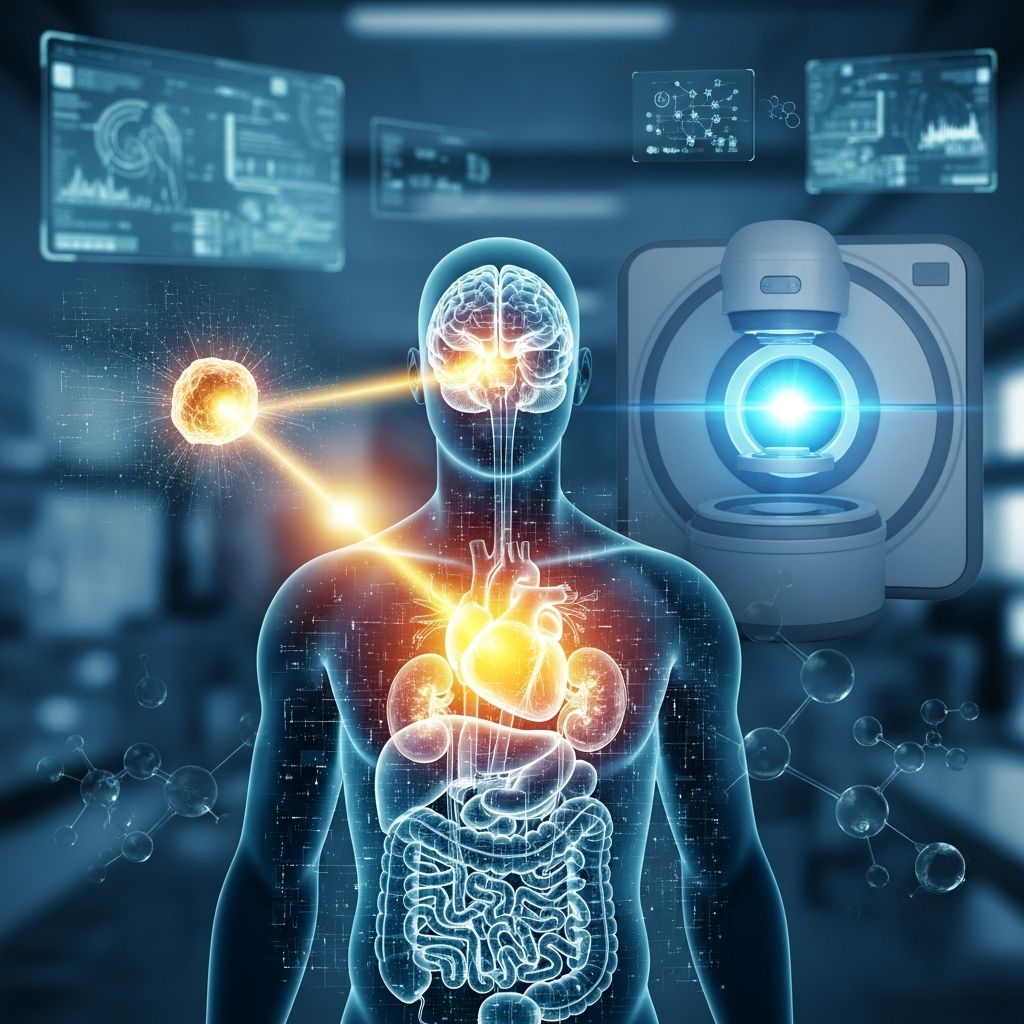
Nuclear medicine represents a specialized branch of radiology that leverages the unique properties of radioactive materials to visualize organ function and structure at the molecular level. Unlike conventional imaging techniques that primarily reveal anatomical details, nuclear medicine provides functional information by tracking how organs and tissues behave in real time. This distinctive capability makes it an invaluable tool in modern healthcare for both diagnosis and therapeutic applications.
The field of nuclear medicine uses radiopharmaceuticals—carefully formulated combinations of radioactive isotopes and pharmaceutical compounds—in extremely small quantities to create detailed images of internal organs and systems. These radiopharmaceuticals are designed to target specific tissues or organs, allowing physicians to observe biological processes as they occur within the body. The radiation exposure from nuclear medicine procedures is carefully controlled and typically comparable to or less than conventional imaging methods when considering the diagnostic benefit.
How Nuclear Medicine Works
The fundamental principle underlying nuclear medicine involves introducing a radiopharmaceutical into the patient’s body, either through injection, inhalation, or ingestion. Once the radioactive material enters the body, it accumulates in the target organ or tissue where it emits gamma radiation. Specialized cameras, known as gamma cameras or scintillation cameras, detect this radiation and convert it into detailed images that physicians can analyze.
The process begins with careful patient preparation and positioning. A trained nuclear medicine technologist, who possesses specialized expertise in handling radioactive materials and operating imaging equipment, administers the radiopharmaceutical and monitors the patient throughout the procedure. The technologist ensures proper dosing, maintains safety protocols, and operates the sophisticated imaging equipment that captures the diagnostic information.
Modern nuclear medicine imaging includes several advanced techniques:
– SPECT (Single-Photon Emission Computed Tomography): Provides three-dimensional images by rotating the camera around the patient- PET (Positron Emission Tomography): Uses positron-emitting radiopharmaceuticals for highly sensitive imaging- PET-CT Fusion Imaging: Combines anatomical CT images with functional PET data for comprehensive evaluation
Diagnostic Applications of Nuclear Medicine
Nuclear medicine excels in detecting diseases at their earliest stages by revealing functional abnormalities before structural changes become apparent. This early detection capability often leads to more effective treatment outcomes and improved patient prognosis.
Cardiac Imaging
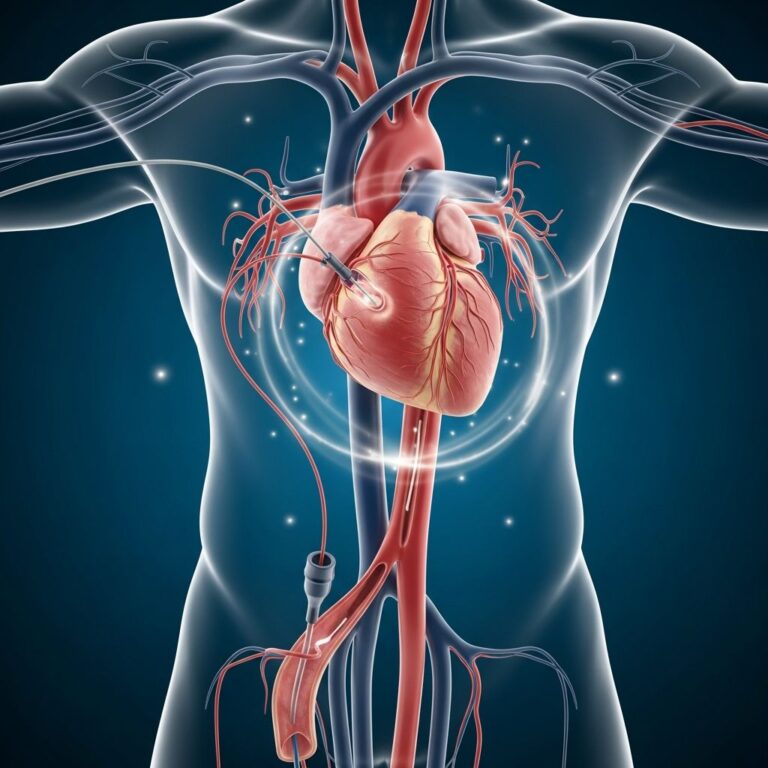
One of the most well-established applications of nuclear medicine involves cardiac assessment. Myocardial perfusion imaging uses radiopharmaceuticals to evaluate blood flow to the heart muscle, helping identify areas of reduced perfusion that may indicate coronary artery disease. Cardiac viability studies determine which areas of damaged heart muscle can recover function with intervention. Gated blood pool imaging assesses cardiac chambers and valve function, providing quantitative measurements of ejection fraction and wall motion abnormalities.
Pulmonary Imaging
Nuclear medicine techniques evaluate both ventilation and perfusion in the lungs. Ventilation-perfusion scans detect mismatches that suggest pulmonary embolism or chronic obstructive pulmonary disease. These studies provide critical information for patient management and treatment planning.
Bone Imaging
Skeletal scintigraphy using bone-seeking radiopharmaceuticals can identify areas of abnormal bone metabolism. This technique effectively detects metastatic cancer, infections, stress fractures, and inflammatory conditions throughout the entire skeleton. Its sensitivity for detecting bone pathology often exceeds that of conventional radiography.
Thyroid and Endocrine Imaging
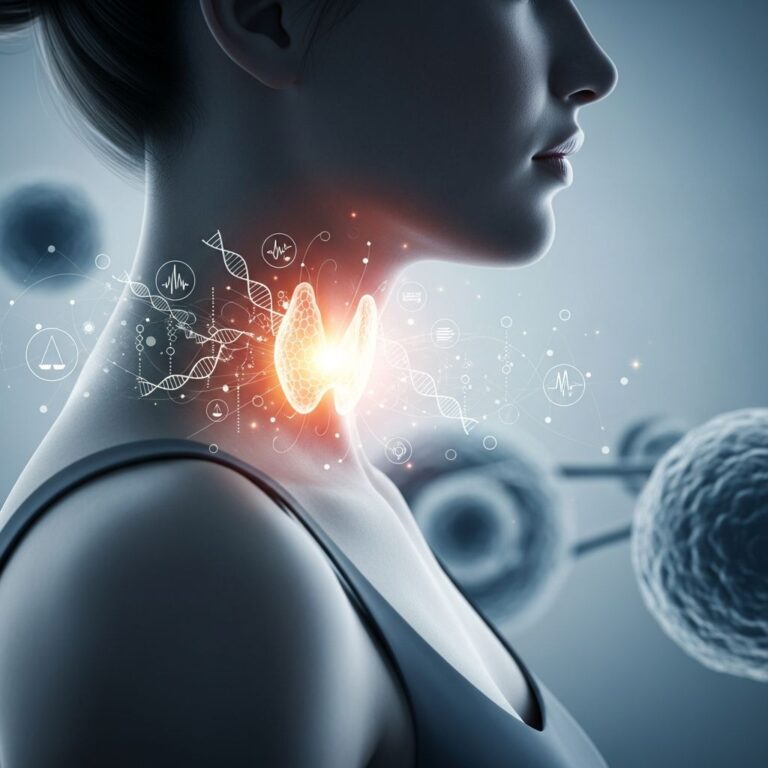
Nuclear medicine provides specific assessment of thyroid function and uptake of iodine. Thyroid imaging can distinguish between hyperthyroidism, hypothyroidism, and structural abnormalities. Specialized imaging also evaluates parathyroid function and other endocrine organs.
Related Stories



Gastrointestinal Studies
Nuclear medicine techniques assess gastrointestinal function, including esophageal motility, gastric emptying, and hepatobiliary function. These studies provide functional information that cannot be obtained through structural imaging alone.
Neuroimaging
Brain imaging with nuclear medicine can detect dementia, movement disorders, seizures, and other neurological conditions. These studies provide functional information about brain perfusion and glucose metabolism that helps with diagnosis and treatment planning.
Therapeutic Applications and Theranostics
Beyond diagnosis, nuclear medicine has evolved to include therapeutic applications where radioactive materials directly treat disease. Therapeutic nuclear medicine uses higher doses of radiopharmaceuticals to deliver targeted radiation to diseased tissues while minimizing exposure to healthy areas.
Theranostics: The Future of Precision Medicine
Theranostics represents a revolutionary approach that combines diagnostic imaging with therapeutic treatment in a single, integrated procedure. This innovative field uses the same or complementary radiopharmaceuticals to first image disease and then deliver targeted radiation therapy to cancer cells. By visualizing exactly where disease exists and then treating those specific locations, theranostics achieves unprecedented precision in cancer care.
The Johns Hopkins Theranostics Center has pioneered development and implementation of these advanced techniques. Theranostic approaches effectively treat various cancers by targeting molecular pathways unique to malignant cells. This molecular precision results in lower toxicity compared to conventional chemotherapy, as the treatment specifically targets cancer cells while sparing healthy tissue.
Radioactive Iodine Therapy
Patients with hyperthyroidism or thyroid cancer receive radioactive iodine therapy, where the thyroid gland selectively absorbs administered iodine-131. The concentrated radioactivity destroys thyroid tissue, treating the underlying condition effectively.
Bone Pain Palliation
Patients with bone metastases from cancer experience significant pain relief through nuclear medicine therapeutic agents. Radiopharmaceuticals that localize to areas of abnormal bone metabolism deliver targeted radiation directly to metastatic sites.
Neuroendocrine Tumor Treatment
Specialized radiopharmaceuticals target neuroendocrine tumors throughout the body. These therapeutic agents bind to specific receptors on tumor cells, delivering radiation precisely to malignant tissue.
In-Vitro Procedures
Nuclear medicine also encompasses in-vitro laboratory procedures that use radioactive tracers without imaging. These tests measure hormone levels, tumor markers, and other biochemical parameters with exceptional sensitivity and specificity. Blood tests using radioimmune assay techniques provide accurate quantification of countless substances with clinical significance.
Radiopharmacy in Nuclear Medicine
Specialized nuclear medicine pharmacists prepare and dispense radiopharmaceuticals with meticulous attention to quality, sterility, and radiation safety. These professionals understand the unique challenges of working with radioactive materials, including proper storage, decay calculation, and disposal protocols. Radiopharmacy ensures that every dose administered contains the correct activity level and maintains the highest standards of pharmaceutical preparation.
Safety Considerations in Nuclear Medicine
Patient safety remains paramount in nuclear medicine practice. Several measures ensure minimal radiation exposure while maximizing diagnostic benefit. The administered activity is carefully calculated based on patient age, weight, and clinical indication. Modern equipment uses low-dose techniques and includes automatic quality controls. Lead shielding and protective equipment minimize occupational exposure for healthcare workers.
Pregnant and nursing patients require special consideration. While many nuclear medicine studies cannot be performed during pregnancy due to potential fetal exposure, certain procedures with minimal fetal dosimetry may be justified when clinical need is compelling. Nursing patients may need temporary interruption of breastfeeding after certain procedures to prevent infant exposure.
Post-Procedure Care and Instructions
After receiving radiopharmaceuticals, patients typically follow specific instructions to minimize radiation exposure to others and optimize treatment effectiveness. Following theranostic appointments, patients receive detailed guidance including increased hydration to facilitate radiopharmaceutical elimination through the urinary system and specific waste handling procedures for the subsequent 2-3 days.
Most patients experience minimal side effects from nuclear medicine procedures. The precision targeting achieved through modern radiopharmaceuticals results in lower toxicity compared to traditional therapeutic approaches. Any side effects that do occur are managed immediately by dedicated healthcare professionals present during treatment.
The Nuclear Medicine Team
Successful nuclear medicine care requires a dedicated, multidisciplinary team. Nuclear medicine physicians, also called radiologists or radiologists with nuclear medicine specialization, are specially trained to interpret images and develop treatment plans. Nuclear medicine technologists receive specialized training in handling radioactive materials, operating imaging equipment, and ensuring patient safety. Radiology nurses provide patient care, establish intravenous access, and monitor vital signs throughout procedures. Radiopharmacists prepare and dispense radiopharmaceuticals safely and accurately. Administrative staff coordinate scheduling, insurance authorization, and patient communication.
Training and Certification
Healthcare professionals pursuing nuclear medicine careers complete rigorous, specialized training. The Johns Hopkins Schools of Medical Science offers an 18-month full-time Nuclear Medicine Technology program that combines theoretical instruction with hands-on clinical experience at multiple prestigious facilities throughout the Baltimore region and beyond. Graduates become certified nuclear medicine technologists eligible for national board examinations.
Physicians specializing in nuclear medicine complete medical school followed by a three-year ACGME-accredited residency program in diagnostic radiology or nuclear medicine, providing comprehensive training in both diagnostic and therapeutic applications.
Comparing Nuclear Medicine with Other Imaging Modalities
| Imaging Modality | Primary Information | Radiation Exposure | Best For |
|---|---|---|---|
| Nuclear Medicine | Functional/molecular | Controlled gamma radiation | Organ function, metabolic activity, early disease detection |
| CT Scan | Anatomical structure | X-ray radiation | Detailed structural anatomy, acute trauma |
| MRI | Anatomical structure | No ionizing radiation | Soft tissue detail, brain, joints |
| Ultrasound | Anatomical structure | No ionizing radiation | Real-time assessment, pregnancy, vascular flow |
| PET-CT Fusion | Functional + structural | Combined radiation | Cancer staging, comprehensive evaluation |
Frequently Asked Questions
Q: Is nuclear medicine safe?
A: Yes, nuclear medicine is safe when performed by trained professionals using properly calibrated equipment and carefully calculated radiopharmaceutical doses. The radiation exposure is comparable to or lower than many other diagnostic imaging procedures, and the diagnostic benefits substantially outweigh the minimal risks.
Q: How long does a nuclear medicine procedure take?
A: Procedure duration varies depending on the specific study and radiopharmaceutical used. Some procedures take 30 minutes to one hour, while others may require several hours or imaging at delayed time points. Your healthcare team will provide specific timing information for your particular study.
Q: Can pregnant women undergo nuclear medicine studies?
A: Most elective nuclear medicine procedures are deferred during pregnancy. However, certain urgent or emergent studies with minimal fetal radiation exposure may be justified after careful risk-benefit analysis. Always inform your physician if you are or might be pregnant.
Q: What is the difference between diagnostic and therapeutic nuclear medicine?
A: Diagnostic nuclear medicine uses small amounts of radiopharmaceuticals to create images and gather functional information about organs and tissues. Therapeutic nuclear medicine uses higher doses of radiopharmaceuticals to treat disease by delivering targeted radiation to affected areas, such as cancer cells.
Q: How should I prepare for a nuclear medicine procedure?
A: Preparation depends on the specific procedure. Generally, you should maintain good hydration before your appointment. Some studies require fasting, while others have no dietary restrictions. Your scheduling staff will provide detailed preparation instructions for your particular examination.
Q: What happens after a nuclear medicine procedure?
A: After most diagnostic procedures, you can return to normal activities immediately. Following therapeutic procedures, you’ll receive specific instructions regarding hydration, bathroom practices, and precautions to minimize radiation exposure to others. Your healthcare team will provide detailed post-procedure guidance.
The Future of Nuclear Medicine
Nuclear medicine continues to evolve with advancing technology and expanding clinical applications. Theranostics represents the cutting edge of this field, offering personalized medicine approaches that combine diagnosis and treatment. Emerging radiopharmaceuticals target increasingly specific molecular pathways, improving treatment precision and reducing toxicity. Hybrid imaging techniques that integrate multiple modalities provide comprehensive disease assessment. Artificial intelligence and machine learning are beginning to enhance image analysis and interpretation, supporting clinicians in making more accurate diagnoses and treatment recommendations.
References
- Nuclear Medicine Technology Program — Johns Hopkins Schools of Medical Science. 2025. https://somi.jh.edu/programs/nuclear-medicine-technology/
- What to Expect During Your Theranostics Appointment — Johns Hopkins Medicine. July 24, 2025. https://www.youtube.com/watch?v=ffJPKwxAyho
- Overview of Nuclear Medicine at Johns Hopkins — Johns Hopkins Medicine. May 17, 2025. https://www.hopkinsmedicine.org/health/treatment-tests-and-therapies/nuclear-medicine
- Enhance Patient Care with Nuclear Medicine and Molecular Imaging — Johns Hopkins Continuing Medical Education. 2025. https://hopkinscme.cloud-cme.com/
- Johns Hopkins University Nuclear Medicine Residency Program — Residency Advisor. 2025. https://residencyadvisor.com/program/johns-hopkins-university-program-nuclear-medicine-baltimore-md-2002311035
Similar Articles








Read full bio of medha deb