Nummular Eczema: Causes, Symptoms, and Treatment
Complete guide to understanding nummular eczema: coin-shaped lesions, triggers, and effective management strategies.
Understanding Nummular Eczema
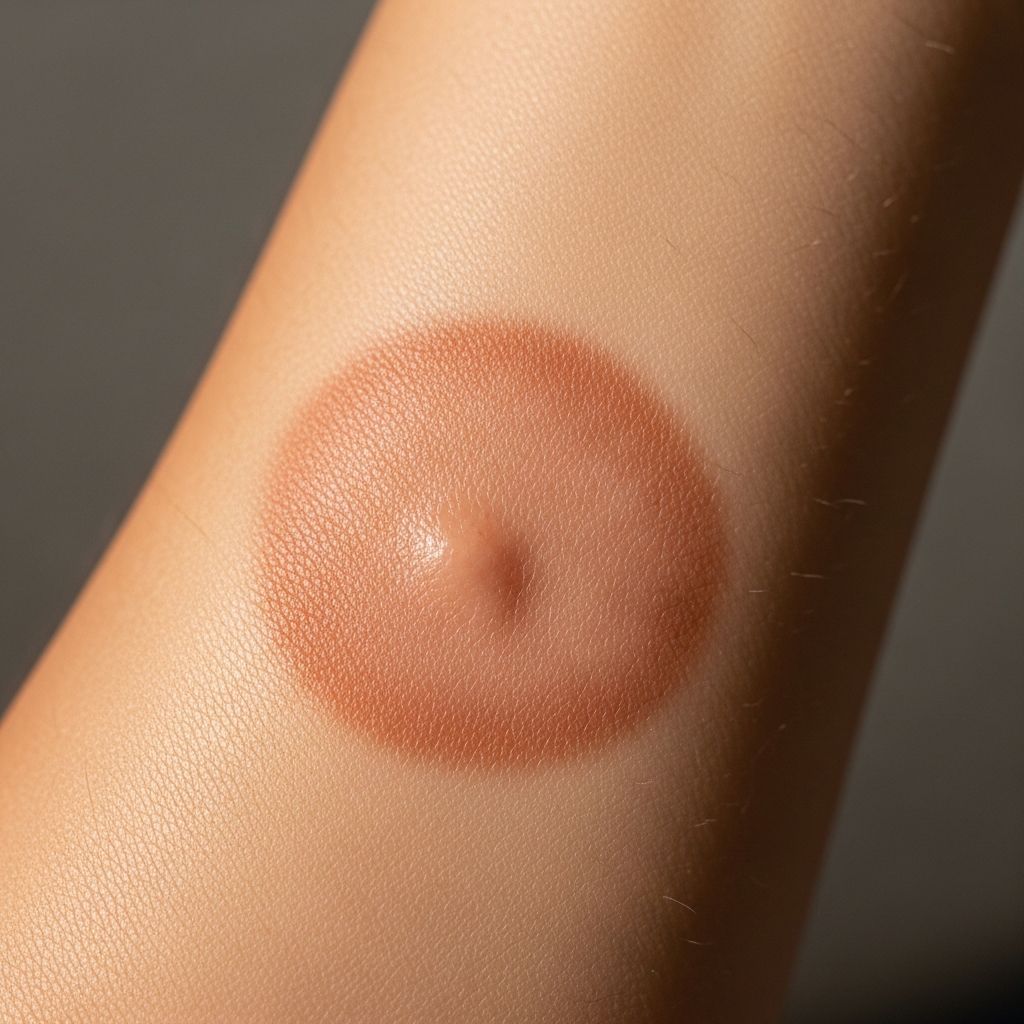
Nummular eczema, also known as discoid eczema or nummular dermatitis, is a chronic skin condition characterized by distinct, raised, coin-shaped or round spots on your skin. These lesions are often itchy, sometimes ooze clear fluid, and may become crusty over time. Unlike some skin conditions that resolve permanently, nummular eczema typically responds well to treatment, but episodes can recur even after successful management. The condition usually develops on the legs, forearms, or back of the hands, though it can appear elsewhere on the body. Understanding this condition is essential for proper management and prevention of future flare-ups.
What Does Nummular Eczema Look Like?
The hallmark appearance of nummular eczema consists of coin-shaped lesions, which is how the condition gets its distinctive name. These round or oval spots are slightly raised and can appear red or brown depending on individual skin tone. The lesions typically range in size from one to ten centimeters in diameter. As a flare develops, the spots become bumpy instead of flat, and over time, the bumps can change between red, pinkish, or brown colors.
During the progression of the condition, affected skin often becomes scaly and inflamed. As the flare persists, the skin surrounding the lesions can become extremely dry, and this dryness may crack, leading to further irritation. One distinctive feature of advanced nummular eczema is oozing liquid that can emerge from the lesions, or the spots may crust over entirely. It is important to note that nummular eczema can sometimes be mistaken for ringworm or psoriasis due to its appearance, making professional diagnosis crucial.
Common Symptoms of Nummular Eczema
Individuals with nummular eczema experience a range of symptoms that can vary in intensity and duration:
– Round-shaped spots that are raised on arms, legs, torso, and/or hands- Tiny bumps and blister-like sores that often appear after an injury like a scrape- Scaly spots that crust over and may join together to form larger affected areas- Intense itching and burning sensations in affected areas- Lesions that ooze clear liquid or fluid- Red, pinkish, or brown spots, with color depending on individual skin tone- Extremely dry skin between the spots, which may crack or become irritated
The symptom severity can fluctuate, with some individuals experiencing mild itching while others suffer from intense discomfort that affects daily activities and sleep quality.
Causes and Triggers of Nummular Eczema
While the exact cause of nummular eczema remains not entirely clear in all cases, researchers have identified several factors that contribute to its development and flare-ups. Understanding these triggers is essential for prevention and management.
Environmental and Allergic Triggers
Certain allergic reactions can trigger nummular eczema, such as contact allergies to metals or environmental airborne allergens. People living in environments with low humidity are at significantly higher risk of developing this condition. Additionally, weather changes, particularly transitions to dry and cold seasons, can precipitate flare-ups.
Behavioral and Lifestyle Factors
Several behaviors and habits can trigger or exacerbate nummular eczema. These include the use of drying soaps, frequent bathing with hot water, and exposure to rough fabrics such as wool. Skin injuries such as scrapes or bug bites can initiate lesion formation, and intense stress can also serve as a trigger. Heavy alcohol consumption has been linked to flare-ups in some individuals.
Related Stories



Medical and Product-Related Triggers
Certain medications can contribute to nummular eczema development, including antivirals, interferon, and retinoids. Heat and humidity, paradoxically, can also trigger flare-ups in some patients. Additionally, breast implantations have been associated with the condition in some cases.
How Is Nummular Eczema Diagnosed?
Accurate diagnosis is crucial because nummular eczema can resemble several other skin conditions, including psoriasis, ringworm, fungal infections, and other types of eczema such as atopic dermatitis, stasis dermatitis, and allergic contact dermatitis. A proper diagnosis from a qualified healthcare provider ensures appropriate treatment and prevents unnecessary delays in care.
When diagnosing nummular eczema, a dermatologist will begin by examining the affected areas of the skin closely. Your dermatologist may take a skin scraping to confirm a diagnosis and rule out other conditions, particularly fungal infections. In most cases, healthcare providers can diagnose nummular eczema through physical examination alone, and formal tests are generally not necessary. However, microscopic examination of scraped skin samples may be performed when the diagnosis is unclear or when other conditions need to be ruled out.
Treatment Options for Nummular Eczema
There is currently no cure for nummular eczema, but treatment aims to clear flare-ups, reduce inflammation, relieve itching, and prevent infection. With correct diagnosis, treatment, and self-care strategies, nummular eczema usually clears up successfully.
Topical Treatments
To help clear nummular dermatitis flare-ups, healthcare providers may prescribe topical treatments—creams or ointments applied directly to the skin:
– Mid- to high-potency topical corticosteroids for inflammation reduction- Tacrolimus ointment as a steroid-free alternative- Pimecrolimus cream for sensitive skin- Ruxolitinib cream, a newer immunologic-focused medication- Tapinarof cream for targeted treatment- Roflumilast cream for managing symptoms- Coal tar cream to reduce inflammation, scaling, and itching while slowing rapid skin cell turnover
Advanced Treatment Approaches
Some people with broad areas of discoid eczema have difficulty covering all spots with topical treatments alone. In these cases, healthcare providers may suggest phototherapy (ultraviolet light therapy) administered two to three times per week, or oral corticosteroids for more severe cases. Widespread and severe cases may require combination therapy using multiple treatment modalities simultaneously.
Management of Secondary Infections
If nummular eczema becomes infected with Staphylococcus aureus (staph bacteria), it requires treatment with topical or oral antibiotics. When nummular eczema patches are substantially oozing fluid or pus, application of an astringent compress can help dry the area and prevent secondary infection.
Symptomatic Relief Strategies
Beyond prescription medications, several strategies help manage symptoms:
– Wet wraps to soothe and hydrate affected skin- Oral antihistamines to reduce itching and allergic responses- Humidifiers to maintain environmental moisture and prevent skin drying- Eczema-friendly cleansers and moisturizers specifically designed for sensitive skin- Regular application of fragrance-free, hypoallergenic moisturizers
Signs of Successful Treatment Response
Understanding how nummular eczema responds to treatment helps patients recognize progress and maintain confidence in their management plan. Several signs indicate that treatment is working effectively. The most obvious sign is that the nummular eczema lesions begin to flatten and lose their raised appearance. The center of the red spot often clears first, creating a ring-like appearance instead of a fully formed circle. Eventually, the entire red spot will disappear completely. Sometimes it is replaced by a flat dark spot or area of discoloration. This residual discoloration is more likely in individuals with darker skin tones and is not a sign of an active nummular eczema flare or ongoing infection.
Duration and Healing Timeline
The nummular eczema healing process typically takes one to several weeks with appropriate treatment. If nummular eczema is caught early and treated properly, it can heal within three to four weeks. However, individual healing times vary depending on the severity of the condition, the extent of affected skin area, treatment adherence, and individual skin characteristics.
It is important to recognize that nummular eczema is a chronic condition, meaning you can experience additional episodes after successful treatment. You may experience flare-ups every few months or years. Nummular eczema tends to recur and often appears in the same location on the body where previous episodes occurred.
Prevention and Self-Care Strategies
To reduce your risk of discoid eczema flare-ups and manage the condition effectively, implement these evidence-based skincare strategies:
– Maintain consistent skin hydration with fragrance-free moisturizers applied immediately after bathing- Avoid hot water; use lukewarm water for bathing and showering- Limit bathing frequency and duration to prevent excessive skin drying- Use mild, eczema-friendly cleansers instead of drying soaps- Wear soft, breathable fabrics and avoid rough materials like wool- Manage stress through relaxation techniques, exercise, or professional support- Use a humidifier to maintain optimal environmental moisture levels- Avoid harsh chemicals, perfumes, and dyes in skincare products- Protect skin from injury and trauma that could trigger new lesions- Maintain a consistent skincare routine even when symptoms are not present
When to Seek Professional Help
If you have nummular eczema, you should talk to a healthcare provider and receive treatment. Professional guidance helps you clear the flare-up more quickly and prevents infection. Consider visiting a dermatologist, who specializes in skin conditions and can tell the difference between ringworm, nummular dermatitis, psoriasis, additional types of eczema, and other skin conditions. Seek immediate medical attention if you notice signs of infection, such as increased warmth, pus, or spreading of lesions.
Frequently Asked Questions
Q: Is nummular eczema contagious?
A: No, nummular eczema is not contagious. It is a non-infectious inflammatory skin condition that cannot be transmitted from person to person.
Q: Can nummular eczema be cured permanently?
A: There is no permanent cure for nummular eczema, as it is a chronic condition. However, flare-ups can be effectively managed and treated, and the condition often clears within several weeks with proper treatment and self-care.
Q: What is the difference between nummular eczema and ringworm?
A: While both conditions can appear as circular lesions, ringworm is a fungal infection that is contagious, whereas nummular eczema is a non-contagious inflammatory condition. A dermatologist can perform tests to distinguish between the two conditions accurately.
Q: Can I use regular moisturizer for nummular eczema?
A: It is best to use moisturizers specifically formulated for eczema-prone or sensitive skin. Regular moisturizers may contain irritants, fragrances, or other ingredients that could trigger or worsen flare-ups.
Q: How often should I apply medication for nummular eczema?
A: Follow your dermatologist’s specific instructions regarding medication application frequency. Most topical treatments are applied once or twice daily, but this can vary based on the severity of your condition and the particular medication prescribed.
Q: Can stress trigger nummular eczema flare-ups?
A: Yes, intense stress is a recognized trigger for nummular eczema flare-ups. Managing stress through relaxation techniques, exercise, and professional support can help reduce the frequency and severity of episodes.
References
- Nummular Eczema: vs Ringworm, Causes, Symptoms, Treatment — Cleveland Clinic. 2024. https://my.clevelandclinic.org/health/diseases/22757-nummular-eczema
- Nummular Eczema: Causes, Symptoms, Treatment — National Eczema Association. 2024. https://nationaleczema.org/types-of-eczema/nummular-eczema/
- Eczema: What It Is, Symptoms, Causes, Types & Treatment — Cleveland Clinic. 2024. https://my.clevelandclinic.org/health/diseases/9998-eczema
- Dermatitis: Types, Treatments, Causes & Symptoms — Cleveland Clinic. 2024. https://my.clevelandclinic.org/health/diseases/4089-dermatitis
Similar Articles








Read full bio of medha deb