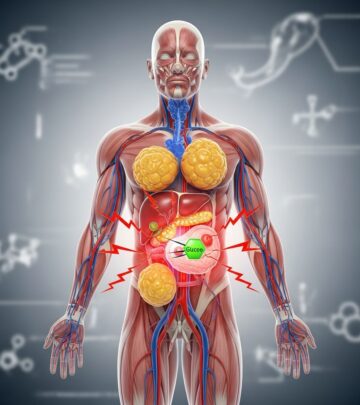
Nursing Your Baby: What You Eat and Drink Matters
Discover how a mother's diet and hydration impact breast milk quality, baby’s health, and successful breastfeeding journey.
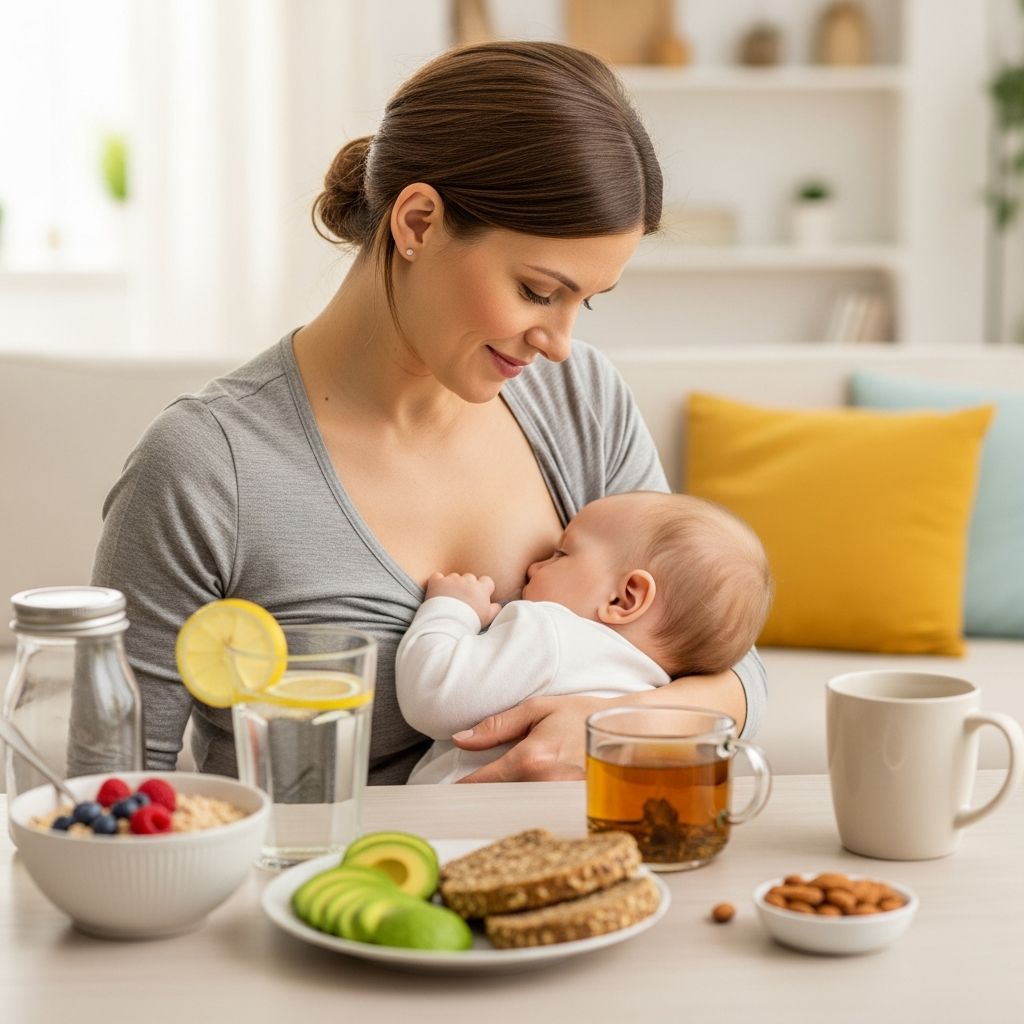
Nursing Your Baby — What You Eat and Drink Matters
A mother’s diet plays a crucial role in breastfeeding success. What you eat and drink directly influences your energy levels, milk production, and the nutritional quality of breast milk for your baby. Maintaining a balanced diet supports both maternal health and infant development during this demanding period.
Calorie Needs
Breastfeeding mothers require additional calories to produce milk. Well-nourished women need an extra 330-400 kilocalories (kcal) per day above pre-pregnancy levels, adjusted for age, BMI, activity, and exclusivity of breastfeeding. If postpartum weight remains, it can contribute; otherwise, add 500-600 calories daily. After 6 months, when solids begin, reduce intake as milk volume decreases.
- Extra calories fuel milk production without compromising supply.
- Aim for gradual weight loss: 1 pound per week max to avoid reducing milk output.
- Consult a healthcare provider for personalized DRI calculations.
Fluids
Hydration is vital, with nursing mothers needing about 16 cups (3.8 liters) of fluids daily from water, food, and beverages. Drink to thirst—many feel increased thirst during feeds—but forced overhydration does not boost supply. Prioritize water and decaffeinated drinks; limit caffeine to under 300 mg/day (e.g., 2-3 cups coffee).
| Daily Fluid Sources | Examples | Benefits |
|---|---|---|
| Water | Plain or infused | Hydrates without calories |
| Food | Fruits, veggies, soups | Provides ~20% of fluids |
| Beverages | Herbal tea, milk | Nutrient-rich options |
A Healthy Diet While Breastfeeding
Focus on nutrient-dense foods from all groups: fruits, vegetables, grains, dairy, proteins. Eat to hunger with three meals and snacks; variety ensures vitamins, minerals, and energy. No need for special restrictions beyond pregnancy—unlike avoiding certain foods then.
- Proteins (2-3x/day): Meat, poultry, fish, eggs, dairy, beans, nuts, seeds.
- Vegetables (3 servings): Dark greens, yellow varieties for vitamins.
- Fruits (2 servings): Fresh, whole for fiber and antioxidants.
- Grains: Whole wheat bread, pasta, oatmeal, brown rice.
- Dairy (3 servings low-fat): Milk, yogurt, cheese; alternatives if intolerant.
Fill half your plate with fruits/veggies, choose whole grains half the time, vary proteins, use healthy oils like olive/canola.
Fish and Mercury
Fish boosts DHA (omega-3) for baby’s brain development—eat 2-3 times weekly from low-mercury sources: salmon, trout, bass, flounder, canned light tuna (8-12 oz/week total). Avoid high-mercury: tilefish, swordfish, shark, king mackerel.
| Best Choices (2-3 servings/week) | Good Choices (1 serving/week) | Avoid |
|---|---|---|
| Salmon, trout, sardines | Tuna (light), halibut | Tilefish, swordfish |
| Bluefish, bass | Cod | Shark, king mackerel |
Non-fish sources: walnuts, flaxseed, edamame for omega-3s.
Vitamin and Mineral Needs
Lactation increases needs for iodine (290 mcg/day), choline (550 mg/day), plus RDAs for others. Diet often suffices, but supplements may help—discuss with providers. Prenatal vitamins may not cover lactation; opt for breastfeeding-specific if needed.
- Iodine sources: Dairy, eggs, seafood, iodized salt.
- Choline sources: Eggs, meat, dairy, beans.
- Babies need vitamin D (400 IU/day) supplement; iron possibly before 6 months.
Vegetarian and Vegan Diets
Vegetarian diets work well; ensure iron/zinc from beans, dried fruits, nuts, dairy. Vegans must supplement B12 to prevent infant deficiency risking neurological issues. Monitor iron (non-heme less absorbable), choline, zinc, iodine, omega-3s.
- Pair plant iron with vitamin C for absorption.
- B12 supplement essential for strict vegans.
- Consult RDN for tailored plans.
Caffeine
Moderate caffeine (<300 mg/day) passes minimally into milk; monitor baby for fussiness. Limit coffee/tea/soda; opt for decaf.
Alcohol
Alcohol enters milk at mother’s blood levels, peaking 30-60 min post-consumption, clearing in 2-3 hours per drink. Wait 2 hours per drink before nursing; heavy use reduces supply. No safe amount—best avoided.
- 1 drink = 12 oz beer, 5 oz wine, 1.5 oz spirits.
- Pump/discard if needed, but delay feeding safest.
- Prioritize baby’s safety over occasional indulgence.
Foods That May Affect Your Baby
Most babies tolerate diverse diets fine, but some react to cow’s milk, caffeine, spicy foods, gassy veggies (broccoli, cabbage). Track symptoms like colic, rash, spit-up; eliminate suspect foods 2 weeks, reintroduce to confirm. Rare allergies possible—consult pediatrician.
- Common culprits: Dairy, caffeine, onions, chocolate.
- No universal avoids; personalize based on baby’s cues.
Losing Weight Safely
Aim for 4 lbs/month max via balanced eating, not restriction—protects supply. Exercise moderately (brisk walking) after clearance; combine with nutrition. Focus on health, not rapid loss.
Frequently Asked Questions
Do I need more calories while breastfeeding?
Yes, add 330-500 kcal/day; use tools like DRI calculator for precision.
Can I drink alcohol while nursing?
Limit strictly; wait 2+ hours per drink. Best to avoid.
What if I’m vegetarian/vegan?
Possible with planning; supplement B12, monitor others.
Does dehydration affect milk supply?
No direct impact if thirst-guided; drink adequately.
Should I avoid fish?
No—choose low-mercury for DHA benefits.
Can my diet cause baby gas?
Possibly certain foods; observe and adjust.
This comprehensive guide empowers breastfeeding mothers to nourish themselves and their babies effectively. Consult registered dietitian nutritionists (RDNs) or healthcare providers for personalized advice.
References
- Diet for Breastfeeding Mothers — Children’s Hospital of Philadelphia. 2023. https://www.chop.edu/centers-programs/breastfeeding-and-lactation-program/diet-breastfeeding-mothers
- Losing Weight While Breastfeeding — Academy of Nutrition and Dietetics. 2024-01-15. https://www.eatright.org/health/pregnancy/breastfeeding-and-formula/losing-weight-while-breastfeeding
- Maternal Diet and Breastfeeding — Centers for Disease Control and Prevention (CDC). 2025-06-12. https://www.cdc.gov/breastfeeding-special-circumstances/hcp/diet-micronutrients/maternal-diet.html
- Nutrition While Breastfeeding — USDA WIC Breastfeeding Support. 2024. https://wicbreastfeeding.fns.usda.gov/nutrition-while-breastfeeding
- Nursing Your Baby — What You Eat and Drink Matters — Academy of Nutrition and Dietetics. 2023-11-01. https://www.eatright.org/health/pregnancy/breastfeeding-and-formula/nursing-your-baby-what-you-eat-and-drink-matters
Similar Articles








Read full bio of Sneha Tete