Nutrient-Rich Eating Guide: 7-Day Meal Plan For Vitality
Unlock the power of nutrient-dense foods to boost energy, prevent disease, and achieve lasting wellness through smart dietary choices.
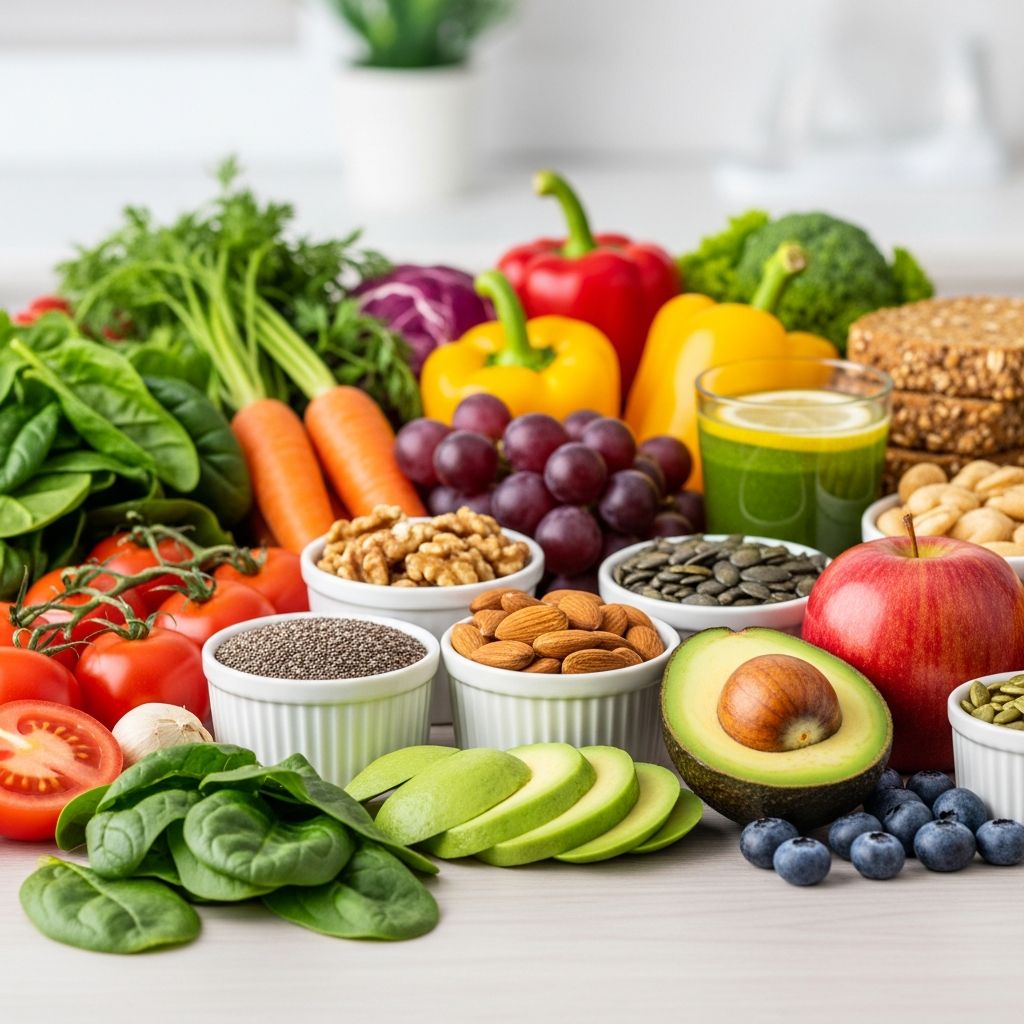
Adopting a diet centered on nutrient-dense foods delivers essential vitamins, minerals, proteins, and healthy fats while minimizing empty calories. These foods support sustained energy, bolster immunity, and lower chronic disease risks, forming the foundation of long-term wellness.
Understanding Nutrient Density
Nutrient density measures the concentration of beneficial nutrients per calorie. Foods high in this category provide maximum nutrition with minimal caloric intake, ideal for weight control and health optimization. For instance, leafy greens offer vitamins A, C, and K alongside fiber and antioxidants at low calorie counts.
Unlike processed items laden with sugars and fats, nutrient-rich options like berries or salmon pack bioactive compounds that combat inflammation and enhance cellular function. Prioritizing these transforms everyday eating into a proactive health strategy.
Top Categories of Nutrient Powerhouses
Building meals around diverse nutrient-dense groups ensures comprehensive coverage of dietary needs. Here’s a breakdown of key categories with standout examples.
Vibrant Vegetables for Vitality
Vegetables form the cornerstone of nutrient-rich diets due to their abundance of fiber, vitamins, and phytonutrients. Cruciferous varieties like broccoli deliver glucosinolates that aid detoxification and provide vitamins C and K for immune and bone support.
- Broccoli: Enhances iron absorption from plant sources and supports vision with vitamin A.
- Leafy Greens (Spinach, Kale): Packed with iron, calcium, and antioxidants; kale fights oxidative stress with vitamins A, C, and K.
- Root Vegetables (Sweet Potatoes, Beets, Carrots): Beta-carotene in sweet potatoes promotes eye health; beets offer nitrates for better endurance.
Incorporate these by roasting, steaming, or adding to salads to preserve nutrients.
Fruits Bursting with Benefits
Fruits supply quick energy via natural sugars paired with fiber and antioxidants. Berries stand out for anthocyanins that protect brain function and reduce inflammation.
- Blueberries and Berries: High in vitamin K and manganese for cellular health and memory support.
- Oranges: Vitamin C powerhouse for skin and immunity.
- Bitter Melon: Aids blood sugar management with fiber and B vitamins.
Aim for 2-4 servings daily, fresh or frozen, to maximize intake without excess sugar.
Proteins That Nourish
Lean proteins build and repair tissues while providing omega-3s and essential amino acids. Fatty fish excel here for heart and brain benefits.
| Protein Source | Key Nutrients | Health Perks |
|---|---|---|
| Salmon | Omega-3s, Vitamin D | Heart health, reduced inflammation |
| Chicken Breast | Complete protein | Muscle recovery |
| Legumes (e.g., Lentils) | Fiber, Plant protein | Digestion, blood sugar control |
| Eggs | B vitamins, Choline | Brain function |
These options fit various diets, from pescatarian to plant-based.
Nuts, Seeds, and Healthy Fats
These deliver monounsaturated fats, vitamin E, and fiber for satiety and cardiovascular support. A handful daily curbs hunger effectively.
- Almonds: Vitamin E for eye health and antioxidants.
- Chia Seeds, Walnuts: Omega-3s and fiber for digestion.
- Olive/Avocado Oil: Anti-inflammatory fats for heart protection.
Grains and Carbs Done Right
Whole grains offer sustained energy through fiber and minerals, outperforming refined versions.
Related Stories



- Quinoa, Oats: Complete proteins and beta-glucans for cholesterol control.
- Brown Rice, Barley: Manganese and selenium for metabolism.
Practical Strategies for Daily Integration
Transitioning to nutrient-rich eating requires simple swaps and planning. Start by filling half your plate with vegetables at every meal, a guideline echoed by health authorities.
- Meal Prep Power Bowls: Combine quinoa, spinach, salmon, and berries for balanced nutrition.
- Snack Smart: Opt for almonds or yogurt with blueberries over chips.
- Hydrate and Season: Water as base; use garlic for flavor and allicin benefits.
- Portion Awareness: Even nutrient-dense foods like nuts need moderation due to calories.
Track progress with a food diary to identify gaps, ensuring variety across colors and types for broad nutrient coverage.
Evidence-Based Health Advantages
Research links nutrient-dense diets to tangible outcomes. Adolescents consuming potatoes showed elevated B vitamins and minerals. Omega-3 rich fish reduce inflammation markers. Leafy greens correlate with lower macular degeneration risk via lutein.
Population studies affirm reduced diabetes and heart disease incidence with high vegetable/fruit intake. Fiber from whole grains stabilizes blood sugar.
Overcoming Common Hurdles
Cost and time often deter changes, but frozen produce retains nutrients affordably, and batch cooking saves effort. Experiment with spices to enhance appeal of greens or fish.
For picky eaters, blend kale into smoothies or hide beets in sauces. Consistency over perfection yields results.
Sample 7-Day Nutrient-Rich Meal Plan
| Day | Breakfast | Lunch | Dinner | Snack |
|---|---|---|---|---|
| Monday | Oatmeal w/ Blueberries | Quinoa Salad w/ Kale, Chickpeas | Grilled Salmon, Broccoli | Almonds |
| Tuesday | Smoothie: Spinach, Orange | Chicken Stir-Fry w/ Bell Peppers | Brown Rice, Beets, Lentils | Yogurt w/ Berries |
| Wednesday | Eggs w/ Spinach | Tuna Salad w/ Carrots | Sweet Potato, Kale | Chia Pudding |
| Thursday | Barley Porridge | Broccoli Soup, Nuts | Cod w/ Quinoa | Apple Slices |
| Friday | Yogurt Parfait | Lentil Wraps w/ Greens | Chicken, Beets | Walnuts |
| Saturday | Smoothie Bowl | Salmon Salad | Stir-Fry Veggies, Rice | Carrots |
| Sunday | Oats w/ Nuts | Bean Bowl | Fish Tacos w/ Cabbage | Berries |
Frequently Asked Questions
What counts as a nutrient-dense food?
Foods rich in vitamins, minerals, fiber, and protein relative to calories, such as leafy greens, berries, and fish.
How many servings of vegetables should I eat daily?
At least 5 servings, focusing on variety for full nutrient spectrum.
Can nutrient-dense foods help with weight loss?
Yes, by promoting satiety and reducing calorie density.
Are supplements necessary if I eat these foods?
Typically not, as whole foods provide synergistic benefits beyond isolates.
How do I store these foods to retain nutrients?
Refrigerate greens loosely; freeze berries and fish promptly.
Long-Term Success Tips
Sustainable change comes from gradual integration and enjoyment. Pair with physical activity for amplified effects. Consult professionals for personalized advice, especially with conditions like diabetes.
References
- 33 Nutrient-Dense Foods to Fuel Your Health — UCF Health. 2023. https://ucfhealth.com/our-services/lifestyle-medicine/nutrient-dense-foods/
- 12 Of The Most Nutrient-Dense Foods You Can Eat — Healthline. 2023. https://www.healthline.com/nutrition/11-most-nutrient-dense-foods-on-the-planet
- Top 15 healthy foods you should be eating — UC Davis Health. 2019-04-01. https://health.ucdavis.edu/blog/good-food/top-15-healthy-foods-you-should-be-eating/2019/04
- 10 great health foods — Mayo Clinic. 2023. https://www.mayoclinic.org/healthy-lifestyle/nutrition-and-healthy-eating/in-depth/10-great-health-foods/art-20546837
- ‘We Really Are What We Eat’: Benefits of Nutrient-Rich Foods — Baptist Health. 2023. https://www.baptisthealth.net/baptist-health-news/really-eat-benefits-nutrient-rich-foods
- Top 10 Foods for Health — UCSF Health. 2023. https://www.ucsfhealth.org/education/top-ten-foods-for-health
- Advances in Nutrient-Rich Foods for a Healthy Diet — PMC – NIH. 2023-08-10. https://pmc.ncbi.nlm.nih.gov/articles/PMC10419062/
Similar Articles








Read full bio of Sneha Tete