Nutrient-Rich Foods For Eye Health: Practical Guide
Discover how everyday foods packed with vital nutrients can protect your vision and reduce the risk of age-related eye diseases.
The eyes are vital organs that require consistent care to maintain sharpness and prevent diseases like age-related macular degeneration (AMD) and cataracts. Nutrition plays a pivotal role in this protection, with specific nutrients acting as antioxidants and anti-inflammatories to shield retinal cells from oxidative stress and damage. Research from major studies, including the Age-Related Eye Disease Studies (AREDS and AREDS2), demonstrates that diets rich in certain vitamins, minerals, and carotenoids can significantly lower the risk of vision loss.
Understanding the Link Between Diet and Vision Protection
Oxidative damage and chronic inflammation contribute to the rising incidence of age-related eye conditions as populations age. Antioxidants from food neutralize harmful free radicals, while anti-inflammatory compounds like omega-3 fatty acids support retinal function and reduce disease progression. Observational data shows that individuals consuming high amounts of dark green, red, and orange produce, along with fatty fish, experience lower rates of AMD. The AREDS formulation, tested in clinical trials, reduced advanced AMD risk by about 25% through targeted supplementation, underscoring the power of these nutrients when obtained from diet or supplements.
A Mediterranean-style eating pattern, emphasizing fruits, vegetables, fish, and nuts, correlates with better eye outcomes. Post-hoc analyses of AREDS data link higher intakes of vitamins A, B6, C, folate, beta-carotene, lutein/zeaxanthin, magnesium, and copper to decreased AMD progression, while saturated fats from meat and dairy increase risk. Prioritizing whole foods over processed items provides synergistic benefits beyond isolated nutrients.
Key Nutrients Essential for Ocular Wellness
Several nutrients stand out for their protective roles in eye health. Here’s a breakdown of the most researched ones:
- Lutein and Zeaxanthin: These carotenoids accumulate in the macula, filtering blue light and combating oxidative stress. Low levels are common in AMD patients, and supplementation or dietary increases raise macular pigment density, delaying disease onset.
- Vitamin C: As a potent water-soluble antioxidant, it regenerates other antioxidants and maintains blood vessel integrity in the eyes, potentially lowering cataract risk.
- Vitamin E: A fat-soluble antioxidant that protects cell membranes in the retina from lipid peroxidation.
- Zinc and Copper: Zinc supports retinal enzyme function and vitamin A transport; copper prevents deficiency from high zinc intake. Together, they enhance antioxidant efficacy.
- Omega-3 Fatty Acids (DHA and EPA): Crucial for retinal structure and anti-inflammatory effects, they improve tear production and may slow AMD when sourced from fish.
- Beta-Carotene (Vitamin A precursor): Vital for night vision and corneal health, though caution is advised for smokers due to lung cancer risks in high-dose supplements.
Top Food Sources to Incorporate Daily
Building a vision-supportive diet is straightforward with accessible foods. Focus on variety to cover all bases.
Leafy Greens and Colorful Vegetables
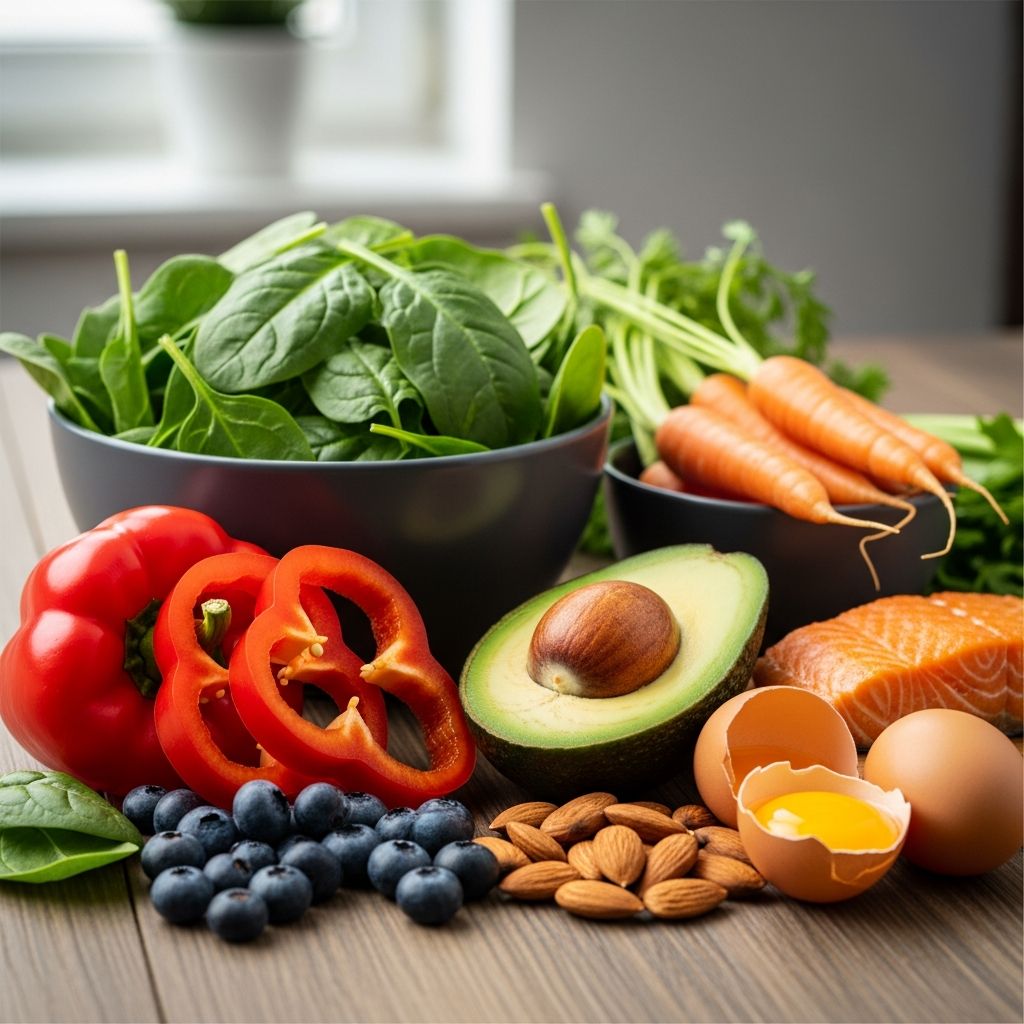
Dark leafy greens like kale, spinach, collards, and broccoli are powerhouse sources of lutein and zeaxanthin. A single serving of cooked spinach provides over 10 mg of lutein, far exceeding typical intakes linked to AMD risk reduction. Orange vegetables such as carrots and sweet potatoes deliver beta-carotene, converting to vitamin A as needed. Peppers, tomatoes, and corn add vitamin C and additional carotenoids.
Fruits for Antioxidant Boost
Citrus fruits—oranges, grapefruits—strawberries, kiwi, and papaya brim with vitamin C. Aim for 75-90 mg daily from two servings of fruit to support collagen in eye tissues. Berries like blueberries offer extra flavonoids for vascular health.
Related Stories



Fatty Fish and Healthy Fats
Salmon, tuna, sardines, and mackerel supply DHA and EPA. Eating fish twice weekly halves AMD risk in some studies. For vegetarians, flaxseeds, chia seeds, and walnuts provide ALA, a precursor, though conversion is less efficient.
Nuts, Seeds, and Legumes
Almonds and sunflower seeds are rich in vitamin E (15 mg per ounce of almonds meets daily needs). Peas and beans contribute zinc alongside fiber for overall health.
Other Powerhouses
Eggs offer lutein bound to fats for better absorption. Whole grains and lean meats provide zinc and B vitamins.
| Food | Serving Size | Key Nutrients |
|---|---|---|
| Kale (cooked) | 1 cup | Lutein/Zeaxanthin: 23 mg, Vitamin C: 53 mg |
| Salmon | 3 oz | DHA/EPA: 1-2 g, Vitamin D |
| Carrots | 1 medium | Beta-Carotene: 10,000 IU |
| Almonds | 1 oz | Vitamin E: 7.3 mg, Zinc: 1 mg |
| Orange | 1 medium | Vitamin C: 70 mg |
Data adapted from USDA and AREDS-related analyses.
Practical Meal Ideas for Vision Support
Integrate these foods seamlessly:
- Breakfast: Spinach omelet with strawberries.
- Lunch: Salmon salad with kale, peppers, and citrus dressing.
- Dinner: Grilled fish with sweet potato and broccoli.
- Snacks: Handful of almonds, carrot sticks, or yogurt with berries.
These meals not only target eye nutrients but promote heart health too, as overlapping benefits emerge from shared antioxidants.
When Supplements Might Help
While food is ideal, AREDS2 recommends supplements for those with intermediate AMD or low dietary intake. The updated formula omits beta-carotene for smokers, including 10 mg lutein, 2 mg zeaxanthin, 500 mg vitamin C, 400 IU vitamin E, 80 mg zinc, and 2 mg copper daily. Consult an eye doctor before starting, as excess can harm.
Evidence from Landmark Studies
The AREDS trials provide gold-standard proof. AREDS1 showed 25% risk reduction in advanced AMD with its formula. AREDS2 added lutein/zeaxanthin, benefiting low-intake groups without increasing wet AMD risk. Lutein/zeaxanthin supplementation raises macular pigment, correlating with better resistance to degeneration. Fish consumption inversely links to AMD progression.
Addressing Common Myths and Risks
Myth: All supplements are beneficial. Fact: Beta-carotene raises lung cancer risk in smokers; use AREDS2 version. Whole foods outperform pills due to synergies. Another myth: Carotenoids only matter for AMD. They aid cataracts too via antioxidant action.
Those with low intake—often below 95th percentile for lutein/zeaxanthin—benefit most from boosts.
FAQs
How much lutein do I need daily for eye health?
Studies suggest 6-10 mg lutein plus 2 mg zeaxanthin from diet or supplements reduces AMD risk.
Can diet alone prevent cataracts?
High vitamin C and carotenoid intakes lower risk, but combine with UV protection and not smoking.
Are eggs good for eyes despite cholesterol?
Yes, yolks provide bioavailable lutein/zeaxanthin; moderation fits healthy diets.
What’s the best fish for omega-3s?
Wild salmon or sardines, twice weekly, for optimal DHA/EPA without excess mercury.
Should children eat these foods?
Yes, omega-3s support visual development in infants and kids.
Lifestyle Synergies with Nutrition
Diet amplifies when paired with no smoking, UV-blocking sunglasses, regular exercise, and annual eye exams. The full spectrum approach maximizes retinal resilience.
In summary, a colorful, fish-inclusive diet fortifies eyes against age-related threats. Start small, track improvements via exams, and enjoy flavorful protection.
References
- Nutrients that Support Eye Health — Academy of Nutrition and Dietetics (eatrightPRO.org). 2023. https://www.eatrightpro.org/news-center/practice-trends/nutrients-that-support-eye-health
- Lutein and Zeaxanthin and Their Roles in Age-Related Macular Degeneration — National Library of Medicine (PMC). 2022-02-22. https://pmc.ncbi.nlm.nih.gov/articles/PMC8874683/
- Nutrients for the aging eye — National Library of Medicine (PMC). 2013. https://pmc.ncbi.nlm.nih.gov/articles/PMC3693724/
- Diet and Nutrition — American Optometric Association (AOA). 2024. https://www.aoa.org/healthy-eyes/caring-for-your-eyes/diet-and-nutrition
Similar Articles








Read full bio of Sneha Tete