Nutrients Essentials: Meeting Daily Needs
Discover practical strategies to obtain vital vitamins and minerals through diet, understand requirements, and know when supplements help maintain optimal health.
Essential vitamins and minerals are fundamental building blocks for bodily functions, from immune support to bone strength and energy production. Most people can fulfill their requirements through a varied diet, but understanding specific needs helps prevent deficiencies and excesses.
Understanding Vitamins and Their Critical Roles
Vitamins are organic compounds required in small amounts for metabolic processes. They fall into two categories: fat-soluble (A, D, E, K), stored in body fat, and water-soluble (B-complex and C), excreted if excess.
- Vitamin A: Supports vision, skin health, and immunity. Recommended for men 51+: 900 mcg RAE; women 51+: 700 mcg RAE daily. Sources include carrots, eggs, and milk.
- Vitamin B3 (Niacin): Aids energy metabolism and DNA repair. Men 51+: 16 mg; women 51+: 14 mg. Found in poultry, fish, nuts, and grains.
- Vitamin B6: Essential for protein use and neurotransmitter synthesis. RDA: 1.7 mg for adults.
- Vitamin B12: Crucial for red blood cell formation and nerve health. Adults: 2.4 mcg daily; older adults may need fortified foods or supplements due to absorption issues.
- Vitamin C: Antioxidant for immune function and collagen production. Men 51+: 90 mg; women 51+: 75 mg. Abundant in citrus, tomatoes, and potatoes.
- Vitamin D: Promotes calcium absorption for bones. Ages 51-70: 15 mcg (600 IU); 71+: 20 mcg (800 IU), not exceeding 100 mcg. Sources: fatty fish, fortified milk.
These vitamins work synergistically; for instance, vitamin D enhances calcium utilization, vital for preventing osteoporosis in later years.
Key Minerals for Structural and Functional Health
Minerals are inorganic elements necessary for enzyme function, fluid balance, and skeletal integrity. Requirements vary by age, sex, and life stage.
| Mineral | RDA (Adults) | Upper Limit | Key Sources |
|---|---|---|---|
| Calcium | Men 51-70: 1,000 mg; 71+: 1,200 mg Women 51+: 1,200 mg | 2,000 mg | Dairy, leafy greens |
| Magnesium | Men 51+: 420 mg Women 51+: 320 mg | 350 mg (supplements) | Nuts, seeds, whole grains |
| Potassium | Men 51+: 3,400 mg Women 51+: 2,600 mg | N/A | Potatoes, apricots, dairy |
| Sodium | N/A | 2,300 mg | Processed foods (limit) |
| Zinc | N/A | 40 mg | Meat, shellfish |
Calcium and vitamin D pairing is particularly important for bone density, especially post-50, where needs increase.
Daily Requirements Across Life Stages
Nutrient needs evolve with age. Younger adults often meet RDAs via diet, but older individuals face challenges like reduced absorption.
- Young Adults (19-50): Focus on balanced intake; e.g., iron for women: 18 mg due to menstruation.
- Adults 51-70: Vitamin D at 15 mcg, calcium ramps up.
- Over 70: Higher vitamin D (20 mcg), B12 monitoring essential.
The FDA’s Daily Values provide label references: Vitamin C 90 mg, Potassium 4,700 mg, aiding shopping decisions.
Food-First Approach: Building a Nutrient-Rich Diet
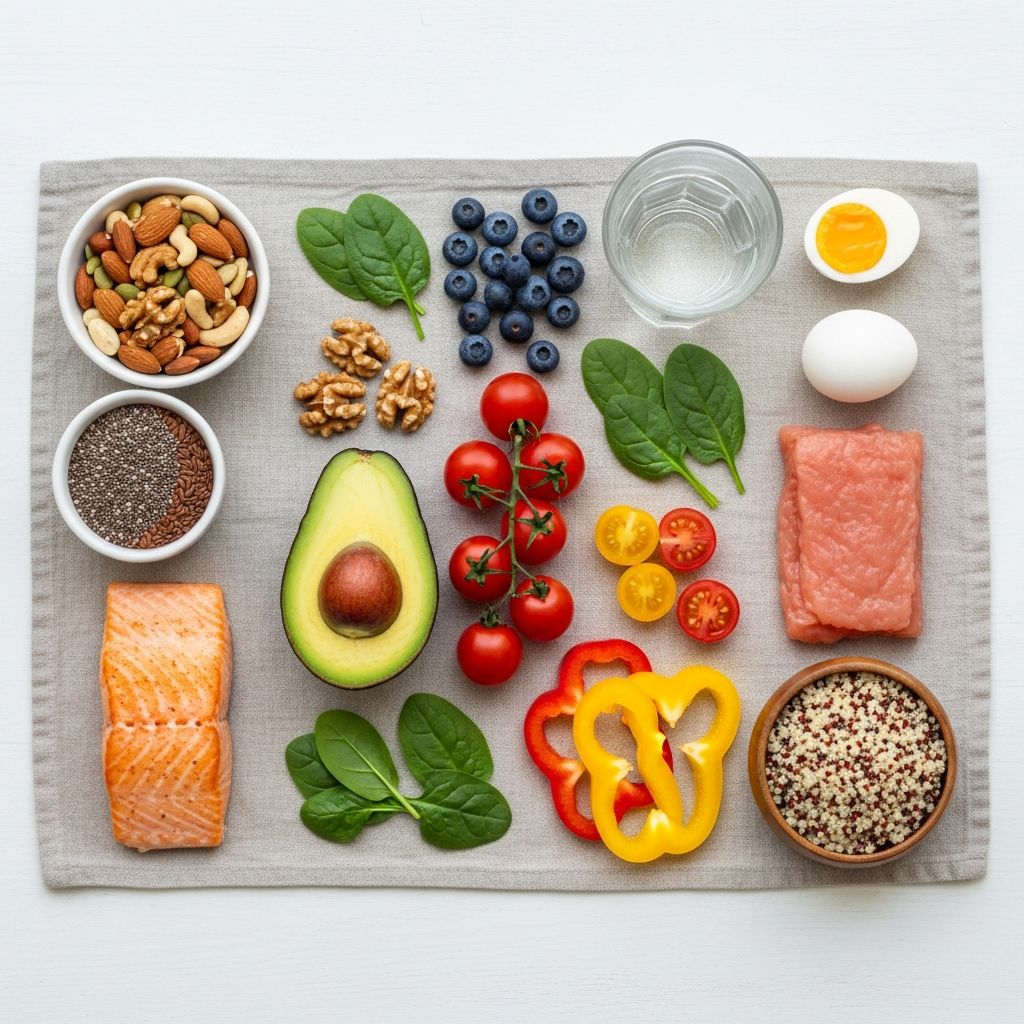
Prioritize whole foods for bioavailable nutrients. A colorful plate—greens, reds, oranges—ensures diversity.
- Fruits and vegetables for vitamins C, A, folate.
- Lean proteins for B12, zinc, iron.
- Dairy or alternatives for calcium, vitamin D.
- Whole grains and nuts for magnesium, B vitamins.
Example daily menu: Breakfast—fortified cereal with milk (B12, D); Lunch—salmon salad (omega-3, D); Dinner—chicken stir-fry with broccoli (niacin, C).
When Supplements Make Sense
Supplements bridge gaps, not replace food. Recommended for: vegans (B12), limited sun exposure (D), or post-50 absorption issues.
Multivitamins often hit 100% DV, but split calcium doses. Avoid megadoses; e.g., vitamin A UL: 3,000 mcg.
Risks of Too Little or Too Much
Deficiencies cause fatigue, weakened immunity; excesses lead to toxicity, like niacin flush or hypercalcemia.
Related Stories



- Deficiency Risks: B12 lack in elderly causes anemia; low D linked to falls.
- Overdose Limits: Iron 45 mg, Vitamin C 2,000 mg.
Special Considerations for Vulnerable Groups
Pregnant individuals need more folate (600 mcg); athletes may require extra electrolytes. Older adults benefit from potassium-rich foods to counter hypertension.
Practical Tips for Tracking Intake
Use apps or calculators for personalization. NIH’s DRI tool estimates needs. Read labels: %DV over 20% is high per serving.
FAQs
Can I get all nutrients from food alone?
Yes, for most healthy people following dietary guidelines, but some like vitamin D may need sun or fortification.
Are multivitamins necessary daily?
Not for everyone; consult a doctor if diet lacks variety or health conditions exist.
What if I’m vegetarian?
Monitor B12, iron, zinc; opt for fortified foods or supplements.
How much sun for vitamin D?
10-30 minutes midday several times weekly, depending on skin tone and location.
Do upper limits apply to food sources?
Often no, e.g., magnesium from food is safe unlike supplements.
References
- Vitamins and Minerals: How Much Should You Take? — WebMD. Accessed 2026. https://www.webmd.com/vitamins-and-supplements/vitamins-minerals-how-much-should-you-take
- Vitamins and Minerals for Older Adults — National Institute on Aging (NIA), NIH (.gov). 2023-02-15. https://www.nia.nih.gov/health/vitamins-and-supplements/vitamins-and-minerals-older-adults
- Special Report on Vitamins — Mayo Clinic (.org). 2009-07. https://www.mayoclinic.org/documents/mc5129-0709-sp-rpt-pdf/doc-20079085
- Daily Value on the Nutrition and Supplement Facts Labels — FDA (.gov). 2024-05-28. https://www.fda.gov/food/nutrition-facts-label/daily-value-nutrition-and-supplement-facts-labels
- Nutrient Recommendations and Databases — Office of Dietary Supplements, NIH (.gov). Accessed 2026. https://ods.od.nih.gov/HealthInformation/nutrientrecommendations.aspx
Similar Articles








Read full bio of medha deb