Nutrients That Become More Important as You Age
Discover the essential nutrients your body needs more of with age to support bone health, immunity, cognition, and vitality.
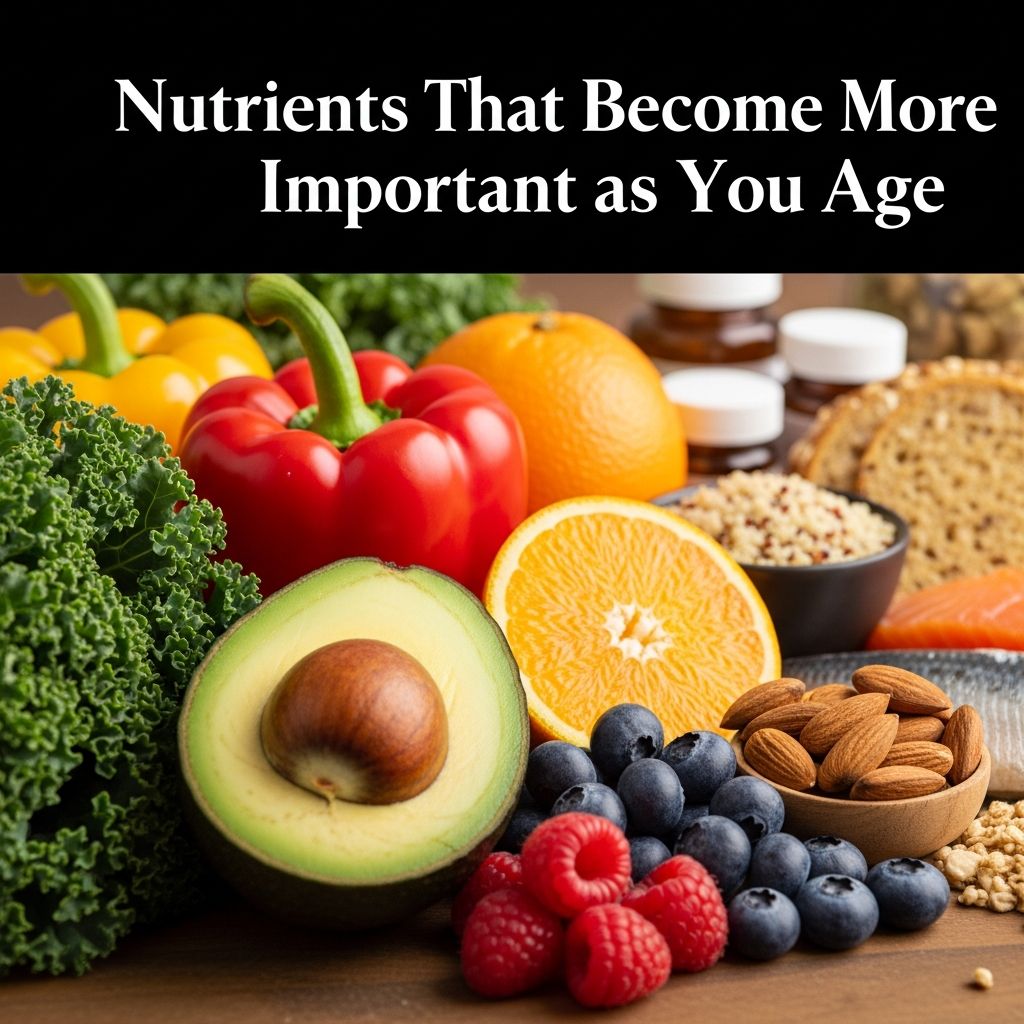
As we grow older, our bodies undergo significant changes that affect nutrient absorption, metabolism, and overall health requirements. After age 50, factors like reduced stomach acid, slower digestion, and chronic conditions make certain
nutrients
more critical. This article explores the top nutrients that become essential for maintaining bone strength, muscle mass, immune function, cognitive health, and energy levels in aging adults.Proper nutrition can help prevent age-related issues such as osteoporosis, sarcopenia (muscle loss), fatigue, and cognitive decline. By prioritizing these nutrients through diet or supplements—under medical guidance—you can support longevity and quality of life.
Why Your Nutritional Needs Change with Age
Aging impacts how the body processes food. Decreased production of stomach acid and enzymes impairs absorption of key vitamins and minerals. Hormonal shifts, like reduced estrogen in women, accelerate bone loss. Physical inactivity and medications common in older adults further deplete nutrient stores.
- Reduced kidney function affects mineral balance.
- Lower calorie needs but higher nutrient density required.
- Increased risk of deficiencies from conditions like atrophic gastritis.
Studies show that targeted nutrition can mitigate these changes, promoting healthier aging.
Vitamin D: The Sunshine Vitamin for Bones and Immunity
**Vitamin D** is crucial as you age because skin’s ability to synthesize it from sunlight declines by up to 75% after age 70. It regulates calcium absorption, supports immune function, and reduces fall risk by strengthening muscles.
Deficiency affects nearly 50% of older adults, linking to osteoporosis, fractures, and weakened immunity. Food sources include fatty fish, fortified dairy, and egg yolks, but supplements are often needed (600-800 IU daily, or more per doctor).
- Benefits: Bone health, muscle function, inflammation reduction.
- Risk factors: Limited sun exposure, dark skin, obesity.
- Tip: Get 15-20 minutes of midday sun several times weekly.
Calcium: Building Blocks for Strong Bones
After age 50, women lose 1-2% of bone density yearly post-menopause; men lose 0.5-1%.
Calcium
prevents this by maintaining bone mass and supporting nerve/muscle function. Absorption drops with age due to vitamin D shortages and lower acidity.Aim for 1,200 mg daily from dairy, leafy greens, almonds, and fortified foods. Excess can cause kidney stones, so balance with magnesium.
| Food Source | Calcium (mg per serving) |
|---|---|
| Yogurt (8 oz) | 415 |
| Kale (1 cup cooked) | 180 |
| Almonds (1 oz) | 75 |
Protein: Preserving Muscle Mass and Strength
Sarcopenia begins around age 30, accelerating after 60, leading to frailty.
Protein
intake must increase to 1.2-2.0 g/kg body weight daily to counteract this. Older adults often under-eat protein due to appetite loss.Animal and plant proteins both work; focus on leucine-rich sources like whey, eggs, and soy for muscle protein synthesis. Studies show higher protein diets improve strength and reduce fall risk.
- Benefits: Maintains lean mass, supports wound healing, boosts metabolism.
- Sources: Lean meats, fish, beans, Greek yogurt, nuts.
- Tip: Spread intake across meals (25-30g per meal).
Related Stories



Vitamin B12: Essential for Nerves and Blood
**Vitamin B12** absorption plummets with age due to less intrinsic factor from atrophic gastritis, affecting 15-20% over 60. Deficiency causes anemia, neuropathy, cognitive impairment, and fatigue.
Found in meat, fish, eggs, and fortified cereals; vegans and those on acid reducers are at highest risk. Supplements (500-1,000 mcg) or injections may be necessary.
Folate (Vitamin B9): Heart Health and Cognition
**Folate** works with B12 to lower homocysteine, reducing heart disease and dementia risk. Absorption decreases with gut changes; needs rise to 400 mcg daily.
Sources: Leafy greens, legumes, citrus. Fortified grains help, but whole foods are best.
Vitamin B6: Brain Function and Immunity
**Vitamin B6** supports neurotransmitter production and immune response. Deficiency links to depression and weakened immunity in seniors. RDA: 1.7 mg for men, 1.5 mg for women over 50.
Sources: Poultry, fish, potatoes, bananas.
Magnesium: Energy, Bones, and Heart
Over 50% of older adults are deficient in
magnesium
, which aids 300+ enzyme reactions, including energy production and blood pressure regulation. Low levels contribute to insomnia, cramps, and osteoporosis.RDA: 420 mg men, 320 mg women. Sources: Nuts, seeds, spinach, whole grains.
Omega-3 Fatty Acids: Fighting Inflammation
**Omega-3s** (EPA/DHA) combat chronic inflammation, supporting heart, brain, and joint health. Intake often drops with age; aim for 1-2g daily from fish or algae supplements.
Benefits: Reduced cognitive decline, better mood, lower triglycerides. Sources: Salmon, walnuts, flaxseeds.
Research indicates polyunsaturated fatty acids like omega-3s promote longevity by alleviating age-dependent neurodegeneration.
Potassium: Blood Pressure Control
**Potassium** balances sodium to prevent hypertension, common in aging. RDA: 4,700 mg. Sources: Bananas, potatoes, yogurt.
Zinc: Immunity and Wound Healing
**Zinc** deficiency impairs immunity and taste, increasing infection risk. RDA: 11 mg men, 8 mg women. Sources: Oysters, beef, chickpeas.
Selenium: Antioxidant Protection
**Selenium** acts as an antioxidant, protecting cells. Supplementation delays cellular senescence in studies. RDA: 55 mcg. Sources: Brazil nuts, tuna.
Fiber: Digestion and Heart Health
**Fiber** prevents constipation and lowers cholesterol. Aim for 25-30g daily from fruits, veggies, whole grains.
Probiotics: Gut Health Support
Aging disrupts microbiome;
probiotics
from yogurt or supplements aid digestion and immunity.How to Get These Nutrients
- Prioritize whole foods: Mediterranean diet excels.
- Supplements if deficient (test first).
- Hydrate and exercise to enhance absorption.
Frequently Asked Questions (FAQs)
Do I need supplements as I age?
Possibly, especially for vitamin D, B12, and calcium if diet falls short. Consult a doctor for blood tests.
Can diet alone provide enough nutrients?
Often yes with variety, but absorption issues may require fortification.
What’s the best diet for seniors?
Mediterranean-style: veggies, fish, nuts, olive oil.
How much protein do older adults need?
1.2-2.0g per kg body weight, higher than younger adults.
Does cooking affect nutrient absorption?
Yes; steaming preserves more vitamins than boiling.
(Word count: 1678)
References
- Effects of nutritional components on aging — PMC – PubMed Central. 2015-02-20. https://pmc.ncbi.nlm.nih.gov/articles/PMC4326908/
- Dietary Reference Intakes for Calcium and Vitamin D — National Academies Press (.gov resource). 2011-11-30. https://www.ncbi.nlm.nih.gov/books/NBK56070/
- Protein Consumption and the Elderly: What Is the Optimal Level of Intake? — PubMed (peer-reviewed). 2015-05-11. https://pubmed.ncbi.nlm.nih.gov/25926510/
- Omega-3 Fatty Acids and Aging — American Journal of Clinical Nutrition. 2018-07-18. https://doi.org/10.1093/ajcn/nqy084
- Selenium and Aging — Nutrients (MDPI peer-reviewed). 2023-04-15. https://doi.org/10.3390/nu15081892
Similar Articles








Read full bio of medha deb