Nutrition and Eye Health: Eating Your Way to Better Vision
Discover how proper nutrition supports optimal eye health and prevents age-related vision problems.
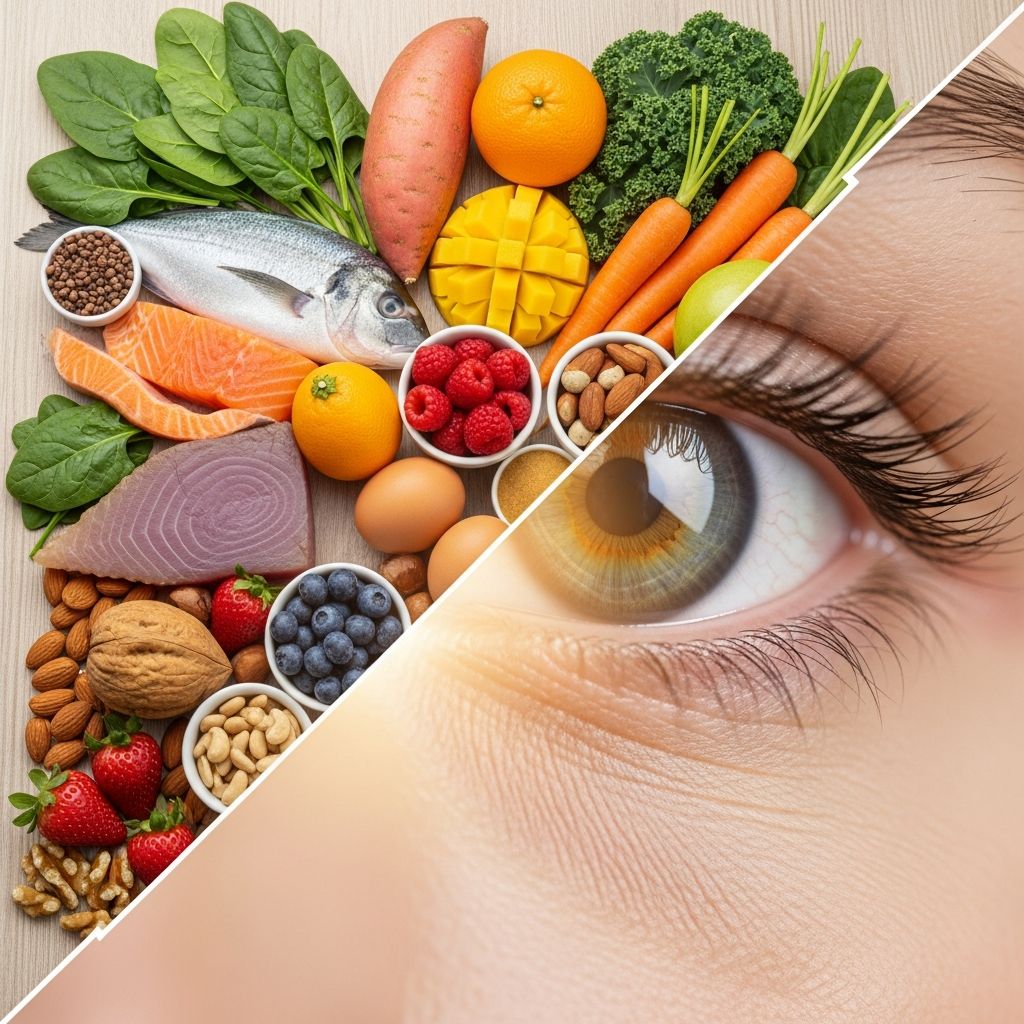
When we think about maintaining our vision, we often focus on regular eye exams, wearing glasses or contacts, and protecting our eyes from strain. However, one of the most powerful tools for maintaining healthy eyes lies in our diet. The food we consume directly impacts our eye health, influencing everything from night vision to the prevention of age-related eye diseases. Understanding the connection between nutrition and vision empowers us to make dietary choices that support clear, healthy eyesight for years to come.
A balanced diet rich in specific vitamins, minerals, and nutrients can significantly reduce the risk of various ocular conditions, from dry eye syndrome to age-related macular degeneration (AMD). Just as our bodies require proper fuel to function optimally, our visual system depends on essential nutrients to maintain its complex structures and functions. By incorporating nutrient-dense foods into our daily meals, we can actively protect our vision and reduce the likelihood of developing serious eye conditions.
Key Nutrients for Optimal Eye Health
Our eyes require a variety of specific nutrients to function properly and maintain their structural integrity. These essential vitamins, minerals, and compounds work together to protect our vision and prevent degenerative eye diseases. Understanding which nutrients are most important and where to find them is the first step toward an eye-healthy diet.
Vitamin A: The Vision Nutrient
Vitamin A stands as one of the most critical nutrients for eye health, playing a fundamental role in maintaining clear vision, particularly in low-light conditions. This essential nutrient supports the health of the cornea, the eye’s outer surface, and is vital for the proper functioning of the retina, which captures light and sends visual signals to the brain. Vitamin A deficiency can lead to night blindness and other serious vision problems, making adequate intake essential for maintaining optimal visual function.
The best dietary sources of vitamin A include carrots, sweet potatoes, spinach, liver, egg yolks, and dairy products. These nutrient-dense foods provide both preformed vitamin A (retinol) and beta-carotene, a precursor that the body converts to vitamin A as needed.
Lutein and Zeaxanthin: The Protective Carotenoids
Lutein and zeaxanthin are powerful carotenoids that concentrate in the retina and lens of the eye, where they perform crucial protective functions. These compounds act as natural filters, screening harmful blue light from reaching sensitive inner structures of the eye. Additionally, they reduce oxidative stress, a key factor in age-related eye degeneration. The vibrant colors of many fruits and vegetables—yellows, oranges, and deep greens—come from these protective compounds.
Excellent food sources of lutein and zeaxanthin include kale, spinach, corn, Swiss chard, raspberries, egg yolks, and orange peppers. By incorporating these colorful foods into your diet, you provide your eyes with natural protection against oxidative damage.
Vitamin C: The Antioxidant Shield
Vitamin C concentrates in high levels within the aqueous humor, the clear fluid in front of the eye’s lens. This powerful antioxidant protects the eye from oxidative damage caused by free radicals, unstable molecules that can harm cellular structures. Research suggests that vitamin C may slow the development of age-related cataracts and supports the health of blood vessels throughout the eye. Additionally, vitamin C plays a crucial role in helping the cornea, the eye’s front surface, heal from various types of damage.
Related Stories



Rich sources of vitamin C include oranges, strawberries, bell peppers, kale, and broccoli. Regular consumption of these foods provides your eyes with continuous antioxidant protection.
Vitamin E: Working in Harmony
Vitamin E works synergistically with vitamin C to protect eye cells from damage caused by free radicals. As a group of compounds, vitamin E protects the helpful fatty acids within cells from oxidation, preserving their structural integrity and function. This fat-soluble vitamin is particularly important for maintaining the health of the eye’s delicate tissues.
You can find vitamin E in almonds, sunflower seeds, avocados, and hazelnuts. Including these nutrient-rich foods in your diet provides comprehensive antioxidant protection for your visual system.
Omega-3 Fatty Acids: Supporting Retinal Function
Omega-3 fatty acids, particularly DHA (docosahexaenoic acid), play an essential role in retinal function and overall eye health. These healthy fats are especially important for reducing the risk of dry eye syndrome. Omega-3s support the healthy production of meibum in the meibomian glands, specialized glands located in the eyelids that produce the oily, protective layer of the tear film. This oily layer prevents tears from evaporating too quickly, maintaining eye comfort and moisture.
Excellent sources of omega-3 fatty acids include fatty fish like salmon, sardines, and mackerel, as well as plant-based sources such as flaxseeds and walnuts. Including these foods several times per week helps maintain proper tear production and reduces dry eye symptoms.
Zinc: The Mineral Transporter
Zinc plays a vital role in transporting vitamin A from the liver to the retina, where it is used to produce melanin, a protective pigment in the eye. This essential mineral is critical for maintaining optimal levels of vitamin A in the retina and supporting overall visual function. Zinc deficiency can impair night vision and increase the risk of age-related macular degeneration.
Good dietary sources of zinc include beef, shellfish, legumes, and pumpkin seeds. Ensuring adequate zinc intake supports the body’s ability to utilize vitamin A effectively.
Flavonoids: Brain-Eye Communication
Flavonoids are plant-based compounds with remarkable health benefits for the eyes. Research has found that flavonoids aid retinal ganglion cells, the specialized nerve cells responsible for helping our eyes communicate with our brain. These compounds possess antioxidant and anti-inflammatory properties that protect eye tissue from damage.
Flavonoids are naturally abundant in dark chocolate, red wine, berries, citrus fruits, and tea. Including these foods and beverages in your diet provides concentrated doses of these protective compounds.
Nutrition and Eye Disease Prevention
One of the most compelling reasons to maintain a nutrient-rich diet is its powerful role in preventing serious eye diseases that can lead to vision loss. Research has consistently demonstrated that specific combinations of nutrients can slow or prevent the development of common age-related eye conditions.
Age-Related Macular Degeneration (AMD)
Age-related macular degeneration represents one of the leading causes of vision loss in older adults. The landmark Age-Related Eye Disease Study (AREDS) demonstrated that specific combinations of antioxidants—including vitamins C and E, lutein, zeaxanthin, and zinc—can significantly slow the progression of AMD. This groundbreaking research provides powerful evidence that dietary choices directly influence the course of this serious eye disease. By maintaining adequate intake of these protective nutrients, individuals at risk for AMD can take proactive steps to preserve their vision.
Dry Eye Syndrome
Dry eye syndrome affects millions of people and can significantly impact quality of life. Omega-3 fatty acids have demonstrated remarkable effectiveness in addressing this condition by improving tear production and reducing inflammation in the eye. Research shows that regular consumption of omega-3-rich foods helps maintain the health of the meibomian glands and supports the stability of the tear film, providing sustained relief from dry eye symptoms.
Diabetic Retinopathy
For individuals with diabetes, dietary choices become even more critical. A diet low in refined sugar and high in whole, nutrient-dense foods helps regulate blood sugar levels, directly reducing the risk of damage to retinal blood vessels. This preventive approach addresses the root cause of diabetic retinopathy, making nutrition a crucial component of diabetes management and eye health preservation.
Cataracts
Cataracts, characterized by clouding of the lens, represent another preventable eye condition where nutrition plays a significant role. Vitamin C and other antioxidants help slow the formation of cataracts by protecting lens proteins from oxidative damage. Maintaining adequate antioxidant intake throughout life reduces cataract risk and may delay or prevent the need for surgical intervention.
Practical Dietary Strategies for Eye Health
Understanding which nutrients support eye health is valuable, but translating this knowledge into practical dietary strategies is essential for real-world results. Here are evidence-based approaches to incorporate eye-healthy nutrition into your daily eating patterns.
Eat the Rainbow
Brightly colored fruits and vegetables offer a diverse array of protective antioxidants and phytonutrients. Red tomatoes provide lycopene, orange carrots and sweet potatoes offer beta-carotene, yellow peppers contribute vitamin C, and deep green leafy vegetables supply lutein and zeaxanthin. By creating colorful meals that include multiple colors of produce, you ensure that your eyes receive a comprehensive spectrum of protective nutrients.
Follow a Mediterranean Diet
The Mediterranean diet has emerged as one of the most beneficial dietary patterns for eye health. This traditional eating approach emphasizes leafy green vegetables, whole grains, nuts, and fatty fish—precisely the foods that concentrate eye-protective nutrients. Research supports the Mediterranean diet as a simple, practical way to package the many sight-saving nutrients available from food sources. For individuals who find detailed nutritional information overwhelming, the Mediterranean diet provides an easy-to-follow framework that naturally incorporates most critical eye-health nutrients.
Stay Hydrated
Proper hydration supports the entire physiology of the body, including tear production and blood circulation to the eyes. Drinking sufficient water throughout the day helps maintain adequate tear production and prevents dry eye symptoms. This simple strategy represents one of the easiest ways to support ongoing eye health.
Limit Processed Foods
High-sugar and high-fat diets increase the risk of developing diabetes and chronic inflammation, both of which negatively impact eye health. By minimizing processed foods and focusing on whole, nutrient-dense options, you protect your vision while improving overall health. This dietary approach reduces the systemic inflammation and blood sugar dysregulation that underlie many eye diseases.
Limit Red Meat Consumption
Research published in The American Journal of Clinical Nutrition reveals that consuming beef, pork, or lamb as a main dish more than once per week is associated with a 35% higher risk of developing age-related macular degeneration compared to those who consume these meats less than three times per month. This finding underscores the importance of balancing protein sources and emphasizing plant-based proteins, fish, and poultry in your diet.
Sample Nutrient-Rich Foods for Eye Health
| Nutrient | Primary Function | Best Food Sources |
|---|---|---|
| Vitamin A | Supports night vision and corneal health | Carrots, sweet potatoes, spinach, liver, eggs, dairy |
| Lutein & Zeaxanthin | Filters blue light and reduces oxidative stress | Kale, spinach, corn, Swiss chard, raspberries, egg yolks, orange peppers |
| Vitamin C | Antioxidant protection and cataract prevention | Oranges, strawberries, bell peppers, kale, broccoli |
| Vitamin E | Protects cells from free radical damage | Almonds, sunflower seeds, avocados, hazelnuts |
| Omega-3 Fatty Acids | Supports retinal function and tear production | Salmon, sardines, mackerel, flaxseeds, walnuts |
| Zinc | Transports vitamin A to the retina | Beef, shellfish, legumes, pumpkin seeds |
| Flavonoids | Enhances retinal ganglion cell function | Dark chocolate, red wine, berries, citrus, tea |
Frequently Asked Questions
Q: How quickly will I see improvements in my vision by changing my diet?
A: While some benefits like reduced dry eye symptoms may appear within weeks, most eye health improvements develop gradually over months and years. Nutrition is most effective as a long-term preventive strategy rather than a quick fix. Consistency in maintaining a nutrient-rich diet provides the greatest benefits over time.
Q: Can supplements replace a healthy diet for eye health?
A: While supplements can help fill nutritional gaps, whole foods provide nutrients in complex combinations that work synergistically. Food sources also contain fiber, phytonutrients, and other compounds not found in supplements. Whenever possible, obtain nutrients from a balanced diet, and use supplements only to fill specific deficiencies identified by healthcare providers.
Q: Are there any nutrients that are particularly important as we age?
A: Yes, as we age, the risk for macular degeneration and cataracts increases, making antioxidants—particularly vitamins C and E, lutein, zeaxanthin, and zinc—increasingly important. The AREDS formulation specifically targets these nutrients for older adults at risk for age-related eye diseases.
Q: How much of these foods do I need to eat to protect my vision?
A: There is no exact prescription, but incorporating a variety of eye-healthy foods throughout your week ensures adequate nutrient intake. Following general healthy eating guidelines—filling half your plate with vegetables and fruits, including fatty fish twice weekly, and adding nuts and seeds regularly—provides sufficient eye-protective nutrients for most people.
Q: Can nutrition help if I already have an eye disease?
A: Yes, nutrition plays an important role even after eye disease diagnosis. The AREDS study demonstrated that specific nutrient combinations can slow the progression of existing AMD. Work with your eye care professional to develop a nutrition plan appropriate for your specific condition and stage of disease.
Q: Are there specific foods to avoid for eye health?
A: Minimize processed foods high in sugar and unhealthy fats, as these promote inflammation and increase disease risk. Additionally, limit red and processed meats, which studies show are associated with increased AMD risk. Focus on whole foods and healthy preparation methods rather than emphasizing foods to avoid.
Conclusion: Taking Control of Your Vision Through Nutrition
The powerful connection between nutrition and eye health offers a practical, accessible way to protect your vision and reduce the risk of serious eye diseases. By understanding which nutrients support eye function and where to find them, you gain the knowledge needed to make dietary choices that benefit your sight. Whether you’re in your thirties looking to build a foundation for lifelong eye health or in your sixties seeking to slow age-related vision changes, nutrition provides an effective tool for maintaining and protecting your visual system.
The evidence is clear: the foods we choose today directly influence the health of our eyes tomorrow. By consistently incorporating nutrient-rich foods—particularly colorful vegetables, fatty fish, nuts, and whole grains—into your daily diet, you invest in clear, healthy vision for years to come. Combined with regular eye exams and other protective measures, a nutritionally balanced diet represents one of the most powerful strategies available for maintaining optimal eye health throughout life.
References
- Age-Related Eye Disease Study (AREDS) — National Eye Institute, National Institutes of Health. Research demonstrated that specific combinations of vitamins C and E, lutein, zeaxanthin, and zinc can slow age-related macular degeneration progression. https://www.nei.nih.gov/research/clinical-trials/age-related-eye-disease-study-areds
- Red Meat Consumption and AMD Risk — The American Journal of Clinical Nutrition. 2024. Study findings indicate that consuming red meat more than once weekly is associated with 35% higher AMD risk compared to less frequent consumption. https://academic.oup.com/ajcn
- Nutrition and Eye Health — Johns Hopkins Medicine, Wellness and Prevention. Evidence-based overview of key nutrients for optimal vision and disease prevention. https://www.hopkinsmedicine.org
- Mediterranean Diet and Vision Health — Research in Nutrition and Clinical Practice. Multiple studies support Mediterranean dietary patterns for reducing age-related eye disease risk through comprehensive nutrient provision. https://pubmed.ncbi.nlm.nih.gov
- Omega-3 Fatty Acids and Dry Eye Syndrome — Ocular Surface journal. Peer-reviewed evidence demonstrates omega-3 effectiveness in improving tear film stability and reducing dry eye symptoms through meibomian gland support. https://www.sciencedirect.com
Similar Articles








Read full bio of medha deb